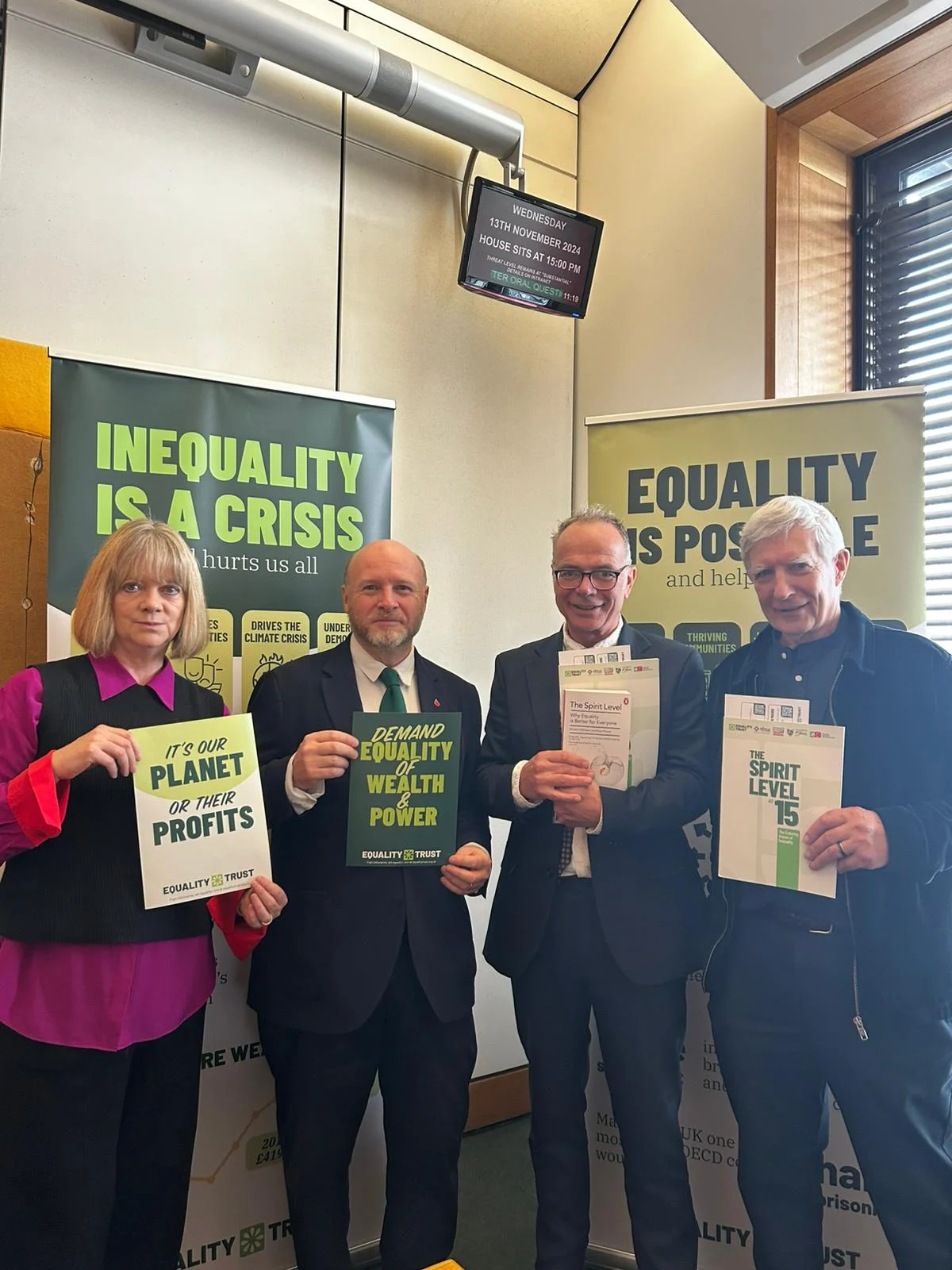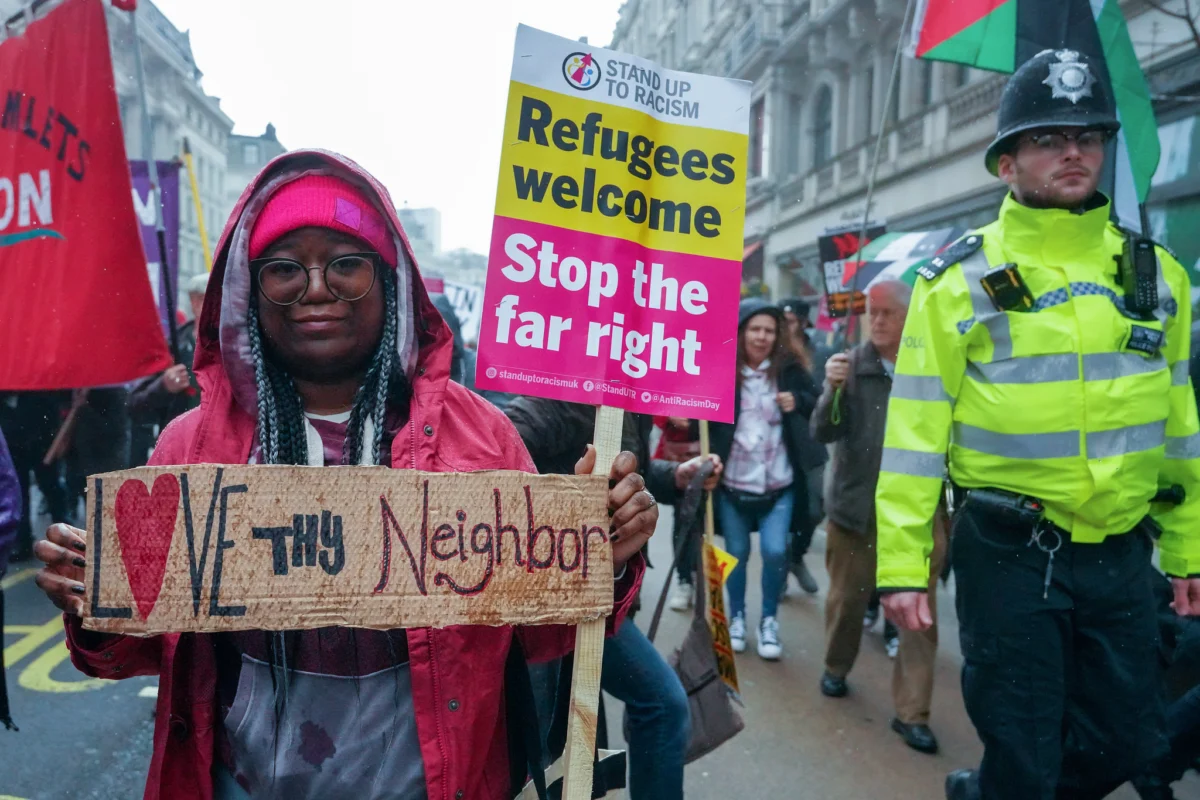
On January 13, 2026, Priya Sahni-Nicholas, the Co-Executive Director of The Equality Trust, addressed a high-level assembly at the Public Policy Exchange to dissect the government’s recently unveiled Child Poverty Strategy, titled Tackling Child Poverty: Improving Welfare, Security and Future Prospects. The event brought together policymakers, academics, and social justice advocates to evaluate a document that represents the first comprehensive, UK-wide effort to address child destitution since the early 21st century. While Sahni-Nicholas acknowledged a profound and welcome shift in the official understanding of poverty’s origins, her analysis provided a sobering warning: without addressing the underlying chasm of wealth and power inequality, even the most ambitious income-based interventions risk being temporary palliatives rather than permanent cures.
The Escalating Crisis: A Decade of Divergence
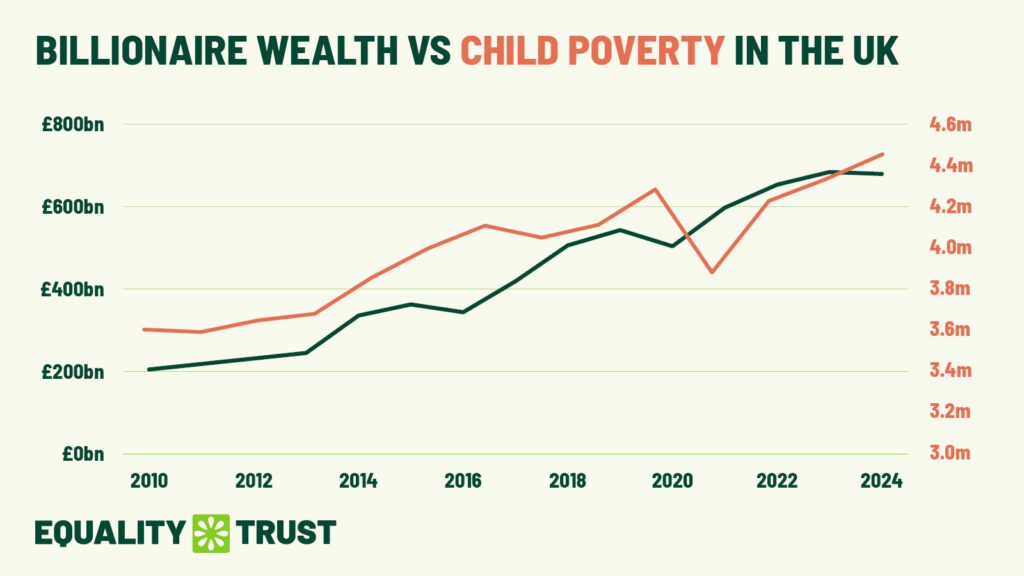
The 2026 Child Poverty Strategy arrived against a backdrop of nearly fifteen years of worsening social indicators. Since 2010, the United Kingdom has occupied an anomalous position among advanced economies. While many European nations successfully implemented policies to reduce or stabilize child poverty rates, the UK witnessed a steady and aggressive climb. By the start of 2025, official statistics revealed that 4.5 million children—equivalent to one in three—were living in poverty. Perhaps more distressing was the finding that nearly 20% of UK children resided in households experiencing consistent food insecurity, a metric that has placed the UK at the bottom of various UNICEF and OECD rankings for child well-being.
The current government’s strategy, released in December 2025, explicitly frames this crisis as a "moral, economic, and public-services failure." By linking the current state of the nation to policy choices made after 2010—specifically austerity measures and the "hostile environment" for welfare claimants—the strategy sets a bold long-term goal to "end child poverty" entirely, with a specific mandate to achieve significant reductions within the current parliamentary term.
Chronology of Reform: From Strategy to Analysis
The timeline of this legislative shift began in late 2024, following a series of high-profile reports from organizations like the Joseph Rowntree Foundation and The Equality Trust, which highlighted the "scarring effects" of childhood deprivation on the UK’s long-term productivity.
In December 2025, the government formally published the Child Poverty Strategy. This was followed by the January 13, 2026, Public Policy Exchange event, where the strategy’s mechanics were scrutinized by civil society leaders. Finally, on January 19, 2026, The Equality Trust released a formal briefing based on Sahni-Nicholas’s analysis, providing a roadmap for how the strategy must evolve if it is to achieve structural change.
Assessing the Policy ‘Wins’: A Shift in Ideology
The 2026 strategy marks a departure from previous administrations by moving away from the "individual failure" narrative. Sahni-Nicholas identified several key areas where the government has successfully reframed the debate:
The End of the Two-Child Limit
The most significant policy lever within the strategy is the total abolition of the two-child limit on benefit payments. Economists estimate this single move will lift approximately 450,000 children out of relative poverty. For over a decade, this policy had been criticized for disproportionately penalizing larger families and entrenching inequality among minority ethnic groups and specific religious communities.

Reimagining Lived Experience
In a move praised for its inclusivity, the government integrated the "Changing Realities" initiative into its policy-making process. By inviting parents with direct experience of the welfare system to help design the strategy, the government moved beyond tokenism. This involvement shifted the focus toward the "mental load" of poverty, addressing not just the lack of funds but the stigma and insecurity that erode the dignity of low-income families.
Addressing the Costs of Essentials
The strategy recognizes that "in-work poverty" is the modern face of UK deprivation. To combat this, the government has introduced a suite of measures, including:
- The expansion of free school meals to all primary students.
- The national rollout of "breakfast clubs" in high-deprivation areas.
- Capping the cost of school uniforms.
- Significant expansion of subsidized childcare to remove barriers to employment.
The Inequality Lens: Wealth as the Missing Pillar
Despite the significant progress in income redistribution, The Equality Trust argues that the strategy suffers from a critical blind spot: the omission of wealth inequality. In her address, Sahni-Nicholas noted that the word "wealth" does not appear once in the strategy’s primary diagnosis or its metrics for success.
This omission is significant because poverty does not exist in a vacuum; it is the inevitable byproduct of an economy where assets and resources are increasingly concentrated at the top. The Equality Trust points to the work of economist Thomas Piketty, specifically the "r > g" formula—the observation that returns on capital (wealth) grow faster than the economy as a whole (wages).
When a strategy focuses solely on wages and benefits, it ignores the fact that families with identical incomes can have vastly different life outcomes based on their assets. A family with access to intergenerational wealth, housing equity, or savings has a safety net that a family reliant solely on Universal Credit does not. By ignoring the concentration of wealth, the government is essentially attempting to "empty a bath while the taps are still running."
Supporting Data: The Taxation Disparity
A key component of the Equality Trust’s analysis is the fiscal structure that supports the welfare state. Currently, the majority of government revenue is derived from income tax—levied on work and wages. However, wealth and returns on assets grow at a faster rate than the general economy but are taxed at significantly lower rates.
Data from 2025 indicates that the gap between the UK’s richest 1% and the bottom 50% has continued to widen. The Equality Trust argues that for a child poverty strategy to be sustainable, it must be funded by progressive wealth taxes rather than solely relying on the growth of a wage-based economy. Without fiscal reform that targets unearned wealth, the investment required for public services will always be vulnerable to economic downturns.
The Power Dimension: Structural Barriers to Opportunity
Beyond income and wealth, Sahni-Nicholas highlighted "power" as the unspoken dimension of the strategy. The document speaks frequently of "opportunity" and "life chances," but it avoids a confrontation with the corporate and political structures that produce poverty.

History provides a precedent for a more radical approach. Between 1945 and 1979, the UK saw its most dramatic reduction in inequality. This was not an accident of growth but a result of deliberate power-shifting policies:
- The creation of the National Health Service (NHS), de-linking health from wealth.
- Massive investment in social housing, providing security outside of the private rental market.
- Strong trade union protections that ensured a larger share of corporate profits went to workers.
- Progressive taxation that capped extreme wealth at the top.
The 2026 strategy, while corrective, does not yet seek to reshape the economic model in this transformative way. It treats child poverty as a problem to be managed at the margins of the system rather than a fundamental flaw in the system’s design.
Broader Impact and Future Implications
The Equality Trust’s briefing concludes that the 2026 Child Poverty Strategy should be viewed as a "floor," not a "ceiling." To move from poverty reduction to the total eradication of child deprivation, the next phase of government action must include several key components:
- Binding Legislative Targets: A ten-year ambition requires more than just goodwill; it needs transparent reporting and political consequences if milestones are missed.
- Cross-Departmental Accountability: Poverty is not just a concern for the Department for Work and Pensions (DWP). It requires a "health-in-all-policies" approach that involves Education, Housing, and the Treasury.
- Housing Reform: With housing costs being a primary driver of poverty, any long-term strategy must include rent controls and a massive increase in social housing stock to reduce the "poverty premium" paid to private landlords.
- Wealth Tax Integration: Integrating assets and intergenerational transfers into the poverty metrics will allow the government to target the structural causes of inequality rather than just the symptoms of low income.
Official Responses and Stakeholder Reactions
While the government has defended the strategy as a "pragmatic and affordable" roadmap, other stakeholders have echoed the Equality Trust’s concerns. Local government leaders in Northern England and the Midlands have pointed out that "spatial inequality"—the geographical concentration of poverty—requires more than national policy; it requires a radical devolution of funding to allow local authorities to address specific regional needs.

The consensus among social policy analysts is that the 2026 strategy is a "necessary corrective" that reverses the most harmful policies of the austerity era. However, the "bottom line" remains clear: we cannot end child poverty without confronting the power structures and wealth inequalities that sustain it. As the strategy enters its implementation phase throughout 2026, the pressure on the government to tell a "bolder story" about children’s rights and economic justice is expected to intensify.