Centuries of colonial assimilationist policies have sought to erase, homogenize, and subjugate Indigenous populations across the globe. Yet, self-governance among Indigenous Peoples remains a vibrant, evolving reality. While nations and tribal communities worldwide employ diverse mechanisms for self-determination, they share a fundamental philosophy: an inseparable link among community, culture, and territory, underpinned by a collective vision of life and the ethical exercise of power. For millions of Indigenous citizens, sovereignty does not originate from statutory law; rather, it is anchored in generational memory, daily administrative practice, and the continuous preservation of ancestral ways of organizing human society.
The Foundations of Indigenous Autonomy
Self-determination is not a privilege granted at the discretion of the nation-state; it is the legal and moral recognition of a collective right that existed long before codification. Autonomy manifests through practices transmitted across generations, frequently preserved via oral traditions where dialogue, communal consensus, and holistic reconciliation dictate decision-making processes. Within this framework, governance is synonymous with caring for the collective welfare, maintaining a harmonious relationship with the ancestral territory, ensuring community safety, and exercising leadership as a public trust.
Historically, colonizing nation-states attempted to dismantle these indigenous organizational structures to enforce a singular, homogenized identity, language, and legal code. Despite sustained efforts—ranging from forced boarding schools to land dispossession—total eradication failed. Across Abya Yala (the Americas), the traditional community assembly endures as the primary forum where ideas circulate and decisions are ratified collectively. Unlike Western electoral models often driven by political parties and campaign financing, Indigenous leadership selection is rooted in a candidate’s verified track record of service to the community. Assuming a communal position entails a permanent, uncompensated responsibility and strict accountability to the populace.
Complementing the assembly model, many Indigenous communities rely on Councils of Elders. These advisory bodies guide younger generations, earning their authority not merely through advanced age, but through peer recognition, proven public service, and lived wisdom.
Historical Context and Chronology of State Relations
The friction between Indigenous governance systems and modern state apparatuses is rooted in centuries of imperial expansion and legal subordination.
- Pre-Colonial Era: Indigenous Peoples operated sovereign political, legal, and economic systems tailored to their local ecosystems, utilizing customary laws and territorial stewardship.
- 15th to 19th Centuries: European colonial powers imposed foreign legal frameworks, land tenure systems, and governance models designed to extract resources and assimilate native populations.
- Late 20th Century: A global Indigenous rights movement gained momentum, leading to landmark international instruments such as the International Labour Organization (ILO) Convention 169 in 1989.
- 2007: The United Nations General Assembly adopted the United Nations Declaration on the Rights of Indigenous Peoples (UNDRIP), establishing a universal framework of minimum standards for the survival, dignity, and well-being of Indigenous Peoples worldwide.
- Present Day: Indigenous communities navigate complex dual realities, balancing traditional self-governance with partial, often conditional state-sanctioned autonomy frameworks.
Contemporary Case Studies: Mexico, Northern Europe, and Aotearoa
The persistence of Indigenous self-governance is well-documented across multiple continents, demonstrating adaptability in the face of contemporary administrative hurdles.
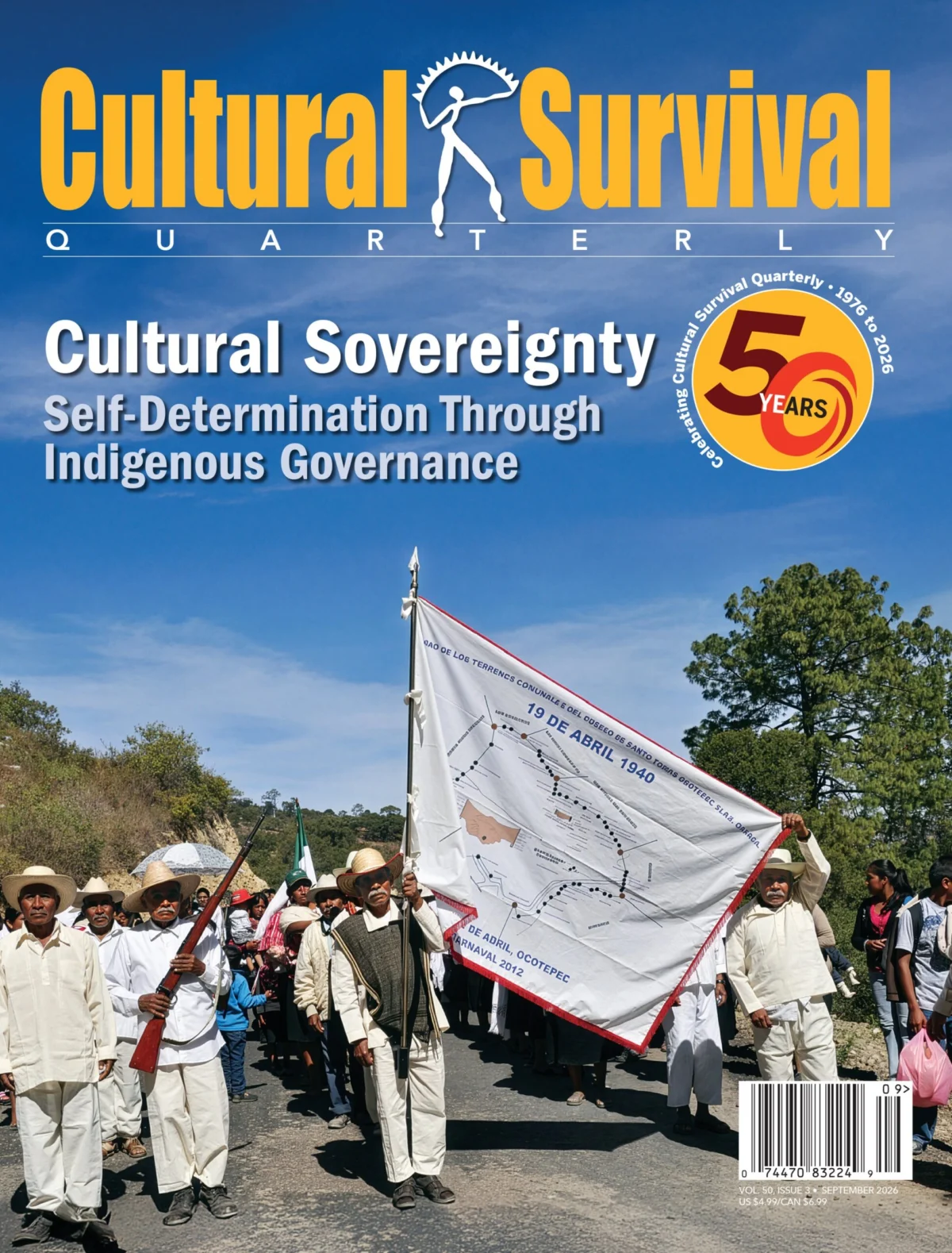
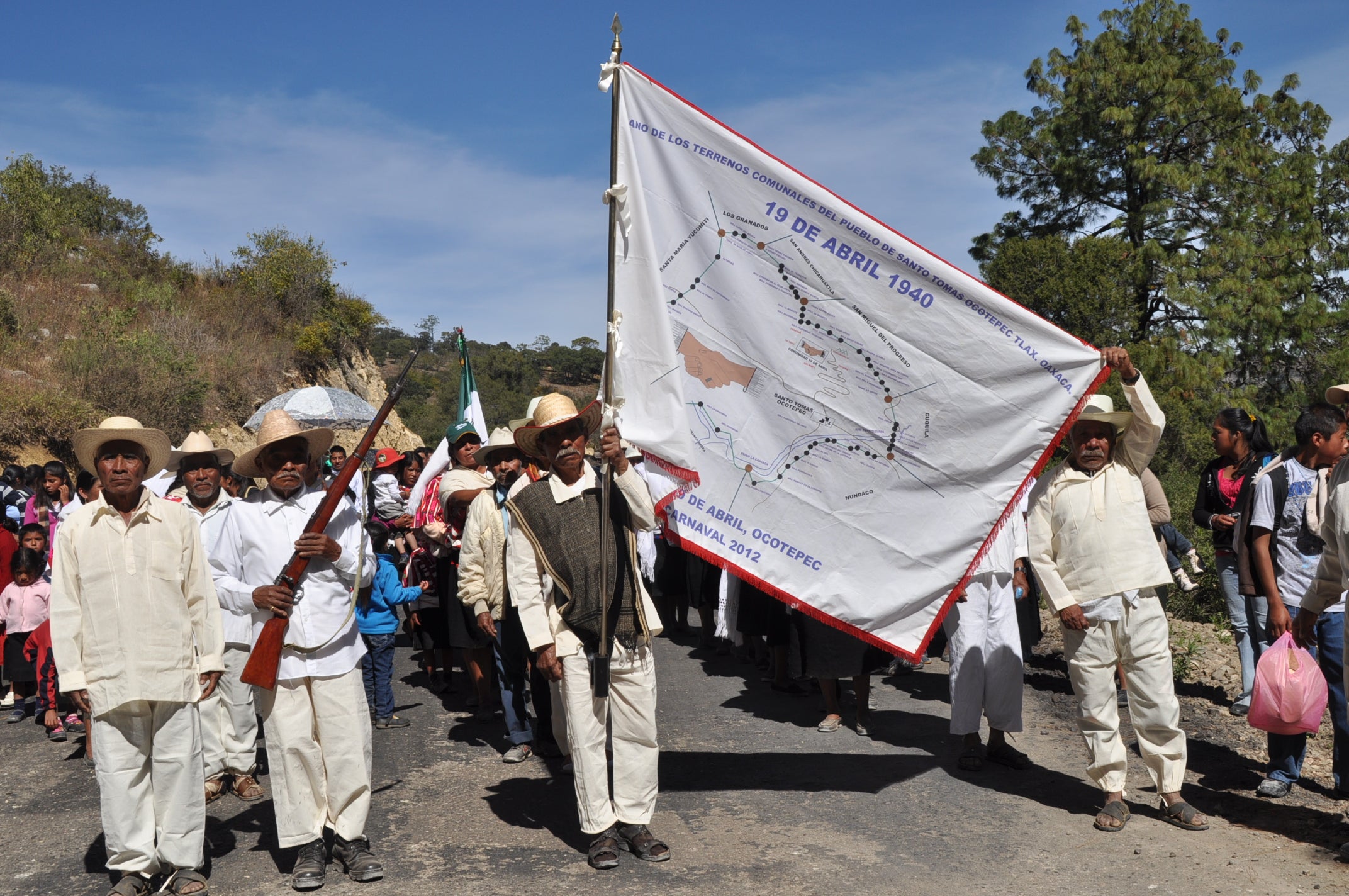
In Mexico, particularly in the state of Oaxaca, municipal governance is heavily decentralized through traditional legal regimes. Data from the Oaxaca State Electoral and Citizen Participation Institute indicates that 417 of the state’s 570 municipalities operate under Indigenous regulatory systems (usos y costumbres). In these regions, such as among the Ñuu Savi communities, assemblies elect leaders, determine public works, and enforce community-based accountability without reliance on state political parties. Communal property authorities manage agrarian resources, reinforcing the symbiotic relationship between governance and land stewardship.
In Northern Europe, the Sápmi Peoples of Norway, Sweden, and Finland have established institutional representation through Sami Parliaments. Founded between 1989 and 2000, these legislative and consultative bodies provide platforms for dialogue with respective national governments regarding cultural preservation, language rights, and territorial management. While falling short of full sovereignty, the Sami Parliaments have successfully influenced regional policy and initiated historical truth and reconciliation processes to address past assimilation abuses.
Conversely, in Aotearoa (New Zealand), the Māori experience highlights the contentious nature of power redistribution. Māori proposals for co-governance and shared decision-making regarding natural resources have frequently faced political backlash from conservative factions, who label these equity measures as "ethnic elitism" or preferential treatment. Despite parliamentary representation, debates persist over whether legislative presence translates into substantive self-determination.
Structural Obstacles, Financial Dependency, and Gender Dynamics
Putting Indigenous self-governance into practice remains fraught with systemic barriers. State policies frequently approach Indigenous communities through a paternalistic, welfare-oriented lens focused on bureaucratic compliance rather than genuine self-determination.
Furthermore, the fiscal mechanisms established by nation-states often exacerbate power imbalances. When governments allocate state funding to Indigenous entities for administrative functions, it can create financial dependency and internal friction. Access to public resources has, in some instances, triggered disputes over fund administration, fostering localized corruption and weakening the social fabric of communities.
Gender dynamics within local governance also present ongoing challenges. While women are foundational to community survival and administration, efforts to increase their formal political participation frequently fail to account for structural inequities. Women often shoulder disproportionate burdens—managing community roles alongside intensive domestic responsibilities—while facing patriarchal resistance, exclusion, and, in severe cases, targeted violence. State policies have generally neglected to address these underlying barriers, shifting administrative duties onto women without reforming the structural conditions of inequality.
Environmental Pressures and Territorial Conflicts
The integrity of Indigenous governance is inextricably linked to territorial security. Today, ancestral lands face intense commercial pressures from extractive industries, including mining, monoculture agribusiness, water and land grabbing, and large-scale real estate and tourism developments.
These incursions have intensified socio-environmental conflicts, leading to widespread dispossession, the criminalization of activists, and heightened security risks for environmental and land defenders. Because political participation within state institutions remains constrained, Indigenous authorities often find that their presence in legislative or consultative bodies does not grant them veto power over destructive industrial projects approved by national governments.
Fact-Based Implications and Outlook
The tension between state legal frameworks and Indigenous governance models points to a broader structural crisis regarding pluralism within modern democracies. Experts and human rights advocates note that partial recognitions—often categorized by states as mere "local customs" or "traditions"—serve to diminish Indigenous systems, relegating them to subordinate legal tiers.
Naming practices hold profound political implications. By defining Indigenous governance structures as folklore rather than formal systems of government, states historically justified their exclusion from constitutional power. The ongoing advocacy by Indigenous Peoples to have their governance systems formally recognized as legitimate governments represents a fundamental demand for political equality.
Ultimately, the continuity of communities like the Ñuu Savi, Sápmi, and Māori demonstrates that self-governance is not an artifact of history, but a dynamic, living practice. Fully realizing Indigenous rights requires a fundamental transformation in how modern nation-states conceptualize power, territorial management, and human community—shifting from models of assimilation and control toward frameworks where cultural difference serves as the foundation for a shared, equitable future.