In the fertile landscapes of the Western Cape, a quiet cultural renaissance is reshaping the historical narrative of South Africa’s Paarl Valley. For generations, the deep-seated heritage, oral histories, and linguistic roots of the Khoikhoi—recognized widely as the region’s First Peoples—have been overshadowed, suppressed, or outright erased by centuries of colonial policies and subsequent racial classifications. However, a transformative community media initiative known as Sida Dommi (meaning "Our Voice" or "Ons Stem" in local dialects) has fundamentally altered this trajectory. Spearheaded by community radio station Radio KC 107.7 MHz and bolstered by critical funding from Cultural Survival’s Indigenous Community Media Fund, this ten-month project has successfully breathed new life into the region’s indigenous identity, offering a powerful platform for descendants to reclaim, document, and broadcast their authentic histories.
The inception of Sida Dommi addresses a profound historical void. In regions like the Paarl Valley, where the descendants of indigenous populations were systematically marginalized and absorbed into broader, often racially homogenized categories under apartheid and colonial rule, the documentation of local Brown and indigenous communities remains shockingly sparse. This dearth of written history places an immense burden on oral traditions and collective memory. Recognizing this vulnerability, Radio KC designed an intensive community media and cultural immersion project to capture the lived experiences, generational wisdom, and ancestral memories of families spanning the valley, ensuring that these invaluable narratives are preserved for posterity rather than lost to time.
A Multifaceted Approach: Bridging Technical Training and Emotional Healing
At its core, Sida Dommi was envisioned as a technical media training program. Over the course of nearly a year, twenty carefully selected participants—representing a diverse cross-section of the local demographic including community Elders, passionate youth, heritage workers, local activists, and members of the 2SLGBTQ+ community—were equipped with the tools of modern journalism, audio production, and field recording. Yet, organizers quickly realized that true storytelling could not happen in a vacuum. Before these individuals could effectively record the stories of others, they had to confront and process their own complex relationships with their heritage.
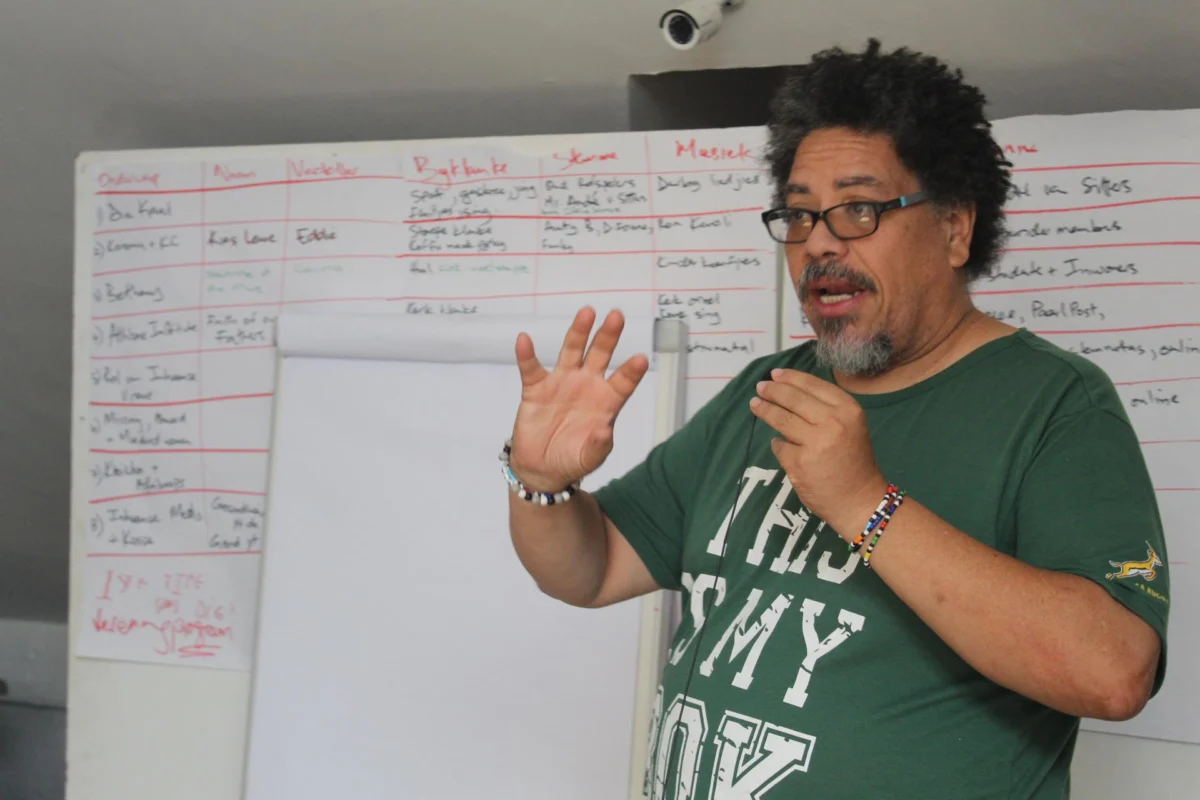
To achieve this, the project integrated deep cultural and emotional workshops led by renowned cultural practitioners Denver Toroga Breda and Basil Coetzee. These sessions introduced participants to foundational elements of Khoikhoi language revitalization, indigenous identity markers, and decolonized frameworks of thought. A pivotal moment in the initiative occurred during a needs assessment workshop held at the Manyano Centre. There, Coetzee’s eye-opening presentations regarding false historical narratives, paired with Breda’s instructional modules on linguistic awareness, catalyzed a wave of profound, highly emotional, and ultimately healing conversations among attendees.
For many participants, the workshops served as a safe, supportive space to confront the deep-seated psychological trauma stemming from historical racial classification, systemic erasure, and cultural suppression. Organizers noted that these sessions were instrumental in helping individuals peel back decades of imposed shame, enabling them to reflect on their lineages with renewed clarity, dignity, and pride.
Chronology and Practical Challenges: Navigating Obstacles Along the Way
The path to completing Sida Dommi was far from straightforward, marked by both logistical hurdles and profound cultural roadblocks. The project’s ten-month timeline tested the resilience of both the organizers and the participants.
In the early stages, the initiative faced internal adjustments, including initial misunderstandings regarding budgetary allocations and the structuring of individual responsibilities. These growing pains were further compounded by organizational shifts within Radio KC itself, most notably the departure of the station manager at the close of 2025. Despite these administrative bumps, the station’s leadership and the dedicated project team managed to restructure their operations efficiently, ensuring that the core mission remained entirely uninterrupted.
Beyond administrative hurdles, the project encountered deep-seated societal challenges rooted in South Africa’s complex racial history. Because formal academic documentation of indigenous Khoikhoi heritage in the Paarl Valley is exceptionally scarce, the project relied almost entirely on the fragile threads of oral history. Furthermore, identity debates frequently surfaced among participants. While some individuals embraced their Khoi lineage with immediate pride, others wrestled with persistent identity crises—a direct psychological legacy of historic government policies that forced indigenous and mixed-heritage populations into rigid, often derogatory racial categories. Despite these friction points, the collaborative nature of the project provided a vital sanctuary for dialogue, transforming potential divisions into collective solidarity.
Rich Content and Production Outcomes: From Field Research to Broadcast Waves
The culmination of ten months of intensive research, emotional processing, and technical training is a robust series of eight documentary episodes. These broadcasts draw directly from community-led investigations, ensuring that the topics addressed reflect the genuine concerns, interests, and realities of Paarl Valley residents.
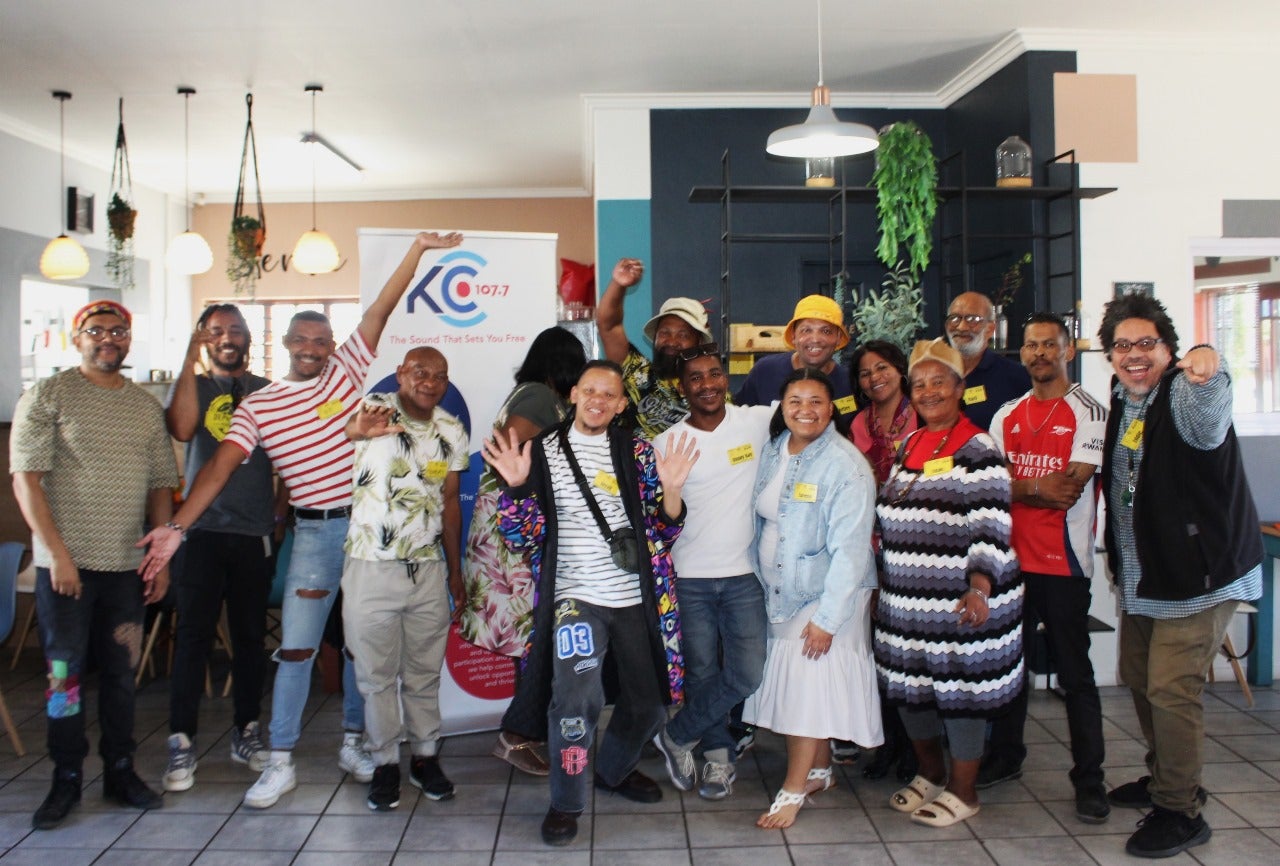
The documentary series covers a comprehensive spectrum of crucial subjects, including:
- The ongoing pursuit of land justice and indigenous land rights
- Grassroots initiatives for language revival and preservation
- Intimate, reflective storytelling featuring local community Elders
- Pathways to healing from historical and colonial trauma
- The preservation and utilization of indigenous medicine
- The cultural significance and intergenerational transmission of Khoikhoi food traditions
These eight completed episodes are slated for a broad multi-platform rollout. In addition to being broadcast on Radio KC 107.7 MHz, the documentaries will air on partner stations Eden FM and Valley FM, alongside various digital and online streaming platforms. Given the sheer breadth of the topics explored—each demanding far more than a single episode can provide—project organizers and participants are already looking ahead. There is a strong consensus that these initial broadcasts represent the foundation for a much larger, ongoing miniseries, with countless more untold stories waiting to be unearthed and shared across the region.
Institutional Partnerships and Broader Community Impact
The resonance of Sida Dommi has already extended far beyond the immediate circle of its twenty participants, sparking a palpable wave of curiosity and renewed appreciation for local heritage across the broader Paarl Valley community. Young people, in particular, have begun actively questioning their ancestral roots, engaging with family elders, and seeking out deeper understandings of their cultural identity.
This grassroots enthusiasm has catalyzed vital institutional partnerships. Throughout the project’s lifecycle, collaboration deepened between Radio KC and several prominent regional entities, including the Paarl Museum, the Afrikaans Language Monument, the Athlone Institute, and various local faith-based organizations. These alliances are crucial for cementing indigenous history into the official educational and cultural landscape of the Western Cape, ensuring that the narratives of the First Peoples are institutionalized rather than marginalized once more.
Participants themselves have offered glowing testimonials regarding the personal and professional impact of the initiative. Sharon Stanfliet described her time in the research and production trenches as a life-altering experience that fundamentally shifted her worldview. John Abrahams commended the unwavering dedication of the collaborative team, expressing a strong desire to partner on future community initiatives. Meanwhile, Laina Settley noted that the project served as a key unlocking the door to her own heritage, instilling a profound sense of hope and forward momentum.
Global Context: The Role of the Indigenous Community Media Fund
The realization of projects like Sida Dommi is made possible through targeted international support mechanisms designed to empower marginalized voices. In 2025, Radio KC was among the proud recipients of a competitive grant from Cultural Survival’s Indigenous Community Media Fund. This vital funding stream is dedicated to fostering journalism, professional broadcasting, audio engineering, and technical capacity-building for indigenous communities globally.
During the 2025 funding cycle, Cultural Survival distributed a total of $502,000 across 63 distinct indigenous communication projects. These grants directly benefit Indigenous Peoples in 29 countries spanning the globe, including South Africa, Botswana, Kenya, the Democratic Republic of Congo, Tanzania, Mali, Bolivia, Brazil, Argentina, Colombia, Ecuador, Peru, Chile, Paraguay, Guatemala, Honduras, Mexico, Nicaragua, Canada, the United States, Bangladesh, Cambodia, India, Indonesia, Nepal, the Philippines, Papua New Guinea, New Zealand, and beyond. This global network underscores the universal struggle for indigenous representation, highlighting how local community media serves as an indispensable tool for cultural survival, self-determination, and historical truth-telling.
Conclusion: Carrying the Torch for Future Generations
In a geographical valley where indigenous voices were systematically silenced, ignored, or actively suppressed for centuries, the Sida Dommi project has successfully reintroduced those vital perspectives into the public sphere. By merging grassroots community media with rigorous historical research and emotional reconciliation, the initiative has fundamentally restored a sense of pride, cultural confidence, and communal belonging among Khoikhoi-descended families in the Paarl Valley.
As the eight documentary episodes hit the airwaves, they carry with them more than just historical facts; they carry the collective heartbeat of a people determined to write their own narrative. Sida Dommi has demonstrated unequivocally that the stories of South Africa’s First Peoples are neither lost nor forgotten—they are being energetically reclaimed, celebrated, and carried forward by a vibrant new generation.