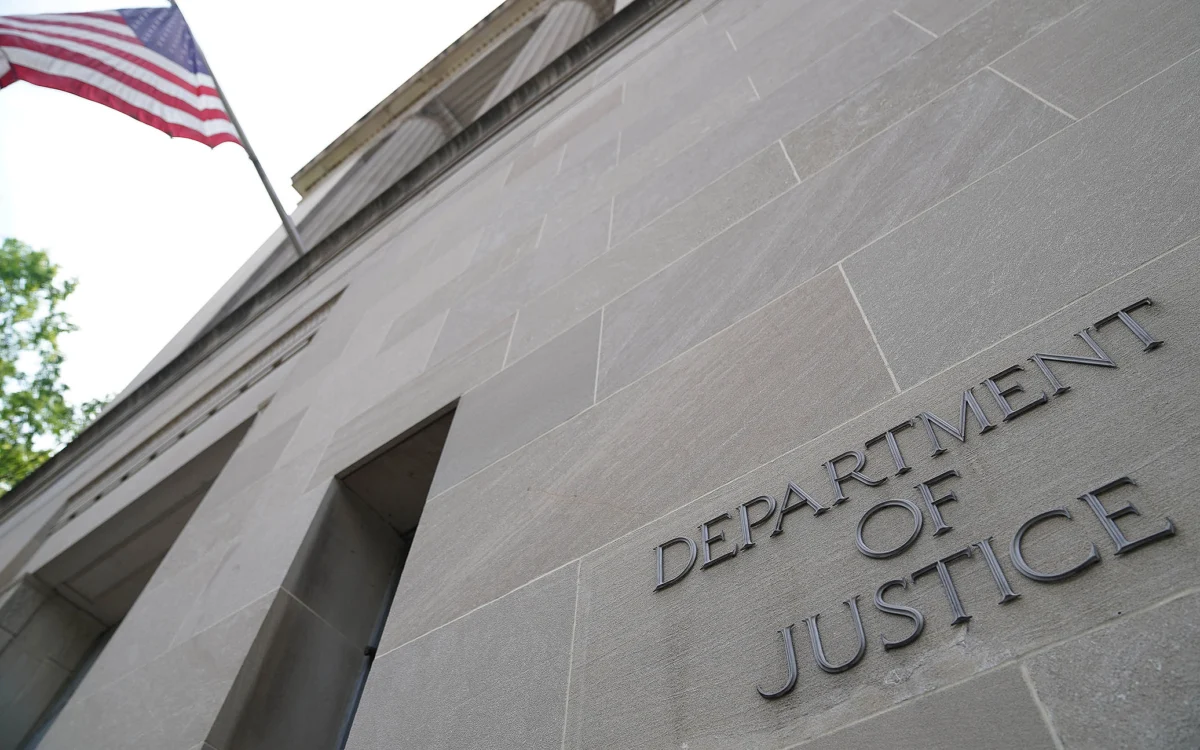
In a significant shift that has sent ripples through the disability rights community, the Trump administration has announced it will no longer rely on long-standing guidance that has been instrumental in enforcing the integration mandate of the Americans with Disabilities Act (ADA) and the landmark Supreme Court decision in Olmstead v. L.C. The U.S. Department of Justice (DOJ) issued a notice Monday clarifying that its foundational guidance on these matters is "not enforceable," a move that critics argue signals a retreat from decades of commitment to ensuring individuals with disabilities can live and participate in their communities.
The directive, signed by Harmeet K. Dhillon, assistant attorney general for civil rights, explicitly states, "The department will not rely upon the Olmstead guidance in its enforcement of Title II of the Americans with Disabilities Act." This pronouncement directly challenges a comprehensive Q&A document first issued in 2011 and last updated in 2020. This document has served as a critical resource, detailing what constitutes the "most integrated setting" for individuals with disabilities, outlining access to community-based services, and providing a framework for implementing the Supreme Court’s 1999 Olmstead ruling. The ruling, a cornerstone of disability rights, affirmed that individuals with disabilities have a right to receive services in the most integrated setting appropriate to their needs, preventing unnecessary institutionalization.
The DOJ’s stated rationale for this abrupt change hinges on a recent Supreme Court decision, Loper Bright Enterprises v. Raimondo, which addresses how courts should interpret agency guidance. Officials indicated plans to "revisit" the Olmstead guidance in light of this decision, aiming to determine its consistency with the "single, best meaning" of the ADA. However, the DOJ’s notice also acknowledges that the Q&A document itself contains language indicating its non-binding nature. "Despite the non-enforceable nature of the Olmstead guidance, numerous courts have treated the Olmstead guidance as authoritative," the notice stated. "The department is concerned about confusion over the non-enforceable nature of the Olmstead guidance and issues this clarification that the Olmstead guidance is not enforceable."
This development follows closely on the heels of a controversial memo issued by the DOJ’s Office of Legal Counsel in June, which asserted that neither the ADA nor Section 504 of the Rehabilitation Act "require states to treat mentally disabled patients in the most integrated setting appropriate to their needs." This stance directly contradicts the established legal interpretations of the Olmstead decision and has been a source of significant alarm for disability advocates and legal experts.
A History of Integration and Enforcement
The Olmstead v. L.C. decision, handed down by the Supreme Court in 1999, was a watershed moment for disability rights in the United States. The case involved two women with mental health disabilities who were unnecessarily institutionalized despite being capable of living in community settings. The Court’s ruling established that the unnecessary segregation of individuals with disabilities in institutions violates Title II of the ADA, which prohibits discrimination on the basis of disability by public entities. This mandate effectively requires states to provide community-based services for persons with mental disabilities, provided such services are appropriate and do not fundamentally alter the nature of the state’s program.
Following the Olmstead decision, the DOJ began issuing guidance to clarify the requirements of the ADA’s integration mandate. The 2011 Q&A document, which is now being de-emphasized, provided detailed explanations and practical advice for states and localities seeking to comply with the ruling. This guidance covered a broad spectrum of issues, including the definition of "integrated setting," the criteria for accessing community-based services, and strategies for transitioning individuals from institutional settings to community living. It also informed subsequent DOJ guidance on related matters, such as employment for people with disabilities and the prevention of discriminatory practices in vocational settings, often referred to as "sheltered workshops."
The fact that the Trump administration’s DOJ updated this very guidance in 2020, only to now declare it unenforceable, adds a layer of complexity and concern. This apparent reversal raises questions about the administration’s evolving stance on disability rights and its commitment to established legal precedents.
Expert Reactions and Implications
Legal scholars and former government officials have expressed profound concern over the DOJ’s decision, viewing it as a significant setback for the disability rights movement. Alison Barkoff, a professor at George Washington University who previously oversaw the development of the Olmstead guidance as a special counsel for Olmstead enforcement at the DOJ, stated, "The Department of Justice’s Olmstead guidance reflects the overwhelming consensus of courts in their interpretation of the requirements under the Americans with Disabilities Act and Section 504, their implementing regulations, and the Supreme Court’s decision in Olmstead v. L.C." She added, "Today’s notice from DOJ that it will no longer rely on the guidance is further evidence of their backing away from a decades-long commitment to enforcing the rights of people with disabilities to live and participate in their communities."
Regan Rush, a former chief of the special litigation section at the DOJ’s Civil Rights Division and currently tracking policy changes, emphasized the historical significance and reliability of the Olmstead guidance. "That guidance has stood the test of time. It is grounded in decisions by courts across the country and has been relied upon by states and the federal government alike since 2011," Rush said. "States that follow DOJ’s cue and abandon their integration efforts risk violating the rights of people with disabilities, and they will have to answer for it in courts that have upheld Olmstead for decades."
Jennifer Mathis, who served as deputy assistant attorney general for the Civil Rights Division under the Biden administration and is now deputy director at the Bazelon Center for Mental Health Law, echoed these sentiments, highlighting the potential for increased confusion and legal challenges. "The Justice Department’s notice is likely to create further uncertainty and confusion among stakeholders in the wake of DOJ’s June memo saying that there is no integration mandate," Mathis stated. "Neither of these things has the force of law, but they appear designed to undermine the rights of people with disabilities to live in their own homes and communities. The disability community will continue to fight these attacks on their hard-won rights."
The implications of this move are far-reaching. By disavowing the Olmstead guidance, the DOJ appears to be signaling a reduced emphasis on enforcing community integration mandates. This could embolden states and localities to curtail or slow down efforts to deinstitutionalize individuals with disabilities, potentially leading to continued reliance on segregated settings and institutional care. Advocates fear that this could reverse decades of progress and disproportionately impact individuals with mental health disabilities, developmental disabilities, and other complex support needs.
Broader Context and Potential Legal Challenges
The DOJ’s decision to step away from the Olmstead guidance occurs within a broader context of legal and political shifts regarding administrative law and the power of federal agencies. The Supreme Court’s increasing scrutiny of regulatory interpretations, as exemplified by Loper Bright Enterprises v. Raimondo, suggests a potential trend towards limiting the deference given to agency guidance documents.
However, legal experts caution that simply labeling guidance as "non-enforceable" does not erase existing legal obligations. The Olmstead decision itself remains binding Supreme Court precedent, and the ADA and Section 504 of the Rehabilitation Act continue to require integrated community-based services. The DOJ’s action may create a vacuum in enforcement priorities, but it does not alter the fundamental legal rights of individuals with disabilities.
The DOJ’s notice that it will no longer rely on the Olmstead guidance could lead to several potential outcomes:
- Increased Litigation: Advocates and individuals with disabilities may face a greater need to pursue legal action to enforce their rights, relying on existing court decisions and the Olmstead ruling itself, rather than DOJ enforcement actions based on the guidance.
- State-Level Uncertainty: States that have been actively working to comply with Olmstead and have relied on DOJ guidance may experience confusion about their obligations and the federal government’s enforcement posture. This could lead to a patchwork of compliance efforts across the country.
- Reduced Federal Oversight: The withdrawal of enforcement reliance on the guidance suggests a potential decrease in proactive federal oversight and technical assistance aimed at promoting community integration.
- Shift in Advocacy Focus: Disability advocacy groups will likely intensify their efforts to educate the public, lobby lawmakers, and support litigation to protect the rights established by Olmstead.
Despite the lack of direct response to inquiries about these changes, the DOJ’s actions signal a significant departure from established policy. The disability community, which has fought for decades to secure the right to live in the community and participate fully in society, is bracing for the potential consequences of this shift and reaffirming its commitment to defending these hard-won rights. The coming months and years will likely reveal the true impact of this decision on the lives of millions of Americans with disabilities.