
Community sponsorship of refugees is rooted in the simple, powerful idea that ordinary Americans can play a pivotal role in welcoming newcomers and facilitating their integration into society. This model, which bridges the gap between official government resettlement programs and the immediate, human needs of displaced families, has seen a significant evolution over the past four years. While HIAS—the global Jewish nonprofit organization—has been at the forefront of this movement for over 140 years, the modern iteration of community sponsorship has transformed into a sophisticated, volunteer-driven infrastructure that provides not just material aid, but a crucial sense of belonging to those navigating the complexities of a new life.
The concept traces its origins back to the late 19th century when the American Jewish immigrant community organized to assist those fleeing systemic violence and persecution in Eastern Europe. Today, that legacy has been modernized. By pairing volunteer groups directly with refugee families, organizations like HIAS and their resettlement partners, such as JCFS Chicago and JFCS East Bay, have created a sustainable framework that addresses the social isolation and logistical hurdles that often plague newly arrived populations.
A Chronology of Crisis and Response
The resurgence of community sponsorship in the United States was largely catalyzed by the massive humanitarian crises of the early 2020s. Following the 2021 U.S. withdrawal from Afghanistan, the country saw an influx of approximately 80,000 Afghan evacuees. This "all-hands-on-deck" moment necessitated an immediate scale-up in resettlement capacity that traditional government infrastructure struggled to meet alone.
In 2022, the landscape shifted once more following the full-scale Russian invasion of Ukraine. As millions of Ukrainians were displaced, the American public demonstrated a heightened desire to engage in direct aid. During the period between 2021 and 2024, under the Biden administration, community sponsorship was institutionalized as a core component of the U.S. Refugee Admissions Program (USRAP). This era allowed for a "public-private partnership" model, where government agencies provided the framework, and civil society provided the human capital.
However, the political landscape remains fluid. As of 2025, the new Trump administration has significantly curtailed the U.S. refugee program, implementing sharp reductions in admissions and narrowing the pathways to safety. This policy shift has created a dual-track reality: while new arrivals are facing fewer entry opportunities, the thousands of refugees who were processed and settled prior to these restrictions remain in a vulnerable state, relying heavily on the established volunteer networks that were solidified during the previous expansion.
The Human Dimension of Resettlement
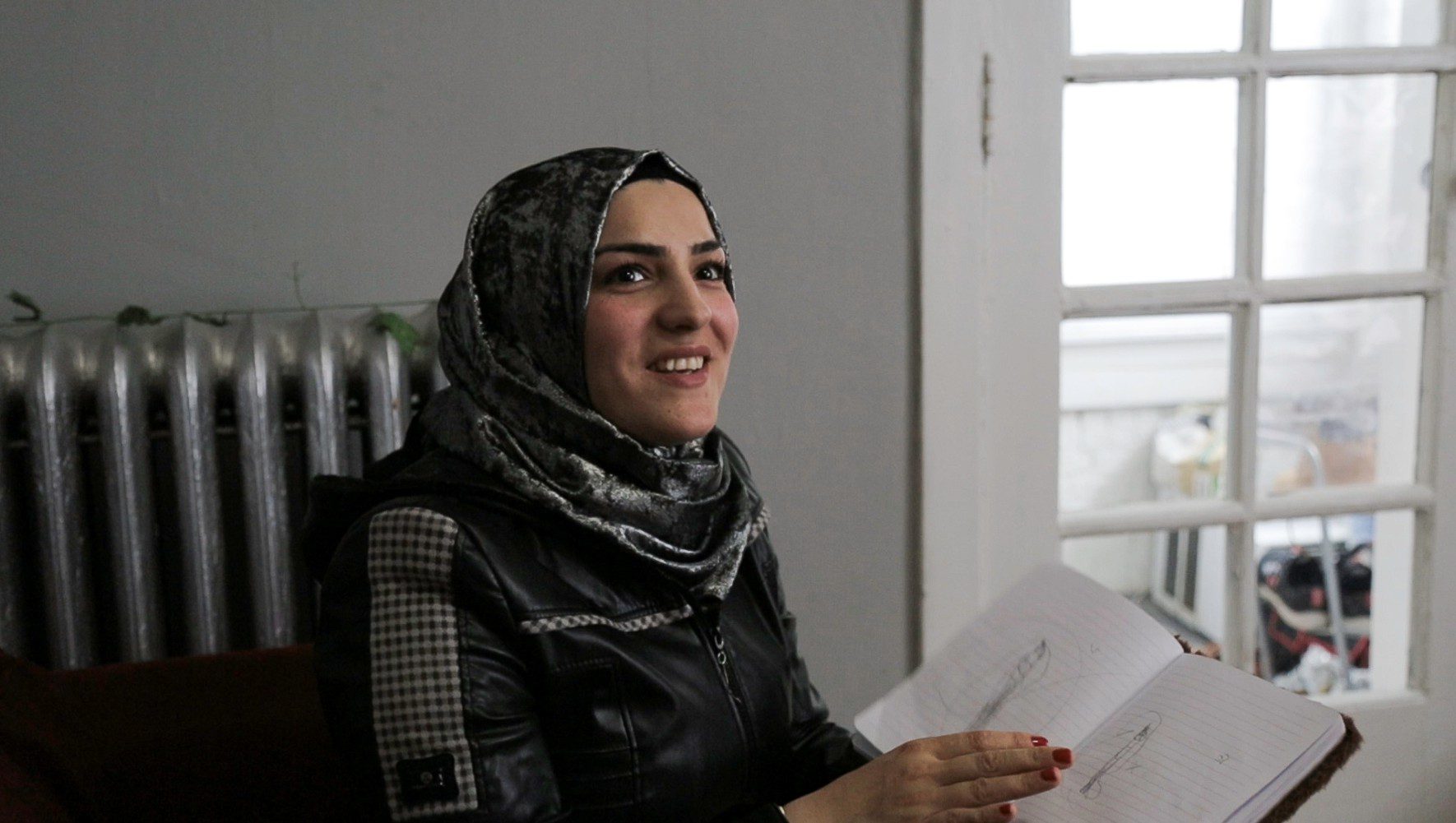
For families like Alaa and Hussam, a Syrian couple who spent over a decade in Turkey before their eventual resettlement in Chicago, the journey was marked by profound instability. "There was no way to stabilize psychologically" while living in limbo, Alaa noted. Upon arriving in the United States, they were forced to "start over from zero."
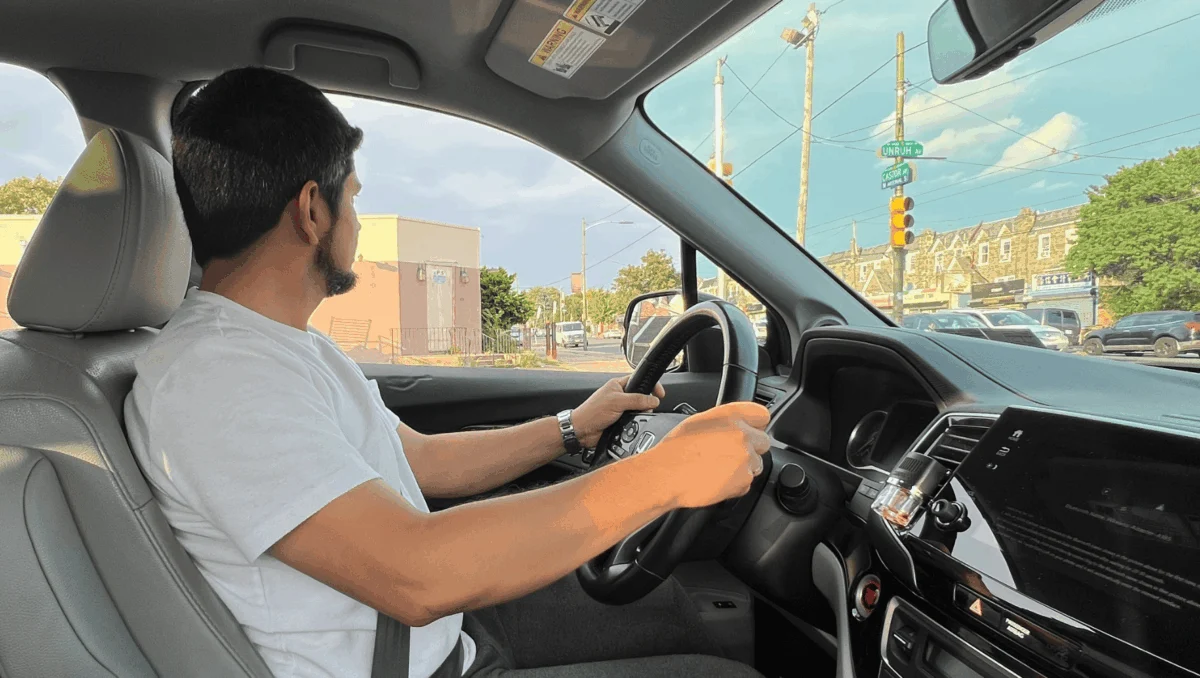
The intervention of community sponsors changed the trajectory of their integration. Volunteers, such as Tom—who was inspired by his own family’s history with HIAS—provided more than just household goods. They provided a roadmap for navigating American life, from opening bank accounts and enrolling children in summer programs to providing the emotional assurance that the family was not alone.
This experience is echoed in the case of Omid, an Afghan refugee resettled in California. His story highlights the critical role of volunteers in handling complex, high-stakes scenarios. When Omid’s mother was diagnosed with cancer shortly after their arrival, the support provided by his sponsoring volunteers extended into the clinical space. A volunteer’s decision to sit with him for hours at a hospital 50 miles away served as a profound example of the "human touch" that formal caseworkers, often burdened by high caseloads, cannot always provide. As Omid remarked, "I didn’t feel like I am in a foreign country. I felt I am in my own country."
Data and Impact: The Efficacy of the Model
Statistical evidence suggests that refugees supported by community sponsors navigate the resettlement process with greater efficiency. Amal, a case manager with JCFS Chicago, observed that families with active volunteer support demonstrate a faster grasp of local infrastructure, city regulations, and employment systems.
The impact of this model can be categorized into three primary outcomes:
- Accelerated Integration: By having local mentors, refugees bypass the "learning curve" of simple logistical tasks, such as public transport navigation or school enrollment.
- Economic Stability: Volunteers assist with resume building, networking, and interview preparation, which significantly reduces the time it takes for a family to achieve financial self-sufficiency.
- Psychosocial Wellbeing: Perhaps the most vital impact is the mitigation of loneliness. By fostering friendships, the sponsorship model prevents the isolation that often leads to depression and long-term alienation among refugee populations.
Official Responses and Organizational Strategy
HIAS, in collaboration with the Walder Foundation, recently released a comprehensive report detailing the efficacy of these programs. The report emphasizes that while federal policy dictates the volume of refugees, the quality of resettlement is largely determined by local community engagement.
"HIAS’ network of resettlement partners, synagogues, and other community-based groups have fully embraced this model," says Andrea Gagne, HIAS’ Senior Program Manager for Private Sponsorship. "They don’t just have caseworkers; they have friends."
This sentiment is shared by volunteers across the country. Debbie, a volunteer with JFS Metrowest in Massachusetts, views the work through a moral lens: "When my children and grandchildren ask, ‘what did you do when you saw people in pain and people escaping?’ I want to be able to say I took action." For these volunteers, the program is not merely a charitable act, but a commitment to democratic values and the preservation of human dignity in an increasingly polarized political environment.
Implications of Current Policy Shifts
The 2025 reduction in the U.S. refugee program represents a significant departure from the expansionist policies of the previous four years. Analysts suggest that the restriction of these programs will likely lead to a "bottleneck" effect, where those already in the U.S. pipeline face longer wait times, and those still in camps or transit countries find their options for legal entry increasingly closed.
However, the infrastructure built between 2021 and 2024 remains resilient. Resettlement agencies are pivoting to support the existing refugee population, ensuring that those who have already arrived are not left to face systemic barriers without assistance. The focus has shifted toward long-term integration and ensuring that the initial excitement of arrival does not dissipate into long-term struggles with housing and inflation.
Looking Toward the Future
The success of the community sponsorship model has proven that the American public is capable of self-organizing to address humanitarian needs. As Alaa and Hussam continue to build their lives—with Alaa working as a translator and the couple saving for a home—they look toward a future where they can reverse the roles. "We hope that there comes a time when we can return the favor—be volunteers," says Hussam.
This cycle of giving defines the modern history of refugee resettlement. Whether it is the Jewish immigrants who founded HIAS to help their own kin in the late 19th century, or the suburban volunteers of today helping families from Syria and Afghanistan, the principle remains constant: integration is not just a policy—it is a community effort.
As the political climate in Washington continues to fluctuate, the role of civil society becomes even more pronounced. By providing a buffer against administrative changes and offering a personal connection to the newcomers, community sponsorship serves as a vital safeguard for the American tradition of refuge. The challenge for the coming years will be maintaining this volunteer momentum in an era where the federal government may no longer be an active, enthusiastic partner in the process. Yet, as the stories of Tom, Debbie, and their families demonstrate, the drive to welcome the stranger is a deeply rooted impulse that is unlikely to be fully stifled by policy alone.




