
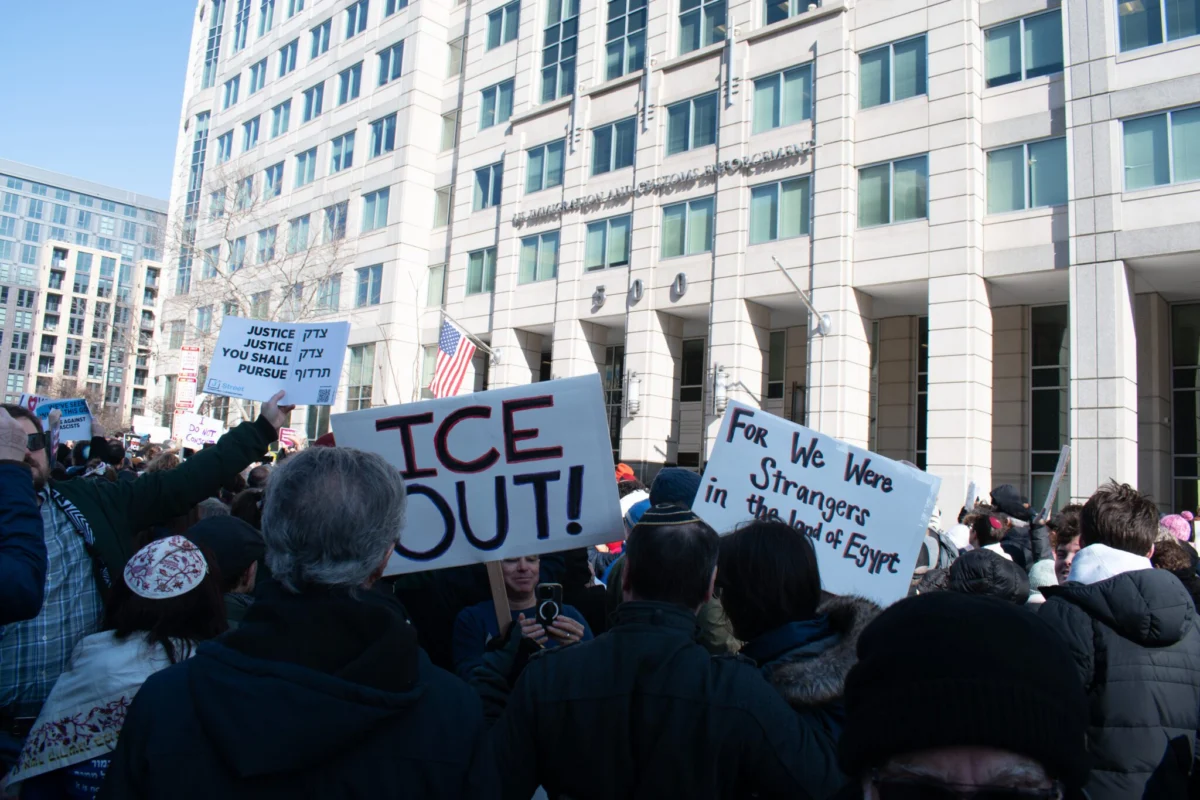
As the Jewish community approaches the High Holidays and the arrival of 5787, the global landscape regarding humanitarian aid and the protection of displaced persons faces a profound existential challenge. For organizations like HIAS, the world’s oldest refugee agency, this period of reflection serves as a critical junction to assess the trajectory of global migration policies and the erosion of international norms regarding the treatment of asylum seekers. In a year marked by systemic shifts in immigration enforcement and a resurgence of nativist rhetoric, the call for humanitarian solidarity has moved from a position of optimism to one of urgent necessity.
The Current Global Context of Displacement
The contemporary climate for refugees is defined by a paradox: as global displacement figures reach historic highs—surpassing 120 million people forcibly displaced worldwide according to recent UN High Commissioner for Refugees (UNHCR) data—the political appetite for hosting these populations in Western nations has reached a nadir. In the United States, the policy environment has shifted toward increased detention and the aggressive curtailment of legal pathways for asylum, a trend that began in earnest over the last several years.
The legislative and executive actions taken recently have dismantled decades-old frameworks that previously governed the processing of refugees. From the systematic stripping of legal status for those who had previously established a foothold in the U.S. to the expansion of mass deportation initiatives, the current administration’s policies have created a climate of instability that affects tens of thousands of families. Experts in international law and humanitarian aid note that these policies often bypass traditional due process, creating a legal vacuum that complicates the ability of non-profits to provide adequate legal defense or humanitarian support.
Chronology of Shifting Immigration Policy
The recent deterioration of the American “culture of welcome” did not occur in a vacuum. A brief retrospective of the last three years illustrates the rapid decline in support for refugee programs:
- 2024–2025: Significant legal challenges emerged against federal executive orders that suspended the U.S. Refugee Admissions Program (USRAP). During this time, legal advocacy groups, including HIAS, mobilized in major cities like Seattle to challenge the constitutionality of these restrictions, achieving temporary injunctions that provided momentary relief.
- Early 2026: The implementation of more restrictive border policies signaled a pivot toward arbitrary detention models. This period marked a transition from a system focused on integration to one centered on deterrence and expedited removal, regardless of the individual’s asylum claims.
- March 13, 2026: During the eighth annual Refugee Shabbat at Temple Israel of Hollywood, advocacy leaders and faith representatives emphasized that the political climate had shifted from policy disagreement to a systemic rejection of human rights standards.
- Late 2026: As of the lead-up to Rosh Hashanah, the focus for humanitarian organizations has transitioned from advocating for expansive policy reform to conducting emergency mitigation—trying to preserve the basic legal rights of those already inside the U.S. borders.
Theological and Historical Frameworks of Advocacy
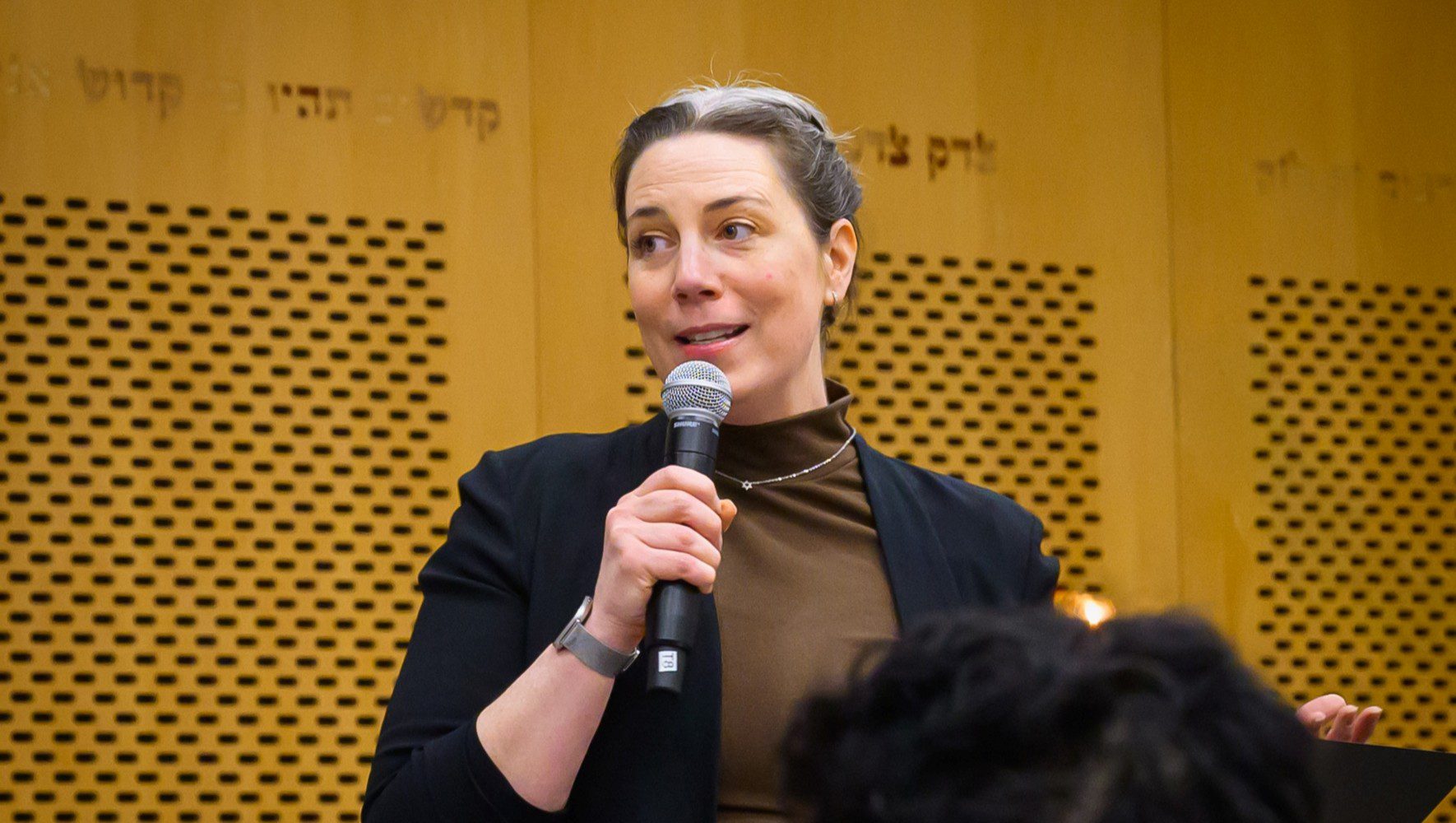
Rabbi Sarah Bassin, HIAS’ Rabbi-in-Residence, notes that the current crisis requires a re-evaluation of the traditional Jewish concept of tikkun olam (repairing the world). Traditionally, tikkun olam was a theological concept that placed the burden of perfection upon the divine. However, modern iterations of the phrase have evolved into a mandate for social action. Critics of this evolution often point to its relatively recent adoption in the 20th century as a social justice framework, arguing it lacks historical precedent.
Yet, supporters of this active interpretation argue that Jewish tradition is inherently iterative. The core principle of lo bashamayim hee—the assertion that the law is not in heaven, but in the hands of human beings—underscores the idea that moral responsibility for the state of the world rests solely with humanity. As Rabbi Bassin posits, the obligation to pursue justice does not evaporate when the path becomes difficult or when the political environment turns hostile. The mandate to "welcome the stranger" is a foundational pillar that persists regardless of the political party in power or the prevailing sentiment of the electorate.
Data and Humanitarian Implications
The logistical impact of these policy shifts is severe. According to internal reporting from refugee aid agencies, the number of individuals seeking legal counsel for asylum has increased by approximately 22% over the last eighteen months, while the available resources to process these claims have been severely restricted.
Furthermore, the trauma associated with the loss of legal status is multigenerational. Families that had integrated into American society, contributing to the labor market and school systems, are now facing sudden displacement. This creates a secondary humanitarian crisis within the borders of the U.S., as individuals who once felt secure are forced back into the shadows. The economic implications are equally significant; the disruption of stable lives leads to a loss of human capital and places additional strain on the social safety nets that remain.
Official Responses and Organizational Stances
Organizations like HIAS have maintained a consistent position: the protection of the refugee is a non-negotiable moral duty. In response to the current administration’s policies, HIAS and its partners have issued statements calling for the restoration of the U.S. asylum system, citing international obligations under the 1951 Refugee Convention.
Other faith-based organizations, including various denominations of Christianity and Islam, have aligned with this position, forming an interfaith coalition that lobbies for the preservation of human rights. These organizations argue that the erosion of democratic institutions in the U.S. is directly linked to the treatment of the most vulnerable populations. When due process is stripped from asylum seekers, they argue, it sets a precedent that can eventually be applied to any citizen, thereby weakening the democratic fabric of the nation.
The Path Forward: Spiritual and Political Resilience
As the High Holidays approach, the message being disseminated by advocacy groups is one of "spiritual chutzpah." This is defined as a resilience that exists independently of political outcomes. The goal is to sustain the work of welcoming refugees even when legislative victories seem unlikely or when public opinion is polarized.
The strategy for the coming year is twofold:
- Direct Assistance: Providing immediate legal and humanitarian aid to those affected by mass deportation and the stripping of status.
- Long-term Advocacy: Educating the public on the history of refugee protections and the necessity of maintaining a robust, fair immigration system that respects human dignity.
The task of "turning the ship around" will, by most estimates, take years of sustained legal and grassroots effort. Experts emphasize that the technical process of repairing the immigration system is only half the battle; the more significant challenge lies in restoring public faith in the promise of the United States as a sanctuary. Rebuilding this faith will likely require decades of consistent, transparent, and compassionate policy implementation.
Conclusion
The confluence of the Jewish New Year and the current state of global and domestic refugee policy provides a poignant backdrop for reflection. The challenge is no longer about maintaining a status quo of progress, but about fighting to prevent a complete collapse of humanitarian standards. For those committed to the cause of the refugee, the new year offers a chance to double down on the conviction that responsibility for the world is an enduring, non-contingent commitment. Whether through legal advocacy, community mobilization, or direct service, the work of welcome remains a central tenet of the modern human rights agenda, demanding a level of dedication that transcends the political cycles of any single administration.




