
The streaming landscape for October 2026 presents a curated, albeit focused, selection of programming that highlights shifting narratives in queer representation. While the industry maintains a high volume of content production, the current month demonstrates a strategic shift toward niche genre explorations, particularly within the horror, animation, and dark comedy sectors. As audiences continue to demand more nuanced portrayals of LGBTQ+ lives, networks and streaming platforms are increasingly leveraging auteur-driven projects to fill gaps in the marketplace.
The Rise of Auteur Horror and Genre-Bending Narratives
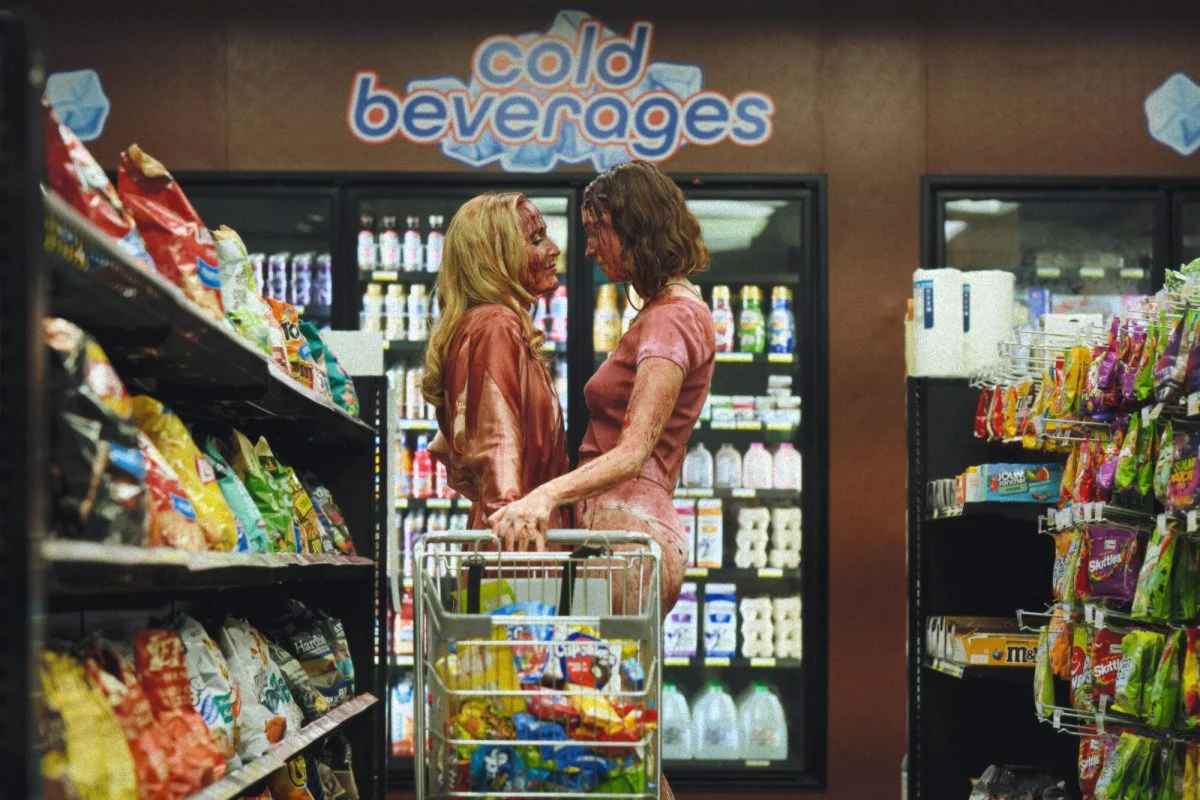
Leading the October releases is Jane Schoenbrun’s Teenage Sex and Death at Camp Miasma, arriving on MUBI on October 2. This feature marks the director’s third project and serves as a significant case study in the intersection of slasher cinema and queer identity. Starring Hannah Einbinder and Gillian Anderson, the film navigates the metafictional space of modern horror, examining how trauma and performance art collide in the digital age.
Industry analysts suggest that the appeal of Camp Miasma lies in its subversion of the "final girl" trope. By grounding the narrative in the perspective of a queer indie filmmaker, Schoenbrun shifts the focus from simple survival to the reclamation of agency. The film’s release follows a year of heightened interest in "elevated horror," a category that has seen a 14% increase in production budgets across major studios since 2024. The inclusion of an established star like Gillian Anderson is indicative of the growing trend of high-profile talent migrating toward genre-specific projects that emphasize thematic depth over traditional jump-scare mechanics.
Expanding the Animated Frontier
Animation continues to serve as a cornerstone for LGBTQ+ inclusion, often providing a platform for character development that exceeds the scope of live-action counterparts. On October 2, Disney+ and Hulu will debut the second season of Adventure Time: Side Quests. The series, which has maintained a dedicated demographic of young adult viewers, continues its exploration of the Land of Ooo, with a continued emphasis on the canonical relationship between Marceline the Vampire Queen and Princess Bubblegum.
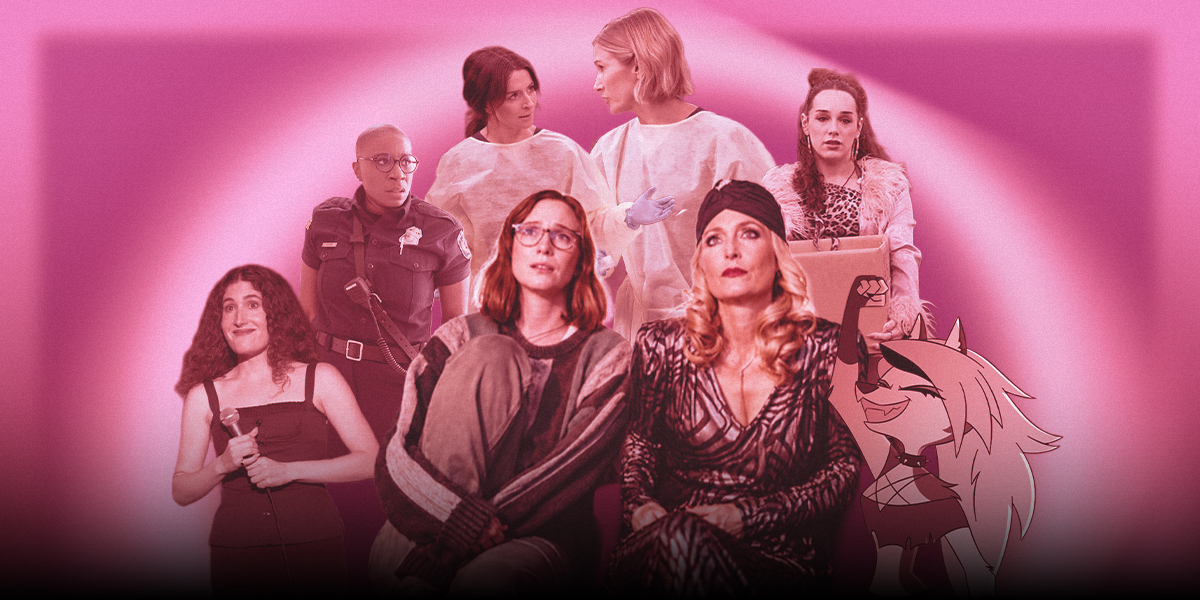
Concurrently, the animation sector sees the return of Helluva Boss for its third season on Prime Video, beginning October 14. Produced by VivziePop, the series has garnered a significant following for its uncompromising approach to adult-themed storytelling. The presence of characters such as the trans lesbian imp Sallie May and the bisexual hellhound Loona serves as a benchmark for how animated series can normalize non-heteronormative identities within fantasy environments. Data from viewership tracking services indicate that adult-oriented animation is currently one of the fastest-growing categories for streaming platforms, with retention rates for series featuring diverse casts significantly higher than those of traditional sitcoms.
The Evolution of the Limited Series and Procedural Drama
While horror and animation occupy the vanguard, traditional television models are also adjusting their content strategies. The October 2 debut of the Starz original series Tip Toe, created by Russell T Davies, offers a localized view of modern social frictions in the United Kingdom. Set in the Manchester suburbs, the series utilizes the tension between neighbors—a flamboyant gay bar owner and an unhappily married electrician—to examine broader ideological conflicts.
Critics have noted that Davies’ return to the genre is marked by a departure from his more stylized, high-energy dramas, opting instead for a "ten-day" timeline that allows for a more granular examination of character dynamics. The inclusion of trans and non-binary characters within the bar staff setting provides a foundational layer of community that anchors the lead characters’ personal journeys.
The procedural genre, often criticized for a lack of diversity in its early iterations, continues its slow but steady evolution. 9-1-1 enters its tenth season on ABC on October 15, with a narrative arc focusing on the evolving family structure of character Hen, played by Aisha Hinds. Simultaneously, Grey’s Anatomy returns for its 23rd season, a milestone that underscores the longevity of network staples. The return of Dr. Toni Wright and Dr. Cass Beckman indicates that the show remains committed to complex interpersonal relationships that defy traditional labels, maintaining a core audience that has remained consistent for over two decades.
Market Adjustments and Industry Implications
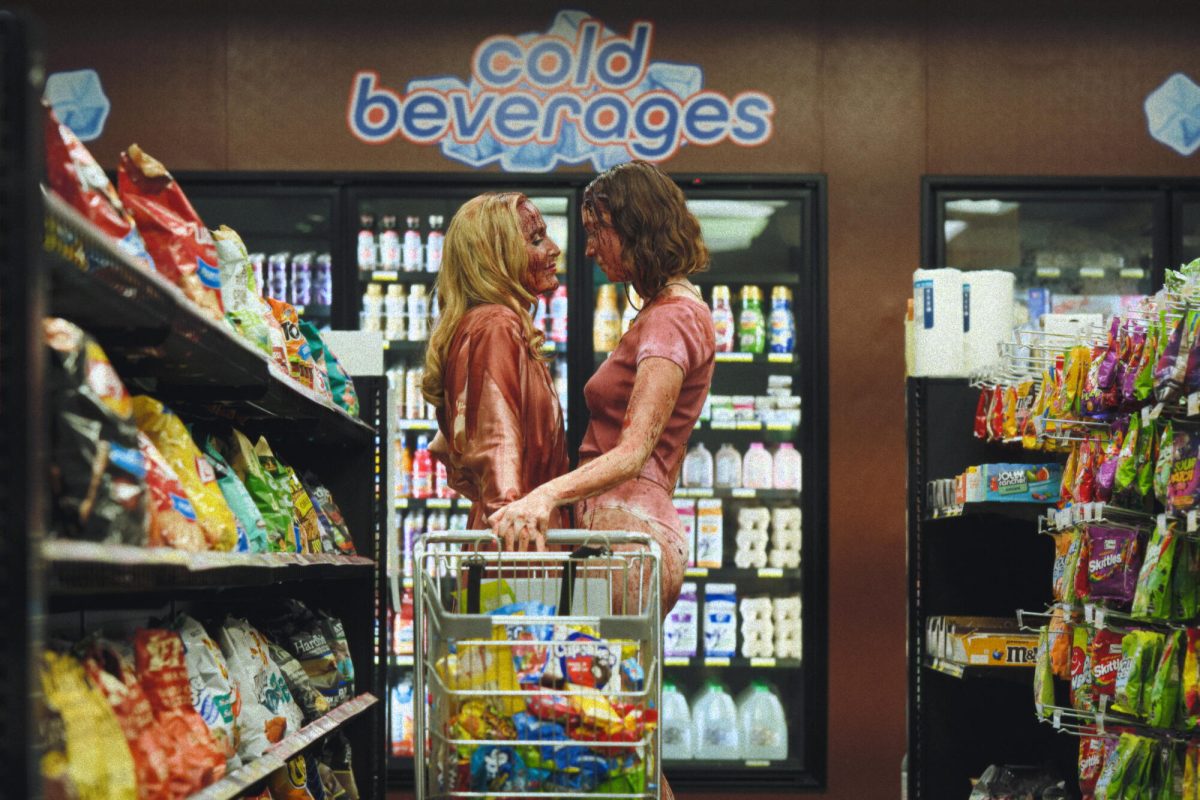
The broader landscape of October 2026 reflects a cautious approach to content investment. The decision by platforms like Prime Video to debut the limited series Carrie—a project that, while technically sophisticated, lacks significant queer-coded narrative arcs—highlights a disconnect between production trends and audience expectations. Despite the inclusion of queer actors and background characters, the lack of central LGBTQ+ leads has prompted discussions regarding the "queer-coding" phenomenon in major studio productions.
This is contrasted by the upcoming release of Kate Berlant: Parmesan on HBO Max on October 16. As a stand-up special, the project allows for a more direct, unfiltered exploration of sexuality and social identity, a format that often proves more successful in engaging queer audiences than sanitized network dramas.
In the reality television sphere, the seventh season of The Boulet Brothers’ Dragula on Shudder and AMC+ on October 27 serves to anchor the month’s horror theme. The series has become a pillar of the horror-drag subculture, providing a platform for trans and non-binary performers to showcase their craft in a competitive, high-stakes environment. By leveraging the aesthetics of 1980s and 1990s VHS horror, the show effectively bridges the gap between nostalgic cult cinema and contemporary performance art.
Summary of October 2026 Queer Content Timeline
- October 2: Teenage Sex and Death at Camp Miasma (MUBI) – A slasher-meta feature exploring queer identity and performance.
- October 2: Adventure Time: Side Quests Season 2 (Disney+/Hulu) – Continuation of canonical sapphic arcs in animation.
- October 2: Tip Toe Series Premiere (Starz) – Russell T Davies’ exploration of suburban class and social friction.
- October 6: All American Season 8 (Netflix) – The conclusion of the teen drama series, featuring the final arc for the character Cooper.
- October 7: Carrie Limited Series (Prime Video) – A high-production value reimagining that explores inclusion through casting but faces scrutiny regarding narrative focus.
- October 9: Rage (Furia): Part Two (HBO Max) – A Spanish dark comedy focusing on systemic oppression and feminine rebellion.
- October 14: Helluva Boss Season 3, Part 1 (Prime Video) – Further expansion of the adult animation universe with diverse character representation.
- October 15: 9-1-1 Season 10 and Grey’s Anatomy Season 23 (ABC/Hulu) – Long-running procedurals continuing established queer storylines.
- October 16: Kate Berlant: Parmesan (HBO Max) – A stand-up special reflecting on contemporary queer social existence.
- October 22: Nobody Wants This Season 3 (Netflix) – Continued exploration of modern dating dynamics with supporting queer character arcs.
- October 27: The Boulet Brothers’ Dragula Season 7 (Shudder/AMC+) – A celebration of horror, drag, and diverse gender expression.
Conclusion: Future Outlook
The data for October 2026 suggests that the entertainment industry is in a transitional phase. While major streaming platforms are heavily investing in horror and animation, the demand for authentic, lead-driven queer stories remains high. The success of projects like Camp Miasma and Tip Toe will likely serve as a barometer for future commissioning decisions. As networks and streamers move toward November, the focus is expected to shift toward holiday-themed programming, yet the success of these October releases demonstrates that audiences are increasingly prioritizing thematic substance and diverse representation throughout the year, regardless of the seasonal calendar. The reliance on auteur-driven content and established, long-running franchises suggests that platforms are hedging their bets, aiming to capture both niche enthusiast markets and broad-based household viewership.




