

Since January 2025, the U.S. asylum system has undergone a fundamental transformation, marked by a series of executive actions and legislative shifts that have significantly constrained the ability of individuals fleeing persecution to seek safety within American borders. The current landscape represents a departure from the post-1980 consensus, replacing a process centered on humanitarian protection with one increasingly defined by rapid expulsion and deterrence.
The Legal Foundation of Asylum
To understand the current shifts, one must first recognize the established legal framework. Under the Refugee Act of 1980, the United States codified its commitment to international law by aligning domestic statutes with the 1951 United Nations Refugee Convention and its 1967 Protocol. This framework mandates that any individual who is physically present on U.S. soil—regardless of their method of entry—possesses the legal right to apply for asylum if they can demonstrate a well-founded fear of persecution based on race, religion, nationality, political opinion, or membership in a particular social group.
Historically, this system relied on a multi-step adjudication process involving credible fear screenings, administrative reviews by U.S. Citizenship and Immigration Services (USCIS), and, where necessary, full hearings before an immigration judge. However, the current administration has argued that this system is prone to abuse and has prioritized border security measures that bypass traditional due process.
A Chronology of Policy Shifts (2025–2026)
The transformation of the border apparatus began in earnest on January 20, 2025. Upon taking office, President Trump utilized executive orders to fundamentally alter the handling of asylum claims. The administration’s strategy has proceeded through several distinct phases:
- January 2025: The administration initiated a "National Emergency" at the southern border, authorizing the use of military personnel to assist in border enforcement and suspending various humanitarian parole programs that had previously provided lawful pathways for migrants.
- Spring 2025: The administration expanded "expedited removal" protocols. This allows Immigration and Customs Enforcement (ICE) to deport individuals who fail initial fear screenings without a formal court hearing, significantly shortening the time between arrival and removal.
- Mid-2025: Border authorities were empowered to return asylum seekers directly to Mexico without processing them through standard immigration court proceedings, a policy shift that effectively renders the U.S. asylum process inaccessible to those arriving at the southern border.
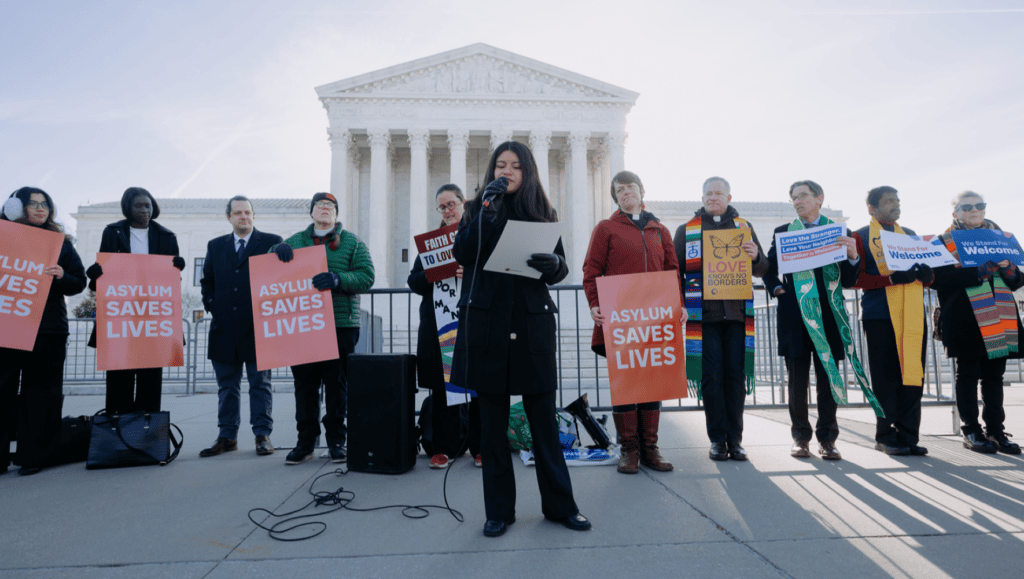
- March 2026: The Supreme Court heard oral arguments in the case of Mullin v. Al Otro Lado, a high-profile challenge regarding the legality of turnback policies.
- June 2026: The Supreme Court issued a ruling favoring the administration’s border management policies, providing a legal mandate that allowed the continued refusal of asylum claims at the U.S.-Mexico border.
Data Trends and the Backlog Crisis
The challenges currently facing the U.S. immigration system are compounded by a massive administrative backlog. According to data from the Executive Office for Immigration Review (EOIR), the number of pending asylum cases in immigration courts reached a staggering 2.4 million by the end of 2025.
Analysts point to several factors driving this surge: the lack of investment in additional immigration judges and support staff, the increasing complexity of cases, and the legislative failure to enact comprehensive immigration reform. When the system is overwhelmed, the wait time for an initial hearing can extend to several years. The administration’s current response—shifting toward expedited removal—is intended to reduce this backlog, but critics argue it does so at the cost of due process, as many asylum seekers lack legal representation during their initial screenings.
The Human Cost and External Reactions
The policy of mass expulsion and the limitation of access to the border have drawn significant criticism from international human rights organizations, legal advocacy groups, and interfaith coalitions. HIAS, a global refugee aid organization, has been at the forefront of these challenges, arguing that the current approach echoes historical failures to provide safe haven to those in peril.
In their amicus brief for Mullin v. Al Otro Lado, legal advocates drew parallels to the 1939 incident involving the M.S. St. Louis, a ship carrying Jewish refugees from Nazi Germany that was turned away from the U.S. coast. The comparison highlights a central ethical debate: the extent to which the United States is morally and legally obligated to accept those fleeing state-sanctioned violence.
In Mexico, the impact has been pronounced. International observers note that asylum seekers held in border towns often lack access to consistent housing, healthcare, or legal counsel. Furthermore, these populations are frequently targeted by organized criminal elements and human smugglers who exploit the precarious situation of those waiting for their claims to be heard.
Implications for Future Policy
The legal victory for the administration in the Mullin case signals a shift in the judiciary’s interpretation of border authority. By deferring to the executive branch on matters of national security at the border, the courts have limited the avenues for legal challenges against administrative policies.
However, the policy remains a subject of intense debate in Congress. Proponents of the current administration’s stance argue that the measures are necessary to restore order, manage the sheer volume of arrivals, and deter illegal migration. They maintain that the asylum system, in its previous form, was being utilized as a loophole for economic migration rather than for genuine humanitarian relief.
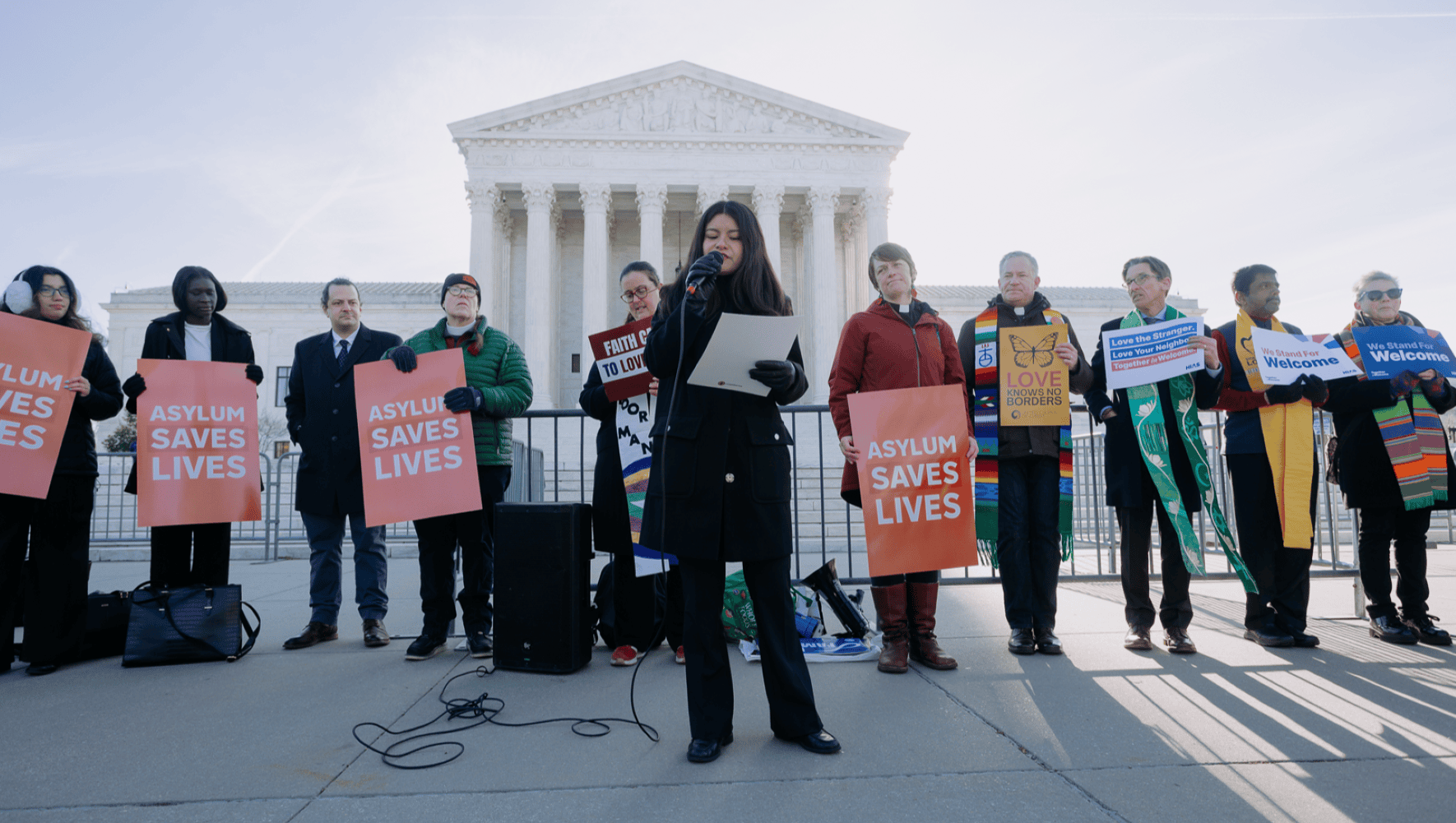
Conversely, legal scholars and refugee advocates warn that the erosion of asylum protections undermines the United States’ standing in the international community. They emphasize that the 1980 Refugee Act was a bipartisan achievement designed to ensure that the U.S. would not repeat the mistakes of the early 20th century. By effectively closing the border to those seeking protection, the U.S. faces the risk of violating both its domestic statutes and its international treaty obligations.
The Path Forward: Seeking Balance
As the situation stands in late 2026, the administration continues to implement its interim final rule, which permits the direct transfer of asylum seekers to immigration court without the prerequisite interview with an asylum officer. This policy is currently the subject of renewed litigation.
Moving forward, policy experts suggest that any viable solution to the border crisis must address three core pillars:
- Investment in Adjudication: Increasing the number of immigration judges and asylum officers to ensure that cases are heard in a timely manner, thereby reducing the backlog and ensuring that legitimate claims are granted while ineligible claims are resolved quickly.
- Regional Cooperation: Working with neighboring countries to create shared responsibility for refugee processing, ensuring that migrants are not stranded in unsafe environments.
- Modernizing Legislation: Passing comprehensive reform that addresses the root causes of migration, provides adequate legal pathways, and updates the definition of asylum to reflect modern-day threats.
The current state of the U.S. asylum system remains in flux. While the administration views the current policies as a necessary corrective to an overwhelmed system, the long-term impact on the country’s humanitarian legacy continues to be a point of significant national concern. The tension between border security and the right to seek asylum remains one of the most pressing legal and moral dilemmas facing the United States today. As legal challenges continue to navigate the court system, the future of the American commitment to refugees will depend on whether the government can reconcile its security goals with its established humanitarian responsibilities.




