
On August 10, 2026, a powerful magnitude 7.4 earthquake struck the Chocó department of Colombia, centered near the municipality of San José del Palmar. The seismic event, which sent shockwaves through the western regions of the country, triggered a humanitarian crisis that continues to evolve more than a month later. As of late September 2026, official reports from the United Nations Office for the Coordination of Humanitarian Affairs (OCHA) confirm that approximately 466,000 people remain directly affected by the disaster. With more than 200,000 homes damaged or destroyed, the physical and economic landscape of the affected provinces—specifically Risaralda, Valle del Cauca, Chocó, Quindío, and Caldas—has been fundamentally altered.
Chronology of the Disaster and Immediate Response
The earthquake, which occurred in the early morning hours, caught many residents unprepared. Within the first 24 hours, the Colombian government declared a state of emergency, activating national disaster management protocols. However, the geographic isolation of rural communities, particularly in the mountainous terrain surrounding Naranjal and Primavera, severely hampered initial rescue efforts.
By August 12, international aid organizations, including HIAS Colombia, had already mobilized specialized response teams to the epicenter. The immediate priority was the search and rescue of survivors, as well as the establishment of emergency medical outposts. By August 20, the focus of humanitarian agencies shifted toward the stabilization of the displaced population, with a specific emphasis on food security, water, sanitation, and hygiene (WASH) services. By mid-September, as the initial shock subsided, the focus transitioned to long-term shelter solutions and the restoration of essential services such as electricity and communication networks, which remain intermittent in rural sectors.
Statistical Overview of the Impact
The scale of the destruction is documented in recent flash updates from OCHA and local government reports. The human toll has been severe, with at least 331 confirmed fatalities and over 4,500 injuries reported. The status of 111 individuals remains listed as missing, a figure that continues to weigh heavily on the affected communities as the search operations move into a recovery phase.
Infrastructure damage extends beyond residential housing. Critical facilities, including rural health centers and primary education institutions, sustained significant structural integrity issues, forcing the suspension of basic services for thousands of children and patients. In the Naranjal and Primavera regions, where HIAS operates, the situation is particularly acute. Families in these areas, already marginalized prior to the earthquake, now face a total collapse of their local economies, as agricultural land and small-scale trade routes have been blocked by landslides and debris.
Convergence of Crises: A Compound Humanitarian Emergency
A defining characteristic of the 2026 Colombia earthquake is its occurrence against a backdrop of compounding environmental and socioeconomic stressors. Colombia has been grappling with the severe impacts of the El Niño phenomenon, which has led to prolonged droughts in some areas and unpredictable weather patterns in others.
Meteorological reports from early August indicated a high risk of wildfires in the Andean regions, while the threat of volcanic activity in nearby seismic corridors has remained a constant concern for authorities. The added burden of ongoing internal displacement, resulting from long-standing regional conflicts, has stretched the capacity of the Colombian government and humanitarian actors to its limit. The convergence of seismic destruction, climate-induced instability, and existing social displacement has created a "polycrisis" environment, where the traditional aid mechanisms are being utilized to their maximum capacity.
Targeted Humanitarian Interventions
In response to the escalating needs, HIAS Colombia, in partnership with the Colombia Humanitarian Fund, has deployed a multi-pronged aid strategy. Central to this approach is the provision of direct cash assistance. By offering families financial autonomy, aid organizations allow survivors to prioritize their most immediate needs—whether that be medicine, specialized food for children, or transportation to essential services.
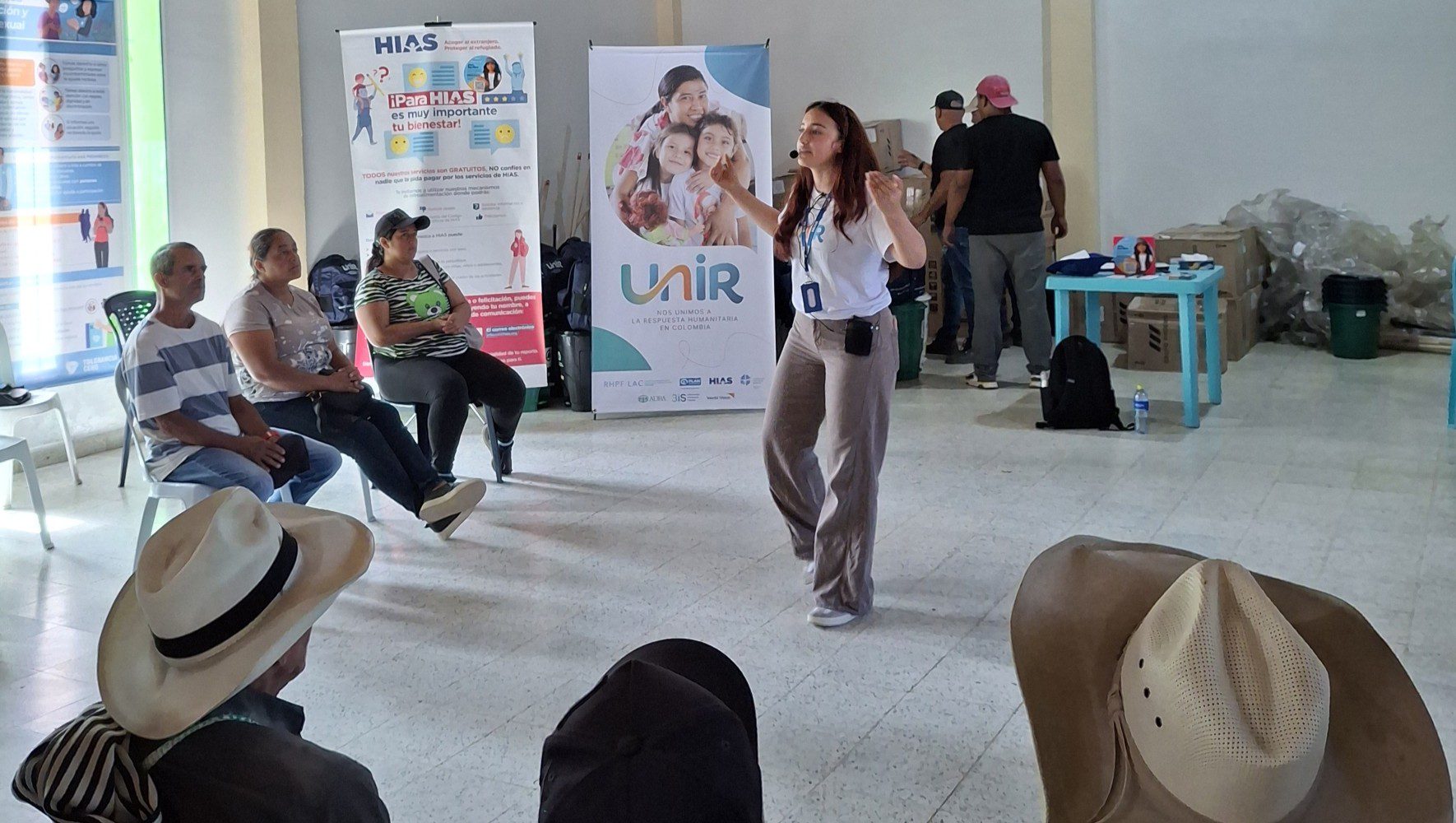
Furthermore, the organization has implemented robust community education programs. These sessions are designed to build resilience by teaching survivors critical skills in hygiene management, the safe purification of water, and nutrition. In a post-disaster setting, the risk of disease outbreaks due to compromised water systems is a major public health concern; therefore, these community-led initiatives serve as a vital preventative measure.
The Role of Public-Private Partnerships in Housing
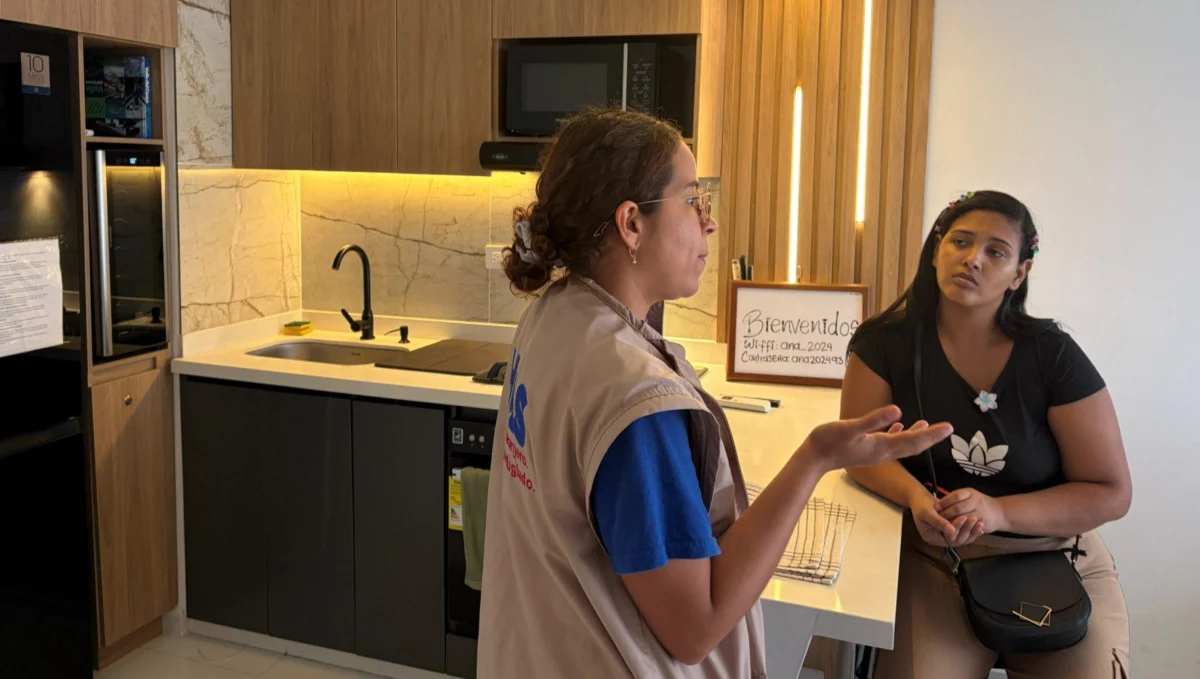
One of the most innovative aspects of the current relief effort is the collaboration between humanitarian entities and the private sector, specifically the partnership with Airbnb to address the housing crisis. The initiative, currently centered in the city of Cali, focuses on providing 28-day temporary housing solutions for the most vulnerable populations.
This program prioritizes individuals at the highest risk, including single mothers, children, the elderly, and those with chronic medical conditions or disabilities. It also serves as a protective measure for women and adolescents, who are statistically more vulnerable to domestic and sexual violence during times of social upheaval and displacement. Catherine, a local survivor whose home was rendered uninhabitable by the earthquake, represents the thousands of people who have utilized this system. For families like hers, the transition from emergency tents to secure, private housing is the first step toward reclaiming a sense of stability and normalcy.
Analysis of Long-Term Implications
The long-term implications of this disaster for the Colombian state are profound. Economists suggest that the reconstruction of the housing sector alone will require significant budgetary allocation over the next two to three years. The destruction of rural schools and health clinics will also necessitate a complete overhaul of service delivery in these remote zones to prevent a "lost generation" of students and a decline in public health outcomes.
Furthermore, the environmental impact of the earthquake—specifically the destabilization of hillsides in the Chocó region—has increased the risk of future landslides during the upcoming rainy seasons. Experts from the Colombian Geological Service have emphasized that reconstruction efforts must prioritize "build-back-better" standards, incorporating seismic-resistant building codes and sustainable infrastructure to mitigate the risk of similar devastation in the future.
Official Responses and the Call for Continued Support
Government officials and international observers have praised the rapid mobilization of non-governmental organizations and community-led groups. However, the message from the field remains consistent: the need is far from satisfied. While initial emergency funds have facilitated immediate survival, the transition to recovery and reconstruction is a multi-year endeavor.
The humanitarian sector is urging for sustained international attention to the situation in Colombia. The focus must shift from purely emergency relief to long-term recovery, ensuring that the affected populations are not abandoned once the media cycle shifts. The work of organizations like HIAS is currently focused on bridging the gap between immediate life-saving interventions and the sustainable rebuilding of lives.
For the international community, the earthquake in Colombia serves as a stark reminder of the vulnerability of rural communities to seismic events. Supporting organizations that maintain a local presence is essential, as these groups possess the necessary relationships and logistical networks to navigate the complexities of local geography and social dynamics.
As the recovery continues, the focus will remain on transparency, the efficient distribution of aid, and the empowerment of local communities to lead their own recovery processes. For those affected by the August 10 earthquake, the road to rebuilding is long, but the commitment of humanitarian partners, coupled with the resilience of the Colombian people, remains the cornerstone of the recovery effort. Every contribution to these initiatives directly assists in providing the shelter, sustenance, and psychological support necessary to navigate this difficult transition. Through continued global solidarity and strategic on-the-ground support, the goal of restoring safety and stability to these displaced populations remains within reach.




