
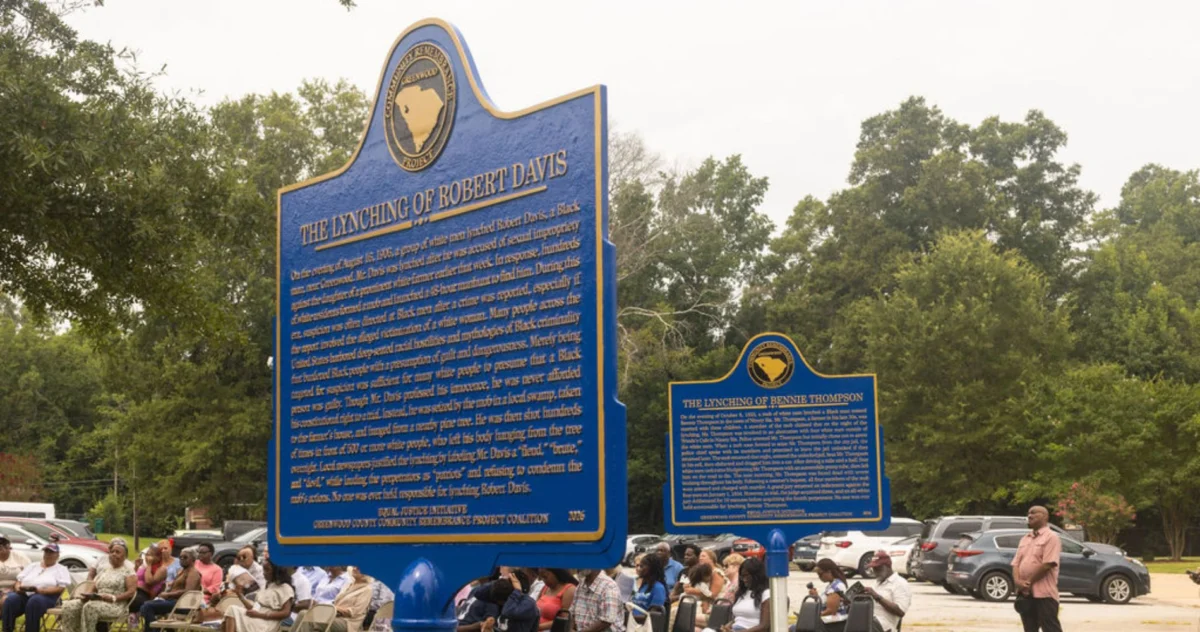
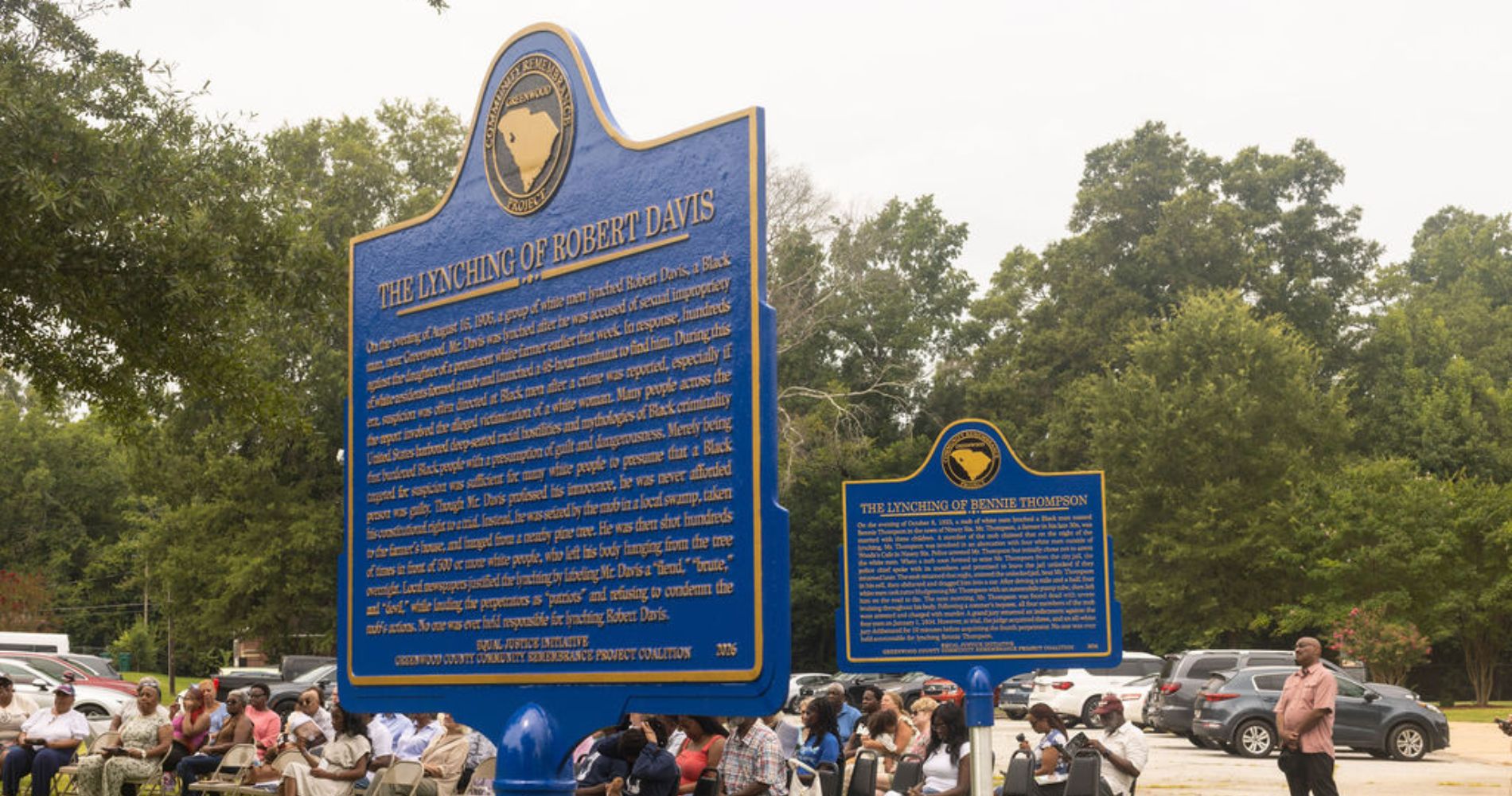
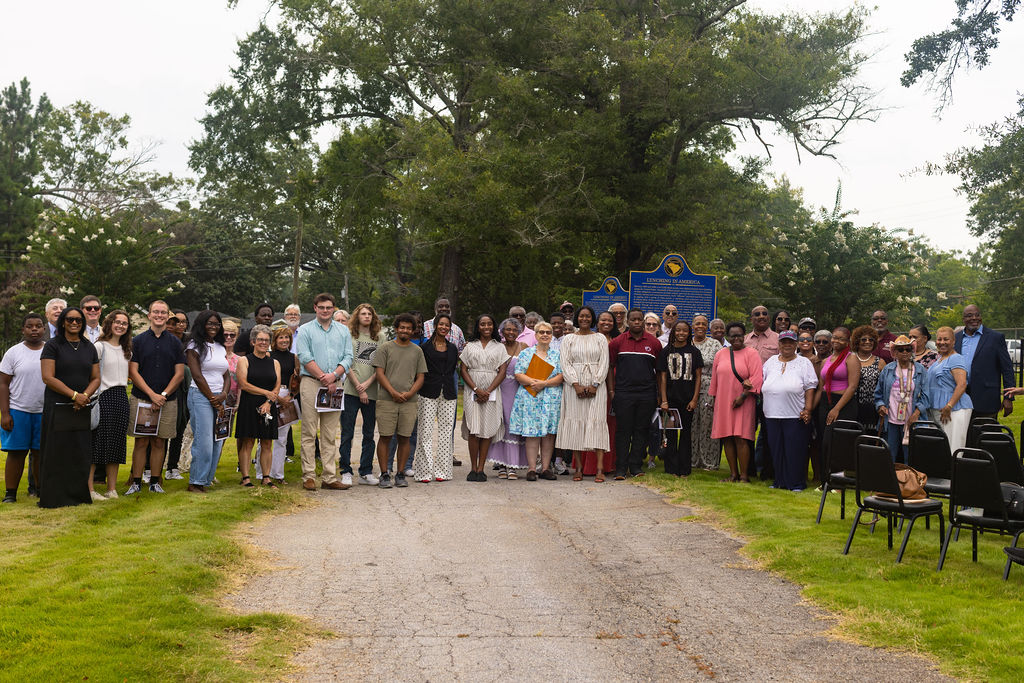
On August 1, a coalition of community members, local leaders, and public officials gathered at the GLEAMNS Dr. Benjamin E. Mays Historic Preservation Site in Greenwood, South Carolina, to dedicate two historical markers honoring the lives of Robert Davis and Bennie Thompson. Both men were victims of racial terror lynchings in the early 20th century, a period marked by systemic violence designed to enforce racial hierarchy in the American South. The dedication ceremony, held on the birthday of Dr. Benjamin E. Mays, served as a solemn act of public acknowledgment, part of an ongoing effort by the Equal Justice Initiative (EJI) and the Greenwood Community Remembrance Project to confront the history of racial violence in the region.
The event drew approximately 70 attendees, ranging from local youth to elders, highlighting the intergenerational nature of the project. By placing these markers at the site dedicated to Dr. Mays—a pivotal figure in the Civil Rights Movement and mentor to Dr. Martin Luther King Jr.—the community underscored the necessity of anchoring modern progress in an honest understanding of the past.
A History of Racial Terror in Greenwood County
Greenwood County holds the distinction of having the highest number of documented racial terror lynchings in South Carolina. Between 1865 and 1950, at least 17 Black individuals were killed by white mobs within the county’s borders, representing a segment of the more than 240 documented lynchings across the state. These acts were not merely isolated crimes; they were instruments of control intended to terrorize Black communities and maintain the social and economic dominance of white residents during the post-Reconstruction era.
The historical markers dedicated on August 1 represent the specific stories of two men whose lives were extinguished by mob violence.
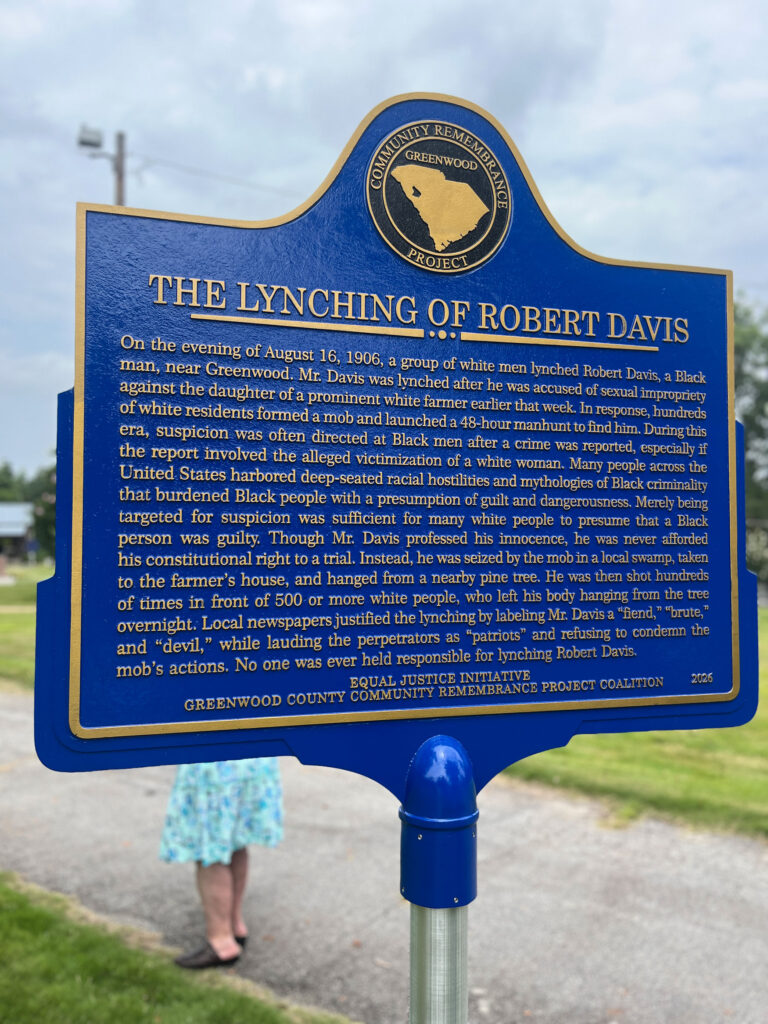
Robert Davis was lynched on August 16, 1906, near Greenwood. His death followed an accusation of sexual impropriety against the daughter of a prominent white farmer—a common pretext for mob violence during that era. Despite the lack of evidence and the absence of a trial, a mob of hundreds launched a 48-hour manhunt. Davis was eventually discovered in a swamp, taken to the farmer’s property, and hanged from a pine tree. The brutality continued as his body was shot hundreds of times in front of a crowd of roughly 500 spectators. Local newspapers of the time reflected the prevailing racial climate, openly praising the lynchers as patriots and describing the victim in dehumanizing terms, effectively insulating the perpetrators from any legal consequences.
Decades later, the climate of impunity persisted. On October 8, 1933, Bennie Thompson, a farmer in his late 30s and a father of three, was lynched in the town of Ninety Six. His death resulted from an altercation with four white men outside a local cafe. Despite police taking Thompson into custody, the local law enforcement facilitated his murder by leaving the jail cell unlocked for a returning mob. Thompson was dragged from his cell, beaten with an automobile pump tube, and left to die on the side of a road. Although four men were eventually charged with his murder, an all-white jury acquitted them in minutes, ensuring that, like the case of Robert Davis, no one would be held accountable.
The Evolution of the Greenwood Community Remembrance Project
Established in 2019, the Greenwood Community Remembrance Project emerged from a need to bridge the gap between historical silence and the lived reality of racial injustice. The coalition has focused on a multi-faceted approach to education, which includes the installation of historical markers, the collection of soil from lynching sites, and the support of youth-led academic programs.
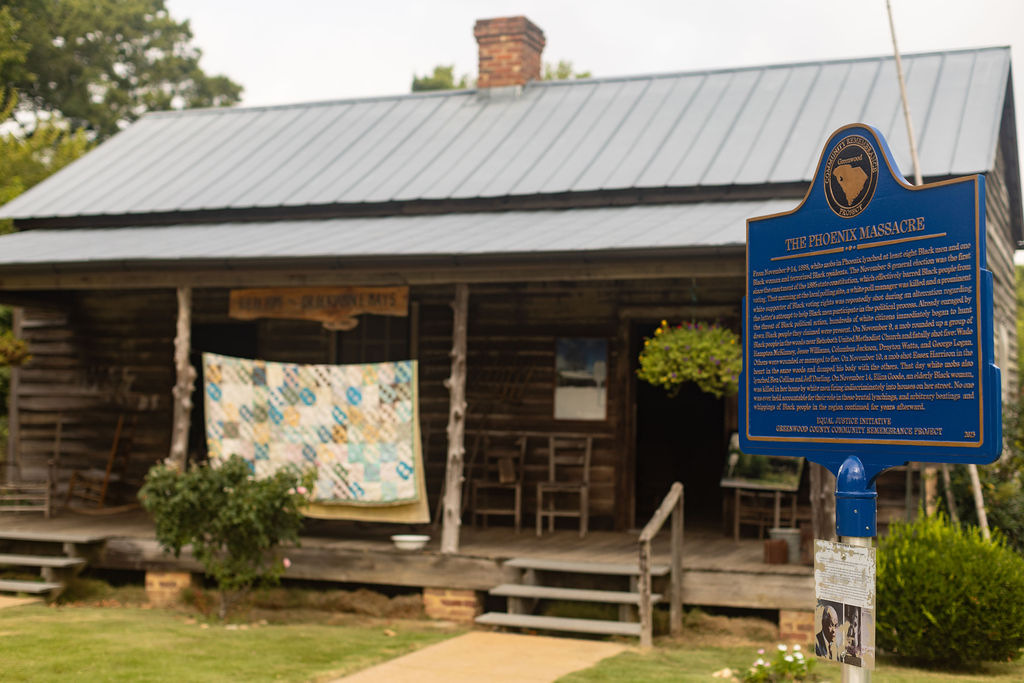
In 2023, the coalition marked the 125th anniversary of the Phoenix Riot—a massacre that saw at least nine Black individuals killed on Election Day—by dedicating a marker to the victims. The recent addition of the Davis and Thompson markers is part of a broader, long-term plan to develop a "pathway of truth" at the Mays Site. This walkway will feature markers for every documented lynching victim in Greenwood County, serving as a permanent, physical reminder of the lives lost to racial hatred.
A critical component of this initiative is the youth engagement program. The Rev. Christopher B. Thomas, director of the Mays Site, has facilitated trips for over 100 local students to visit EJI’s Legacy Sites in Montgomery, Alabama. During the August 1 ceremony, the organization awarded $1,000 college scholarships to five students who served as interns at the site, recognizing their role in researching and sharing this history. For these students, the transition from classroom theory to visiting the sites of racial terror provided a profound shift in perspective regarding the enduring legacy of systemic racism.
Official Responses and the Value of Truth-Telling
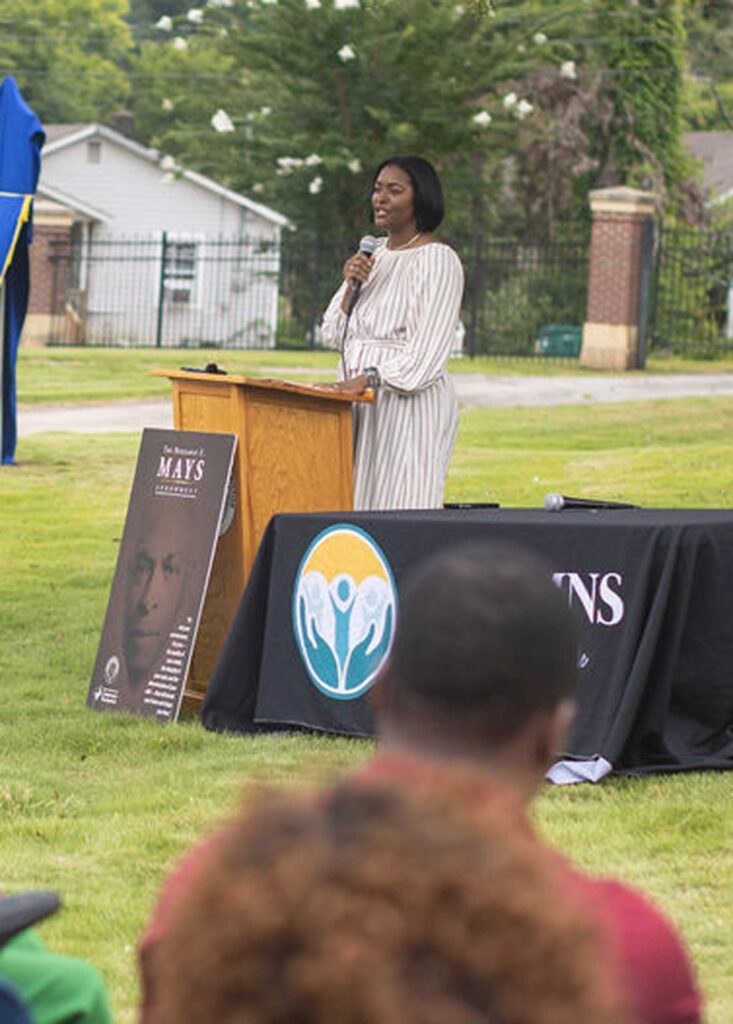
The dedication ceremony was marked by a commitment to reflection and integrity. Dr. Anika Thomas, CEO of the GLEAMNS Human Resources Commission, emphasized that acknowledging history is not an act of divisiveness, but one of necessity for community health. "Reflecting, recognizing, and preserving our history with honesty, integrity, and respect is vital," she noted during her opening remarks.
Jennifer Harris, Senior Project Manager at EJI, praised the Greenwood coalition for their "extraordinary work" in tackling the difficult task of documentation. "EJI partners with communities to take on the challenging work of truth-telling about our history," Harris stated. She emphasized that the work of the Community Remembrance Project is part of a national effort to foster healing. By formally naming the victims and documenting the circumstances of their deaths, communities are able to strip away the myths that often surround these events, replacing them with verifiable facts that challenge the status quo.
The ceremony concluded with a Prayer of Dedication led by the Rev. Doug Kauffman of Connie Maxwell Baptist Church, followed by a benediction from the Rev. Annette Edwards, a member of the Greenwood City Council and pastor of Weston Chapel AME Church. This involvement from local religious and civic leaders signifies a shift toward collective institutional responsibility for the community’s history.
Broader Implications for National Reconciliation
The lynching of African Americans between 1865 and 1950 is now recognized by historians and human rights organizations as a form of domestic terrorism. The fact that nearly 25% of these lynchings were triggered by allegations of sexual misconduct highlights the role of racial mythology in justifying violence. Furthermore, the role of law enforcement—frequently either complicit in the violence or standing by as mobs seized individuals from custody—remains a central point of study for those examining the roots of modern distrust in the legal system.
The work being done in Greenwood County serves as a microcosm for a broader national conversation. As communities across the United States grapple with how to memorialize painful histories, the Greenwood model offers a framework: prioritize the voices of the local community, engage youth in the process of historical inquiry, and maintain a commitment to public space documentation.
The implications of these efforts extend beyond historical record-keeping. Research suggests that public memory projects can foster deeper civic engagement and provide a foundation for reconciliation. By documenting the deaths of Robert Davis, Bennie Thompson, and the victims of the Phoenix Riot, Greenwood is effectively reclaiming its history from a narrative of erasure. The installation of these markers is not merely an act of remembering the dead; it is a declaration that the community is prepared to face its past to better understand the present. As the Greenwood Community Remembrance Project continues its work, the path they are building at the Mays Site promises to be a site of ongoing education, ensuring that future generations are equipped with the truth necessary to build a more equitable society.




