The Government of Mozambique’s National Youth Institute has officially designated World Education, an initiative of JSI Research & Training Institute, Inc., as the lead partner for the Eu Sou Capaz (I Am Capable) Technical Assistance and Training Activity. This strategic partnership, supported by the World Bank, represents a cornerstone of the broader Empowering Adolescent Girls to Earn and Read (EAGER) vision, a multi-national effort spanning Mozambique, Zimbabwe, and Madagascar. The primary objective of this activity is to scale government-led interventions that target the complex web of social, economic, and behavioral factors driving high school dropout rates among adolescent girls in the region. By providing specialized technical assistance, World Education aims to reinforce the capacity of Mozambican institutions to protect and educate their youth, ensuring that enrollment translates into tangible academic and life achievements.
The Eu Sou Capaz program is designed to move beyond simple school enrollment metrics, focusing instead on the holistic environment required for a girl to succeed. In Mozambique, adolescent girls face a myriad of systemic obstacles, ranging from economic hardship and lack of school materials to deeply ingrained socio-cultural norms that prioritize domestic roles or early marriage over education. By integrating social and behavior change (SBC) strategies with human-centered design (HCD), World Education is working alongside the National Youth Institute to redesign education and support systems around the lived realities of these girls. This methodology ensures that the solutions developed are not only technically sound but also culturally resonant and sustainable at the community level.
The Regional Context of the EAGER Strategic Vision
The EAGER initiative, under which Eu Sou Capaz operates, is a response to a pressing human capital crisis in East and Southern Africa. According to World Bank data, girls in this region are significantly more likely to drop out of secondary school than their male counterparts, often due to the intersecting pressures of poverty and gender-based expectations. In Mozambique specifically, the challenges are acute. Statistics indicate that a substantial percentage of girls leave the formal education system before completing lower secondary school, a trend that is closely correlated with high rates of adolescent pregnancy and early union.
The EAGER framework seeks to address these issues through a multi-sectoral approach that combines education, health, and economic empowerment. By aligning the Eu Sou Capaz activity with this regional vision, the Government of Mozambique is leveraging international best practices and funding to create a scalable model for girls’ empowerment. The program operates on the premise that when girls stay in school, they are better equipped to enter the workforce, contribute to their local economies, and delay childbearing, which in turn leads to better health outcomes for the next generation.
Chronology of Implementation and Pilot Activities
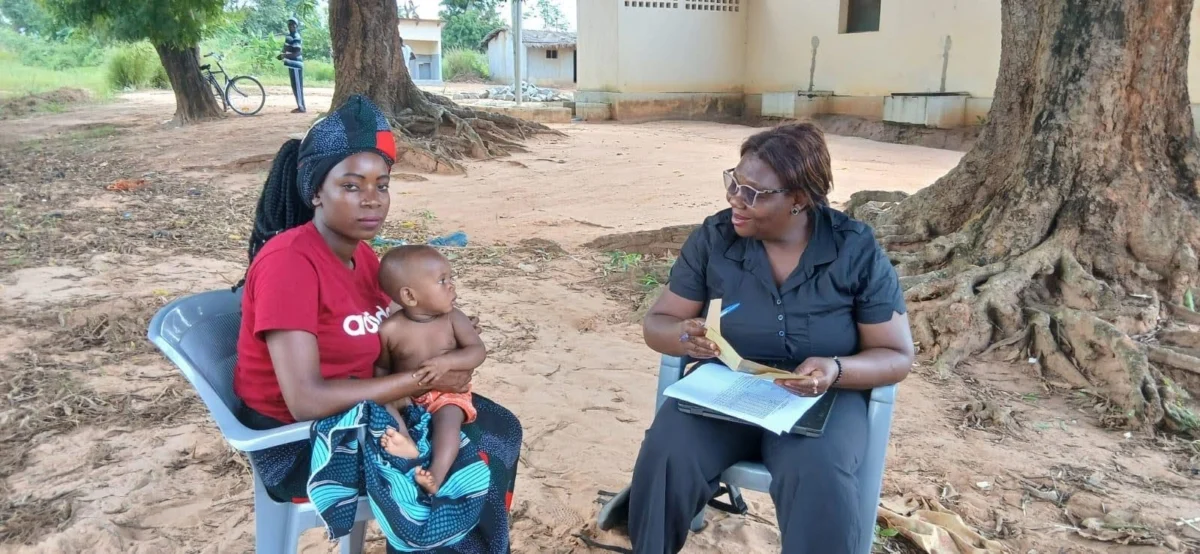
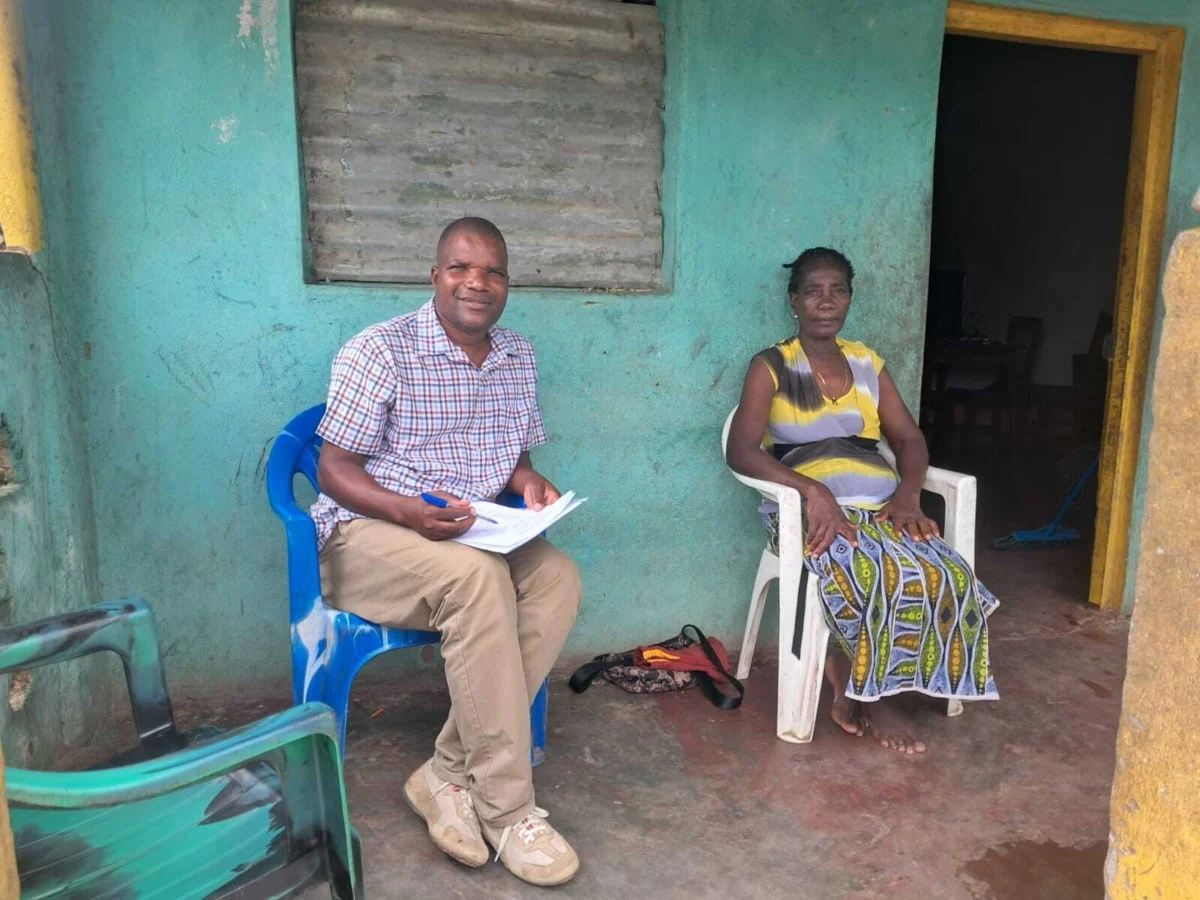
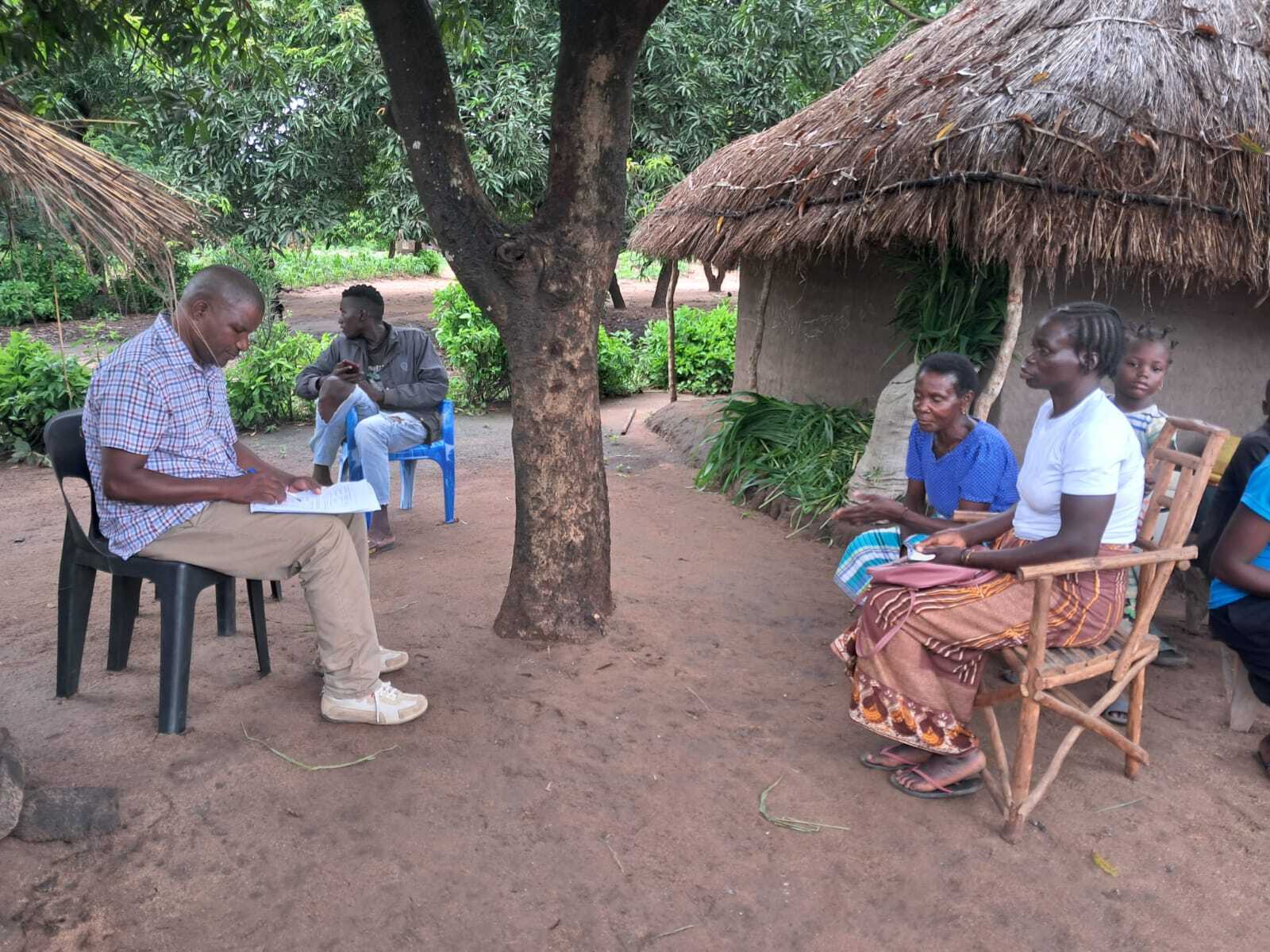
The rollout of the Eu Sou Capaz Technical Assistance and Training Activity follows a structured timeline designed to ensure evidence-based scaling. Initial phases focused on the development and piloting of specialized tools intended to engage local stakeholders. A critical component of this early phase was the pilot of the Community Leader Mapping Tool in the Sofala province. During this period, field experts such as Alberto Domingos conducted extensive one-on-one interviews with community leaders to identify the specific localized barriers to girls’ education.
This mapping process is essential because community leaders—including traditional chiefs, religious figures, and local administrators—often serve as the gatekeepers of social norms. By understanding their perspectives and involving them in the solution-building process, World Education ensures that the program has the necessary "buy-in" to effect long-term change. Following the successful pilot in Sofala, the insights gathered are being used to refine the technical assistance modules that will be delivered to the National Youth Institute. The timeline now shifts toward national scaling, where these refined tools and strategies will be implemented across various provinces to reach the most vulnerable populations.
Addressing the Root Causes of School Attrition
The Eu Sou Capaz model identifies several "invisible barriers" that prevent girls from thriving in the classroom. These include harmful socio-cultural norms, gender-based violence (GBV), and a lack of transformative life-skills education. In many rural Mozambican communities, the transition from primary to secondary school is a period of high risk. Families facing economic constraints may choose to invest in a son’s education over a daughter’s, or girls may be pressured into early marriages to alleviate financial burdens through dowry systems.
To counter these factors, World Education’s approach emphasizes community mobilization and material support. Providing school uniforms, learning materials, and menstrual hygiene kits addresses the immediate economic barriers to attendance. However, the program goes further by implementing a transformative life-skills curriculum. This curriculum is designed to build agency, self-esteem, and critical thinking skills among girls, allowing them to navigate social pressures and advocate for their own futures. Furthermore, by addressing GBV through school-based and community-based protection mechanisms, the program creates a safer environment for girls to pursue their studies without fear of harassment or exploitation.
Data-Driven Expertise and Historical Impact
The selection of World Education for this activity is rooted in the organization’s 15-year history of delivering impactful programs in Southern Africa. The organization brings a wealth of data-driven expertise to the Eu Sou Capaz initiative, having already established a significant footprint in the region. To date, World Education’s regional efforts have yielded substantial results:
- Youth Outreach: More than 1 million youth have been reached through various education and empowerment programs, providing a massive dataset on what works in different cultural contexts.
- Teacher Training: Approximately 20,000 teachers and educators have received professional development training, focusing on learner-centered pedagogy and gender-sensitive classroom management.
- System Strengthening: The organization has a proven track record of working with national ministries to integrate innovative tools into government systems, ensuring that NGO-led pilots can become sustainable public policy.
By applying this historical knowledge, World Education is able to provide the National Youth Institute with technical assistance that is both nationally scalable and highly responsive to the specific needs of Mozambican communities. This data-centric approach allows for real-time adjustments to the program, ensuring that resources are directed where they can have the greatest impact on girl’s retention and achievement rates.
Perspectives from Leadership and Stakeholders
The importance of the Eu Sou Capaz activity is underscored by the statements of those leading the initiative. Obert Darara, JSI’s World Education Country Lead in Mozambique, emphasizes that the program’s success depends on looking beyond the surface-level issues of school access. "Eu Sou Capaz is about more than access—it is about removing the invisible barriers that stop girls from thriving," Darara noted. He highlighted the role of human-centered design in this process, stating that by redesigning systems around the actual "realities" of girls’ lives, the government can ensure that enrollment is not an end point, but a beginning of a successful academic journey.
While official statements from the World Bank and the National Youth Institute reinforce the commitment to the EAGER goals, the inferred reaction from local community leaders in provinces like Sofala has been one of cautious optimism. The inclusion of local voices through the mapping tools suggests a shift away from top-down mandates toward a more collaborative form of development. For the National Youth Institute, this award represents a significant boost to its capacity to manage large-scale, donor-funded projects while maintaining local ownership of the outcomes.
Analysis of Economic and Social Implications
The long-term implications of the Eu Sou Capaz Technical Assistance and Training Activity extend far beyond the classroom. From an economic perspective, increasing the educational attainment of girls is one of the most effective ways to boost a nation’s GDP. Educated women are more likely to participate in the formal labor market, earn higher wages, and invest a larger portion of their income back into their families and communities. For Mozambique, a country striving for sustainable economic development, the empowerment of its female youth is a strategic necessity.
Socially, the program addresses the "cycle of poverty" by delaying the age of first marriage and first pregnancy. This shift has profound implications for public health, as it reduces maternal and infant mortality rates and slows population growth to more manageable levels. Furthermore, by fostering a generation of girls who are "Capaz" (Capable), the program is contributing to a cultural shift in how women are perceived in Mozambican society. As these girls move into leadership roles within their communities and workplaces, they serve as role models for future generations, creating a self-sustaining momentum for gender equality.
Future Outlook and Scalability
As the Eu Sou Capaz activity moves into its next phase, the focus will remain on the institutionalization of these practices within the Mozambican government. The goal of technical assistance is not merely to run a program, but to build the internal capacity of the National Youth Institute to lead these efforts independently in the future. This involves creating robust monitoring and evaluation systems, refining training manuals, and securing long-term funding pathways.
The success of the Mozambican model will also serve as a blueprint for other countries under the EAGER strategic vision. If the combination of human-centered design and social behavior change can demonstrably reduce dropout rates in Sofala and other provinces, similar methodologies are likely to be adopted in Zimbabwe and Madagascar. In an era where global development goals are increasingly focused on local ownership and systemic change, the Eu Sou Capaz activity stands as a prominent example of how international expertise and national leadership can converge to create lasting impact for the world’s most vulnerable youth.