
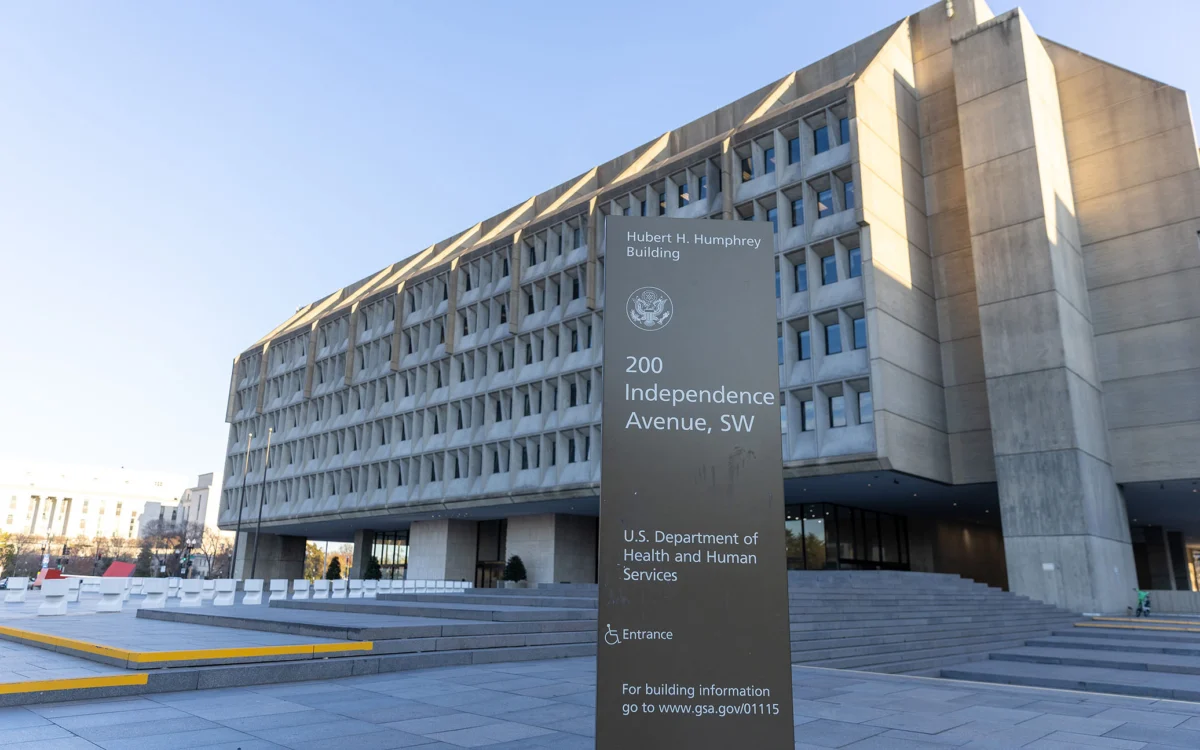
A federal court approval of a settlement between the federal government and a coalition of states has dismantled key regulatory protections requiring that individuals with disabilities be served within community settings rather than institutions. The decision, finalized late last week by U.S. District Judge James W. Hendrix, marks a profound policy reversal that civil rights leaders and disability advocates argue undermines half a century of established legal precedent regarding the rights of disabled Americans.
The approved agreement removes explicit references to the “most integrated setting” from a 2024 update to Department of Health and Human Services (HHS) regulations concerning Section 504 of the Rehabilitation Act. This regulatory rollback stems from a multi-year legal battle initiated by state officials challenging federal disability guidelines, which ultimately culminated in an unexpected alignment between the federal agency tasked with protecting civil rights and the states seeking to dismantle those very protections.
While legal scholars and advocacy groups emphasize that the underlying statutory foundations of disability rights—including the landmark Supreme Court ruling in Olmstead v. L.C.—remain technically intact, the settlement creates an alarming regulatory vacuum. Observers warn that the shift will sow widespread confusion among state agencies, healthcare providers, and community organizations, potentially exposing vulnerable populations to increased risks of unnecessary institutionalization.
Chronology of the Legal Battle: From Broad Challenges to a Federal Surrender
The legal journey leading to this settlement, cataloged as Texas v. Kennedy, began roughly two years ago when the state of Texas, joined by 16 other states, filed a lawsuit challenging the Biden administration’s 2024 regulatory updates to Section 504 of the Rehabilitation Act. Initially, the plaintiff states mounted an expansive legal assault. Their primary grievance at the outset was the inclusion of gender dysphoria as a protected condition under the updated disability regulations. However, the lawsuit went even further, petitioning the federal judiciary to strike down Section 504 in its entirety.
As the litigation progressed, the coalition of states narrowed its scope, dropping the bid to entirely invalidate Section 504 while maintaining persistent challenges against specific integration protections. The case experienced significant attrition as intense pressure from national disability advocacy organizations compelled all but a handful of states to withdraw from the lawsuit. Despite this widespread withdrawal, Texas, alongside Louisiana and Montana, continued to press the litigation forward.
The trajectory of the case shifted dramatically in recent weeks when the federal government executed a procedural about-face. Citing an internal June memorandum issued by the Department of Justice’s Office of Legal Counsel, the administration adopted a legal stance asserting that neither the Americans with Disabilities Act (ADA) nor Section 504 mandates states to administer care to individuals with mental or physical disabilities in the most integrated setting appropriate to their specific needs.
Rather than defending the historical interpretation of the statute in court, federal officials under HHS Secretary Robert F. Kennedy Jr. negotiated a settlement with Texas, Alaska, Florida, Louisiana, and Montana. U.S. District Judge James W. Hendrix subsequently approved the agreement, finalizing the removal of the contentious integration language without the court ever issuing a formal judicial ruling on the underlying merits of the case.
Deconstructing the Regulatory Changes
Under the terms of the court-approved settlement, the broader framework of the 2024 Section 504 regulations remains on the books, but vital enforcement mechanisms have been excised. Specifically, the agreement eliminates the regulatory definition of the “most integrated setting.” Furthermore, it strikes down multiple explicit provisions that previously obligated federal funding recipients to prioritize service methods offering programs and activities to qualified individuals with disabilities in the most integrated environments appropriate.
Legal experts note that because these changes were executed through a negotiated settlement rather than a judicial trial or a formal administrative rulemaking process, the court made no substantive findings of law regarding whether the integration mandate is authorized by the statute.
For federal health officials and the participating state governments, the agreement provides regulatory relief from federal oversight concerning how long-term care and disability services are administered. However, for millions of Americans with disabilities who rely on home- and community-based services (HCBS) to maintain their independence, the elimination of these regulatory sentences represents a direct assault on their autonomy and dignity.
Perspectives from Civil Rights Organizations and Legal Scholars
The legal community and disability advocacy organizations have reacted with profound dismay to the settlement, characterizing the federal government’s actions not as a legitimate legal compromise, but as an institutional betrayal.
Shira Wakschlag, senior executive officer for legal advocacy and general counsel at The Arc of the United States, did not mince words regarding the implications of the court’s order.
"The court’s order accepting the parties’ agreement is inconsistent with 50 years of law," Wakschlag stated. "The federal government is abandoning its duty to enforce the right of people with disabilities to live in their own homes and communities."
Echoing these concerns, Michelle Uzeta, executive director at the Disability Rights Education & Defense Fund, emphasized the peculiar and frustrating nature of the resolution. Uzeta pointed out that the legal foundation for community integration does not rely solely on the recently altered regulations, but rather derives directly from the statutory text of Section 504, the Americans with Disabilities Act, and the landmark 1999 Supreme Court decision in Olmstead v. Lois Curtis, which found that unjustified institutional isolation of individuals with disabilities constitutes illegal discrimination.
"The integration mandate doesn’t depend on this regulation," Uzeta explained. "It comes from Section 504 itself, from the ADA, and from the Supreme Court’s decision in Olmstead v. Lois Curtis. All of those are still in place. The most frustrating thing is that this was not a legal loss. It was a surrender. HHS didn’t defend these rights and protections. It joined the states that sued and asked the judge to strike them."
Eve Hill, a prominent civil rights attorney who served as the deputy assistant attorney general for civil rights under the Obama administration, warned that the practical fallout of the settlement will be severe, regardless of whether the underlying statutory law remains technically valid. According to Hill, the optics and legal modifications of the settlement send a dangerous signal to state governments and healthcare providers.
"It demonstrates that the five state plaintiffs believe they are free to put people with disabilities into institutions," Hill said. "Unfortunately, because the court has amended the regulations to delete the community integration requirements, some states and other covered entities—healthcare providers, etc.—will believe they can institutionalize people with disabilities. This will imperil the lives of people with disabilities, who will be forced to fight unnecessary institutionalization on their own."
Broader Implications for State Policy and Healthcare Delivery
The nationwide ramifications of the Texas v. Kennedy settlement are expected to ripple through state legislatures, budget planning sessions, and healthcare systems for years to come. For decades, the federal regulatory framework served as a vital shield protecting disabled individuals from being funneled into costly, restrictive institutional settings such as nursing homes and state-run developmental centers when they could be successfully supported in home- and community-based environments.
By stripping the “most integrated setting” requirements from the Section 504 regulations, the federal government has effectively decentralized the enforcement of civil rights in this arena, inviting individual states to interpret their obligations under federal law with minimal oversight. States facing fiscal pressures within their Medicaid programs may find renewed temptation to curtail investments in community-based waiver programs in favor of institutional care models, which often involve consolidated administration despite higher long-term societal and economic costs.
Furthermore, healthcare providers, managed care organizations, and local social service agencies now navigate an ambiguous regulatory landscape. While civil rights advocates and private litigators retain the legal authority to bring lawsuits under the ADA and the statutory text of Section 504, the absence of explicit regulatory mandates from HHS diminishes the clarity that providers have relied upon to ensure compliance with federal anti-discrimination standards.
As states evaluate their next policy moves in the wake of the settlement, disability rights organizations are mobilizing to launch educational campaigns, monitor state-level policy shifts, and prepare for potential legal battles to defend community living rights on a case-by-case basis. For a community that fought for generations to secure the right to live independently alongside their fellow citizens, the federal government’s voluntary retreat marks a sobering turning point in the ongoing struggle for civil rights and equal access.




