
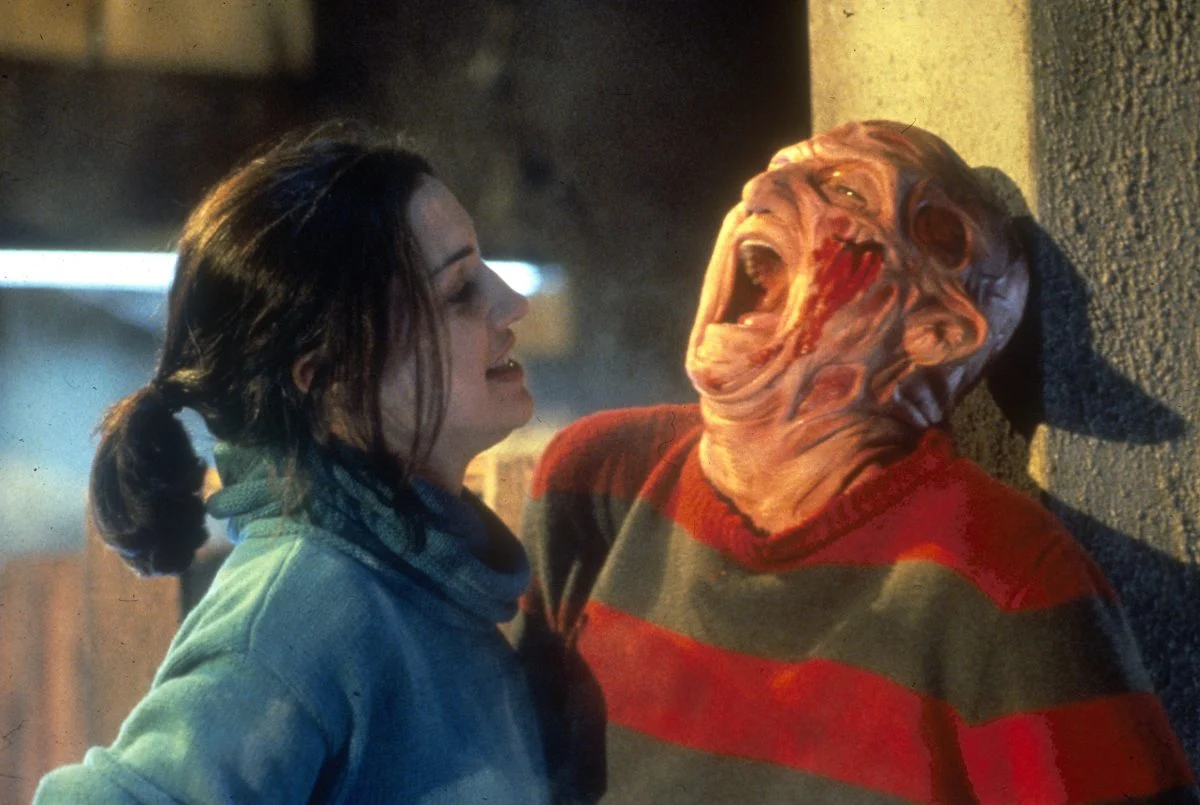
Every night, the human brain engages in a complex synthesis of memory, fear, aspiration, and imagination, constructing a subconscious narrative that serves as the basis for the cinematic exploration of dreams. While filmmakers have attempted to capture this surreal state since the advent of silent cinema, few have achieved the cultural ubiquity of Wes Craven. With the 1984 release of A Nightmare on Elm Street, Craven introduced Freddy Krueger, a horror antagonist who bypassed traditional geographic limitations—such as summer camps or isolated motels—by infiltrating the one place where victims are most vulnerable: their own sleep.
Historical Context and Franchise Evolution
The A Nightmare on Elm Street franchise, spanning from 1984 to 2010, comprises nine feature films. The series is defined by its fluid thematic approach; while the aesthetic of the antagonist—a bladed glove, a fedora, and a burnt sweater—remains constant, his symbolic function has shifted over four decades. Scholars and critics have frequently identified Freddy Krueger as a manifestation of varying societal anxieties, ranging from the trauma of domestic abuse to the ethical implications of vigilantism and the fear of the subconscious mind.
The franchise’s production history reflects the changing landscape of the slasher genre. Following the original film’s success, New Line Cinema—often dubbed "The House That Freddy Built"—utilized the series to transition from an independent distributor into a major studio player. The subsequent sequels, often characterized by escalating special effects and increasingly dark humor, solidified the character’s status as a pop-culture icon.
Chronological Ranking and Production Analysis
The following list examines the nine entries in the franchise, categorized by their narrative coherence, technical innovation, and thematic execution.
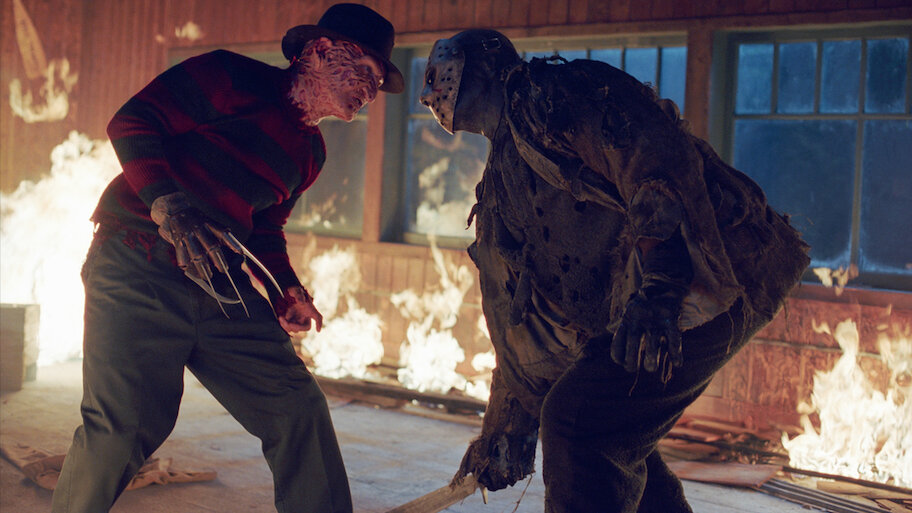
9. Freddy vs. Jason (2003)
Directed by Ronny Yu, this crossover film attempted to revitalize two dormant slasher titans. While the film provided a clear resolution to the ongoing debate regarding the superiority of either villain, it suffered from the narrative constraints of early 2000s teen-slasher tropes. Despite a strong cast, the film is often critiqued for its dated aesthetic and inconsistent handling of the established mythology of both franchises.
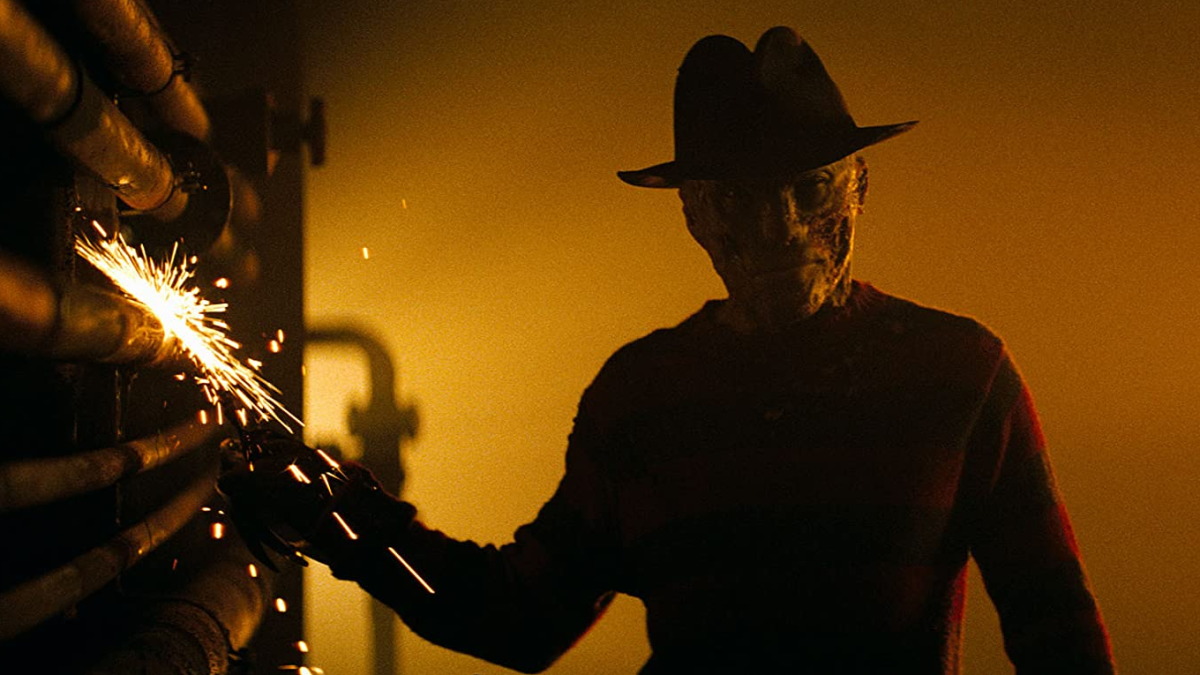
8. A Nightmare on Elm Street (2010)
Samuel Bayer’s remake sought to ground the narrative in the contemporary trauma of suburban youth rather than the sins of previous generations. While the film was noted for a more serious tone, the removal of the character’s hallmark dark humor proved polarizing. It remains a notable example of the mid-2000s trend of horror remakes, providing a more clinical, albeit less iconic, perspective on the source material.
7. A Nightmare on Elm Street 4: The Dream Master (1988)
Directed by Renny Harlin, this entry is frequently cited for its high-production value, particularly regarding its soundtrack and visual effects. It effectively expanded the "dream logic" established in earlier films, allowing for a more imaginative visual vocabulary. The film is also recognized for its focus on character development, specifically through the protagonist’s struggle with parental alcoholism and the use of escapist fantasy as a coping mechanism.
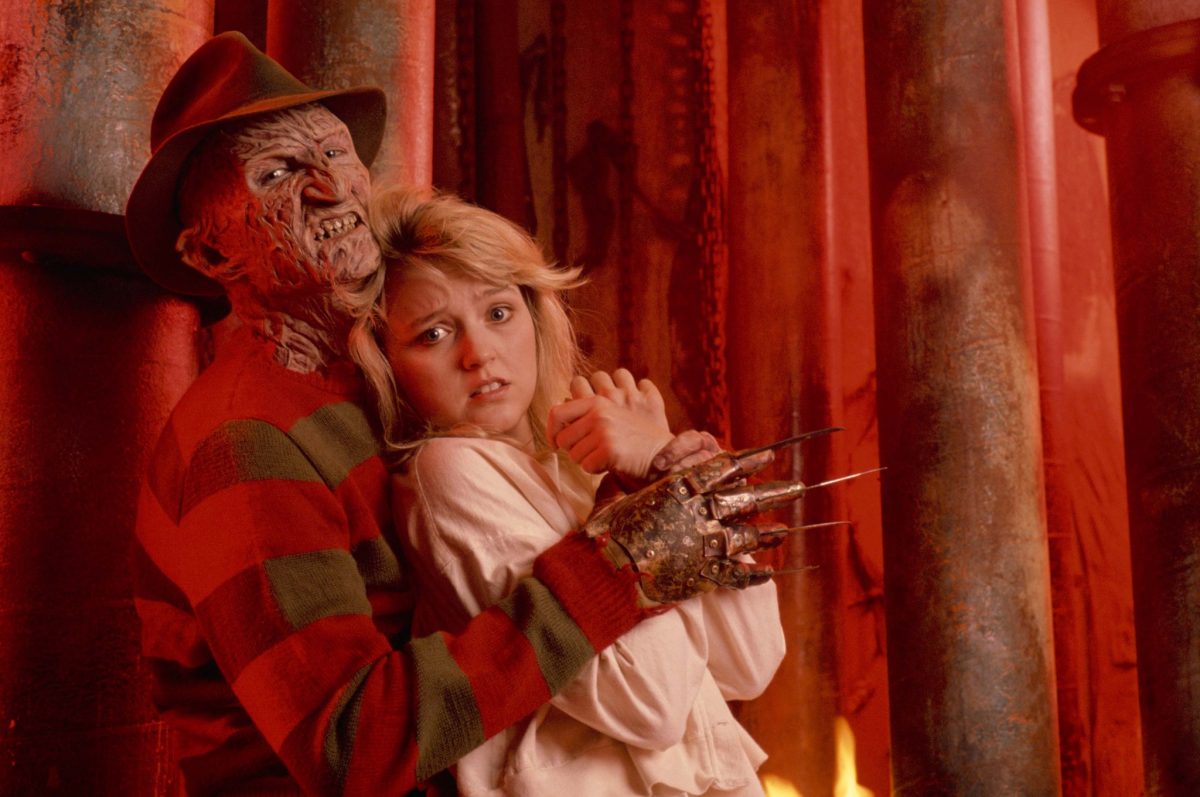
6. A Nightmare on Elm Street: The Dream Child (1989)
Stephen Hopkins’ contribution is often analyzed for its ambitious visual storytelling. Utilizing a combination of stop-motion animation and practical effects, the film attempted to elevate the aesthetic quality of the sequels. While the narrative was perceived as less focused than its predecessors, its technical experimentation remains a point of interest for genre historians.
5. A Nightmare on Elm Street 3: Dream Warriors (1987)
Regarded as a turning point for the franchise, Chuck Russell’s film re-introduced Heather Langenkamp as Nancy Thompson. The film’s primary innovation was the introduction of collaborative dreaming, which allowed the ensemble cast to combat the antagonist within the dream space. This film set the standard for the series’ balance of horror, camp, and character-driven stakes.
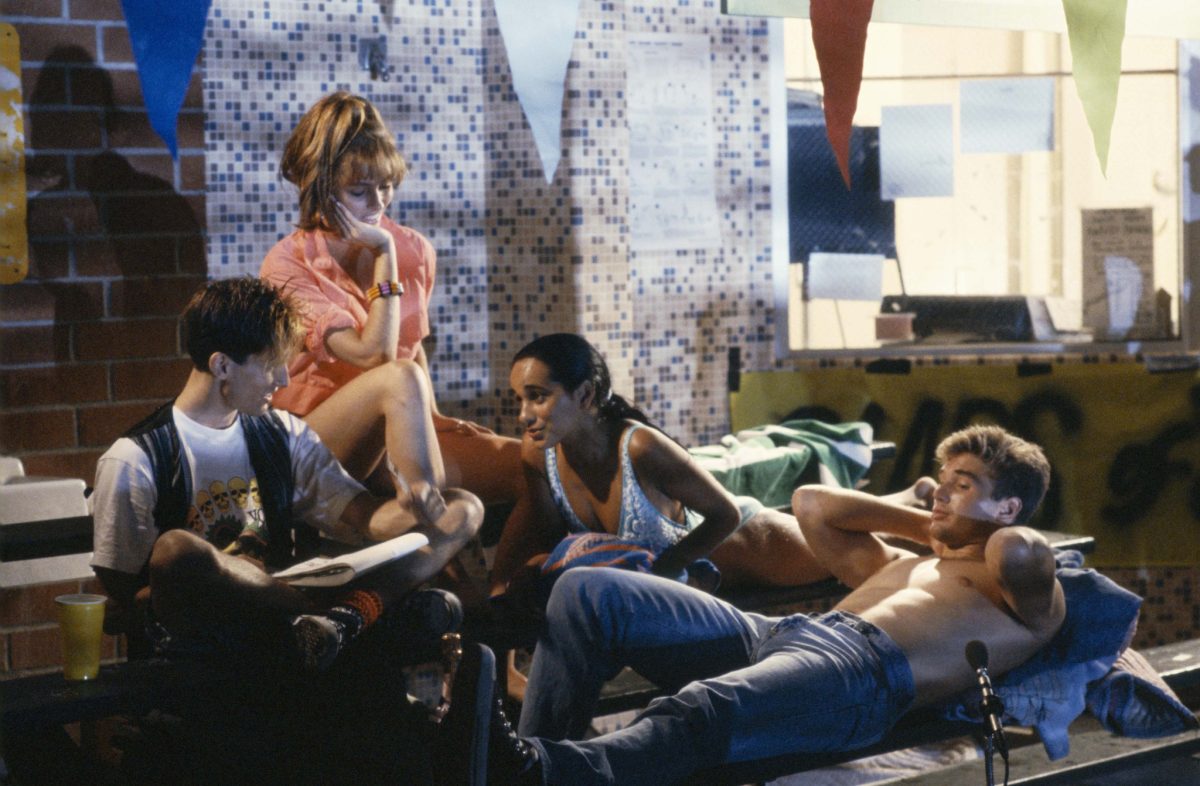
4. Freddy’s Dead: The Final Nightmare (1991)
Rachel Talalay’s directorial debut was marketed as the conclusion to the original series. While initially met with skepticism due to its overtly comedic tone, the film has since undergone a critical reappraisal. Its exploration of Freddy Krueger’s origin, including his life as a parent and the cyclical nature of abuse, provided a surprisingly somber emotional conclusion to the initial cycle of films.
3. A Nightmare on Elm Street Part 2: Freddy’s Revenge (1985)
Jack Sholder’s sequel is frequently studied for its subtextual exploration of identity and sexuality. Set against the backdrop of the mid-1980s AIDS crisis, the film uses the dream-state metaphor to examine themes of repression and self-hatred. It is considered one of the most significant entries in the franchise for its departure from standard slasher conventions and its enduring queer subtext.
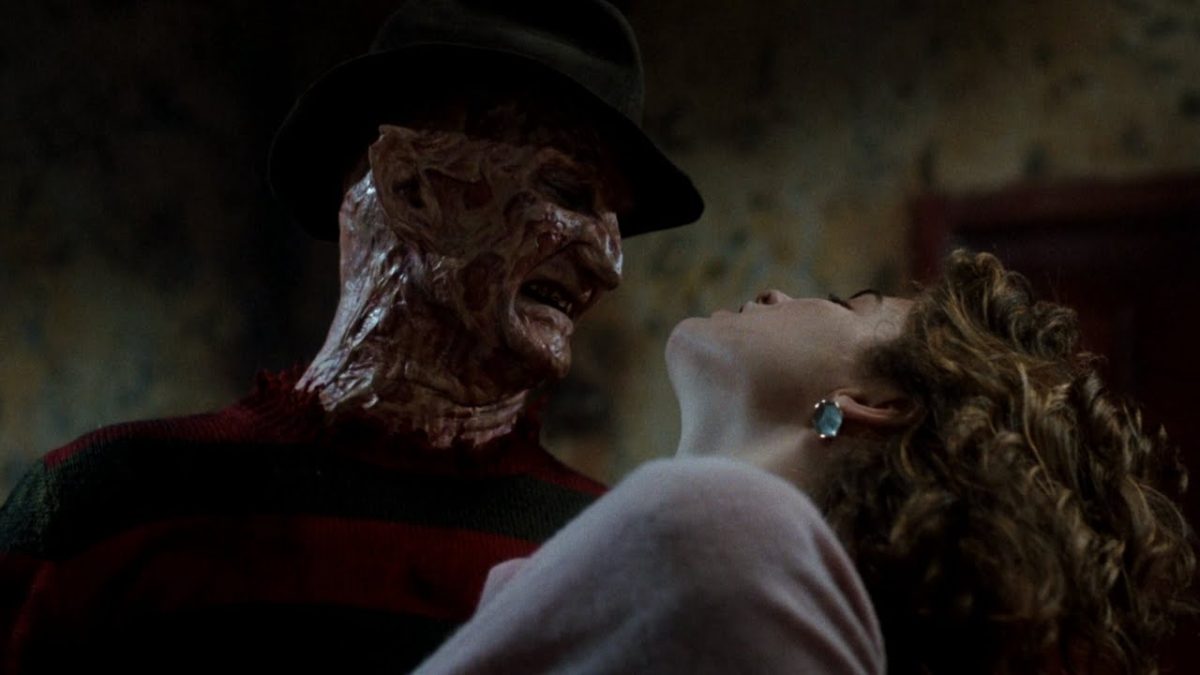
2. A Nightmare on Elm Street (1984)
Wes Craven’s original film remains the gold standard of the franchise. By establishing the "rules" of the dream world, Craven created a claustrophobic atmosphere that capitalized on the inevitability of sleep. Its exploration of generational trauma and the failure of adult authority figures to protect their children established the socio-political foundation upon which the entire series was built.
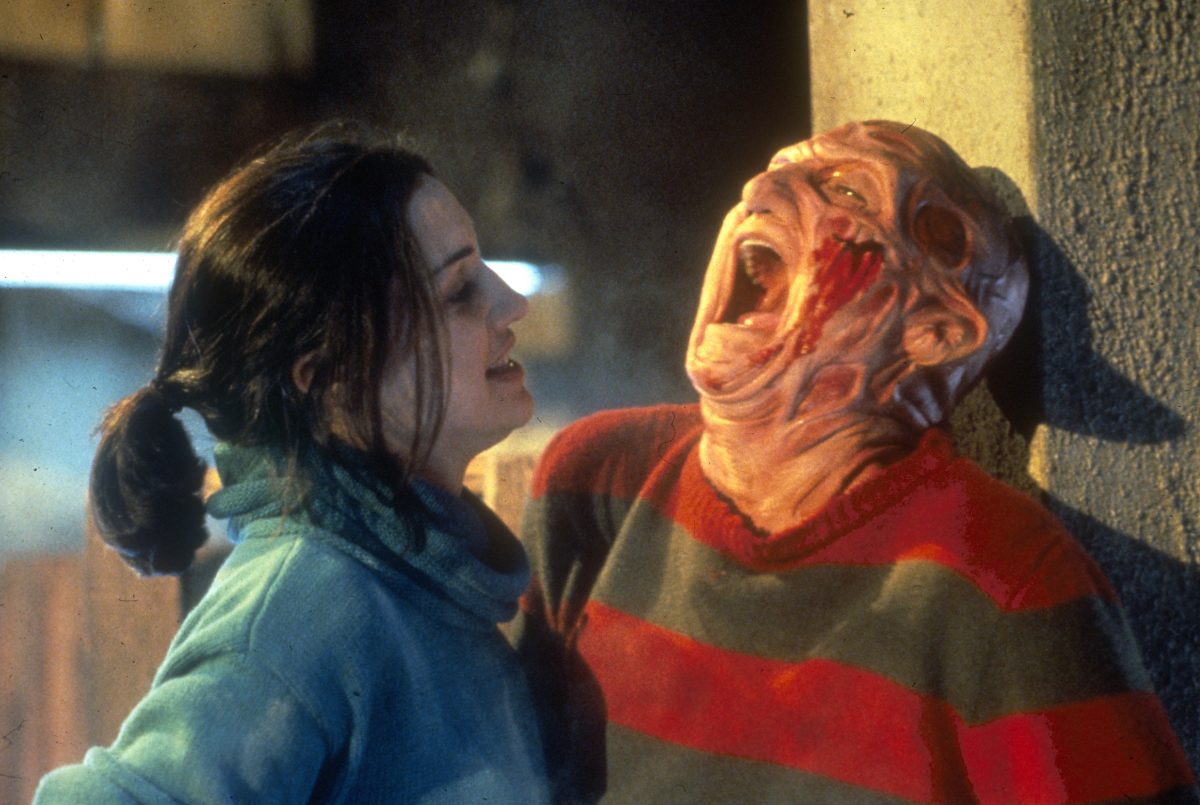
1. Wes Craven’s New Nightmare (1994)
This meta-cinematic masterpiece challenged the boundaries between fiction and reality. By having the actors, including Heather Langenkamp and Wes Craven himself, play fictionalized versions of their real-life selves, the film transformed the series into a modern mythology. It serves as a profound meditation on the responsibility of creators toward their audiences and the way collective cultural fears evolve over time.
Statistical and Cultural Impact
The economic impact of the A Nightmare on Elm Street franchise is substantial. The original 1984 film was produced on a budget of approximately $1.1 million and grossed over $25 million domestically, effectively saving New Line Cinema from bankruptcy. Collectively, the franchise has grossed over $450 million worldwide, cementing its position as one of the most profitable horror properties in history.
The series also pioneered the use of practical special effects in the 1980s. The "rotating room" effect in the original film and the complex makeup applications required for Robert Englund’s transformation into Freddy Krueger remain subjects of study in practical cinematography and visual effects design.

Broader Implications and Legacy
The endurance of the A Nightmare on Elm Street series can be attributed to its "slippery" nature. Unlike other horror franchises that rely on static formulas, the Elm Street films consistently adapted to the cultural anxieties of their respective decades. Whether functioning as a metaphor for the fear of mortality or a vessel for exploring the intricacies of human trauma, the franchise has maintained a consistent level of academic and fan-based scrutiny.
The legacy of these films extends beyond the horror genre. By positioning the dream as a space of both creative freedom and existential terror, Wes Craven and his successors provided a narrative framework that has influenced countless works of contemporary fiction. As the franchise continues to be analyzed by historians, psychologists, and film critics alike, it serves as a testament to the power of cinema to reflect the most profound, and often the most hidden, aspects of the human experience. The franchise remains a primary case study in how a singular, terrifying concept can be expanded, deconstructed, and rebuilt to remain relevant to successive generations of viewers.




