
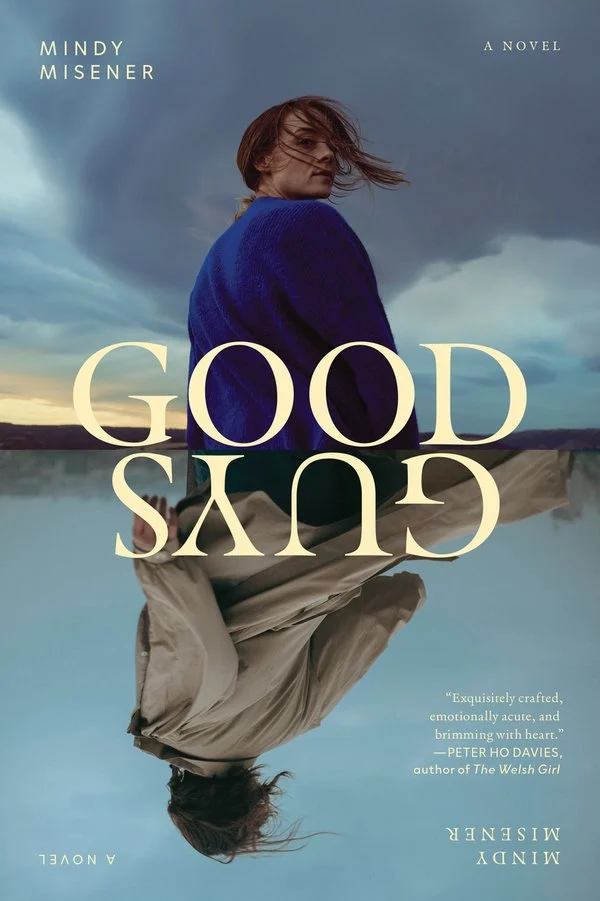
The literary landscape for October 2026 is marked by an expansive collection of queer-centric titles, reflecting a robust publishing trend that prioritizes diverse narratives across horror, memoir, speculative fiction, and historical research. As publishers increasingly recognize the demand for LGBTQ-inclusive literature, the upcoming month showcases a significant shift toward genre-blending works that challenge traditional categorization. This release cycle, characterized by high-profile memoirs and experimental horror, highlights a growing industry commitment to amplifying voices that historically operated on the margins of mainstream commercial publishing.
The publication schedule for October 2026 suggests a concerted effort by both major publishing houses and independent presses to capitalize on the autumnal interest in gothic and supernatural themes, while simultaneously maintaining a steady output of critical nonfiction. Data from current market trends indicate that queer literature is currently experiencing a sustained period of growth, with sales of LGBTQ+ fiction rising by approximately 12% annually over the last three years. This surge has encouraged publishers to greenlight a wider array of titles that explore the intersections of identity, history, and the supernatural.
Chronology of October 2026 Releases
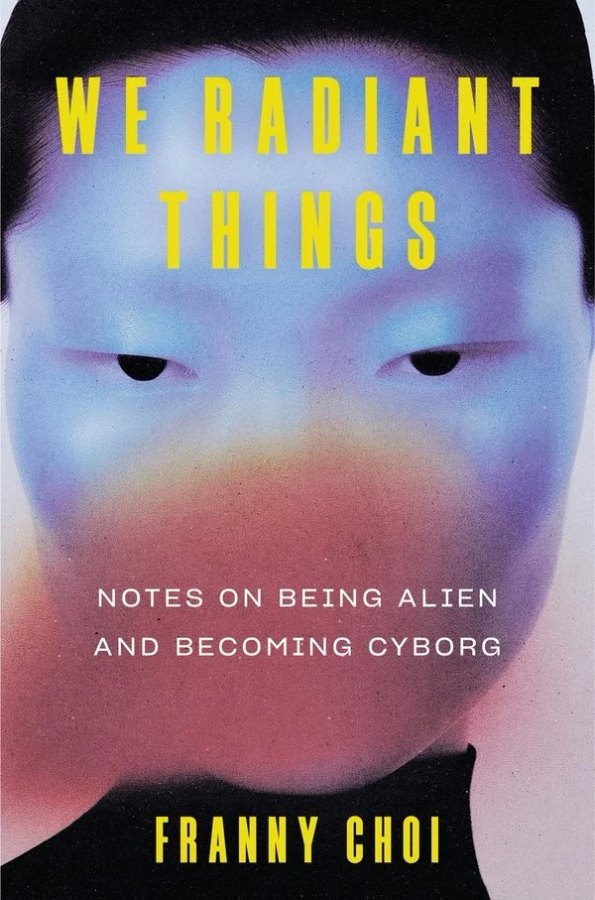
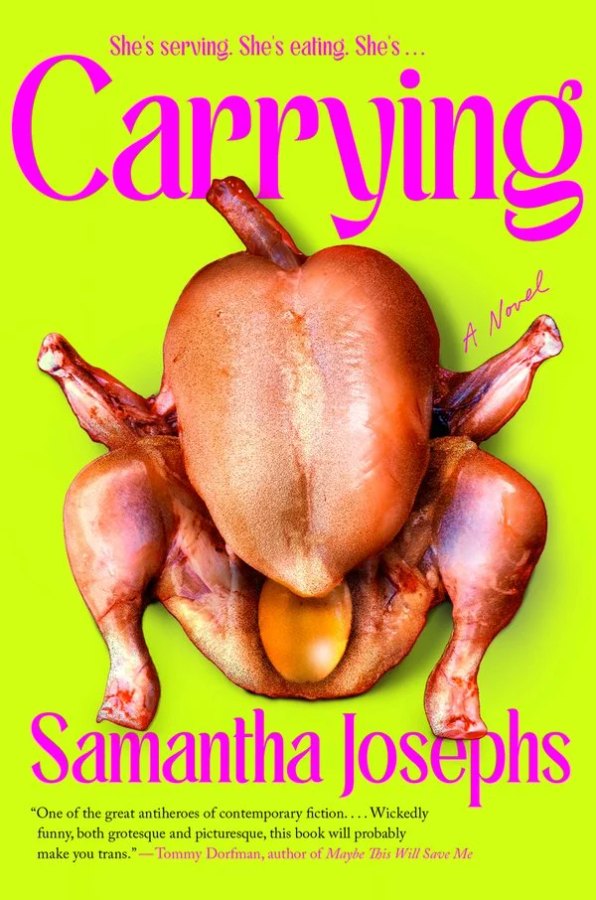
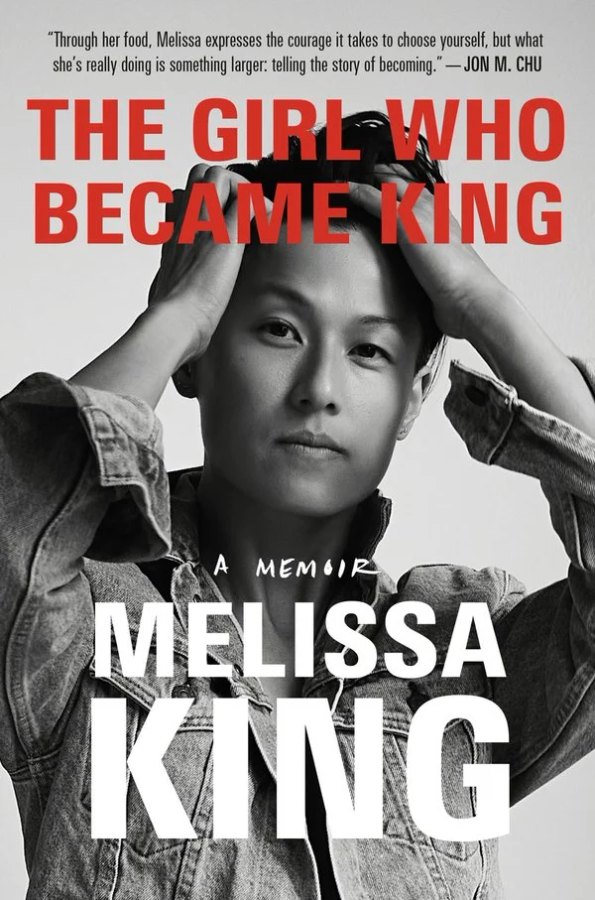
The month opens with a focus on visceral storytelling and introspection. On October 6, the market will see the release of Samantha Josephs’ horror novel Carrying, followed by the highly anticipated memoir by Melissa King, The Girl Who Became King, and Franny Choi’s collection of essays, We Radiant Things: Notes on Being Alien and Becoming Cyborg. These titles set the tone for a month that emphasizes the "otherness" often experienced within the queer community, whether through the lens of horror or personal narrative.

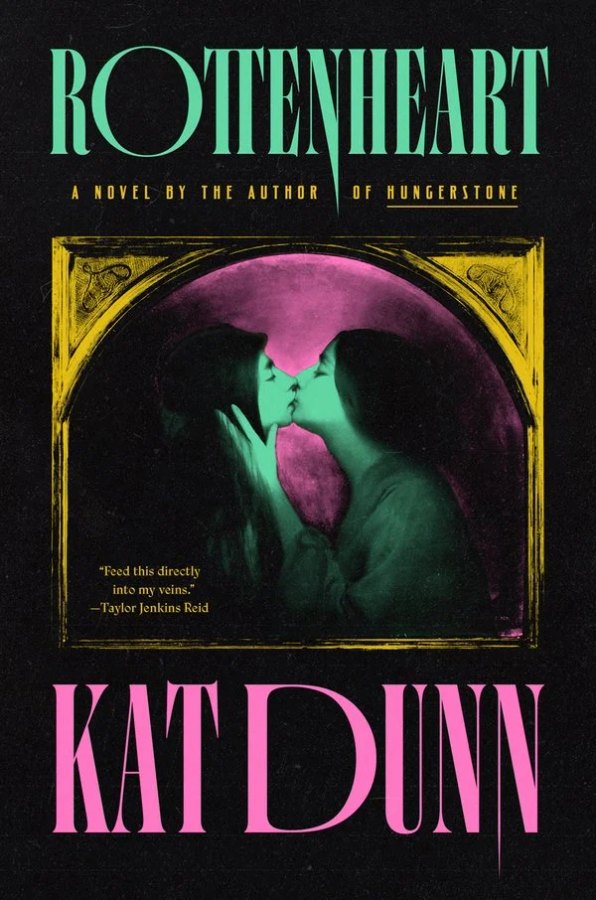
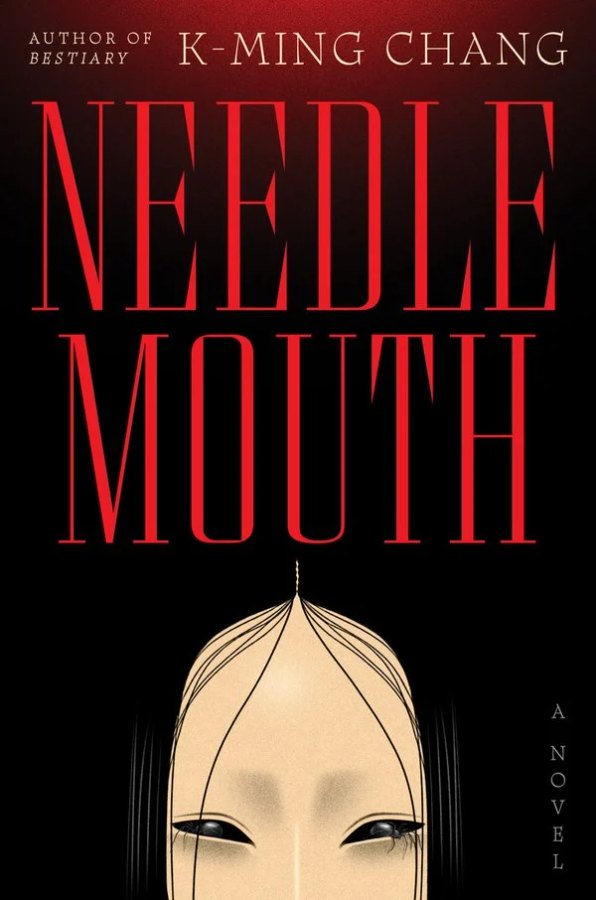
As the month progresses to October 13, the focus shifts toward literary fiction and gothic explorations. Julie Orringer’s latest work, Luna, Phoenix, Queen, joins Kat Dunn’s gothic horror piece, Rottenheart, in a mid-month push that caters to readers seeking atmospheric and complex character studies. The literary diversity continues into October 20, which features a dense lineup including K-Ming Chang’s horror novel Needlemouth, Tanaïs’s speculative fiction work Stellar Smoke, and Zaina Arafat’s hybrid essay-memoir, Our Arab: On Longing, Belonging, and Hope.
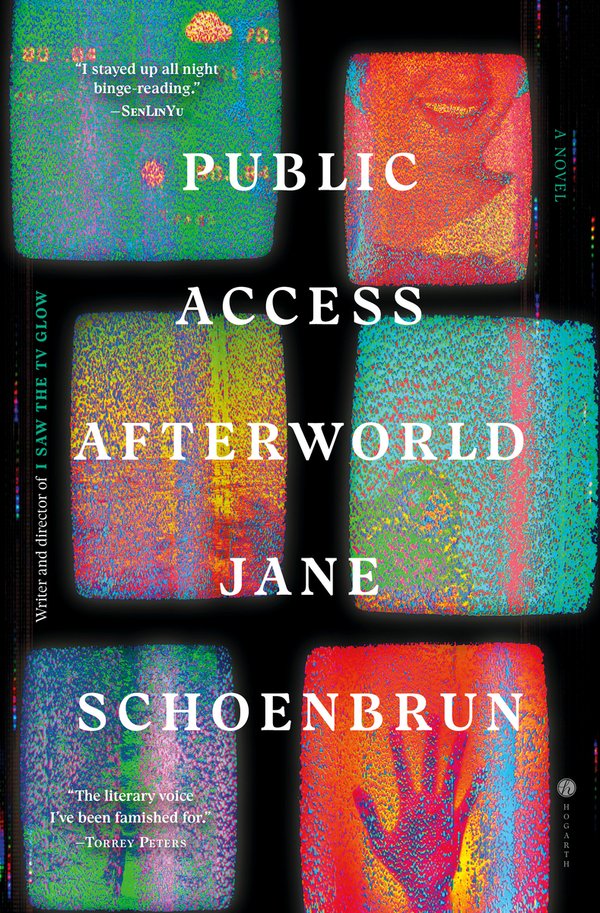
The final week of October, concluding on the 27th, leans heavily into genre fiction, specifically thriller and horror elements. Jane Schoenbrun’s Public Access Afterworld is scheduled to arrive alongside Andrew Joseph White’s YA thriller, You’re No Better. This late-month cluster is strategically positioned to align with seasonal demand for suspense-driven literature, a trend that has become a staple of the October publishing calendar.
Data and Market Implications

The sheer volume of queer-themed releases in October 2026 serves as an indicator of a maturing market. Historically, LGBTQ+ books were relegated to specific "Pride Month" release windows in June. However, industry data from the Association of American Publishers suggests a move toward "all-year-round" inclusion. The inclusion of titles such as Grace Lavery’s Personal Demons: Possession Narratives of Late Liberalism—which bridges the gap between academic trans studies and general-interest nonfiction—signifies that publishers are no longer viewing queer content as a niche segment.

Moreover, the prevalence of poetry and essay collections, such as Aileen Keown Vaux’s Sad Man Happy Hour and Stacy Szymaszek’s About the House, demonstrates that the market is currently receptive to non-narrative forms. This indicates that readers are seeking intellectual engagement alongside entertainment, a trend that benefits independent presses that specialize in experimental or avant-garde formats.
Broader Impact and Cultural Significance

The release of titles like Whose Beloved Community? The Intersections of Black and LGBTQ Civil Rights, edited by Dwight A. McBride, Beverly Guy-Sheftall, and Justin A. Joyce, underscores the importance of academic rigor in current queer discourse. By documenting the historical intersections of race and sexuality, this work and others like it provide necessary context for contemporary political discussions. The publication of such books suggests that the industry is not only interested in stories of individual identity but also in the sociopolitical frameworks that have shaped the LGBTQ experience.
From a critical perspective, the October 2026 list reflects a departure from the "trauma-only" narrative that has dominated queer publishing for decades. While horror and tragedy remain present, there is a marked increase in speculative and genre-bending works that allow queer characters to inhabit worlds where their identity is not the sole source of conflict. This evolution in storytelling is crucial for the long-term sustainability of the genre, as it allows for broader creative exploration and audience engagement.
Industry Perspectives and Expert Commentary
While specific statements from publishers remain guarded until official release dates, industry analysts note that the concentration of queer titles in October represents a "re-allocation of resources." A spokesperson for a major independent literary agency noted that the success of queer YA fiction in the early 2020s paved the way for the current influx of adult-oriented queer genre fiction. "The readers who grew up on the queer YA boom are now in their twenties and thirties," the analyst explained. "They are demanding more complex, darker, and more experimental content that reflects their adult experiences."
This generational shift is evident in the inclusion of titles like Murray Hill’s Showbiz! My Life as a Middle-Aged Man, which offers a perspective on aging within the queer community—a topic that has been historically underrepresented in the literary canon. By diversifying the age ranges and life experiences represented, publishers are effectively expanding their demographic reach.
Analysis of Genre Trends

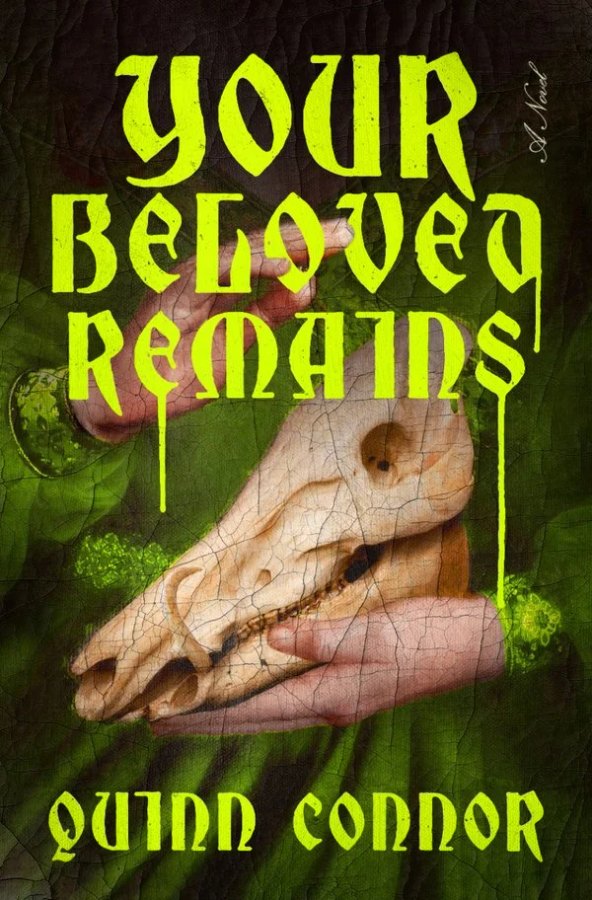
The prevalence of horror as a vehicle for queer expression is perhaps the most notable trend of the 2026 autumn season. Authors such as Hailey Piper (She Isn’t Herself Tonight) and Quinn Connor (Your Beloved Remains) utilize the tropes of the horror genre to explore themes of body autonomy, societal alienation, and the fear of the unknown. This intersection of "queer" and "horror" has become a potent combination, as the inherent instability of the genre allows for metaphors that resonate deeply with the LGBTQ experience.

Simultaneously, the presence of holiday-themed romances, such as Court Behr’s A Very Merry Detour and Tanya Boteju’s Setting the Stage for Christmas, balances the intensity of the horror and nonfiction titles. This variety ensures that the October 2026 list remains accessible to a wide array of readers, preventing the "queer" label from being synonymous with a single tone or experience.
Future Outlook for Queer Publishing
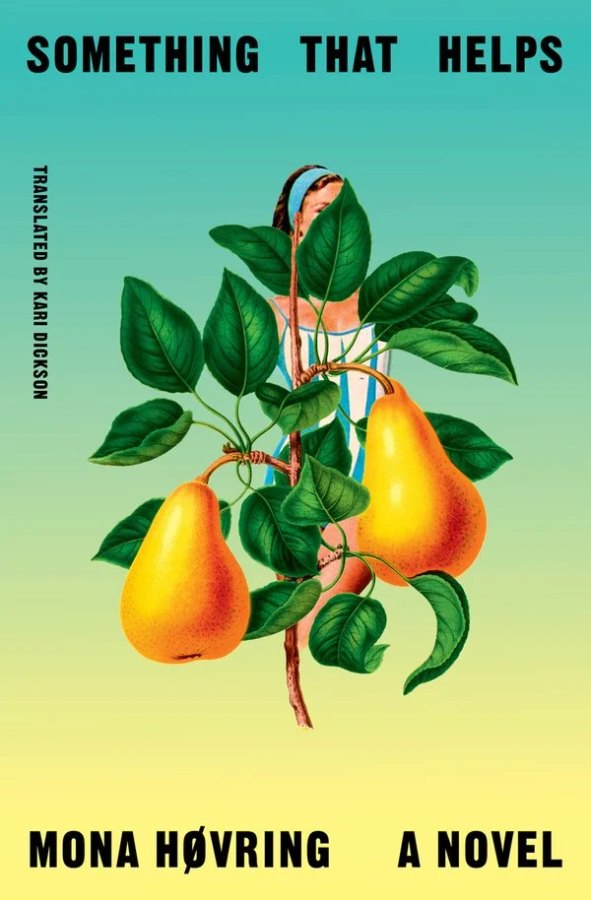
The success of these upcoming titles will likely determine the publishing strategies for 2027 and beyond. If these books perform well commercially, it is expected that major publishing houses will continue to increase their investment in queer authors, potentially leading to larger marketing budgets and more prominent placement in retail environments. Furthermore, the inclusion of translated works, such as Mona Hövring’s Something That Helps (translated by Kari Dickson), indicates a global expansion of the market, with domestic publishers looking to international queer voices to fill gaps in the American literary scene.
In summary, the October 2026 collection is characterized by its breadth and its rejection of monolithic storytelling. Whether through the lens of academic history, the visceral fear of the supernatural, or the intimate reflections of a memoir, these books contribute to a comprehensive tapestry of the modern queer experience. As the publishing industry continues to navigate the complexities of identity and commercial viability, the October 2026 list stands as a testament to the enduring and evolving power of queer literature in the mainstream marketplace. Readers and critics alike are expected to watch these releases closely, as they represent the current state of a vibrant, rapidly expanding segment of the literary world.




