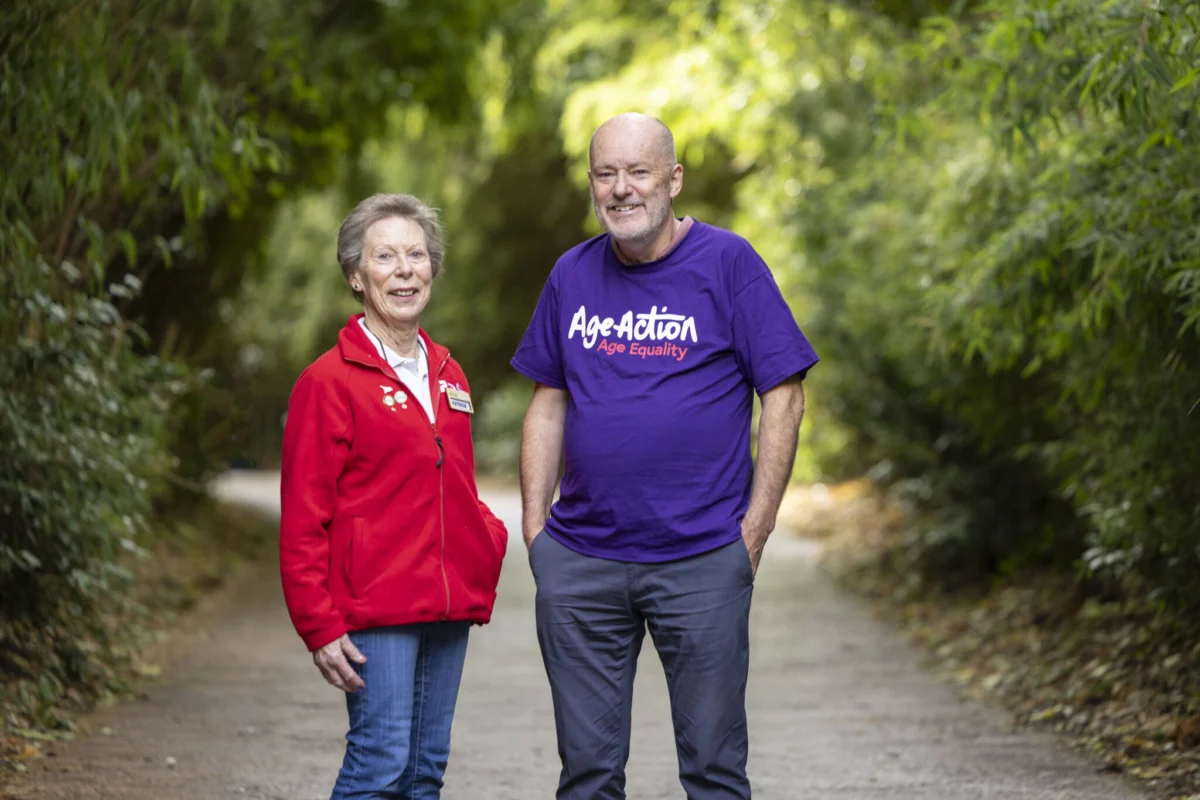
Age Action, Ireland’s leading advocacy organization for older people, and the Irish Senior Citizens Parliament (ISCP) have launched a major national consultation initiative aimed at fundamentally strengthening the collective voice of the elderly within the Irish public policy framework. This strategic partnership seeks to bridge the gap between legislative decision-making and the lived experiences of those in the later stages of life, ensuring that the perspectives of senior citizens are not merely considered but are central to the development of government strategies that directly impact their health, social inclusion, and economic security.
The initiative, which has officially opened for public engagement, is designed to gather comprehensive insights from a broad spectrum of stakeholders. While the primary objective is to capture the voices of older people themselves, the consultation also invites input from community organizations, specialized advocates, and citizens with an interest in the future of the Irish demographic landscape. By engaging Mosaic Social Impact to oversee the methodology of the consultation, the organizations aim to ensure that the data collected is robust, representative, and actionable for future policy lobbying.
Background and Rationale for Policy Reform
The decision to launch this consultation comes at a critical juncture for Irish society. Demographic data from the Central Statistics Office (CSO) consistently highlights a rapidly aging population, with the number of people aged 65 and over projected to increase significantly over the next two decades. As the demographic pyramid shifts, the existing infrastructure for healthcare, pension stability, and community-based social services faces unprecedented pressure.
Historically, older people have often been the subject of policy decisions rather than active participants in their creation. Age Action and the ISCP contend that this top-down approach has led to a disconnect in the efficacy of public services. By formalizing this consultation process, the groups are attempting to move toward a model of "participatory policy-making," where the recipients of services are empowered to define the standards and priorities of those services. This is not merely a social objective but a functional necessity; as the state manages the fiscal implications of an aging workforce and increased medical demand, the insights provided by those navigating these systems are essential for long-term sustainability.
Chronology of the Consultation Process
The formalization of this project follows months of internal discussions between Age Action and the ISCP regarding the efficacy of current advocacy channels.
- Early 2025: Initial discussions between Age Action and the ISCP regarding the need for a more cohesive, data-driven approach to policy advocacy.
- Mid-2025: Recruitment of Mosaic Social Impact to design a consultation framework that ensures accessibility for elderly participants, including those with limited digital literacy.
- August 2025: Formal public launch of the consultation phase.
- September 19, 2025: Final deadline for all survey responses, both digital and telephonic.
- Post-September 2025: Aggregation and analysis of findings by Mosaic Social Impact, followed by the drafting of a white paper or policy recommendation document for presentation to the Oireachtas.
Supporting Data and Demographic Trends
According to the most recent census data, the "old-age dependency ratio"—the number of older people as a percentage of the working-age population—is on an upward trajectory. This metric is a key indicator used by economists to forecast the sustainability of the social welfare system. In Ireland, the transition to an older society is being met with a variety of systemic challenges, including the "cost of living" crisis, which disproportionately affects those on fixed pension incomes, and a housing crisis that limits the options for older people looking to downsize or move into managed care.
Furthermore, reports from the World Health Organization (WHO) and the European Commission emphasize that "active aging" policies, which encourage the continued social participation of seniors, lead to better mental health outcomes and reduced burdens on the acute hospital system. The current consultation aims to collect granular data on these specific areas: financial stability, quality of life in rural versus urban settings, and the efficacy of home-care support packages. By quantifying these experiences, the partners hope to provide the government with a roadmap that moves away from reactive crisis management and toward a proactive, life-course-based approach to aging.
Perspectives from Advocacy and Policy Experts
While the consultation is currently in its data-gathering phase, early reactions from independent policy analysts suggest that this project fills a significant gap in the current political landscape. Observers note that while Ireland has a "National Positive Ageing Strategy," the implementation of such strategies has often been hampered by a lack of real-time feedback from the target demographic.
An official spokesperson for Age Action noted that the inclusion of a telephone-based submission option is a vital component of the project. "We are acutely aware that the digital divide is a reality for many older people in Ireland," the spokesperson indicated. "If we are to build a truly representative picture of what it means to grow old in this country, we cannot rely solely on online portals. We must meet people where they are, whether that is through digital platforms or through a simple, direct telephone conversation."
The involvement of the ISCP, which represents a vast network of senior citizen groups, adds a layer of grassroots legitimacy to the project. The ISCP has long championed the rights of the elderly, focusing on issues such as the state pension, transport access, and the right to autonomy in healthcare decision-making. By pooling their resources with Age Action, they are effectively creating a "super-advocacy" bloc that will be difficult for policymakers to overlook when the final results are published in late 2025.
Broader Implications for Public Policy
The implications of this initiative extend far beyond the immediate survey results. If successful, this project could set a new standard for how public policy is developed in Ireland, shifting the expectation toward mandatory consultation with older citizens on any legislation that affects their quality of life.
There are also broader societal implications regarding the "intergenerational contract." As the cost of supporting an aging population rises, tensions can sometimes emerge between different age cohorts regarding tax allocations and service prioritization. A transparent, evidence-based consultation process that involves the elderly in the discourse can help mitigate these tensions by highlighting the contributions that older people continue to make to society—through volunteering, caregiving, and community leadership—which are often invisible in traditional economic accounting.
Moreover, the data gathered will likely be used to challenge the prevailing "deficit model" of aging, which views the elderly primarily as a cost to the state. Instead, the findings are expected to reinforce the "capacity model," which emphasizes the potential of older people to remain productive and engaged members of the community if the correct support structures are in place.
How to Participate
The window for public input is intentionally kept concise to ensure that the data remains relevant to the current socio-economic climate. Interested parties are encouraged to visit the Mosaic Social Impact consultation portal to complete the survey.
The survey has been designed to be user-friendly, prioritizing accessibility and clarity to ensure that participants of all technical abilities can contribute their views. For those who prefer or require assistance, the dedicated phone line (01 203 0737) provides a secure, confidential way to share experiences directly with researchers. All submissions must be finalized no later than Friday, September 19, 2025.
The collaboration between Age Action and the ISCP represents a significant step toward ensuring that the voices of the past and present are heard in the policies of the future. As the project moves into its final phase of data collection, the focus remains on the ultimate goal: creating a future where aging in Ireland is supported by policies that are reflective of the dignity, diversity, and practical needs of an aging population. By engaging in this process, citizens are contributing to a long-term strategy that will define the quality of life for millions of people in the decades to come.