
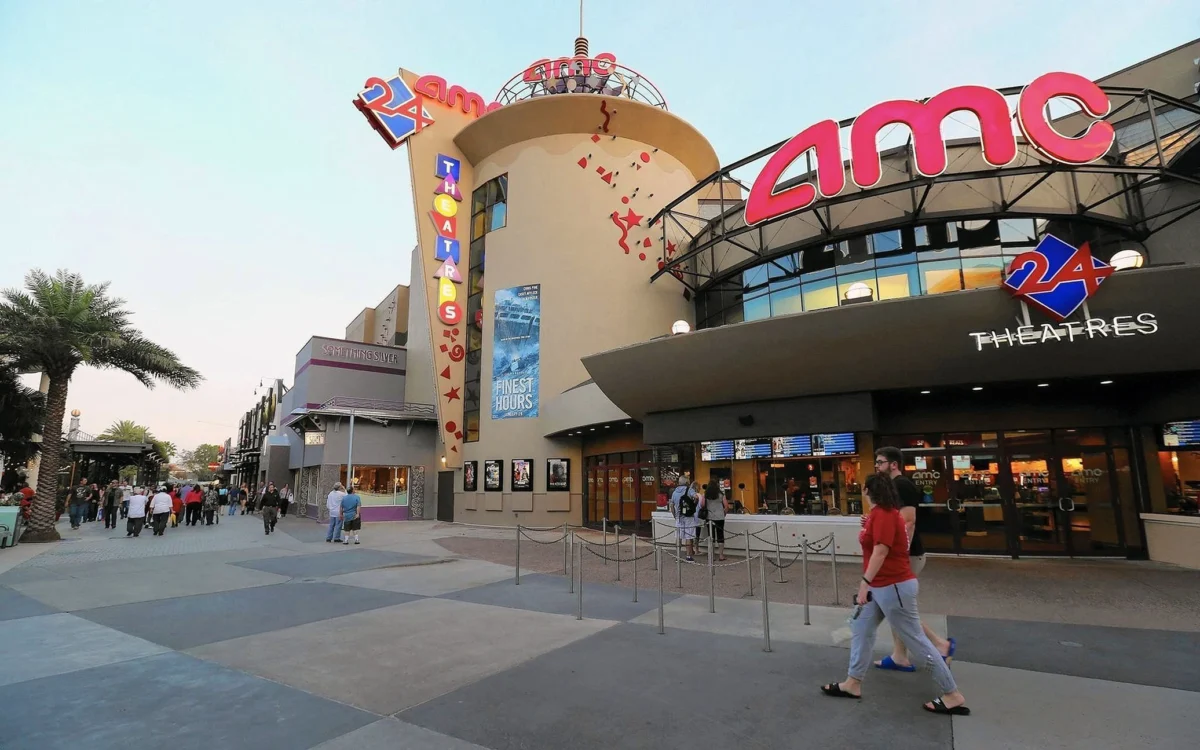
American Multi-Cinema, operating nationwide as AMC Theatres, has agreed to a financial settlement and comprehensive operational reforms to resolve a federal disability discrimination lawsuit filed by the U.S. Equal Employment Opportunity Commission (EEOC). The litigation stemmed from the treatment and subsequent departure of Marc Gillis, a loyal employee with cerebral palsy who dedicated 22 years of service to an AMC location in Owings Mills, Maryland. Under the terms of the consent decree, the nation’s largest movie theater chain will remit $56,000 in monetary relief to Gillis and institute extensive structural remedies designed to ensure compliance with federal anti-discrimination mandates.
The resolution brings to a close a high-profile legal battle that underscored the persistent vulnerabilities faced by individuals with developmental and physical disabilities in the contemporary American workforce. While the financial penalty itself represents a modest sum for a corporate entity of AMC’s scale, the mandatory injunctive relief—including policy overhauls, mandatory management training, and public workplace postings—carries significant institutional weight. Representatives for AMC Theatres did not respond to multiple requests for comment regarding the settlement terms, leaving the judicial agreement to speak for the organization’s official concessions.
Chronology of the Case and Escalation
The events culminating in the federal lawsuit spanned several years, marked by a sharp deterioration in workplace conditions following a change in local theater leadership. Marc Gillis had maintained a stable, productive career at the Owings Mills, Maryland AMC multiplex for over two decades, performing his job duties reliably despite the physical manifestations of cerebral palsy. However, the operational dynamic shifted dramatically when a new general manager was installed at the facility.
According to filings submitted by the EEOC in U.S. District Court, the incoming manager subjected Gillis to a hostile work environment characterized by aggressive verbal behavior, including public shouting. Concurrently, the management team began systematically reducing Gillis’s work hours, directly impacting his financial stability and integration within the workplace.
Crucially, the conflict centered on management’s repeated refusal to grant routine, low-cost reasonable accommodations essential for Gillis to execute his daily responsibilities. Gillis formally requested specific operational adjustments tailored to his physical limitations: a ticket scanner equipped with a stabilizing strap and a side button to mitigate motor control challenges, alongside a large-print reference list detailing movie titles and their corresponding auditorium numbers. These requests were allegedly ignored or dismissed by the new leadership.
The situation escalated when management ceased scheduling Gillis entirely, effectively severing his employment relationship after 22 years of continuous service. Recognizing a potential violation of federal law, Gillis sought recourse through the federal regulatory apparatus. Following an investigation, the EEOC filed a formal lawsuit against AMC Theatres, asserting that the company had violated the Americans with Disabilities Act (ADA) by failing to accommodate a disabled worker and subsequently forcing his ouster through discriminatory practices.
Details of the Federal Settlement Agreement
The consent decree agreed upon by AMC Theatres and the EEOC outlines strict compliance measures intended to rectify past failures and prevent future occurrences of disability discrimination within the company’s network of theaters. The settlement mandates the following actions:
- Financial Compensation: AMC will pay a total of $56,000 in damages to Marc Gillis, compensating him for lost wages, emotional distress, and professional displacement.
- Policy Revision: The corporation must review, update, and implement comprehensive internal policies and standard operating procedures regarding the handling of reasonable accommodation requests under the ADA. These protocols must establish clear channels for employees to seek accommodations without fear of retaliation.
- Mandatory Training: AMC is required to conduct specialized training sessions for management and supervisory personnel at the local and regional levels, focusing on legal obligations under the ADA, recognizing disability-related needs, and fostering an inclusive workplace culture.
- Notice Posting: The theater chain must visibly post official notices informing employees of their rights under federal disability discrimination laws and providing contact information for reporting potential violations.
Regulatory and Legal Framework
The enforcement action brought against AMC Theatres highlights the ongoing regulatory vigilance of the EEOC, the federal agency tasked with enforcing civil rights laws against workplace discrimination. Karen McDonough, acting field office director for the EEOC in Baltimore, emphasized the foundational intent of the landmark civil rights legislation during the announcement of the settlement.
"From its inception, the ADA has protected the right of people with significant disabilities like cerebral palsy to participate fully in the workforce," McDonough stated. "Employers have a legal obligation to provide reasonable accommodations, and the EEOC will hold them accountable when they fail to do so."
Enacted in 1990, Title I of the Americans with Disabilities Act prohibits private employers, state and local governments, employment agencies, and labor unions from discriminating against qualified individuals with disabilities in job application procedures, hiring, advancement, discharge, compensation, and training. Furthermore, the statute mandates that employers provide "reasonable accommodations" to the known physical or mental limitations of an otherwise qualified individual with a disability, unless imposing such accommodations would inflict an "undue hardship" on the operation of the business.
In legal terms, reasonable accommodations are adjustments or modifications provided by an employer to enable people with disabilities to enjoy equal employment opportunities. These can include job restructuring, modifying work schedules, acquiring or modifying equipment, and providing accessible facilities or auxiliary aids. In Gillis’s case, the requested adaptations—a modified ticket scanner and large-print schedules—fell well within the established legal interpretation of reasonable accommodation, requiring minimal expenditure while offering maximum utility for the employee.
Broader Impact on the Hospitality and Entertainment Sector
The resolution of the EEOC lawsuit against AMC Theatres arrives at a critical juncture for the service, hospitality, and entertainment industries, which have historically experienced high employee turnover rates and significant reliance on hourly labor. As major employers navigate labor market dynamics, the integration and retention of workers with disabilities have emerged as both a legal imperative and a corporate social responsibility metric.
Industry analysts note that high-profile discrimination lawsuits can inflict reputational damage that far outweighs the immediate financial penalties mandated by consent decrees. For a consumer-facing brand like AMC Theatres, maintaining public trust and demonstrating an institutional commitment to diversity, equity, and inclusion are vital components of brand equity. When an employer is publicly accused of casting aside a worker with a 22-year tenure due to a failure in basic managerial empathy and legal compliance, it triggers intense scrutiny from advocacy groups, institutional investors, and conscious consumers.
Furthermore, the case serves as a cautionary tale for human resources professionals and operational managers regarding the risks associated with decentralized management styles. Often, workplace discrimination and failure-to-accommodate claims originate not from centralized corporate policy, but from the arbitrary decisions of individual frontline supervisors who lack adequate training in employment law. By mandating comprehensive supervisory training across its operational footprint, the settlement attempts to address the human element of compliance, ensuring that local managers understand their legal and ethical duties under federal statute.
Implications for Workers with Developmental Disabilities
For disability rights advocates, the outcome of the AMC litigation reinforces the vital role of federal oversight in safeguarding the employment rights of individuals with developmental and physical disabilities. Labor statistics consistently demonstrate that individuals with disabilities face disproportionately higher unemployment and underemployment rates compared to their non-disabled peers, despite possessing the skills and desire to participate productively in the economy.
Organizations tracking employment trends for neurodivergent and physically disabled workers emphasize that retention is just as critical as initial hiring. Long-tenured employees like Marc Gillis represent institutional knowledge and community connection, particularly in retail and entertainment venues where customer service continuity is valued. When an experienced worker is forced out through systemic non-accommodation or managerial hostility, it sends a chilling message to other workers with disabilities regarding their job security and value within the organization.
The settlement between the EEOC and AMC Theatres provides a concrete precedent demonstrating that long-term service does not exempt corporations from accountability, nor does it shield them from federal enforcement actions when accommodation protocols break down. As regulatory bodies continue to scrutinize workplace equity, employers across all sectors are increasingly compelled to audit their internal procedures, modernize their accommodation frameworks, and ensure that supervisors at every level respect the dignity and legal rights of all workers.




