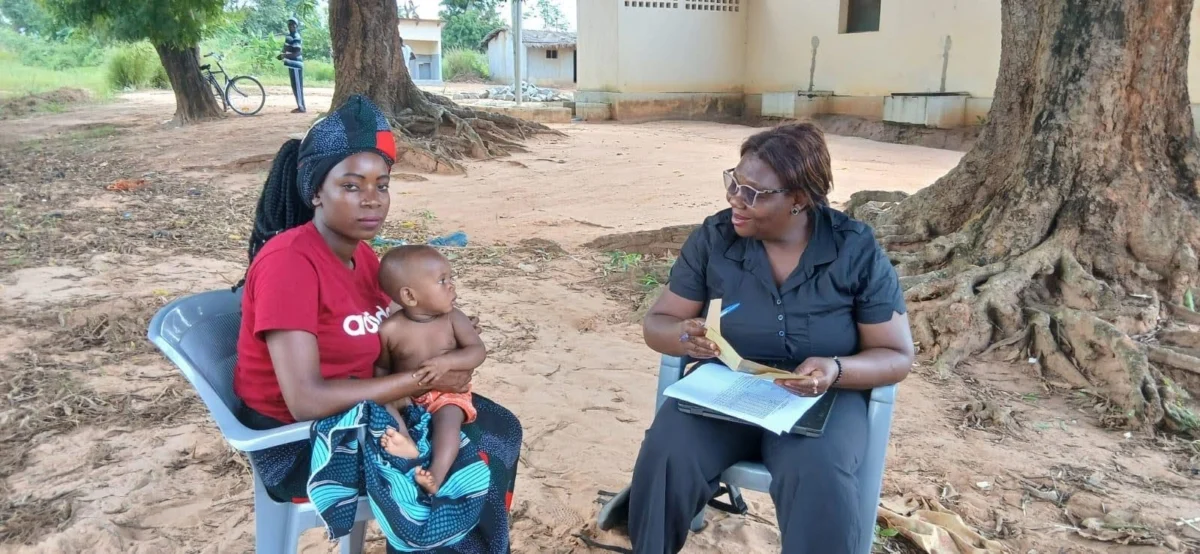
In the remote coastal district of Devbhumi Dwarka, Gujarat, a digital transformation is unfolding that challenges the traditional top-down approach to public health communication. World Education, an initiative of JSI, has partnered with John Snow India Private Limited (JSIPL) to pilot a program that integrates Adobe Express and its generative artificial intelligence (GenAI) capabilities into the daily workflows of frontline health workers. This initiative seeks to address a persistent challenge in international development: how to provide high-quality, culturally relevant, and linguistically accurate health information to communities with varying literacy levels and limited internet connectivity. By shifting local staff from being mere consumers of health media to active creators, the program is setting a new standard for how emerging technologies can be harnessed for social good in the Global South.
The Frontline Context: India’s Anganwadi System
To understand the impact of this GenAI intervention, one must first look at the backbone of India’s rural health infrastructure: the Anganwadi system. Established in 1975 as part of the Integrated Child Development Services (ICDS) program, Anganwadi Workers (AWWs) are community-based frontline social workers. There are approximately 1.4 million Anganwadi centers across India, serving as the primary point of contact for maternal and child health, nutrition education, and pre-school non-formal education.
In districts like Devbhumi Dwarka, AWWs are tasked with guiding families through the critical "first 1,000 days" of a child’s life—a period encompassing pregnancy and the first two years of infancy. However, these workers often face significant hurdles. The materials provided to them by central agencies are frequently text-heavy, written in non-local dialects, or feature imagery that does not reflect the lived reality of the Gujarati people. Furthermore, the traditional process for creating new materials—hiring external graphic designers and printers—is a multi-month endeavor that lacks the agility required to respond to immediate community needs.
Identifying the Communication Gap in Devbhumi Dwarka
The collaboration between World Education and JSIPL began with a rigorous needs assessment in Gujarat. The teams identified a profound "communication gap" between the health information available and the information consumed. While the district has seen a surge in mobile phone penetration, connectivity remains inconsistent in rural pockets. Communication has shifted almost entirely to WhatsApp, where visual media—images, short videos, and GIFs—reigns supreme.
Despite this digital shift, AWWs were often forced to use outdated posters or generic pamphlets that failed to resonate with local families. "The materials available to support their outreach did not always match those realities," the project report noted. Families with limited literacy often found dense text intimidating or irrelevant. There was an urgent need for a "visual-first" approach that could be produced locally, updated instantly, and shared via peer-to-peer digital networks.
The Technological Solution: Adobe Express and GenAI
The intervention centered on Adobe Express, a cloud-based design platform that has recently integrated Adobe Firefly, a suite of generative AI tools. Unlike professional-grade software that requires years of training, Adobe Express offers a user-friendly interface that allows non-designers to create high-quality content.
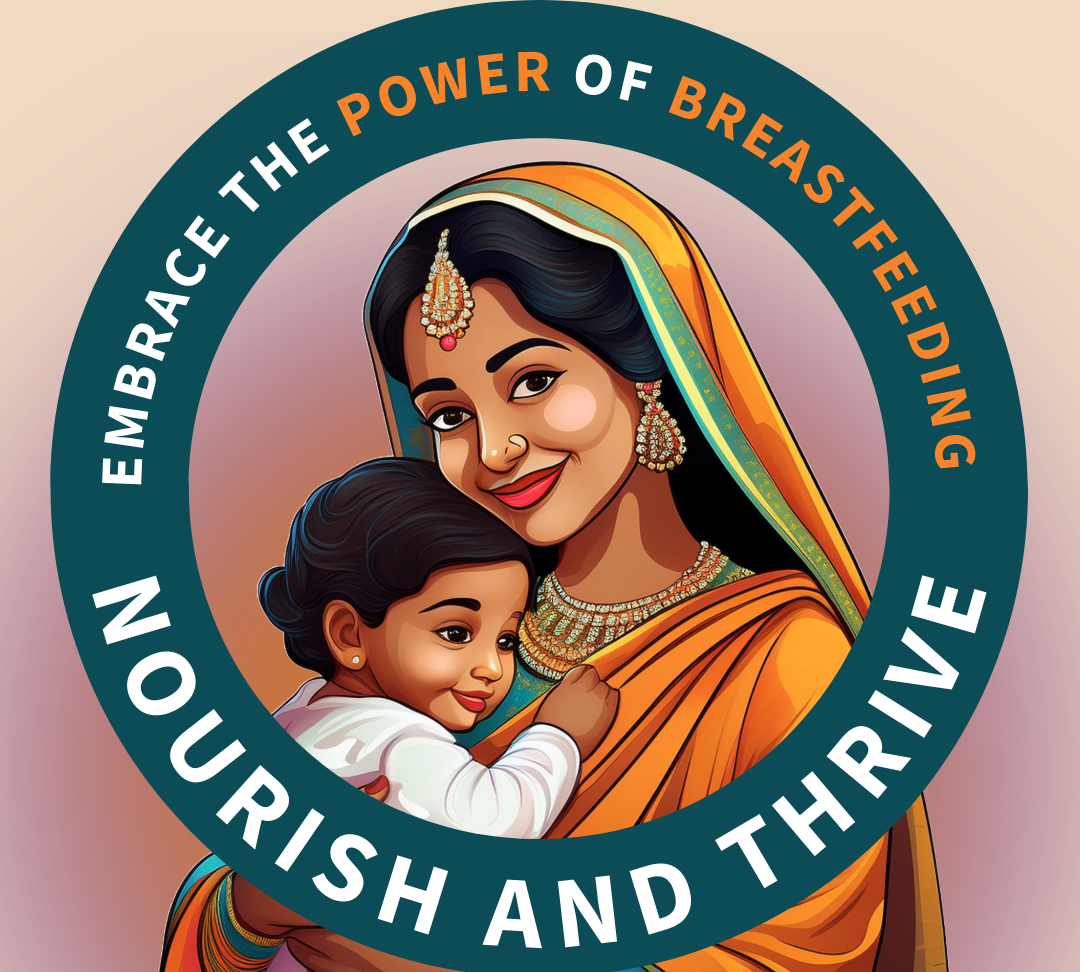
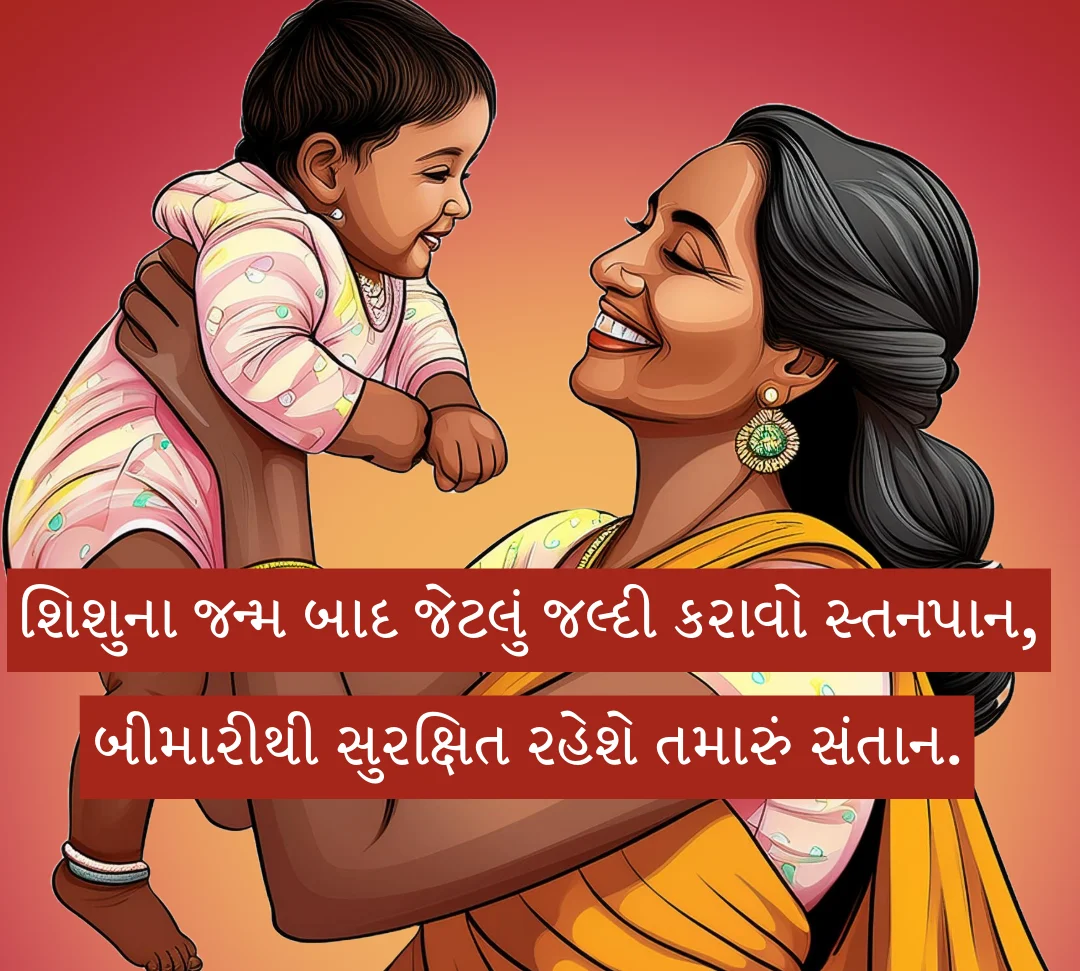
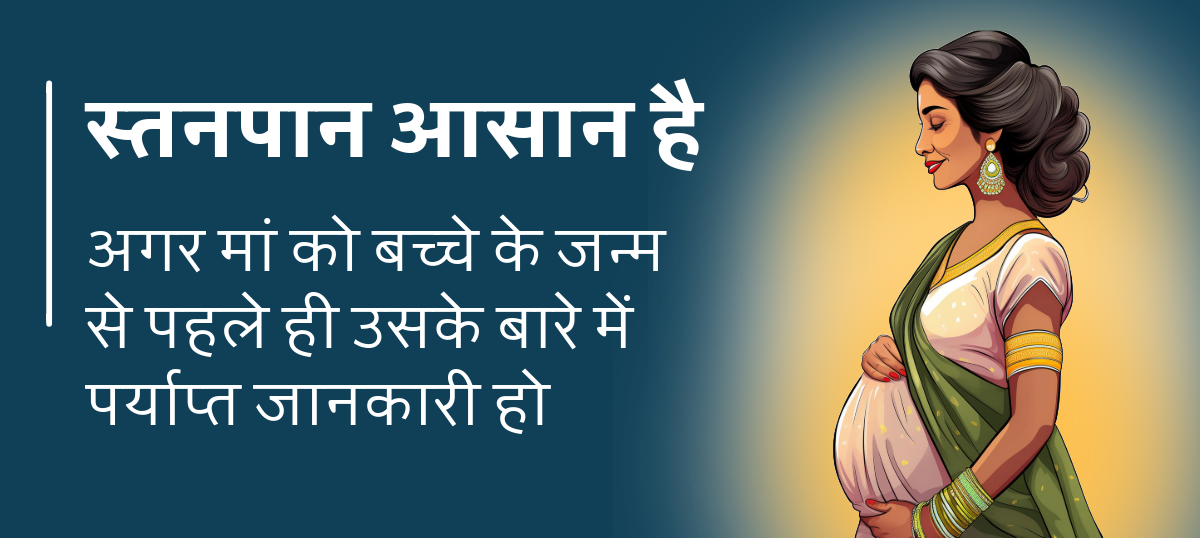
The GenAI features proved to be the "X-factor" in this project. Specifically, the "text-to-image" and "generative fill" capabilities allowed district-level staff to overcome the limitations of stock photography. In early stages of the project, staff noticed that standard health templates often featured families from Western contexts or urban Indian settings that looked nothing like the residents of Devbhumi Dwarka. Using GenAI, staff could input prompts to generate images of women in local attire, such as traditional Gujarati sarees or ghagra cholis, set against backdrops that mirrored the local geography.
This capability did more than just improve aesthetics; it fostered trust. When a mother sees a health poster featuring a woman who looks like her and a home that looks like hers, the medical advice contained within—whether it be about exclusive breastfeeding or complementary feeding—is perceived as more attainable and credible.
A Chronology of Implementation: The Gradual Release Model
The project was not a simple software rollout; it followed a structured pedagogical framework known as the "gradual release of responsibility" model. This ensured that the technology was sustainable and that local staff felt a sense of ownership over the tools.
- Phase One: Modeling and Demonstration (Months 1-2): World Education experts began by creating sample materials—posters on newborn care and nutrition—using Adobe Express. They demonstrated how GenAI could be used to swap out culturally inappropriate images for localized ones.
- Phase Two: Co-Design and Collaborative Creation (Months 3-4): District-level staff worked alongside the JSI/World Education teams. During this phase, the staff provided the "subject matter expertise," while the technical team provided the "design expertise." They co-created a library of templates for common health events, such as "Godh Bharai" (baby showers) and "Annaprashan" (first feeding ceremonies).
- Phase Three: Independent Production and Peer Training (Months 5 and beyond): Once the staff gained confidence, they began producing materials independently. A significant milestone occurred when a local team member, having mastered the platform, began conducting her own training sessions for colleagues in other blocks of the district, effectively scaling the project’s impact without further external intervention.
Data and Observations from the Field
The shift from "weeks to minutes" is perhaps the most quantifiable success of the GenAI integration. Previously, the cycle of conceptualizing, designing, reviewing, and printing a health poster could take 6 to 8 weeks. With Adobe Express, a district official can now receive feedback from an AWW on a Tuesday, update the visual content using GenAI on Wednesday morning, and have a localized GIF or poster circulating in village WhatsApp groups by Wednesday afternoon.
Field testing revealed that families responded with much higher engagement to the new media. In one instance, a video-based visual aid regarding maternal nutrition was shared in a community group. Unlike previous text-based PDF flyers, this video—created using GenAI-assisted graphics—was viewed and reshared multiple times, sparking a discussion among mothers about local food sources that met the nutritional requirements highlighted in the clip.
Furthermore, the project addressed the literacy barrier. By using GenAI to create "visual stories" or "job aids" that use icons and realistic imagery instead of long paragraphs, the AWWs were able to conduct more effective counseling sessions. The visuals served as a bridge, allowing the worker to explain complex medical concepts through a medium that the families could easily interpret.
Augmentation, Not Automation: A Human-Centric Analysis
A critical finding of the Gujarat pilot is the distinction between AI as an "automator" versus AI as an "augmenter." In many global discussions, GenAI is feared as a tool that might replace human workers. However, in the context of rural Indian health, the technology acted as a force multiplier for human expertise.
The AI did not decide which health messages were important; the district health officials did. The AI did not understand the cultural nuances of Devbhumi Dwarka; the local staff did. Instead, the AI reduced the "friction of creation." It removed the technical barriers (graphic design skills) and the financial barriers (outsourcing costs) that previously prevented local experts from communicating their knowledge effectively.
"Much of the conversation around GenAI focuses on automation. But in practice, the value here was augmentation," the project leaders emphasized. This human-in-the-loop system ensured that the content remained medically accurate and ethically sound while benefiting from the speed of AI.
Official Responses and Broader Implications
The success of the pilot has caught the attention of regional health leadership. Dr. Sanjay Kapur, the Managing Director of JSIPL, highlighted the scalability of the model. "This innovation can be scaled easily to millions of such Anganwadi Workers, thus reaching millions of mothers and children in a short period of time," he stated.
The implications of this work extend beyond the borders of Gujarat. As international development organizations look for ways to localize their efforts, the "Gujarat Model" of GenAI-supported communication offers a blueprint. It demonstrates that when digital tools are placed directly in the hands of community practitioners, the result is a more responsive, agile, and respectful form of public health intervention.
Adobe’s involvement also underscores a growing trend of "Tech for Good" partnerships where private sector software capabilities are tailored for the unique constraints of the development sector—such as low bandwidth and limited hardware.
Conclusion and Future Outlook
The work carried out by World Education and JSIPL in Gujarat represents a fundamental shift in digital transformation. For decades, "innovation" in the Global South was often something delivered to communities by external actors. This project suggests a more sustainable alternative: digital transformation that is built with communities, and increasingly, by them.
As GenAI continues to evolve, the focus must remain on accessibility. The goal is not just to create "more" content, but to empower local practitioners to create "better" and "more relevant" content. In the villages of Devbhumi Dwarka, the sight of an Anganwadi Worker pulling up a GenAI-generated visual on her smartphone to explain newborn care is no longer a futuristic vision—it is a present-day reality that is saving lives, one localized message at a time. The next phase of the project will likely look at integrating more local languages and exploring how voice-to-visual AI can further assist workers with varying levels of formal education, ensuring that no community is left behind in the burgeoning AI revolution.