Cultural Survival has officially announced the opening of applications for its prestigious 2026 Indigenous Journalism Fellowship and Arts Residency Program. This dual initiative underscores the organization’s deep commitment to empowering Indigenous storytellers and communicators to address critical environmental challenges and foster cultural vitality. The Journalism Fellowship, a cornerstone of Cultural Survival’s advocacy work, offers a substantial financial award of up to $5,000 USD, coupled with invaluable professional mentorship, to support Indigenous journalists in their vital work.
The program’s expanded scope for 2026 aims to draw in Indigenous journalists from across the Americas, Africa, and Asia. This geographical inclusivity is designed to capture a diverse range of perspectives on how global environmental shifts are impacting Indigenous communities. The fellowship will specifically fund rigorous investigative reporting that delves into the multifaceted effects of climate change, the increasing frequency and severity of natural disasters, and the escalating global demand for transition minerals. These minerals, such as lithium, cobalt, and nickel, are essential for renewable energy technologies but are often mined in areas with significant Indigenous populations, raising concerns about environmental degradation, human rights abuses, and land rights.
Fellows will be encouraged to utilize a wide array of media formats, from written articles and photo essays to documentary films and audio reports, to effectively disseminate their findings. A central objective of the fellowship is to highlight and elevate community-led solutions that Indigenous peoples are developing and implementing to protect their ancestral lands, natural resources, and cultural heritage. By amplifying these grassroots efforts, Cultural Survival aims to strengthen the global network of Indigenous broadcasters and communicators, fostering a more robust and interconnected ecosystem of Indigenous media. This collaborative approach is seen as crucial for advocating for equitable and lasting environmental and social change on a global scale.
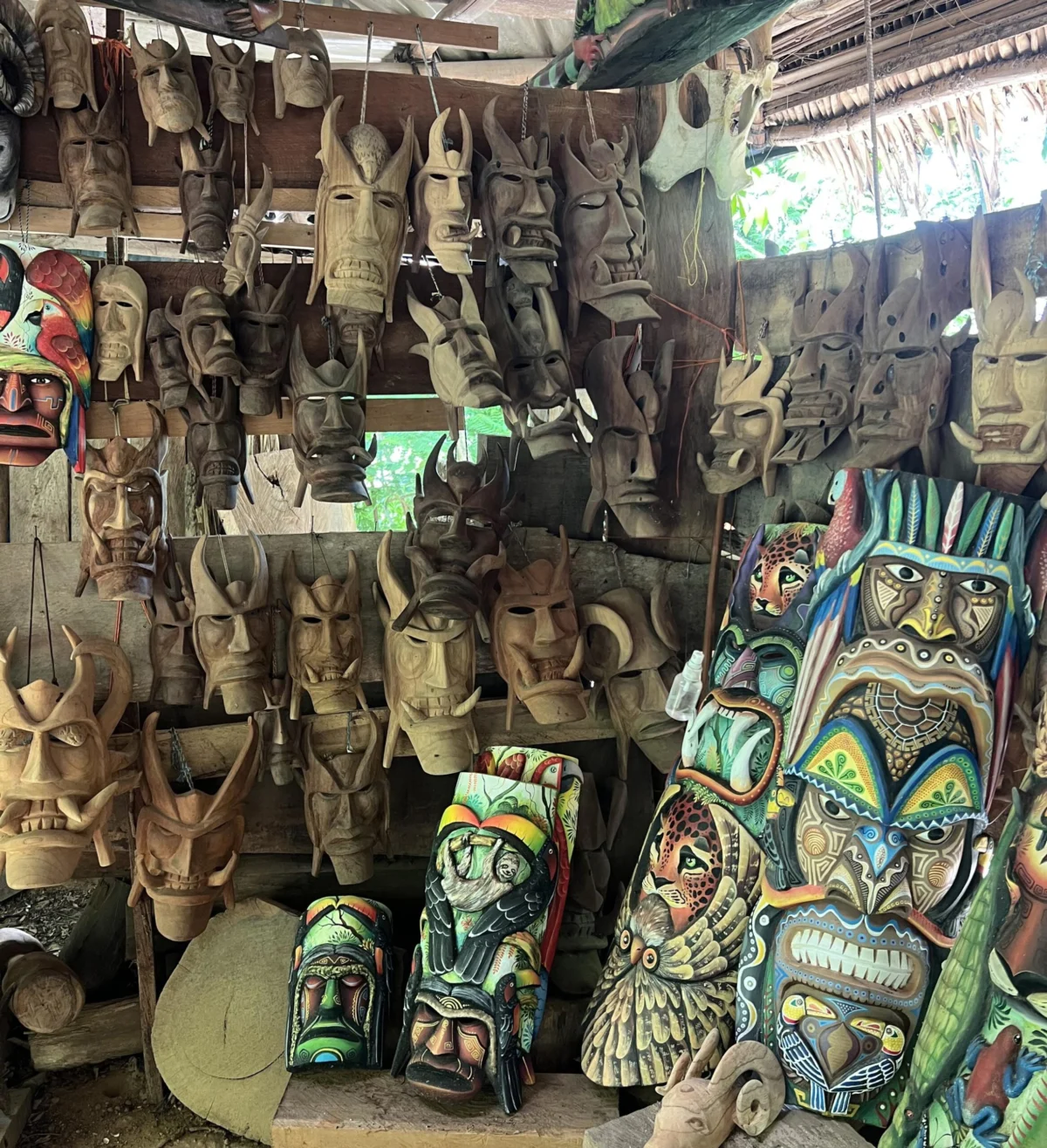
The Arts Residency Program, a more recent but strategically vital component of Cultural Survival’s efforts, was initiated in 2022. Its primary objective is to enhance the visibility and ensure the continued vitality of Indigenous knowledge systems. This program provides dedicated financial support to Indigenous writers and artists, enabling them to dedicate focused time and resources to their creative projects. By offering this support, Cultural Survival seeks to empower these creators to amplify their narratives through diverse visual and literary forms. The program recognizes the profound role of storytelling in maintaining cultural continuity, fostering intergenerational knowledge transfer, and asserting Indigenous self-representation in a world often dominated by external narratives.
In the 2023-2024 cycle, the Arts Residency Program successfully supported four writers, enabling them to produce significant bodies of work that contributed to the visibility of their respective cultural traditions. For the current cycle, two writers have been selected to participate in a six-month residency. During this period, they will engage in activities specifically designed to strengthen Indigenous media ecosystems. This includes developing new content, building collaborative networks with other Indigenous media practitioners, and contributing to the broader discourse on Indigenous self-determination and cultural preservation. Cultural Survival has reiterated its commitment to actively seeking additional funding to expand the reach and impact of this initiative, with the ultimate goal of extending its benefits to Indigenous creators in an even wider array of regions globally.
The Power of Indigenous Storytelling and Journalism
The announcement from Cultural Survival highlights a critical juncture where Indigenous voices are increasingly vital in addressing global challenges. For centuries, Indigenous peoples have been stewards of their lands, possessing intricate knowledge of ecological balance and sustainable resource management. However, these communities are disproportionately affected by the consequences of climate change, extractive industries, and development projects that often disregard their rights and traditional territories. The Journalism Fellowship and Arts Residency Program are designed to equip these communities with the tools and platforms necessary to articulate their experiences, advocate for their rights, and share their unique perspectives with the world.
The urgency of the environmental crises is underscored by a growing body of scientific evidence. The Intergovernmental Panel on Climate Change (IPCC) has repeatedly warned of the severe impacts of global warming, including rising sea levels, extreme weather events, and biodiversity loss, all of which pose existential threats to many Indigenous communities. Furthermore, the accelerating global transition to renewable energy, while essential for mitigating climate change, has led to an increased demand for minerals that are often extracted from Indigenous territories. This creates a complex dilemma, where the solutions to one global crisis can exacerbate existing environmental and social injustices for Indigenous peoples.
Programmatic Overview and Objectives
Indigenous Journalism Fellowship:
- Objective: To support Indigenous journalists in producing in-depth investigative reporting on environmental crises, climate change, and the impact of resource extraction on Indigenous communities.
- Scope: Open to Indigenous journalists from the Americas, Africa, and Asia.
- Support: Up to $5,000 USD in funding, professional mentorship, and access to a global network of Indigenous communicators.
- Deliverables: Rigorous investigative reports across diverse media formats, focusing on community-led solutions and advocacy for equitable change.
Indigenous Arts Residency Program:
- Objective: To advance the visibility and vitality of Indigenous knowledge systems by supporting Indigenous writers and artists.
- Scope: Open to Indigenous writers and artists globally.
- Support: Dedicated financial support to facilitate creative work and amplify narratives.
- Deliverables: Creative works (literary and visual arts) that reinforce storytelling as a vehicle for cultural continuity and self-representation.
A Chronology of Impact and Evolution
Cultural Survival’s engagement with Indigenous media and arts has a long-standing history, evolving to meet contemporary challenges. While specific dates for the inception of these particular programs are highlighted, the organization’s broader work in supporting Indigenous voices dates back decades.
- 2022: The Indigenous Arts Residency Program is launched as a strategic pilot initiative, recognizing the crucial role of artistic expression in preserving and promoting Indigenous cultures.
- 2023-2024 Cycle: The Arts Residency Program successfully supports four Indigenous writers, marking a significant step in its evolution and demonstrating its capacity to foster creative output.
- Current Cycle: Two writers are selected for a six-month residency, engaging in activities aimed at strengthening Indigenous media ecosystems and expanding the program’s reach.
- 2026: The application window opens for the 2026 Indigenous Journalism Fellowship and Arts Residency Program, signifying a commitment to sustained support and a broader geographical and thematic scope for the Journalism Fellowship.
This progression reflects a strategic adaptation to emerging global issues, particularly the escalating environmental crises and the increasing need for Indigenous perspectives in global policy discussions.
Supporting Data and Context
The need for such initiatives is amplified by global statistics. According to the United Nations, Indigenous peoples make up less than 6% of the world’s population but are custodians of 80% of the planet’s biodiversity. Despite their role as protectors of the environment, they are often the most vulnerable to its degradation. For instance, reports from organizations like the World Wildlife Fund (WWF) indicate that deforestation rates are often higher in areas with weak land tenure rights, which frequently affect Indigenous territories.
The demand for transition minerals is also a growing concern. The International Energy Agency (IEA) projects a significant increase in the demand for critical minerals required for clean energy technologies. For example, the demand for lithium is projected to increase by over 40 times by 2040 compared to 2020 levels, and cobalt demand could surge by over 60 times. While this transition is crucial for climate action, the extraction of these minerals often occurs in regions where Indigenous communities reside, leading to potential conflicts over land use, water resources, and cultural heritage sites. Studies by human rights organizations have documented cases of inadequate consultation, forced displacement, and environmental damage resulting from mining operations in Indigenous territories.
Strengthening Indigenous Media Ecosystems
The programs offered by Cultural Survival are not merely about providing financial aid; they are about building capacity and fostering resilience within Indigenous communities. By supporting Indigenous journalists, the organization empowers them to hold corporations and governments accountable for environmental and social impacts. By nurturing Indigenous artists and writers, it ensures that cultural narratives, traditional knowledge, and unique worldviews are preserved, celebrated, and transmitted to future generations.
The "transition minerals" aspect of the Journalism Fellowship is particularly timely. As nations worldwide commit to decarbonization goals, the extraction of minerals like copper, nickel, cobalt, lithium, and rare earth elements is intensifying. This boom, often referred to as the "green rush," presents both opportunities and significant risks for Indigenous communities. The fellowship provides a critical avenue for Indigenous journalists to investigate and report on the human and environmental costs associated with this rapid expansion, ensuring that the voices of those most directly impacted are heard.
For example, reports from regions such as the Democratic Republic of Congo, where cobalt mining is prevalent, have highlighted issues of child labor and unsafe working conditions. In South America, lithium extraction in the "Lithium Triangle" (Argentina, Bolivia, and Chile) has raised concerns about water scarcity and its impact on Indigenous agricultural practices. Indigenous journalists equipped with the resources and mentorship from Cultural Survival can shed crucial light on these complex situations, fostering greater awareness and advocating for ethical and sustainable resource management.
Broader Impact and Implications
The success of these programs has far-reaching implications. By amplifying Indigenous voices, Cultural Survival contributes to a more nuanced and equitable understanding of environmental stewardship and cultural preservation. The investigative reporting produced through the fellowship can inform policy decisions, advocate for stronger environmental regulations, and promote the recognition of Indigenous land rights. Similarly, the artistic creations fostered by the residency program enrich the global cultural landscape, offering diverse perspectives and challenging dominant narratives.
The commitment to strengthening Indigenous media ecosystems is a recognition that independent media is a crucial tool for self-determination and advocacy. When Indigenous communities control their own media narratives, they can counter misinformation, promote their languages and cultures, and mobilize support for their causes. The expansion of this initiative, with the aim of reaching more Indigenous creators globally, signals a dedication to building a robust international network of Indigenous storytellers and communicators who can collectively address shared challenges and celebrate collective achievements.
This initiative also aligns with broader global efforts to achieve the Sustainable Development Goals (SDGs), particularly those related to climate action, responsible consumption and production, and peace, justice, and strong institutions. By empowering Indigenous communities, Cultural Survival is contributing to a more just and sustainable future for all. The program’s emphasis on investigative journalism into environmental crises directly supports SDG 13 (Climate Action) and SDG 15 (Life on Land), while the arts residency contributes to SDG 4 (Quality Education) and SDG 11 (Sustainable Cities and Communities) by promoting cultural diversity and heritage.
The inclusion of Indigenous journalists and artists from diverse continents underscores the universal nature of the challenges faced by Indigenous peoples and the shared strength found in their collective voices and traditions. Cultural Survival’s ongoing commitment to these programs demonstrates a profound understanding of the power of authentic storytelling and investigative journalism in driving positive social and environmental change.