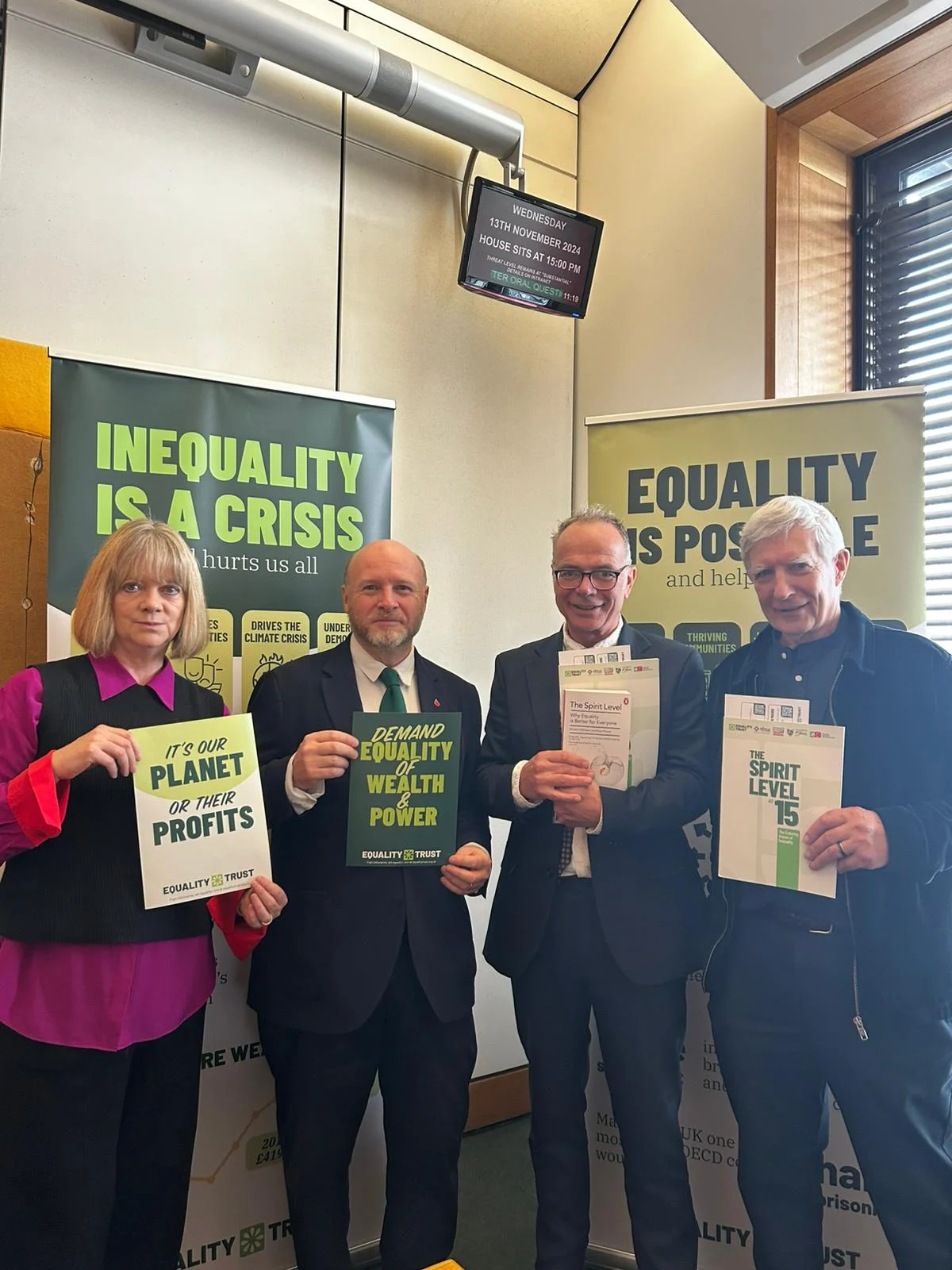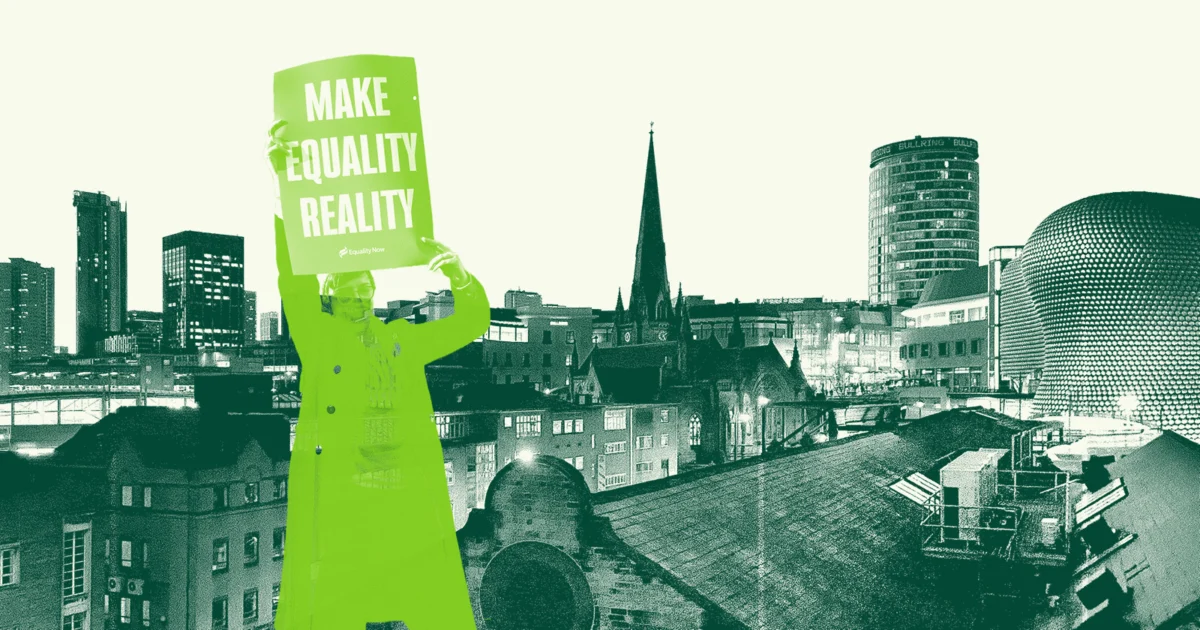
On January 29, 2026, the Midlands Arts Centre (MAC) in Birmingham hosted a landmark workshop and film screening titled "Re-imagining a Better Brum," an initiative designed to confront the systemic barriers preventing residents from accessing the city’s rich cultural and recreational offerings. Organized by The Equality Trust and funded through the Barrow Cadbury Trust’s Economic Justice place-based programme, the event brought together grassroots activists, academic researchers, and local residents to address how socio-economic inequality is hollowing out the city’s social fabric. Led by Charlie McNeill, Senior Project Officer for Socio-Economic Duty (SED) at The Equality Trust, the gathering served as both a critique of current austerity measures and a visionary forum for a more equitable urban future.

The core of the event was the premiere of "Conversations of Change: Access to arts, culture, entertainment and recreation in Birmingham," a documentary film produced by a dedicated team of Community Reporters. These reporters—Alev, Arash, and Jennifer—spent months documenting the lived experiences of Brummies who find themselves increasingly priced out of the city’s theaters, concert halls, and community centers. The workshop that followed the screening was not merely a retrospective of the film’s findings but a strategic session aimed at developing actionable plans to restore Birmingham’s reputation as a vibrant, inclusive cultural hub.
The Socio-Economic Context of Cultural Exclusion
The "Re-imagining a Better Brum" event takes place against a backdrop of unprecedented financial pressure on the City of Birmingham. In recent years, the intersection of national austerity policies and local budgetary crises has led to a dramatic contraction in public services. The city, which has historically prided itself on its diverse arts scene—ranging from the world-class City of Birmingham Symphony Orchestra to grassroots festivals like Flatpack—is now facing a reality where these institutions are becoming the exclusive domain of the affluent.
Data from the Office for National Statistics (ONS) and local poverty advocacy groups suggest that the cost-of-living crisis has disproportionately affected Birmingham’s most vulnerable neighborhoods. As of 2025, inflation in the "leisure and culture" sector has consistently outpaced wage growth, making the price of a standard theater ticket or a music lesson a luxury beyond the reach of the average household. Furthermore, the closure of youth centers and community hubs due to local government funding cuts has removed the primary entry points for young people into the creative industries.
The "broken system" referenced by the organizers refers to a cycle of disinvestment. When arts venues and community spaces close, the result is more than just a loss of entertainment; it is a loss of "social glue." The Equality Trust argues that when people cannot gather in shared spaces to experience culture, community cohesion erodes, leading to increased isolation and the exacerbation of socio-economic divides.
A Chronology of the Community Reporter Initiative
The workshop at the MAC was the culmination of a year-long project aimed at empowering residents to document their own economic realities. The timeline of the project reflects a shift toward participatory journalism and grassroots advocacy:
- Early 2025: Recruitment and Training: The Equality Trust recruited Alev, Arash, and Jennifer as Community Reporters. They underwent training in interviewing, ethical storytelling, and digital media production to ensure they could capture the authentic voices of their communities.
- Spring – Summer 2025: Fieldwork and Storytelling: The reporters conducted dozens of interviews across various Birmingham wards. They spoke with aspiring artists who could no longer afford rehearsal space, families who had stopped attending local festivals due to rising transport and ticket costs, and elderly residents who felt alienated from the city center’s changing landscape.
- Autumn 2025: Film Production: Collaborating with film editor Keiran Fuller, the reporters distilled hours of footage into "Conversations of Change." The film was designed to highlight the "unseen" barriers to culture, such as the psychological impact of feeling "out of place" in high-end venues.
- January 29, 2026: The MAC Workshop: The public launch of the film and the facilitated workshop, where the findings were presented to stakeholders and the wider public to spark a movement for change.
Expert Perspectives on the Crisis
The event featured a panel of experts who provided a multi-dimensional analysis of Birmingham’s current trajectory. Kathy Hopkin from "Save Birmingham" spoke at length about the grassroots movement to protect local assets. Save Birmingham has been instrumental in campaigning against the sale of community-owned buildings and library closures, arguing that these spaces are essential for the democratic health of the city. Hopkin emphasized that "re-imagining" the city requires a fundamental shift in how we value public space—not as a line item on a balance sheet, but as a human right.
Dr. Pat Rozbicka from Aston University provided an academic framework for the discussion, drawing on her research into the night-time economy and cultural policy. Dr. Rozbicka noted that while Birmingham is often marketed as a "global city," the benefits of its cultural investments rarely "trickle down" to the outer wards. Her research suggests that without intentional intervention, the city’s cultural sector risks becoming a "prestige economy" that ignores the needs of its local population.
Ian Francis, representing the Flatpack Festival, offered a perspective from the front lines of the arts industry. He discussed the challenges of maintaining an inclusive festival circuit in an era of dwindling grants and rising production costs. Francis highlighted the importance of "micro-cultures"—the small-scale, neighborhood-based events that often have the highest impact on community wellbeing but are the first to lose funding during budget cuts.
Analysis of the Workshop Findings: Barriers and Visions
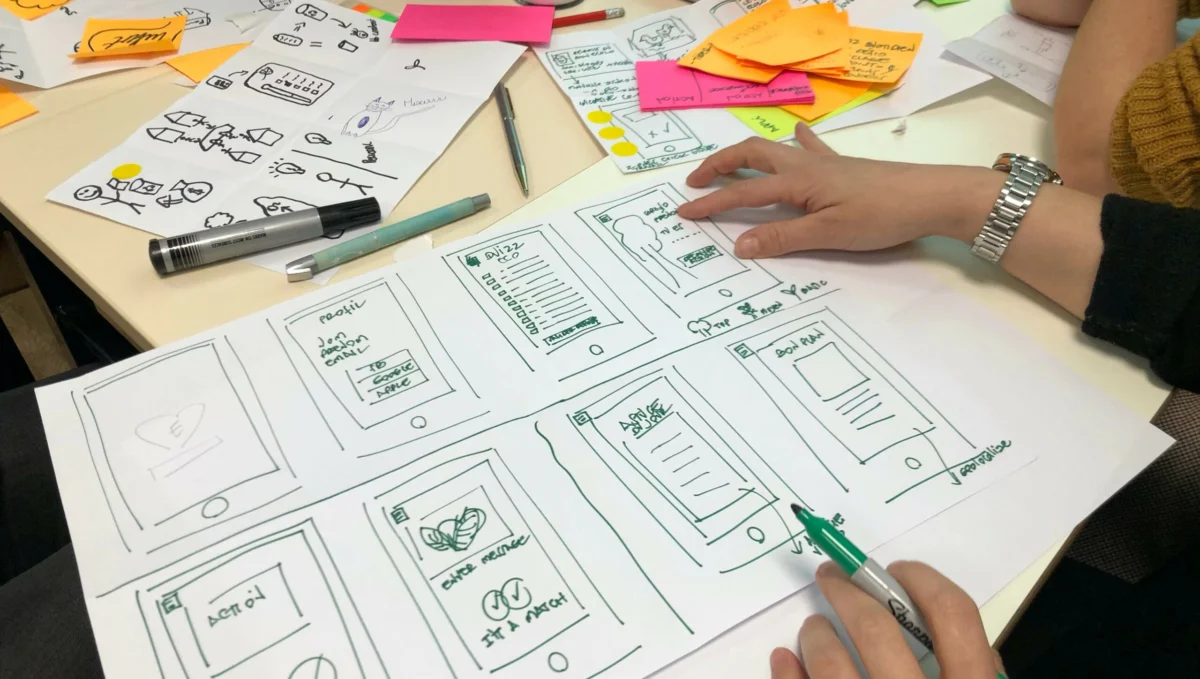
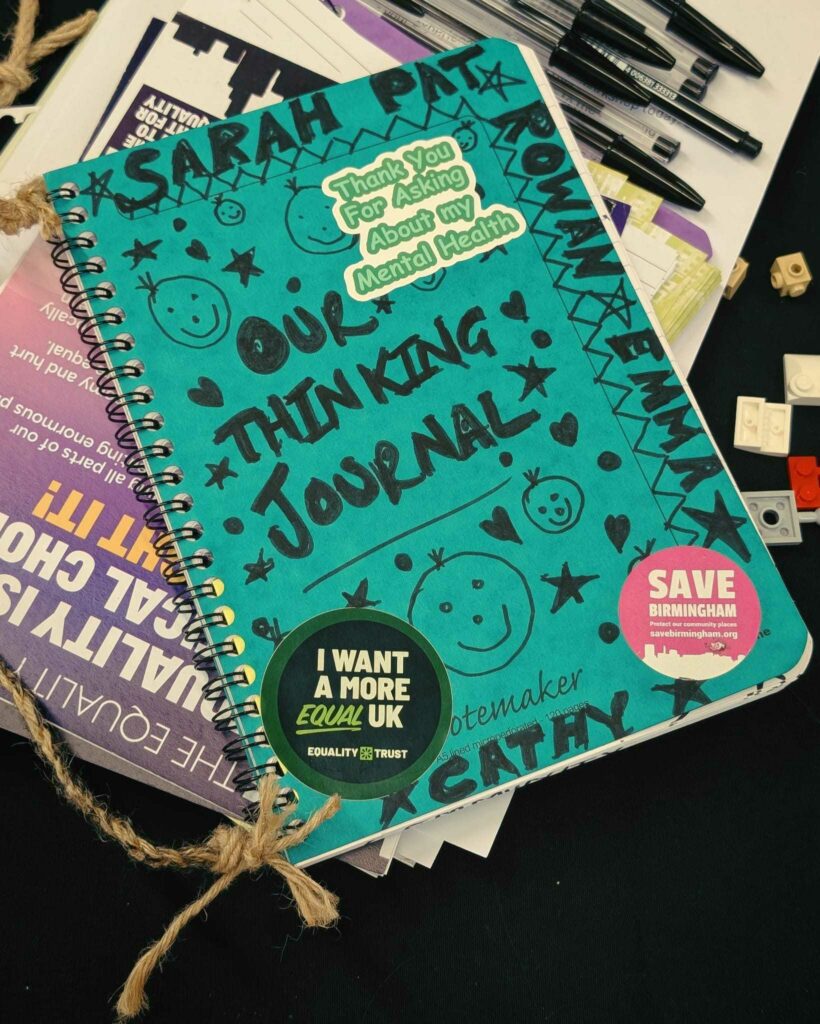
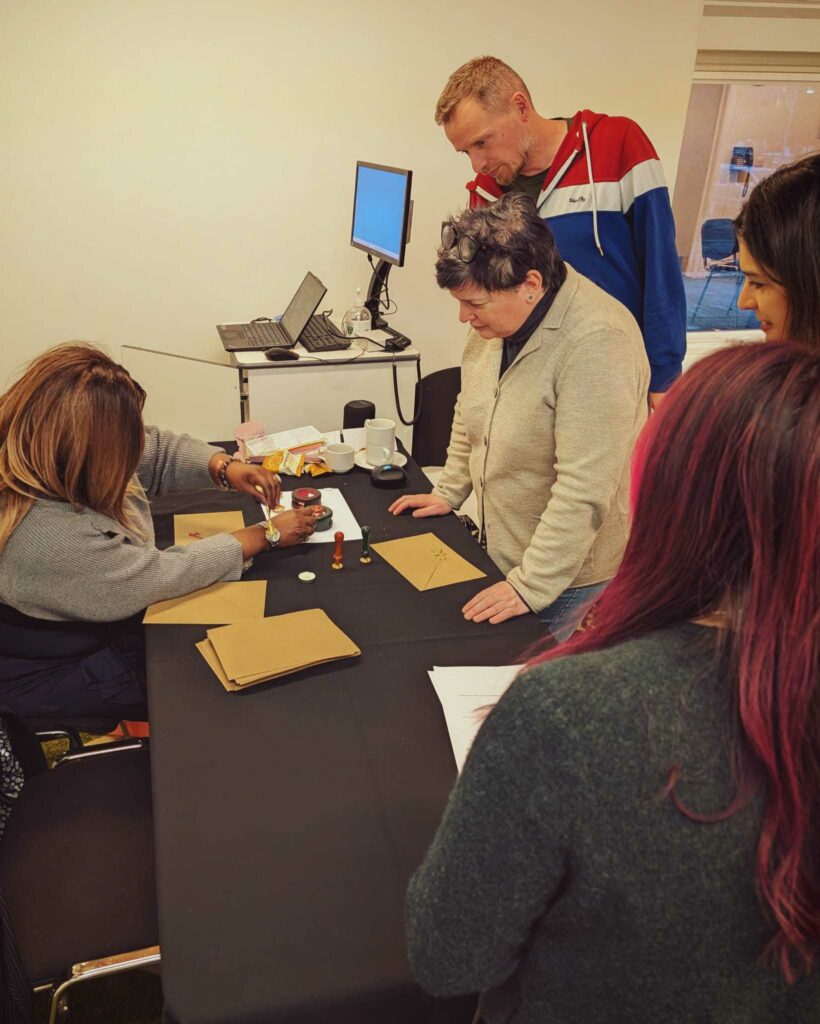
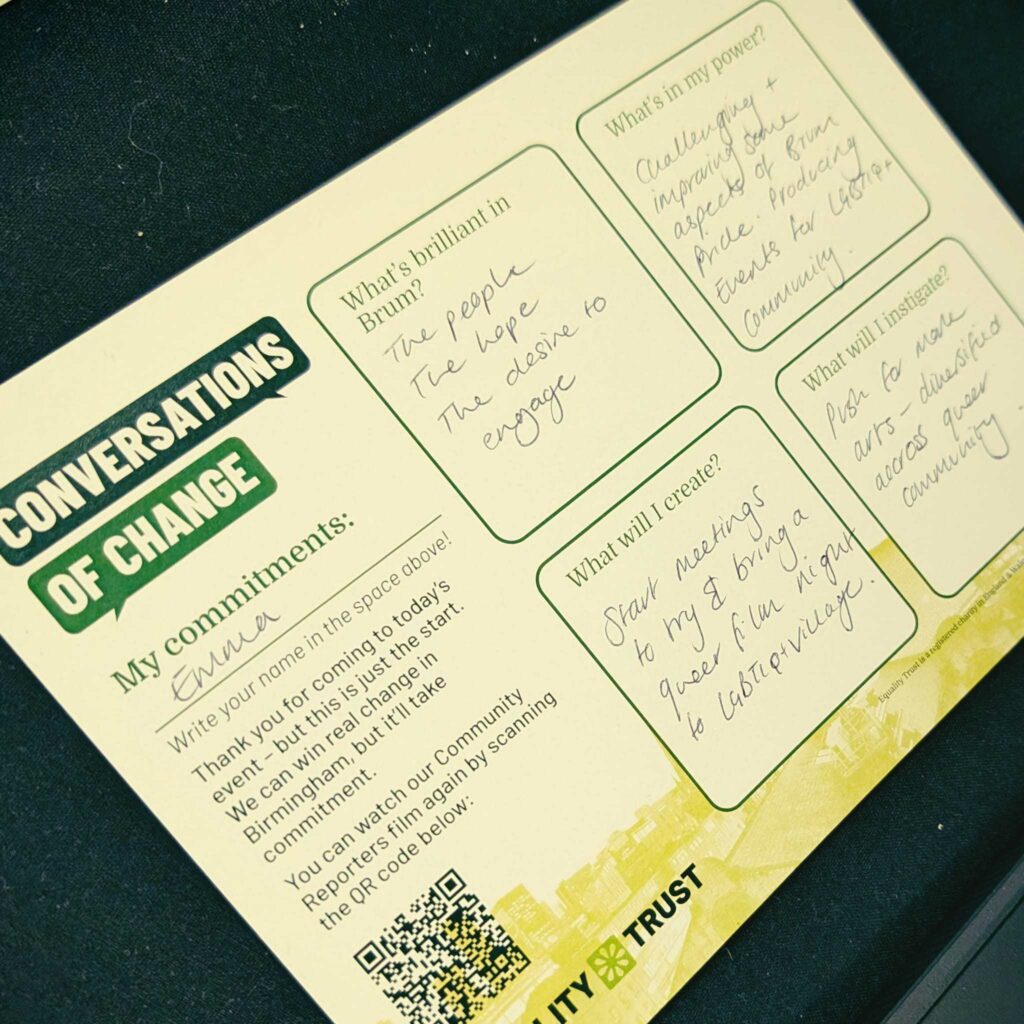
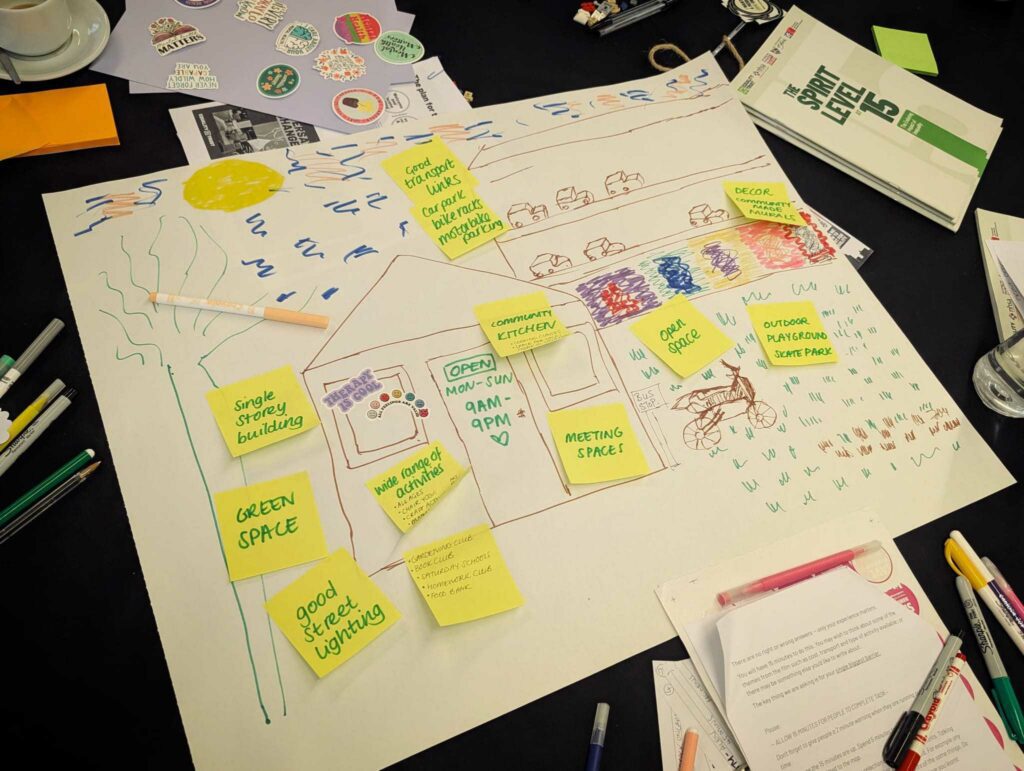
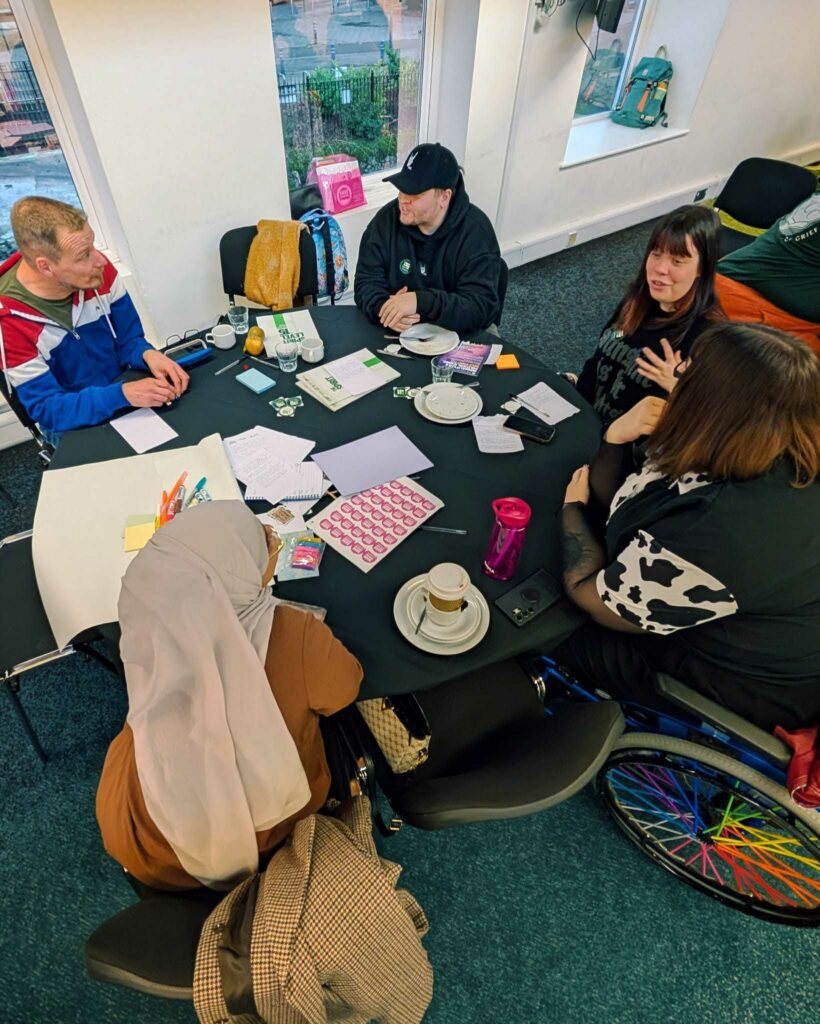
During the workshop portion of the event, attendees were divided into groups to map out the specific barriers they face. Several recurring themes emerged from these discussions, providing a roadmap for future advocacy:
- Transport and Physical Accessibility: Many participants noted that even if a cultural event is free, the cost and unreliability of public transport in Birmingham act as a significant deterrent. For residents in the outskirts, the "cultural center" of the city feels geographically and financially distant.
- The "Hidden" Costs of Culture: Beyond ticket prices, attendees cited the cost of childcare, food, and "appropriate" clothing as barriers that make formal cultural venues feel unwelcoming to those from lower socio-economic backgrounds.
- Representation and Relevance: There was a strong consensus that the programming in many major institutions does not reflect the diversity or the daily struggles of Birmingham’s working-class and immigrant communities.
In response to these barriers, the "visions of an equal Brum" generated by the workshop were bold. Proposals included the implementation of a "Cultural Citizen’s Dividend," which would provide subsidized access to arts for low-income families, and the creation of a "Community Asset Trust" to take over the management of closed libraries and youth centers. There was also a call for the formal adoption of the Socio-Economic Duty (Section 1 of the Equality Act 2010) by all local public bodies, which would legally require them to consider how their decisions reduce inequalities of outcome.
Broader Implications and the Path Forward
The "Re-imagining a Better Brum" initiative serves as a microcosm of a national debate regarding the role of the arts in a period of economic stagnation. The project’s success lies in its ability to link the "soft" sector of culture to the "hard" realities of economic justice. By framing access to art and recreation as a matter of equality, The Equality Trust and its partners are challenging the notion that culture is a secondary concern during a financial crisis.
The long-term impact of this project will likely be measured by its influence on local policy. The film "Conversations of Change" is intended to be used as a tool for lobbying local councilors and Members of Parliament. By presenting human stories backed by the rigorous data collection of the Community Reporters, the project provides a compelling case for why cultural funding must be protected as a vital component of public health and social stability.
Furthermore, the collaboration between The Equality Trust and the Barrow Cadbury Trust highlights the growing role of philanthropic organizations in filling the gaps left by the retreating state. However, as noted by several speakers at the MAC, philanthropy cannot be a permanent substitute for a properly funded public sector. The ultimate goal of "re-imagining" Birmingham is to build a city where the "broken system" is not merely patched but replaced with a framework that prioritizes the dignity and creative potential of every resident, regardless of their postcode or income.
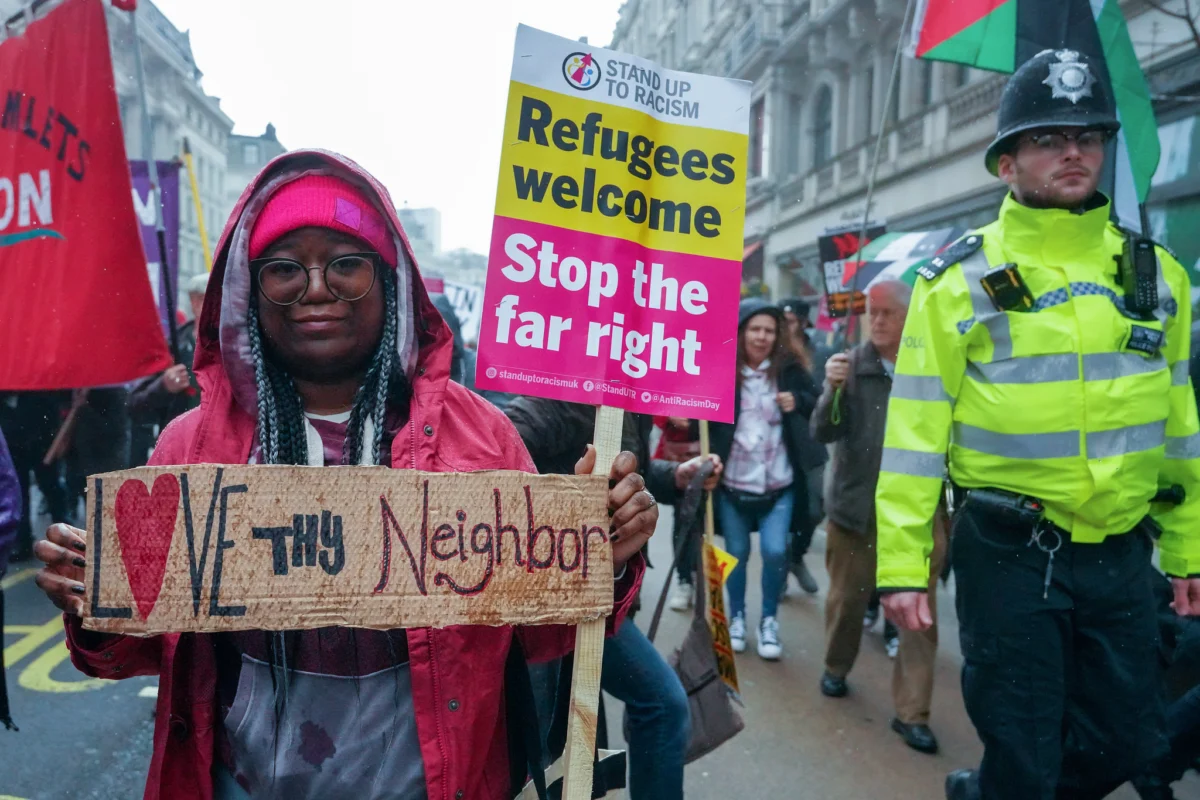
As the workshop concluded, the sentiment among the participants was one of cautious optimism. The "grand plans" developed during the session represent a blueprint for a city that refuses to let its cultural soul be auctioned off. For the people of Birmingham, the message of the day was clear: equality is not an abstract ideal, but a tangible reality that must be fought for in the galleries, the theaters, and the streets of the city.