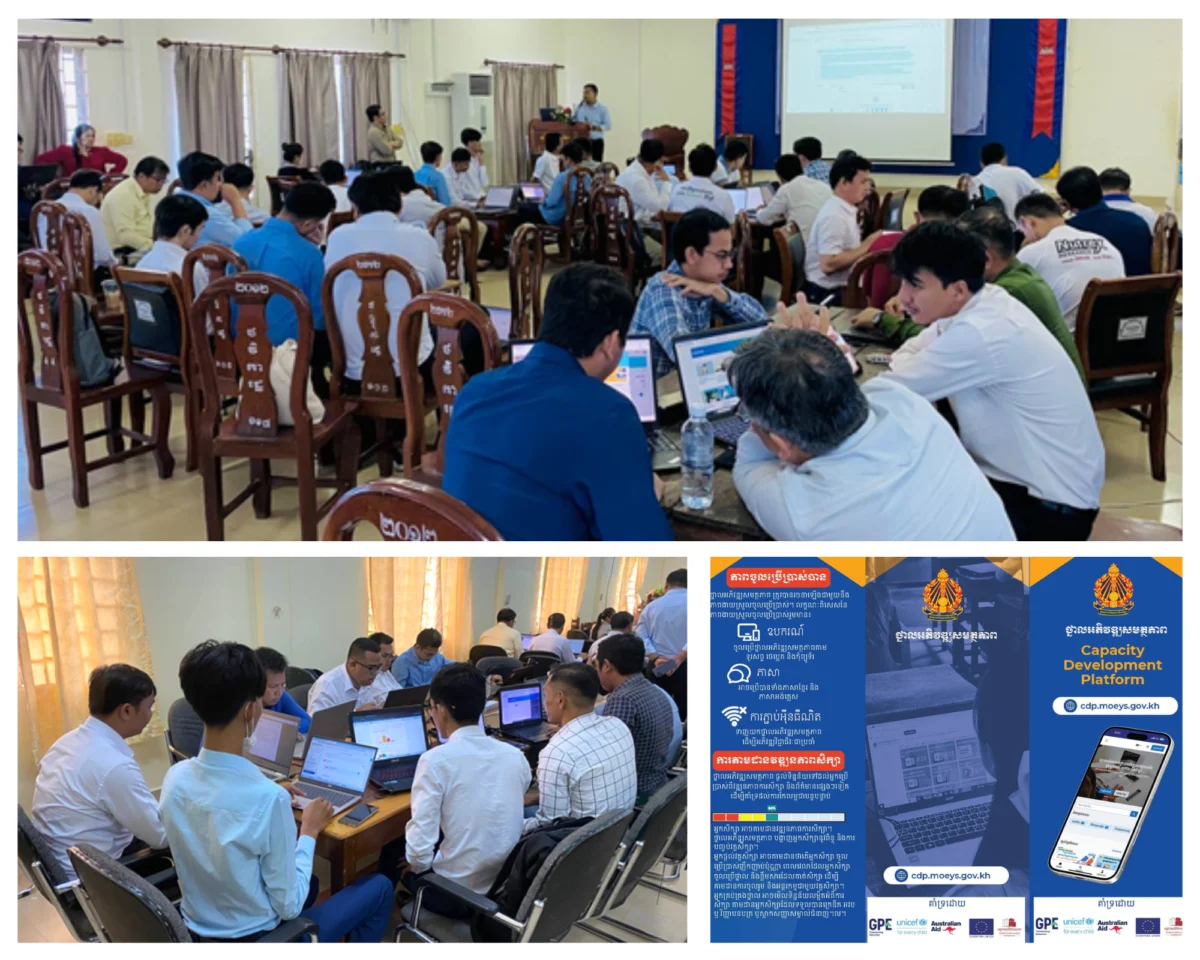
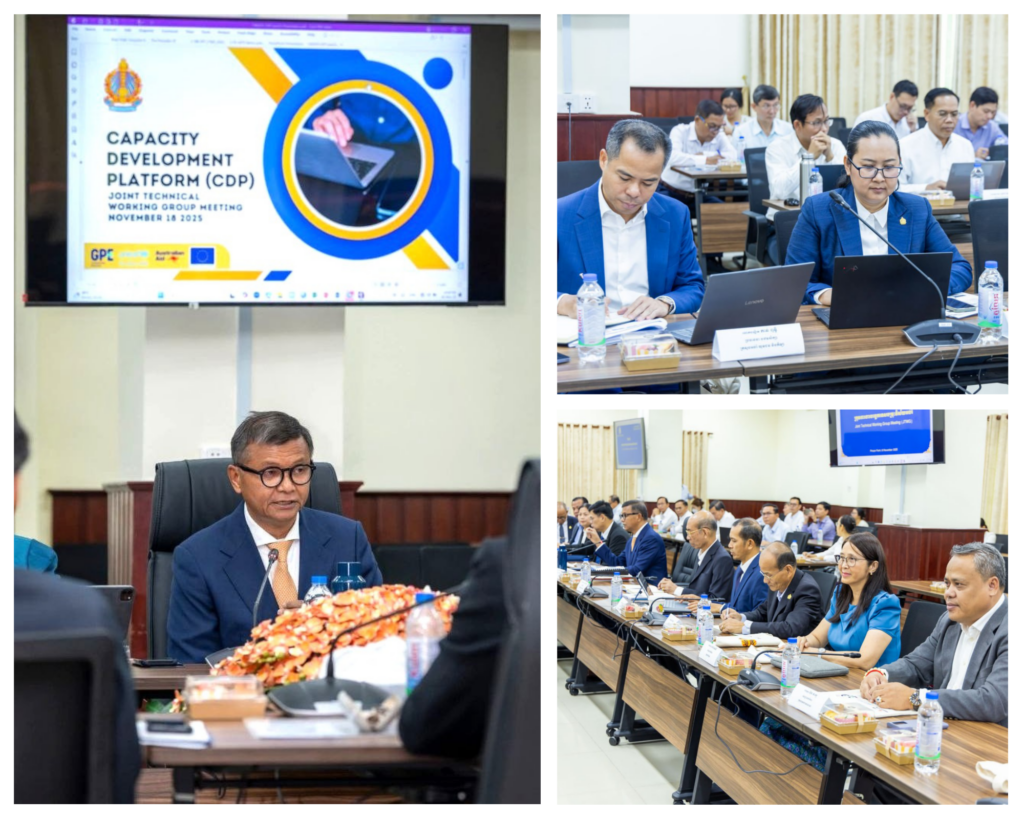
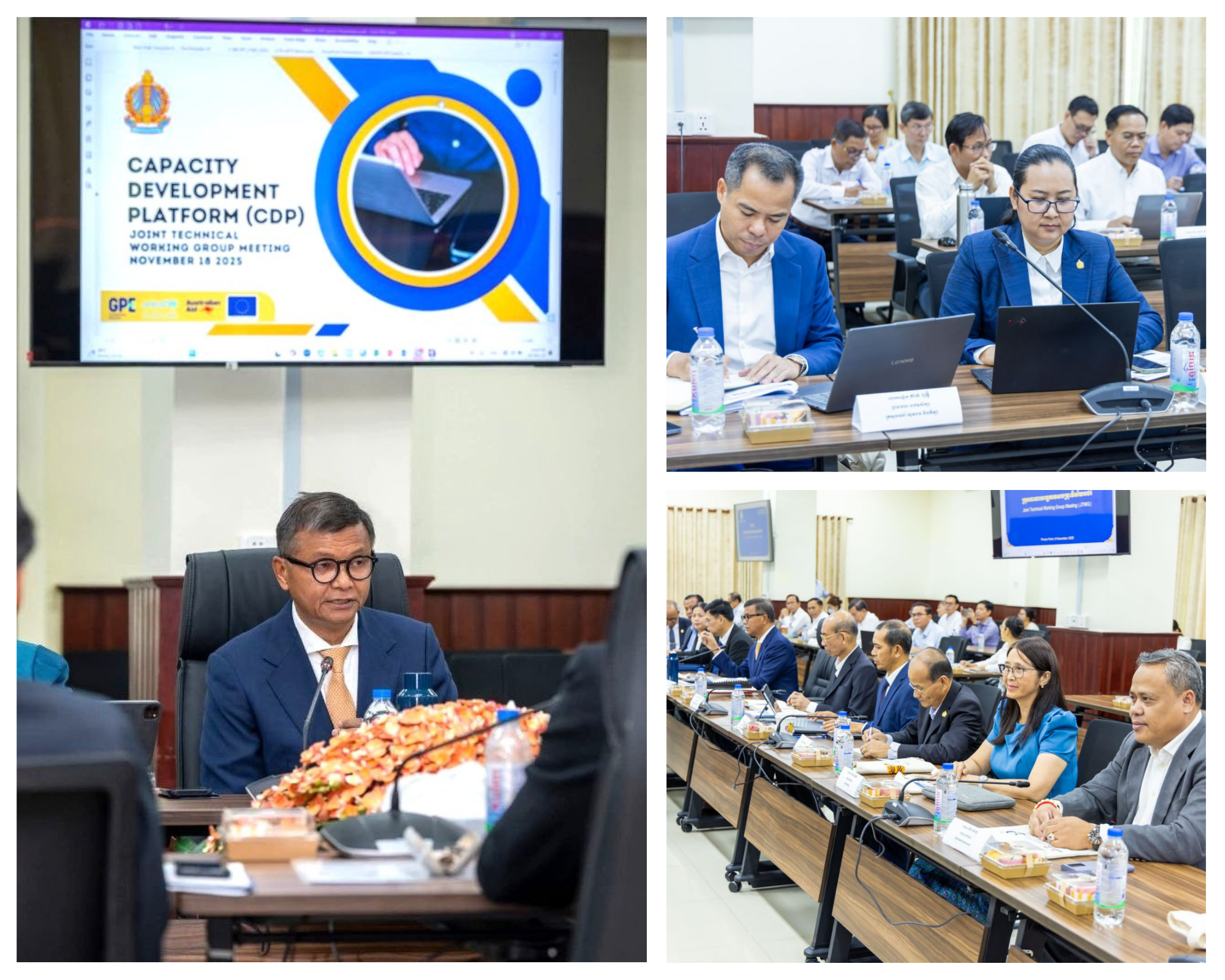
In a landmark move for the Southeast Asian nation’s educational infrastructure, Cambodia’s Ministry of Education, Youth, and Sport (MoEYS) officially inaugurated the Capacity Development Platform (CDP) in November 2025. Developed in close coordination with UNICEF and co-designed by World Education—a specialized initiative of JSI—the CDP serves as a centralized digital ecosystem designed to modernize professional development for the nation’s teaching workforce. Supported by a consortium of international donors including the Global Partnership for Education (GPE), the European Union (EU), and the Australian Department of Foreign Affairs and Trade (DFAT), the platform represents the culmination of a multi-year effort to bridge the digital divide and standardize teacher qualifications across both urban centers and the most remote provinces of the Kingdom.
The launch of the CDP is not merely a technical update but a strategic realignment of how the Cambodian state manages its human capital within the education sector. By digitizing the pathways for teacher training, the MoEYS aims to provide its educators with a streamlined, accessible, and transparent method for earning professional development credits and upgrading their official qualifications. This initiative arrives at a critical juncture as Cambodia seeks to recover from the long-term educational disruptions of the previous years and pivot toward a more resilient, technology-integrated schooling system.
A Vision for Digital Transformation in Education
The Capacity Development Platform was conceived as a response to the logistical challenges of providing consistent, high-quality training to a workforce spread across diverse geographical terrains. Historically, teacher training in Cambodia relied heavily on in-person workshops, which often faced hurdles related to travel costs, inconsistent delivery, and limited reach into rural areas. The CDP effectively removes these barriers by offering a blended learning environment where digital modules complement traditional instruction.
During the launch ceremony, H.E. Dr. Hang Chom Naron, Deputy Prime Minister and Minister of MoEYS, underscored the transformative potential of the initiative. He noted that by digitizing teacher training and professional development, the government is empowering educators with the necessary tools and knowledge to improve student outcomes across the board. The Minister’s remarks highlighted a shift in the national curriculum toward "Education 4.0," where digital literacy is no longer an elective skill but a fundamental requirement for both teachers and students.
The platform’s design reflects a deep understanding of the local context. World Education utilized a human-centered approach, ensuring that the technology was built to accommodate the realities of the Cambodian environment. This included optimizing the platform for low-bandwidth settings, acknowledging that many teachers in provinces like Ratanakiri or Mondulkiri may have limited access to high-speed fiber internet. Furthermore, the interface was designed with a "smartphone-first" philosophy, recognizing that mobile devices are the primary means of internet access for the majority of the population.
Chronology of Development and Implementation
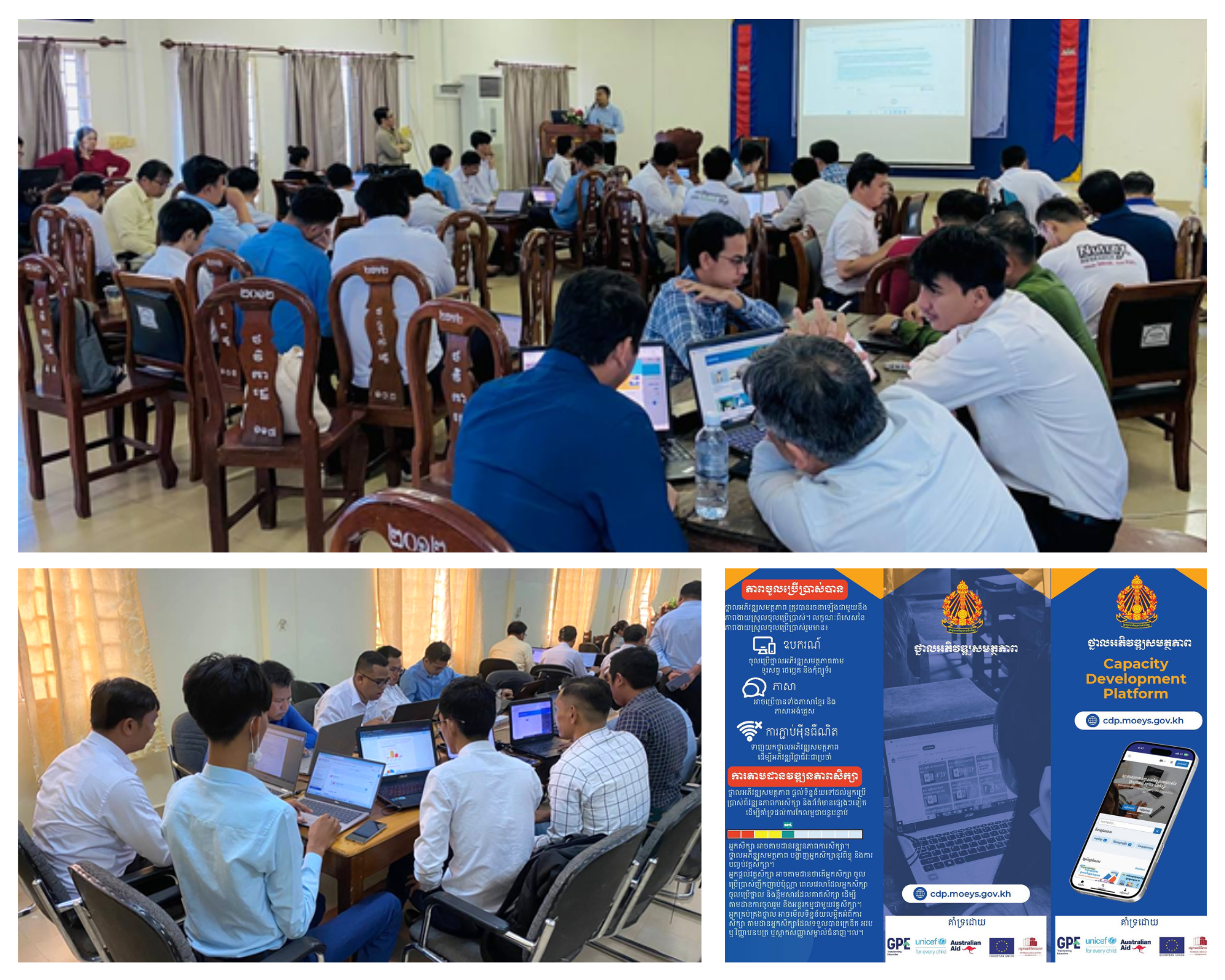
The road to the November 2025 launch was marked by rigorous testing and stakeholder engagement. The development phase began in earnest in early 2025, with a series of capacity-building workshops held in May. On May 5-6 and again on May 19-20, 2025, MoEYS staff and key educators participated in intensive sessions to define the platform’s core functionalities and user experience. These workshops were essential in ensuring that the CDP was not an "off-the-shelf" product but a bespoke solution tailored to the specific administrative and pedagogical needs of Cambodia.
Throughout the summer and autumn of 2025, World Education and MoEYS worked to integrate the platform into existing national systems. This was a critical step in ensuring the platform’s longevity; rather than operating as a standalone website, the CDP was linked directly to the national teacher management and career progression frameworks. This integration means that when a teacher completes a course on the platform, their credits are automatically recognized by the ministry, directly influencing their professional standing and salary increments.
Following the successful pilot phases, the platform was transitioned to the full ownership of the Department of Digital Transformation within the MoEYS. This transition included specialized technical and security training for government personnel, ensuring that the Cambodian state has the internal capacity to maintain, secure, and scale the platform without permanent reliance on external vendors.
Supporting Data and Early Adoption Success
The impact of the Capacity Development Platform was immediate and measurable. Within the first few months of its full operational status, the platform recorded more than 44,000 registered users. This figure represents a significant portion of Cambodia’s public school teaching force, indicating a high level of readiness and appetite for digital learning among educators.
Of these registered users, over 23,000 educators have already enrolled in accredited courses. The curriculum offered through the CDP is diverse, focusing on high-priority areas identified by the MoEYS. These include:
- Early Grade Reading: Modules designed to improve literacy instruction in the foundational years of primary school.
- Information and Communication Technology (ICT): Training that equips teachers with the skills to use digital tools and artificial intelligence for lesson planning and classroom management.
- Blended Learning Pedagogies: Strategies for combining digital resources with face-to-face classroom interactions to maximize student engagement.
The inclusion of ICT courses has proven particularly popular. Mrs. Proeut Sanh, a primary school teacher from Kralanh District in Siem Reap Province, shared her experience with the platform, noting that the digital tools and AI training have made her students more active and participatory. This feedback suggests that the benefits of the CDP are trickling down from the teachers to the students, creating more dynamic learning environments in rural classrooms.
International Cooperation and Funding Framework
The realization of the CDP was made possible through a robust framework of international cooperation. The Global Partnership for Education (GPE), which is the largest global fund solely dedicated to transforming education in lower-income countries, provided substantial financial backing. Their involvement underscores the CDP’s alignment with global standards for educational equity.
The European Union and the Australian Department of Foreign Affairs and Trade (DFAT) also played pivotal roles. For the EU, the project aligns with its broader "Global Gateway" strategy, which seeks to foster digital connectivity and human capital development in partner nations. For Australia, the investment is part of a long-standing commitment to Cambodia’s social and economic development, recognizing that a well-trained teaching force is the backbone of a stable and prosperous society.
These international partners have not only provided funding but have also contributed to the governance structure of the project. A dedicated government governance group, supported by international advisors, oversees the platform to ensure that it meets rigorous standards for data privacy, content quality, and inclusive access.
Broader Implications and Future Outlook
The launch of the CDP carries significant implications for the future of Cambodia’s education sector and its broader economy. By institutionalizing digital professional development, Cambodia is setting a precedent for other nations in the ASEAN region. The platform serves as a model for how developing nations can leapfrog traditional infrastructure hurdles by embracing digital-first solutions.
From an economic perspective, the CDP is a long-term investment in the nation’s productivity. Improved teacher quality is directly correlated with higher student achievement, which in turn leads to a more skilled workforce capable of competing in a globalized, technology-driven market. Furthermore, the focus on ICT training ensures that the next generation of Cambodians will be led by educators who are themselves proficient in the digital tools of the 21st century.
Looking ahead, World Education and the MoEYS are already planning the next phase of the CDP’s evolution. This includes the development of new content to help teachers meet mandatory national standards for in-service qualification upgrading. These upcoming modules will continue to use the blended learning approach, ensuring that the flexibility of digital learning is balanced with the mentorship of in-person instruction.
As the platform scales, the MoEYS plans to introduce more specialized tracks, including STEM (Science, Technology, Engineering, and Mathematics) education and inclusive education modules for teachers working with children with disabilities. The goal is to create a comprehensive, lifelong learning portal that supports a teacher from the day they enter the profession until their retirement.
In conclusion, the Capacity Development Platform is more than just a digital tool; it is a cornerstone of Cambodia’s modern educational identity. Through the combined efforts of the MoEYS, UNICEF, World Education, and international donors, the Kingdom has established a sustainable, scalable system that empowers teachers to be the architects of a brighter, more digitally literate future for all Cambodian children. The success of the CDP demonstrates that when technology is designed with a human-centered focus and integrated into the heart of government policy, it can become a powerful engine for social and national progress.