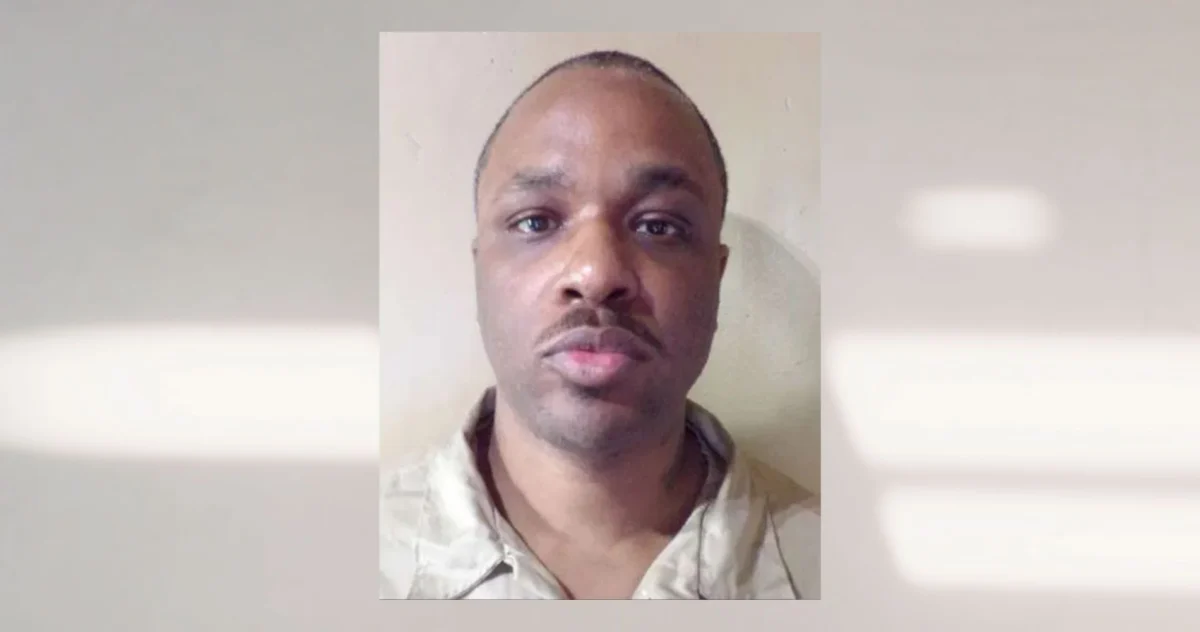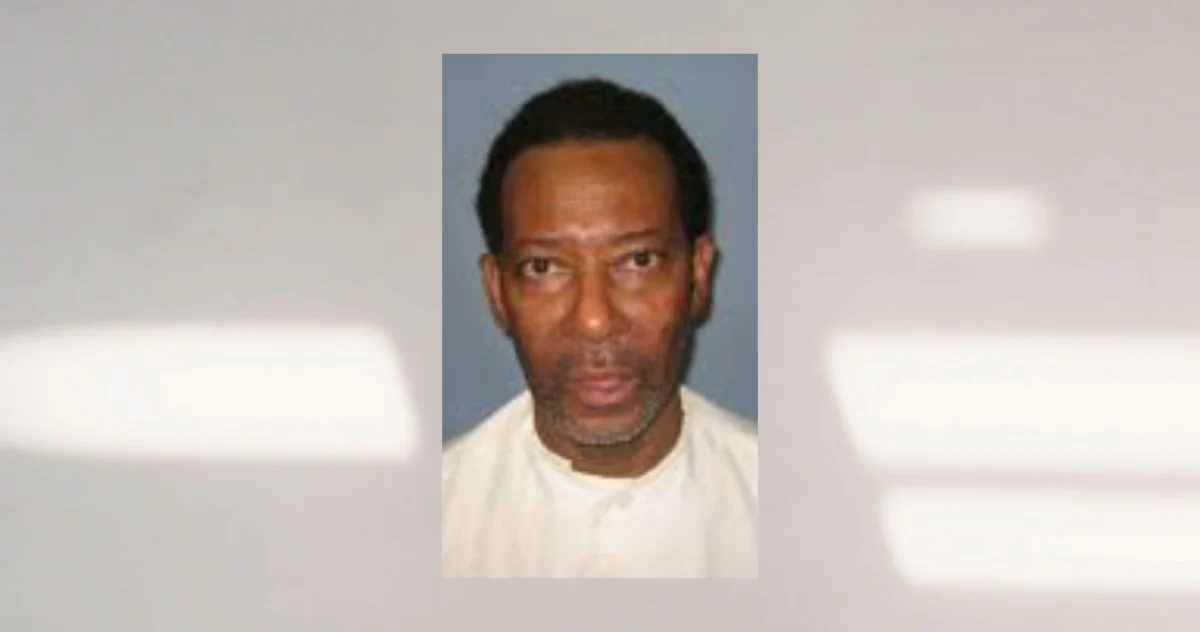
Montgomery, AL – In a move that highlights persistent questions about the fairness and proportionality of capital punishment, Alabama Governor Kay Ivey today commuted the death sentence of Charles "Sonny" Burton to life without parole. Burton, 75, had spent more than three decades on Alabama’s death row, a stark period marked by deteriorating health and a central contention: he never fired the shot that killed the victim. This decision rectifies a capital sentence widely criticized for exemplifying the arbitrariness that plagues Alabama’s application of the death penalty, particularly given that the individual who actually pulled the trigger in the 1991 robbery and murder had previously had his own death sentence overturned and commuted to life without parole.
The commutation of Burton’s sentence arrived just weeks before his scheduled execution by nitrogen suffocation on March 12, a method that has drawn international scrutiny. His case garnered significant attention, with a compelling clemency petition submitted to the governor arguing that his continued incarceration on death row, let alone his execution, was an "extreme outlier" in capital jurisprudence. The petition emphasized that Burton was the only one of six men involved in the crime still facing execution, even after the direct shooter’s sentence was reduced.
The 1991 Crime and Its Aftermath: A Complex Legal Web
The events that led to Charles "Sonny" Burton’s decades-long legal ordeal began on July 23, 1991, in Talladega, Alabama. Burton was one of six individuals involved in the robbery of an auto parts store. During the commission of this felony, customer Doug Battle was fatally shot. Critically, it has been consistently undisputed throughout the legal proceedings that Burton was not the person who fired the fatal shot. That act was committed by Derrick DeBruce, another participant in the robbery.
All six men involved in the robbery were charged with capital murder under Alabama’s felony murder rule, a legal principle that allows an individual to be charged with murder if a death occurs during the commission of certain dangerous felonies, even if they did not directly intend or commit the killing. This rule has been a cornerstone of many capital cases where multiple defendants are involved, often leading to charges of capital murder for accomplices who were not the "triggerman."
A Tale of Two Sentences: DeBruce and Burton
The paths of DeBruce and Burton through the justice system diverged significantly, underpinning the claims of arbitrariness in Burton’s case. Derrick DeBruce, the admitted shooter, was also sentenced to death. However, in 2014, a federal court intervened, overturning DeBruce’s death sentence due to constitutional rights violations during his trial. Following this reversal, the State of Alabama entered into an agreement to resentence DeBruce to life without parole, acknowledging the flaws in his original capital conviction.
This development left Charles Burton as the sole individual from the 1991 crime still facing execution, despite his lesser role. His attorney, Matt Schulz, eloquently articulated the profound injustice of the situation: "Not only did he not kill anyone, but he didn’t order anyone to kill anyone. He didn’t hire anyone to kill anyone. He didn’t tell anyone to kill anyone. He literally did not even see anyone kill anyone." Schulz emphasized that executing Burton, especially after the actual shooter’s sentence was commuted, defied the very notion of reserving the death penalty for the "worst of the worst."
The clemency petition further detailed that agreements were reached with four other men involved in the robbery, allowing them to avoid the death penalty entirely. This disparity in sentencing outcomes, where the accomplice faced the ultimate penalty while the direct perpetrator did not, formed the core of the argument against Burton’s execution.
Voices for Clemency: Jurors, Victim’s Family, and Advocates
The call for clemency for Charles Burton was remarkably broad, extending beyond his legal team to include former jurors and even the victim’s own daughter. This collective appeal underscored the moral and ethical quandaries presented by Burton’s case.
Priscilla Townsend, one of three jurors who explicitly urged Governor Ivey to grant clemency, voiced her deep regret and concern. "It’s absolutely not fair. You don’t execute someone who did not pull the trigger," she told The Associated Press. Townsend, who still supports the death penalty for truly egregious crimes, stated unequivocally that Burton’s case did not fit that definition. In a poignant op-ed, she wrote, "I am deeply disappointed in how this case has slipped through the cracks, and am concerned about Alabama’s system of justice if it allows Mr. Burton’s execution."
Her sentiments were echoed by at least six of the eight living jurors who had voted to sentence Burton to death in 1992. Their clemency petition letters indicated no opposition to his sentence being commuted. Juror James Cottongim conveyed to the governor that while the crime was terrible, it would be "very unjust" for Burton to be executed. He stated, "[S]ince Mr. Burton was not the man who pulled the trigger, it just seems wrong that he should be put to death when the shooter was resentenced to life. Our original sentence of death is just no longer appropriate given the circumstances." These statements from former jurors are particularly significant, as they represent a rare acknowledgment of evolving perspectives on justice and proportionality within the capital punishment system.
Perhaps one of the most compelling pleas came from Tori Battle, the daughter of the victim, Doug Battle, who was only nine years old when her father was killed. In a powerful letter to Governor Ivey, she advocated for clemency, stating, "I do not see how this execution will contribute to my healing… My father, Doug Battle, was many things. He was strong, but he valued peace. He did not believe in revenge. And in that way, I am very much his daughter… I hope you will consider extending grace to Mr. Burton and granting him clemency." Her willingness to extend grace to her father’s accomplice resonated deeply with advocates for justice reform, underscoring a desire for healing over retribution.
Charles Burton’s Declining Health and the Question of Humane Execution
Beyond the legal and ethical arguments, the physical condition of Charles Burton added another layer of urgency to the clemency request. At 75 years old, Burton is frail and in failing health. His sister, Eddie Mae Ellison, described him as suffering from debilitating rheumatoid arthritis, which causes him immense pain and severely limits his mobility, requiring him to primarily use a wheelchair. His attorney further noted that Burton has to wear a state-issued helmet due to frequent falls, a stark indicator of his advanced age and infirmity.
The prospect of executing an elderly, severely ill individual, especially one who did not directly commit the murder, raised significant concerns about the humanity and purpose of capital punishment. Alabama’s plan to execute Burton by nitrogen suffocation further intensified these concerns. This method, recently used in the execution of Kenneth Smith, has been criticized by medical experts and human rights organizations as potentially cruel and unusual, risking an agonizing death. The state’s insistence on proceeding with this method for a man in Burton’s condition drew condemnation and highlighted the broader debate over execution protocols.
Governor Ivey’s Record and the Precedent of Clemency
Governor Kay Ivey’s decision to commute Burton’s sentence is noteworthy given her track record. During her nine years as governor, she has presided over the executions of 25 people, a higher number than any other state executive since the reinstatement of the death penalty in 1976. This history makes her decision in Burton’s case particularly impactful.
However, this is not the first instance of Governor Ivey granting clemency in a death penalty case. Last year, she commuted the death sentence of Robin "Rocky" Myers to life in prison without parole, citing "considerable questions" about his guilt. That decision, like Burton’s, signaled a willingness to intervene when serious doubts or injustices arise.
The exercise of executive clemency, while rare, serves as a vital safeguard in the justice system, allowing for the correction of errors or the mitigation of unduly harsh sentences that may arise from rigid legal applications or evolving societal standards. Mr. Burton’s lawyers framed his case as "a quintessential case for the exercise of executive clemency," arguing it was "an outlier case" that "slipped through the cracks" of the system. This reflects a broader trend seen in other states, where governors, including Oklahoma Gov. Kevin Stitt, have granted clemency in similar cases marked by questions of proportionality or innocence.
Broader Implications: Arbitrariness, Proportionality, and the Death Penalty Debate
Charles "Sonny" Burton’s commutation resonates deeply within the ongoing national and international debate surrounding capital punishment. His case powerfully illustrates the concept of "arbitrariness," a key criticism leveled against the death penalty system. The fact that an accomplice, who did not pull the trigger, faced execution while the actual shooter received a life sentence, underscores the often-unpredictable and inconsistent application of capital punishment. This arbitrariness erodes public confidence in the fairness of the justice system and raises fundamental questions about who ultimately receives the death penalty and why.
The principle of "proportionality" is also central. The death penalty is theoretically reserved for the most heinous crimes and the most culpable offenders. When individuals like Burton, whose involvement is secondary to the direct act of killing, are targeted for execution, it challenges the very definition of "worst of the worst." This case forces a re-evaluation of how felony murder rules interact with capital sentencing and whether they truly align with the spirit of reserving the death penalty for extreme culpability.
Furthermore, the involvement of jurors and the victim’s family in advocating for clemency is a potent reminder of the human element in justice. Their willingness to reconsider past judgments and extend compassion speaks to an evolving understanding of justice that prioritizes fairness, healing, and redemption over strict retribution. It also highlights the moral burden placed on those who must decide on matters of life and death, and their capacity for introspection and change.
The decision by Governor Ivey, therefore, is not merely about one man’s fate but about the integrity of Alabama’s justice system. It sends a message that even in a state with a high execution rate, there are limits to the application of the death penalty, particularly when issues of fairness and proportionality are so glaring. While the death penalty remains legal in Alabama, this commutation serves as a significant inflection point, pushing for greater scrutiny of capital cases and reinforcing the critical role of clemency as a final check on potential injustice. The hope among advocates is that this landmark decision will encourage further reforms and a more consistent, equitable application of justice within the state’s capital punishment framework.