
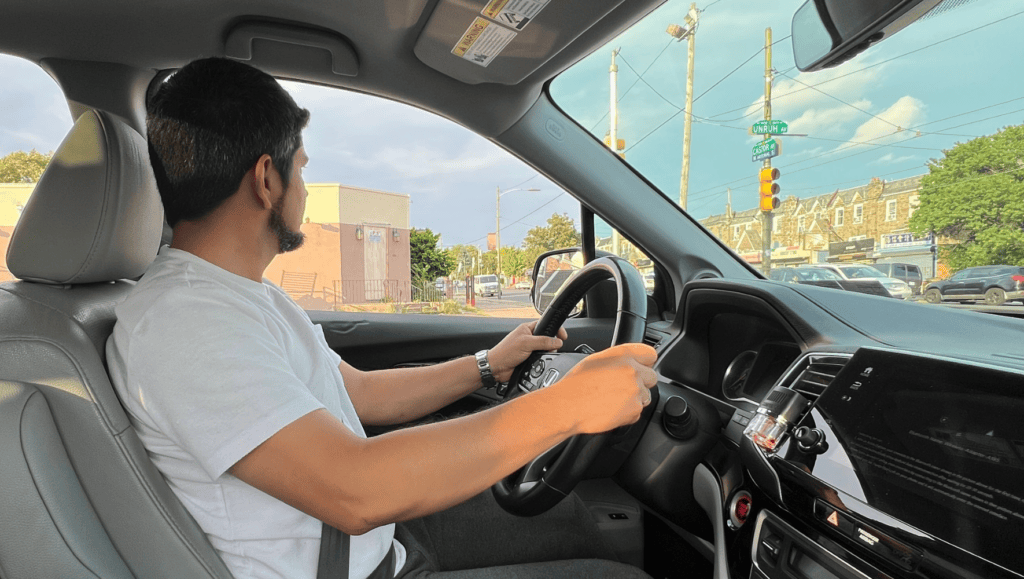
When Pedro’s daughter first climbed into the family’s first vehicle in the United States, she described it as a "spaceship." While the observation was that of a child marveling at a new possession, for her father, the car represented a structural shift in their family’s trajectory. After arriving in Philadelphia from Venezuela in 2024, the family faced the complex, often overwhelming transition from immediate survival to long-term integration. For thousands of refugees, the acquisition of a vehicle is not merely a convenience; it is a critical instrument of economic mobility, allowing for shorter commutes, access to higher-paying employment, and the psychological relief of establishing roots.
The Arc of Resettlement: From Arrival to Independence
The initial months for any refugee arriving in the United States are defined by a singular focus: meeting immediate needs. This includes securing temporary housing, obtaining basic medical screenings, and navigating the administrative hurdles of legal documentation. However, current data from international aid organizations and sociological studies indicate that the "resettlement period"—often defined by government-funded assistance programs—is merely the foundation, not the structure, of a new life.
True self-sufficiency, characterized by financial stability, professional advancement, and community integration, typically unfolds over a three-to-five-year period. During this window, individuals like Pedro and another program participant, Maryam, face a "middle-ground" challenge: they have moved past the initial crisis of displacement but lack the social capital and financial literacy required to navigate the complexities of the American economy.
Bridging the Gap: The Role of Individual Development Accounts
To address this, organizations like HIAS have implemented initiatives such as the Individual Development Account (IDA) program. These programs are designed to teach financial literacy and provide structured pathways toward major asset accumulation. In Pedro’s case, the program provided more than just a financial match; it offered a comprehensive education on vehicle ownership, including insurance navigation, predatory lending avoidance, and basic maintenance.
Pedro’s transition from a reliance on public transit—which often consumed up to 90 minutes of his day—to a 10-minute drive, fundamentally altered his economic output. Beyond his primary employment in electrical manufacturing, he has begun to leverage his specialized skills in repairing electronics, a pursuit that would have been logistically impossible without reliable transportation. By saving $6,000, which was matched by HIAS to reach a total of $12,000, Pedro achieved a milestone that serves as a case study for the effectiveness of structured economic empowerment.
Economic and Social Implications of Mobility
The implications of such programs extend far beyond the individual. Economists argue that for refugee populations, transportation is often the single greatest barrier to employment. A 2023 study on refugee workforce integration noted that 65% of refugees in urban centers struggle to retain employment due to "transportation instability," which leads to attendance issues and decreased job security.
By facilitating vehicle ownership, organizations are effectively lowering the barrier to entry for the labor market. Furthermore, these programs foster a sense of civic duty. Pedro’s sentiment—that building a life requires becoming a "good neighbor" and respecting the social fabric of the community—highlights the transition from "refugee" as a status to "resident" as an identity.
Maryam’s Journey: Navigating Systemic Complexity
The narrative of integration is rarely linear. Maryam, another participant, underscores the mental and emotional labor involved in settling into a new society. Upon her arrival, she was forced to manage the intricacies of life in the United States without the familial support network she had relied on previously. This included managing utility bills, health appointments, and legal requirements for status adjustment.
Her participation in the IDA program acted as a catalyst for professional growth. Much like Pedro, Maryam found that the training—which covered everything from credit score management to vehicle safety—demystified the American landscape. Her transition from an intimidated newcomer to a proactive community member who now assists other recent arrivals suggests that long-term support systems create a "multiplier effect." Those who receive assistance often go on to provide it to others, creating a self-sustaining support network within immigrant communities.
A Data-Driven Approach to Integration
The shift in refugee support services from short-term relief to long-term investment is backed by significant empirical evidence. Research indicates that refugees who participate in financial literacy and professional development programs within their first 24 months of arrival are 40% more likely to maintain consistent employment and demonstrate higher rates of home or vehicle ownership.
Legal support also plays a critical role in this stability. The psychological burden of navigating immigration court, green card applications, and potential changes in federal policy can be debilitating. Programs that integrate legal aid with economic counseling, as seen in the HIAS model, allow families to focus on long-term goals rather than the constant anxiety of precarious legal standing.
Challenges and Future Outlook
Despite the success of these initiatives, the landscape of refugee integration remains fraught with challenges. Inflation, rising costs of living in urban centers like Philadelphia, and the fluctuating availability of federal funding create an environment of uncertainty.
The "systemic shifts" frequently referenced by policy analysts suggest that the onus of integration is increasingly falling on private organizations and community-led programs. As government funding cycles become more competitive, the reliance on private donations and donor-funded programs like the IDA becomes more pronounced. For individuals like Pedro and Maryam, the availability of these programs is the difference between surviving and thriving.
The Long-Term Perspective
The success stories of Pedro and Maryam provide a clear window into the future of refugee policy. If the objective is to turn refugees into contributing members of the economy, the focus must shift from the "moment of arrival" to the "process of building." This requires:
- Financial Literacy: Training that translates foreign experience into American market opportunities.
- Asset Accumulation: Matching programs that allow families to bridge the gap between low-wage work and stable asset ownership.
- Legal Continuity: Providing long-term guidance to ensure that immigration status does not become a barrier to employment or education.
- Community Integration: Encouraging the development of social networks that provide emotional support and mentorship.
As Pedro noted, "The longer you stay here, the more your goals go up." This trajectory is the primary indicator of a successful resettlement policy. It is a process that requires patience, significant community investment, and an understanding that the work does not end when the plane lands or when the initial grant money is exhausted.
Conclusion: A Foundation for Future Growth
The impact of the programs described here is not merely the presence of a car in a driveway or the successful navigation of a DMV appointment; it is the restoration of agency. For those fleeing displacement, the ability to make choices—to choose a job, to choose to start a business, to choose to invest in a vehicle—is the ultimate recovery of the life they were forced to leave behind.
As the United States continues to grapple with the complexities of global migration, the model of long-term support stands as a beacon for what is possible when policy is paired with human-centric programming. The path to integration is a marathon, not a sprint, and for individuals like Pedro and Maryam, it is a journey defined by the milestones of independence, the dignity of work, and the quiet, steady progress of building a home.
Note: Pedro and Maryam’s names and certain identifying details have been modified to preserve the privacy of the individuals involved in these programs.




