
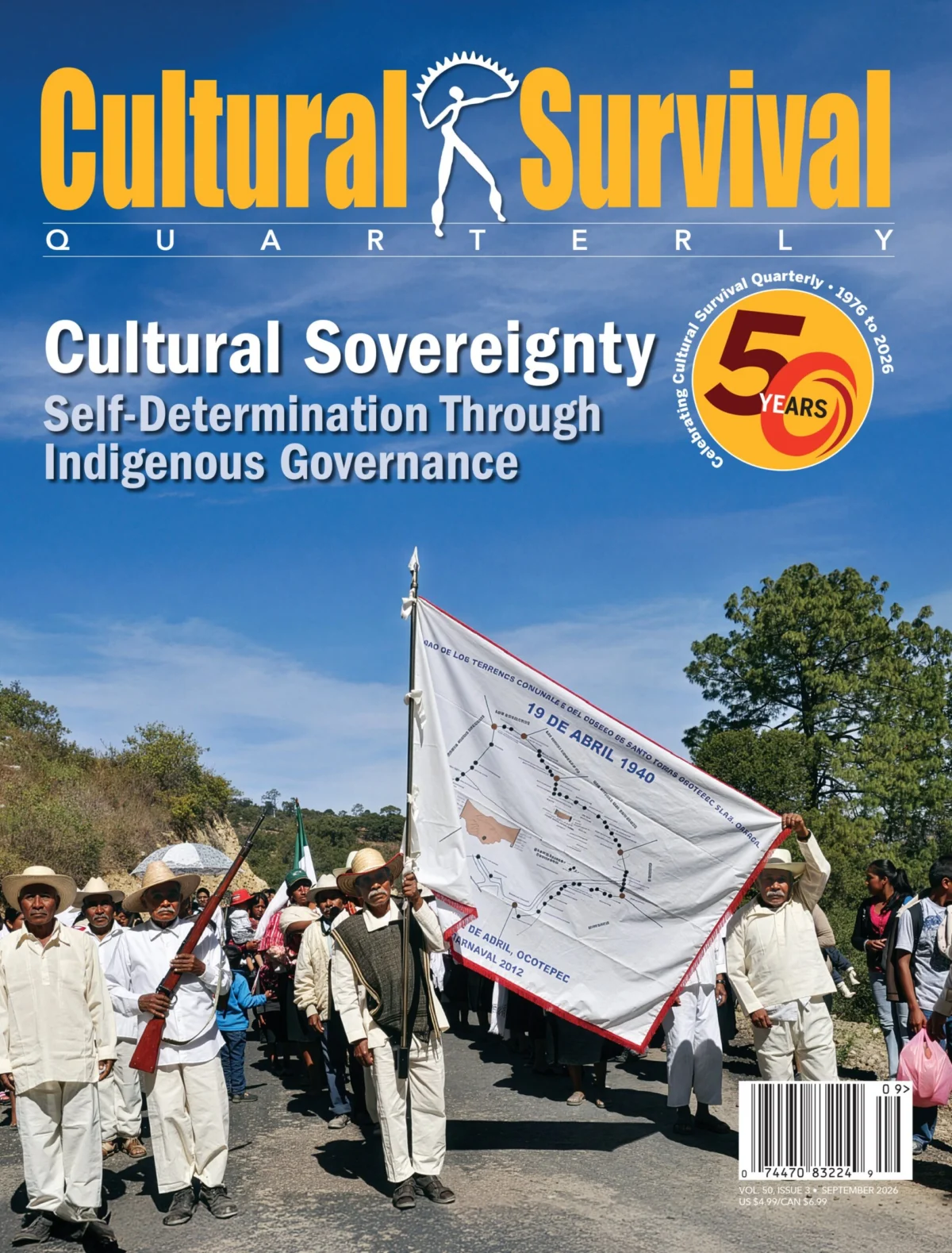
For millennia, Indigenous communities across the globe have sustained sophisticated governance systems deeply rooted in their cosmovisions, traditional laws, cultural values, and ancestral knowledge. These systems of cultural sovereignty are not merely historical artifacts; they are active, dynamic frameworks through which Indigenous Peoples enact self-determination, foster community well-being, and maintain balanced, reciprocal relationships with their more-than-human relatives across ancestral lands and waters.
In an era defined by compounding global challenges—ranging from accelerating climate change and biodiversity loss to persistent socioeconomic inequities—international bodies, environmental scientists, and human rights advocates are increasingly recognizing the vital efficacy of Indigenous governance models. Despite facing centuries of external pressures, forced assimilation policies, and ongoing systemic state interference, Indigenous nations continue to demonstrate that traditional frameworks of collective decision-making, ecological stewardship, and community responsibility offer indispensable blueprints for sustainable global futures.
Historical Context and Evolution of Indigenous Self-Governance
The historical roots of Indigenous governance predate the establishment of modern nation-states by thousands of years. These traditional systems were developed organically in response to specific local ecosystems, ensuring that human populations lived within the carrying capacity of their environments. Central to these models is the understanding that human societies are inextricably linked to the natural world. Governance, therefore, is not viewed strictly as a political exercise, but as a sacred responsibility to protect Mother Earth and ensure the continuity of life for future generations.
Historically, colonial expansion and the imposition of centralized nation-state governments sought systematically to dismantle these decentralized, community-based leadership structures. Through policies of forced relocation, residential schooling, and the legal usurpation of traditional territories, colonial governments attempted to replace Indigenous self-determination with bureaucratic, top-down administration.
Despite these sustained historical disruptions, many Indigenous communities have fiercely protected and quietly or overtly practiced their traditional governance systems. Over the latter half of the twentieth century and into the twenty-first, this resilience has catalyzed a global resurgence in Indigenous political autonomy, legal recognition, and cultural revitalization.
International Recognition and Legal Frameworks
The global significance of Indigenous governance has increasingly gained formal acknowledgment within the international community. A watershed moment in this regard was the adoption of the United Nations Declaration on the Rights of Indigenous Peoples (UNDRIP) by the UN General Assembly in September 2007.
UNDRIP explicitly affirms the inherent rights of Indigenous Peoples to self-determination and self-government. Article 4 of the declaration states: "Indigenous peoples, in exercising their right to self-determination, have the right to autonomy or self-government in matters relating to their internal and local affairs, as well as ways and means for financing their autonomous functions." Furthermore, Article 5 recognizes the right to maintain and strengthen distinct political, legal, economic, social, and cultural institutions.
Scientific research and global policy assessments have consistently underscored the practical benefits of these legal frameworks. Comprehensive reports by entities such as the Intergovernmental Science-Policy Platform on Biodiversity and Ecosystem Services (IPBES) have demonstrated that lands managed or tenured by Indigenous Peoples exhibit superior biodiversity conservation outcomes compared to conventionally managed state or private lands. By integrating traditional ecological knowledge with contemporary adaptive management strategies, Indigenous governance models successfully safeguard critical watersheds, mitigate carbon emissions, and preserve endangered flora and fauna.
Core Pillars of Traditional Governance Models
While Indigenous governance systems vary widely across different geographic regions, cultures, and language groups, several common structural pillars define their approach to leadership and community cohesion:
- Collective Decision-Making: Unlike adversarial majoritarian political systems, many Indigenous governance models emphasize consensus-building, dialogue, and inclusive community participation. Decisions regarding resource allocation, community welfare, and territorial defense are often deliberated collectively to ensure broad representation and social harmony.
- Intergenerational Responsibility: Leadership is viewed through a long-term lens, frequently guided by principles akin to the Seventh Generation philosophy—ensuring that current actions positively impact descendants seven generations into the future.
- Integration with Natural Laws: Governance structures are inextricably bound to ecological realities. Natural laws governing the health of forests, rivers, and wildlife populations inform human laws, creating a legal system rooted in reciprocity rather than extraction.
- Holistic Well-Being: Traditional governance addresses social, economic, cultural, and spiritual health simultaneously. Rather than isolating policy sectors, community leadership views health, education, and ecological integrity as mutually reinforcing domains.
Contemporary Challenges: Sabotage and Systemic Obstacles
Despite robust international legal standards and proven ecological outcomes, Indigenous self-determination faces severe, ongoing threats from outside entities. A central obstacle identified by scholars, human rights defenders, and Indigenous leaders is the persistent resistance and interference of centralized nation-states.
Renowned Maya K’iche’ sociologist and scholar Irma Velásquez Nimatuj has frequently highlighted this structural friction. According to analyses published through human rights and cultural preservation initiatives, the primary hurdle for Indigenous autonomy is not demonstrating whether self-governance works—as centuries of successful implementation have already proven its viability—but rather compelling nation-states to cease active efforts to undermine, marginalize, and sabotage it.
External threats frequently manifest through various channels:
- Legal and Jurisdictional Overreach: National governments often fail to recognize Indigenous legal systems, imposing statutory laws that directly conflict with traditional land tenures and governance mandates.
- Resource Extraction and Industrial Encroachment: State-backed or corporate-sanctioned mining, logging, fossil fuel extraction, and agribusiness projects frequently violate the principle of Free, Prior, and Informed Consent (FPIC), degrading traditional territories and weakening local authority.
- Criminalization of Indigenous Leaders: Land defenders and traditional authorities advocating for territorial sovereignty and environmental protection face disproportionate rates of harassment, legal prosecution, and violence globally.
The Role of Cultural Survival and Independent Media
Navigating these complex geopolitical realities requires sustained solidarity, advocacy, and the amplification of Indigenous voices. Organizations such as Cultural Survival play a critical role in supporting Indigenous Peoples as they document, revitalize, and defend their knowledge systems, languages, and lifeways.
Through advocacy, community-based media initiatives, and the dissemination of rigorous journalism via platforms like the Cultural Survival Quarterly, these organizations work to ensure that Indigenous-led solutions are visible to global audiences. By maintaining independent publishing models that rely on reader support rather than restrictive paywalls, such initiatives democratize access to vital perspectives on human rights and environmental justice.
Broader Implications and Future Outlook
The strengthening and protection of Indigenous governance models hold profound implications for the global community. As policymakers grapple with the existential crises of climate change, resource depletion, and democratic erosion, the principles embedded within traditional Indigenous systems offer vital lessons in resilience, equity, and sustainability.
Future progress depends heavily on the willingness of nation-states to move beyond tokenistic recognition and toward genuine decolonization. This requires respecting territorial rights, implementing legal pluralism that accommodates Indigenous customary law, and fully honoring the mandates outlined in international human rights instruments.
Ultimately, supporting Indigenous self-governance is not merely an act of cultural preservation or historical restitution; it is a pragmatic, forward-looking necessity for safeguarding the planetary systems upon which all human societies depend. By dismantling systemic obstacles and upholding the autonomy of Indigenous nations, the global community can foster a more just, balanced, and sustainable future.




