
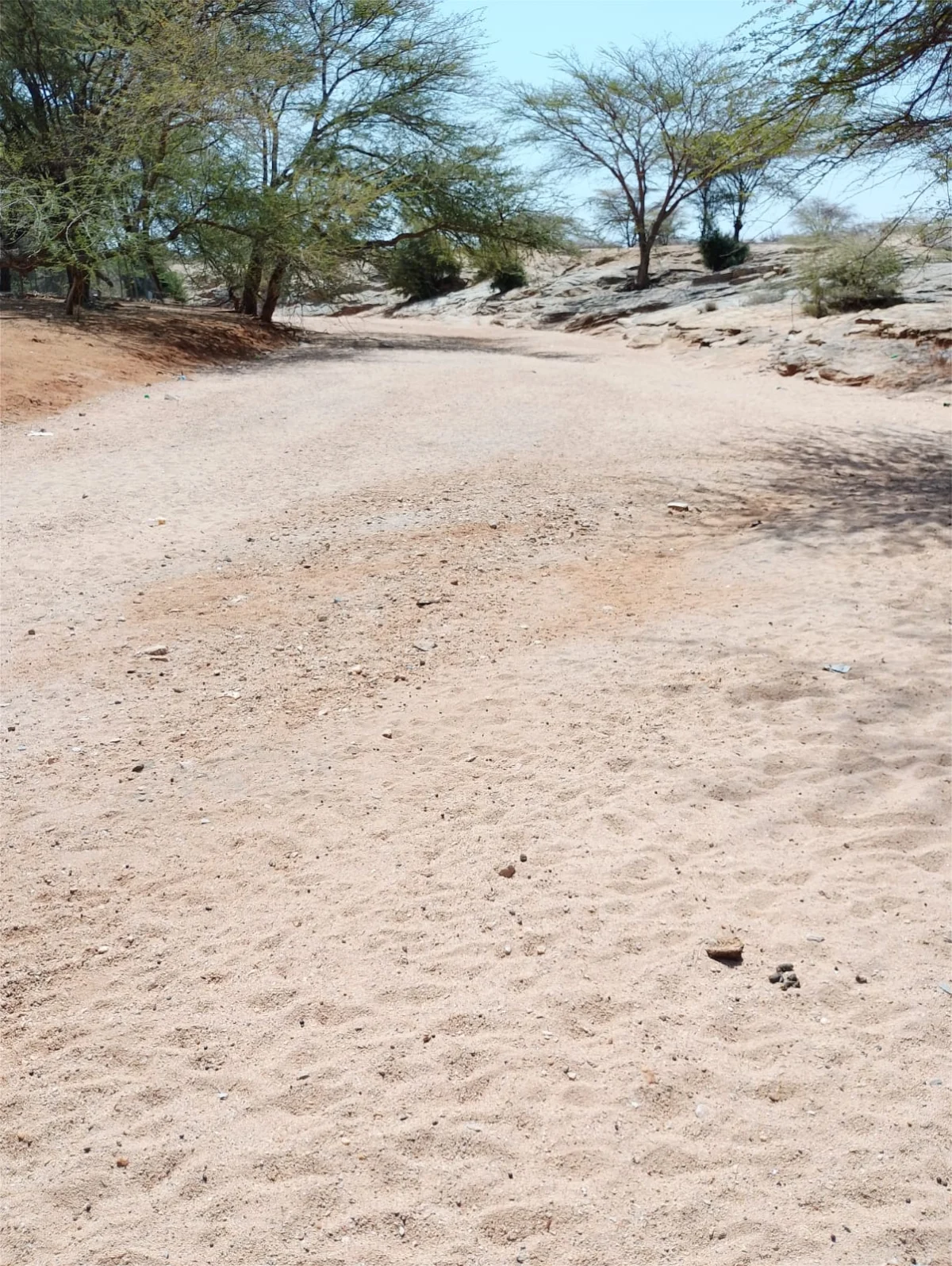
Before the first light of dawn breaks over the arid expanse of Marsabit County in northern Kenya, a familiar and exhausting ritual begins. Women and children, equipped with ropes and empty plastic jerricans, step out into the chill of the morning to embark on a desperate search for water. Their destinations are the traditional shallow hand-dug wells carved laboriously into dry, sandy riverbeds in settlements such as Korr and Laisamis. Here, they wait for hours, sometimes enduring the blistering midday heat and the freezing desert night, just to lower their narrow containers into subterranean holes and draw out whatever murky liquid remains.
For generations, the Rendille people and neighboring pastoralist communities have measured the passage of time not by the hours on a clock, but by the endless queues at these dwindling water points. Today, however, this daily struggle has escalated from a traditional hardship into a full-scale humanitarian emergency. Unrelenting droughts, exacerbated by globally shifting climate patterns, are rapidly depleting the region’s fragile underground water reserves faster than natural seasonal cycles can replenish them.
The consequences stretch far beyond immediate thirst. The scarcity of clean water has triggered a cascade of systemic failures, threatening public health, decimating livestock herds, crippling traditional pastoralist economies, and exposing vulnerable populations—particularly women and children—to severe malnutrition and waterborne diseases. As climate change continues to alter the ecological reality of East Africa’s arid and semi-arid lands (ASALs), the Rendille community finds itself at the frontline of an escalating planetary crisis.
An Evolving Crisis: Chronology and Climate Realities
The current crisis in Marsabit is not an isolated weather anomaly; it is the culmination of decades of environmental degradation and compounding meteorological shifts. Historically, northern Kenya experienced a relatively predictable cycle of short and long rains that allowed pastoralists to move their livestock across vast rangelands, rotating grazing zones and permitting water sources to recharge.
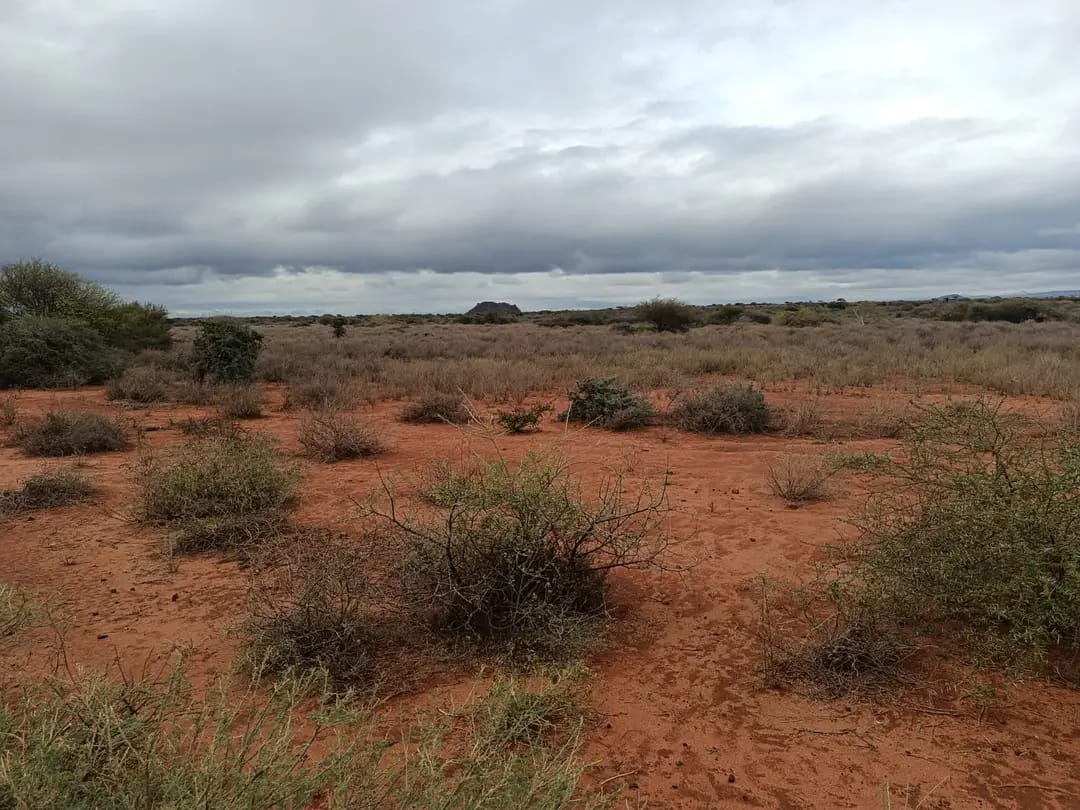
In recent years, however, this delicate ecological balance has collapsed. According to climate monitoring data from the Intergovernmental Authority on Development (IGAD) Climate Prediction and Applications Centre (ICPAC), the Horn of Africa has suffered through multiple consecutive failed rainy seasons over the past decade. This unprecedented multi-year drought has left soils baked and impermeable, preventing what little rain does fall from properly soaking into the water table.
Local authorities confirm that the environmental degradation is accelerating. Guyo Guracho, an official with Kenya’s National Drought Management Authority (NDMA), highlights the severity of the depletion. "Water sources are no longer recharging as they used to," Guracho explains. "Across Marsabit County, rains have become less predictable, and prolonged droughts are drying up rivers, water pans, and wells faster than they can recover."
Even deep boreholes, which historically served as a reliable safety net during seasonal dry spells, are experiencing declining water tables. The dropping water levels force communities to queue for hours simply to collect meager allocations, fundamentally disrupting the daily social and economic fabric of pastoralist life.
Public Health Under Threat: Unsafe Water and Rising Disease Burdens
With conventional municipal water infrastructure virtually non-existent in the remote interior of Marsabit, residents depend almost entirely on open shallow wells, natural ponds, and compromised boreholes. These sources serve a dual purpose, catering simultaneously to human consumption and livestock needs, creating a hazardous environment for waterborne pathogens.
Unpredictable, torrential downpours frequently wash surface contaminants—including human and animal waste—directly into unprotected water pans and shallow wells. Simultaneously, high desert winds sweep dust and biological debris into open reservoirs. Consequently, families ingest water laden with harmful bacteria, precipitating outbreaks of waterborne illnesses such as typhoid, dysentery, and acute diarrheal diseases. Public health officials note a persistent spike in cholera vulnerabilities during dry periods when water sources shrink to stagnant pools.
Compounding the biological contamination is the issue of high mineral salinity. Groundwater across many parts of Marsabit naturally contains elevated levels of dissolved salts due to the geological composition of the region’s volcanic soils. As overall water volumes decrease during droughts, salinity concentrations spike dramatically. Prolonged consumption of high-salinity water poses significant long-term health risks, particularly impacting kidney function, exacerbating hypertension, and placing an added physiological burden on pregnant and breastfeeding women.
The Ripple Effect: Livestock Losses and Nutrition Collapse
For the Rendille and other pastoralist groups, including the Gabra and Borana, livestock are far more than economic commodities; they are the foundational pillar of society, culture, and survival. Cattle, sheep, goats, and camels provide meat, blood, and, most importantly, milk—the primary dietary staple for children and families living in the rangelands.
As water sources vanish, pastures wither away into barren dust. Deprived of adequate nutrition and hydration, livestock herds are perishing in staggering numbers across North Horr, Laisamis, Moyale, and Saku sub-counties. The death of livestock triggers an immediate nutritional crisis. Without milk production, families lose their primary source of daily protein and essential micronutrients.
Health workers stationed in Marsabit report alarming rates of acute malnutrition among children under the age of five. The compounding effects of unsafe drinking water, poor sanitation, and milk scarcity create a vicious cycle of disease and wasting. Medical professionals warn that chronic malnutrition sustained during early childhood can lead to irreversible physical stunting and cognitive developmental delays, threatening the future potential of an entire generation of Rendille youth.
The Heavy Burden Borne by Women and Girls
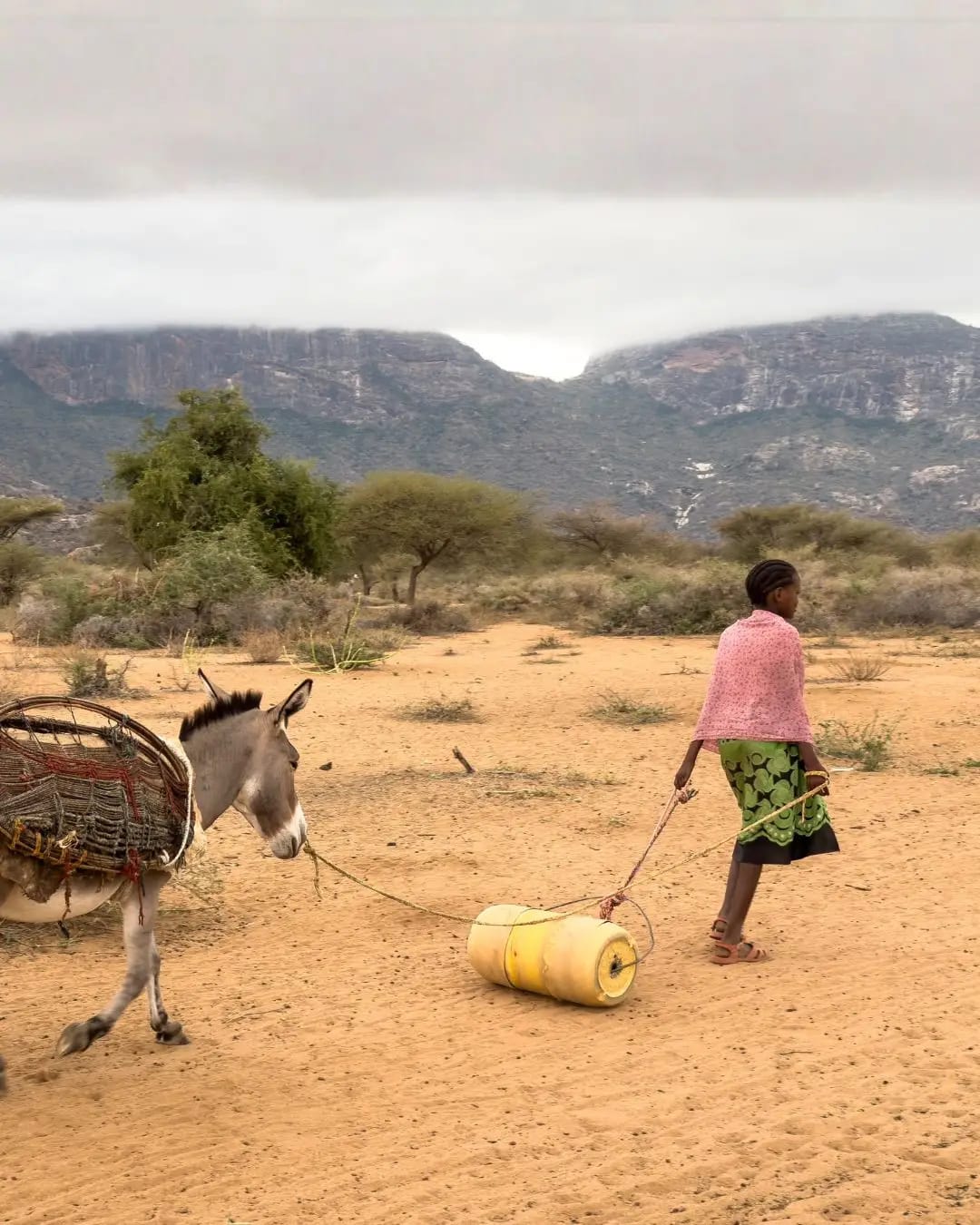
In the patriarchal yet structurally cooperative framework of pastoralist societies, the burden of natural resource management falls disproportionately on women and girls. Fetching water is traditionally women’s work, and as the distance to functional water points increases, so does the physical and psychological toll on female community members.
Women routinely walk several kilometers each day under searing temperatures to reach functional wells. This daily trek consumes hours that could otherwise be dedicated to formal education, maternal self-care, or community-based economic initiatives. For school-aged girls, helping mothers secure household water often leads to chronic absenteeism or permanent school dropouts, perpetuating a cycle of educational disadvantage.
Furthermore, expectant mothers and nursing women face heightened vulnerability during droughts. Dehydration, combined with limited access to balanced nutrition, compromises maternal health, increases the incidence of low birth weights, and threatens infant survival rates. Humanitarian agencies stress that any effective intervention must prioritize the specific socio-economic and health needs of women.
Technological Intervention: Seeking Long-Term Solutions
Amid the mounting crisis, local civil society organizations and development partners are stepping in to pioneer innovative, sustainable solutions that move beyond temporary emergency relief measures.
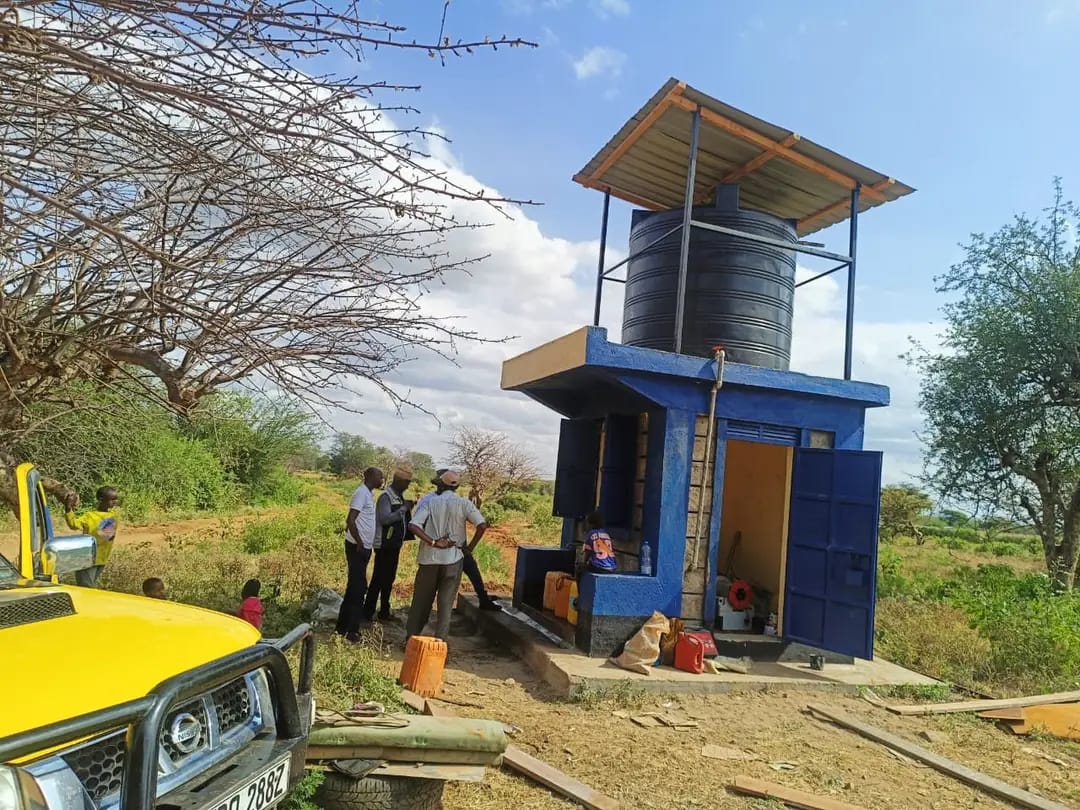
The Pastoralists Community Initiative and Development Assistance (PACIDA), a prominent public benefit organization operating in northern Kenya, recognized that shallow wells and surface water pans offered only temporary reprieve. In response, PACIDA initiated a major groundwater exploration project, successfully drilling a deep borehole in a strategic location within the county.
The initial discovery brought immense relief and celebration to a community exhausted by water scarcity. The newly bored well yielded an impressive volume of approximately 40,000 liters of water per hour. However, rigorous laboratory testing presented a formidable hurdle: the extracted groundwater possessed dangerously high salinity levels, rendering it entirely unfit for human consumption.
Refusing to abandon the project, PACIDA mobilized strategic partnerships, securing financial backing from international humanitarian networks, notably Caritas. Utilizing these funds, the organization engineered a transition by procuring, building, and installing a modern reverse osmosis desalination plant, which officially commenced operations in 2025. This advanced filtration technology successfully strips excess mineral salts from the groundwater, transforming brackish, unusable liquid into safe, potable water for the surrounding community.
Broader Implications: Policy, Adaptation, and Resilience
While engineered solutions like desalination plants provide vital localized relief, experts emphasize that technical fixes alone cannot reverse a structural climate crisis. The ongoing emergency in Marsabit highlights the urgent need for systemic policy shifts across national and county levels in Kenya.
Humanitarian actors and environmental scientists advocate for increased public and private investment in climate-resilient infrastructure. This includes expanding rainwater harvesting systems, upgrading subterranean piping networks, and establishing community-managed rangeland management programs to prevent overgrazing around permanent water points.
Simultaneously, local pastoralists are demonstrating remarkable adaptive capacity. Many herders are deliberately restructuring their herds, shifting away from cattle—which have high water requirements—toward drought-resilient livestock species such as camels and hardy indigenous goats. Furthermore, community elders are revitalizing traditional conflict-resolution mechanisms to manage peaceful access to dwindling pastures and water resources, minimizing inter-communal friction.
A Future Hanging in the Balance
The plight of the Rendille Indigenous community serves as an unvarnished testament to the reality of global climate change. In Marsabit County, climate change is not an abstract political debate or a distant future projection; it is a lived daily struggle manifested in dry wells, weakened livestock, hungry children, and exhausted mothers.
As international climate negotiations continue to debate global emissions targets, the people of northern Kenya live with the immediate consequences of environmental destabilization. For the Rendille, every drop of water represents the thin margin between life and extinction. Without sustained, multi-sectoral support combining emergency aid, innovative water technology, and long-term climate adaptation strategies, the survival of a resilient culture and its people hangs perilously in the balance.
Damaris Lenantare (Rendille) is a 2026 Cultural Survival Indigenous Journalism Fellow. She is an accomplished journalist and Indigenous women’s rights activist from Kenya, specializing in radio program production and digital video reporting. Her work consistently amplifies the voices of Indigenous Peoples, focusing intensely on land rights, climate change adaptation, and cultural conservation in northern Kenya.




