
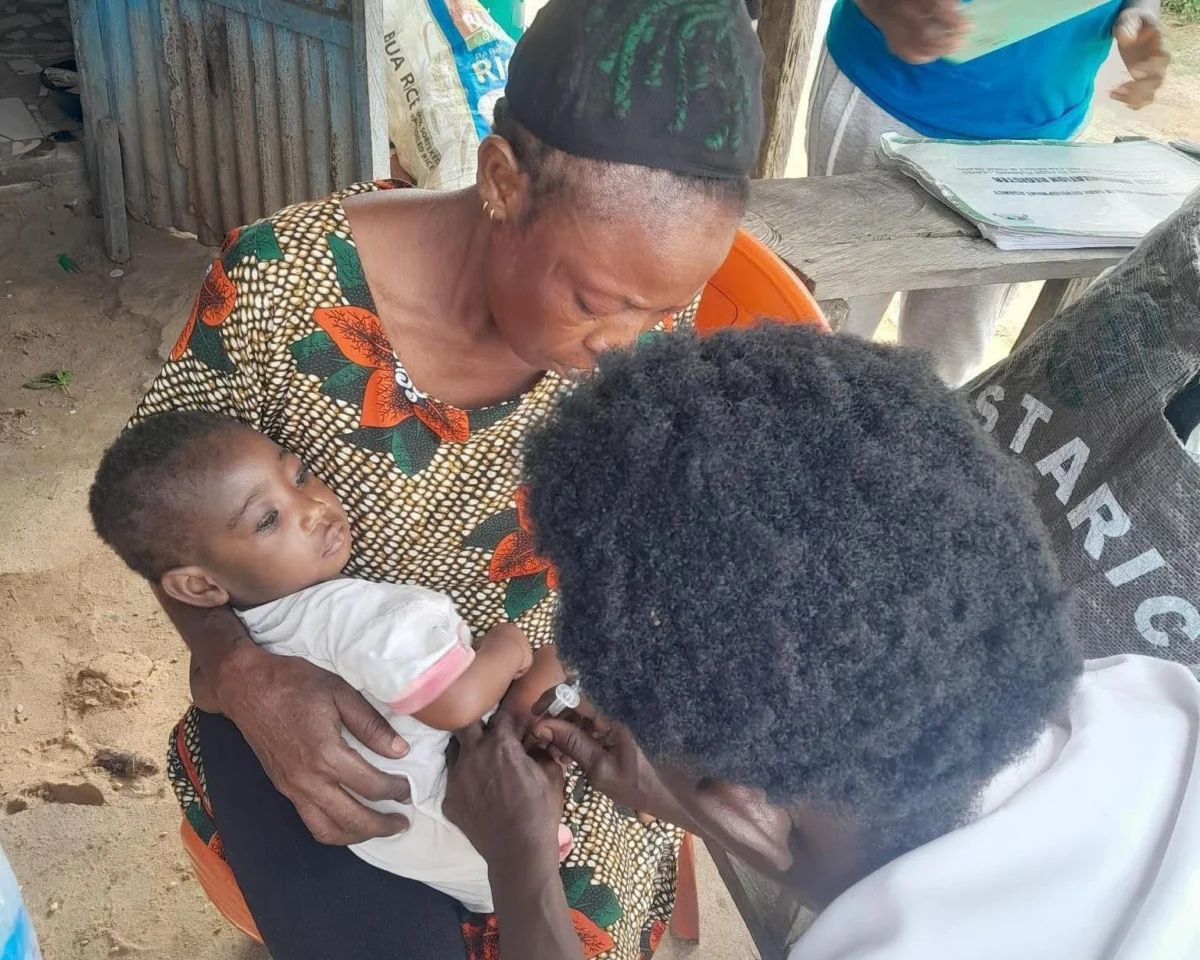
For nearly two decades, Mrs. Favour maintained an unwavering stance against immunizations, keeping her children entirely shielded from the conventional healthcare interventions that protect millions of youths worldwide. Living in the Yenegwe community of Bayelsa State, Nigeria, this hairdresser and mother of five held fast to a decision born out of a deeply unsettling personal experience. When her firstborn—now 19 years old—was an infant, the child experienced a severe post-vaccination reaction characterized by high fever, persistent restlessness, and intestinal distress. Although the infant eventually recovered without long-term complications, the traumatic episode planted a seed of profound mistrust in Mrs. Favour’s mind. For the next twenty years, that single negative encounter overshadowed every subsequent public health campaign, resulting in her youngest child, Baby Rejoice, remaining a zero-dose child—having never received a single immunization by the age of one.
The reality of Mrs. Favour’s situation is far from isolated. Across sub-Saharan Africa and various low- and middle-income regions, public health authorities frequently confront the complex psychological barriers that underpin vaccine hesitancy. Rather than stemming from sheer defiance or malice, the vast majority of immunization refusals are deeply rooted in genuine fear, past trauma, cultural anxieties, and a critical lack of transparent communication regarding Adverse Events Following Immunization (AEFI). When caregivers witness their infants suffering from unexpected physiological reactions after receiving a jab, and no medical professional is readily available to explain, contextualize, or manage these symptoms, the resulting vacuum of information is quickly filled by rumors, suspicion, and enduring apprehension.
A Turning Point in Yenegwe: The Power of Empathetic Dialogue
The longstanding wall of resistance surrounding Mrs. Favour’s household began to crumble on June 10, 2026, during a targeted community outreach session. Conducted by the Yenegwe Primary Health Center with vital technical and logistical support from John Snow, Inc. (JSI), the outreach initiative was designed to comb through local settlements, identify unprotected infants, and bridge critical immunity gaps. It was during this event that health workers flagged Baby Rejoice as a zero-dose child, prompting Esogenwune Nwabueze, the JSI Bayelsa State advocacy, communication, and social mobilization (ACSM) officer, to intervene.
Instead of deploying heavy-handed compliance tactics or dismissing the mother’s historical refusals, Nwabueze approached Mrs. Favour with active listening and profound empathy. He invited her to share her story, listened intently to her concerns about her eldest child, and systematically addressed the core misunderstandings surrounding AEFIs. Through evidence-based counseling, Nwabueze explained that many mild to moderate post-vaccination reactions—such as low-grade fevers or localized swelling—are normal immune responses rather than indicators of systemic danger. He outlined clear danger signs, equipped the mother with actionable steps to manage common side effects at home, and emphasized the profound health benefits of completing a standard immunization course.
This respectful, non-judgmental dialogue proved transformative. Empowered with accurate information rather than dictated mandates, Mrs. Favour made the voluntary, informed decision to authorize the vaccination of Baby Rejoice. During that single outreach session, the one-year-old received six life-saving vaccines designed to shield her against a formidable array of preventable diseases, including tuberculosis, polio, hepatitis B, diphtheria, pertussis (whooping cough), tetanus, pneumonia, rotavirus, and meningitis.
Navigating the Non-Linear Road to Complete Immunization
Public health experts frequently emphasize that the trajectory from vaccine hesitancy to full acceptance is rarely a straight line. Recognizing that initial compliance does not guarantee long-term adherence, the JSI mobilization team instituted a rigorous follow-up framework. To reinforce maternal confidence and prevent default, Nwabueze conducted a home visit to Mrs. Favour’s residence the very next day, checking on Baby Rejoice’s recovery and answering any lingering questions. Furthermore, he formally integrated the family into the local health infrastructure by sharing the child’s records with the Yenagoa immunization officer and the local health facility team.
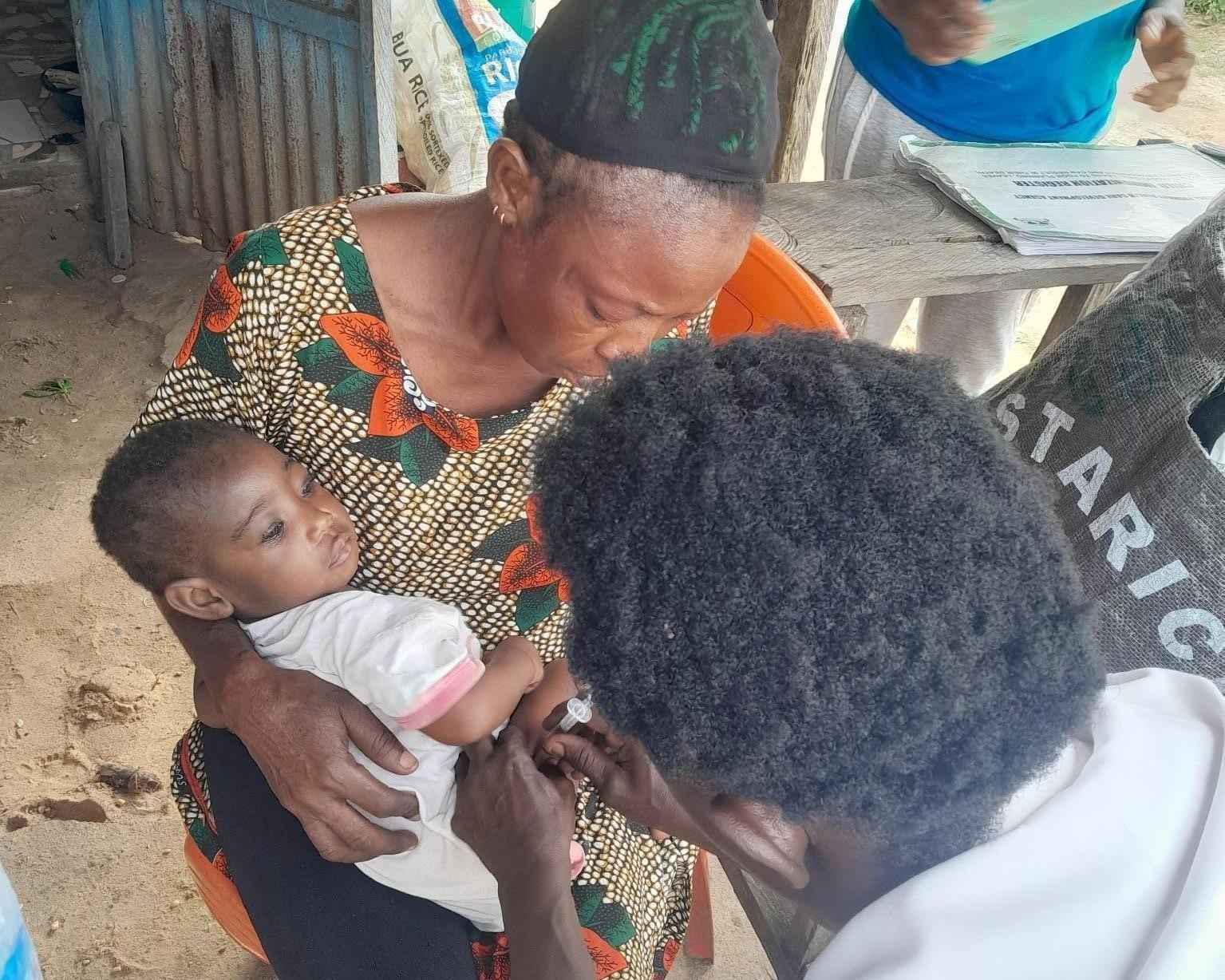
This proactive coordination proved essential just weeks later. Although Baby Rejoice was officially scheduled to return to the Yenegwe Primary Health Center for her subsequent round of vaccinations one month after her initial dose, she missed her appointment window. Rather than allowing the child to slip back into the zero-dose category, the Yenagoa immunization office immediately activated its defaulter-tracking protocol. Health workers visited Mrs. Favour at home, addressing her renewed anxieties, reassuring her of the safety and age-appropriateness of the scheduled antigens, and explaining the vital importance of closing her daughter’s remaining immunity gap.
Buoyed by this continuous, compassionate reinforcement, Mrs. Favour brought Baby Rejoice back to the health facility the following month. During this follow-up visit, the infant successfully received her remaining missed antigens, including crucial subsequent doses of the pentavalent vaccine (Penta 2), oral polio vaccine (Polio 2), additional rotavirus protection, and newly introduced preventative treatments such as the malaria vaccine. This successful reconciliation highlighted the profound efficacy of robust defaulter-tracking systems, clear inter-agency accountability, and sustained interpersonal communication between healthcare providers and skeptical caregivers.
Broader Implications: Contextualizing Zero-Dose Children in Nigeria
The remarkable turnaround observed in Yenegwe offers critical lessons for national and international public health strategies striving to reach zero-dose and under-immunized children. Nigeria, like many nations across the African continent, has made substantial strides in expanding routine immunization coverage; however, pockets of unreached children persist due to geographical barriers, systemic inequalities, and localized community hesitancy. Zero-dose children represent the most vulnerable demographic within public health frameworks, bearing the highest burden of vaccine-preventable disease outbreaks, including recurring measles and circulating variant poliovirus flare-ups.
Data compiled by global health organizations consistently demonstrates that achieving herd immunity and protecting marginalized populations requires moving away from purely administrative approaches toward community-centered engagement models. Programs like those supported by JSI in Bayelsa State underscore that ACSM officers are not merely bureaucratic adjuncts, but vital psychological bridges between formal medical institutions and hesitant grassroots communities. By treating vaccine hesitancy as a legitimate communication challenge rather than a behavioral failing, public health systems can systematically dismantle the fears that keep millions of children away from life-saving clinics.
Institutional Commitments and Future Outlook
Reflecting on the successful intervention in Yenegwe, Esogenwune Nwabueze articulated the foundational philosophy driving modern mobilization efforts in the region. Every caregiver, he noted, deserves access to accurate, transparent information so they can make autonomous, fully informed decisions regarding the health and safety of their offspring. Because a significant proportion of vaccine refusals stem from historical trauma, unaddressed side effects, or pervasive misinformation, active listening must serve as the foundational first step toward establishing enduring community trust.
This sentiment is strongly echoed at the highest administrative levels of Bayelsa State’s public health infrastructure. Dr. Williams Appah, Executive Secretary of the Bayelsa State Primary Health Care Board, emphasized that institutional resolve remains absolute when it comes to locating and protecting every vulnerable child. No infant, Dr. Appah asserted, should ever be considered beyond reach when local communities, frontline health workers, and dedicated development partners like JSI align their resources, expertise, and empathy. The Board remains deeply committed to scaling up localized outreach, strengthening frontline capacity, and ensuring that primary healthcare facilities are adequately equipped to engage, educate, and immunize every zero-dose and under-immunized child across the state.
As Baby Rejoice continues to grow up healthy and fully immunized, her family’s journey stands as a powerful testament to the enduring impact of empathy in medicine. What began as a 20-year blockade of fear and mistrust was ultimately dismantled not through coercion or mandates, but through the simple, radical act of someone sitting down, listening attentively, and respecting a mother’s right to understand. In the ongoing global fight against vaccine-preventable diseases, the Yenegwe case study proves that while fear is a formidable barrier, patient dialogue and unwavering institutional support remain the ultimate keys to unlocking lasting public health success.




