Brittney Peauwe Wunnepog Walley, a Nipmuc artist and advocate, is weaving a powerful narrative of cultural preservation and resistance through her intricate woven goods and wearable art. Her work, deeply rooted in the rich history of Nipmuc traditions and informed by the teachings of her father and community, serves as a tangible link to the past, a vibrant expression of the present, and a vital investment in future generations. Walley’s dedication extends beyond her artistry, encompassing significant Indigenous advocacy, particularly in her role as the Anti-Mascot Representative for the Chaubunagungamaug and Hassanamisco Nipmuc. Her multifaceted approach underscores the profound connection between cultural continuity, self-representation, and the fight for Indigenous rights.
The Art of Nipmuc Weaving: A Living Legacy
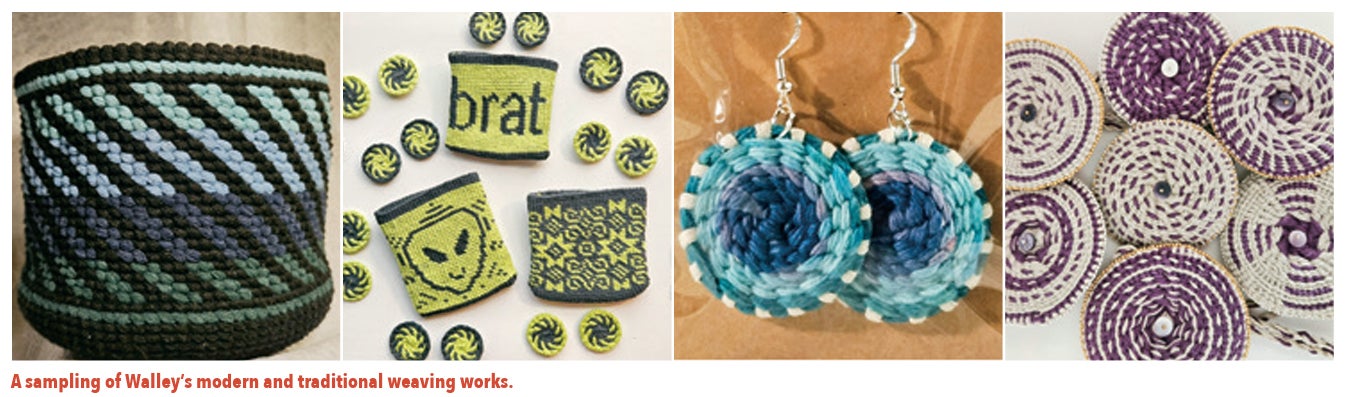
Walley’s artistry is a direct continuation of ancestral practices, a testament to the enduring power of Indigenous craft. "If I’m sharing a pair of woven earrings, I’m doing that because it’s a piece of our culture as old as time," Walley states, emphasizing that her creations, from delicate earrings to functional keychains, are deliberate acts of cultural transmission. This philosophy highlights the significance of everyday objects as vessels of cultural heritage, ensuring that Nipmuc traditions are not confined to historical archives but are actively lived and displayed.
She learned the Northeastern Woodland-style weaving, a soft form of twining, from Kerry Helme of the Mashpee Wampanoag. This specific technique differentiates her work from some historical Nipmuc wood splint basketry, showcasing an evolution within traditional methods. Initially, Walley incorporated hemp cord into her older pieces, reflecting a connection to traditional materials. More recently, she has transitioned to using cotton cord, a decision guided by a commitment to environmental responsibility. "I try to be responsible for the Earth and use plant materials as much as possible," she explains, demonstrating a contemporary consciousness integrated into her ancestral craft. This thoughtful material selection not only honors the environment but also speaks to the adaptability of Indigenous art forms in the modern world.
Walley’s woven art has garnered significant recognition, being featured in numerous museums across the Northeast and beyond. This institutional acknowledgment signifies a growing appreciation for Indigenous art and its historical and cultural importance. The presence of her work in such esteemed venues contributes to broader public understanding and re-contextualizes Indigenous artistic contributions within the mainstream art world.
Advocacy Beyond the Loom: A Voice for Self-Representation
Walley’s commitment to her community and Indigenous rights is equally evident in her extensive advocacy work. As the Anti-Mascot Representative for the Chaubunagungamaug and Hassanamisco Nipmuc, she actively campaigns against the use of Indigenous peoples as sports mascots, a practice that perpetuates harmful stereotypes and erases Indigenous identities. This role is not merely symbolic; it involves direct engagement with legislative efforts and public awareness campaigns.
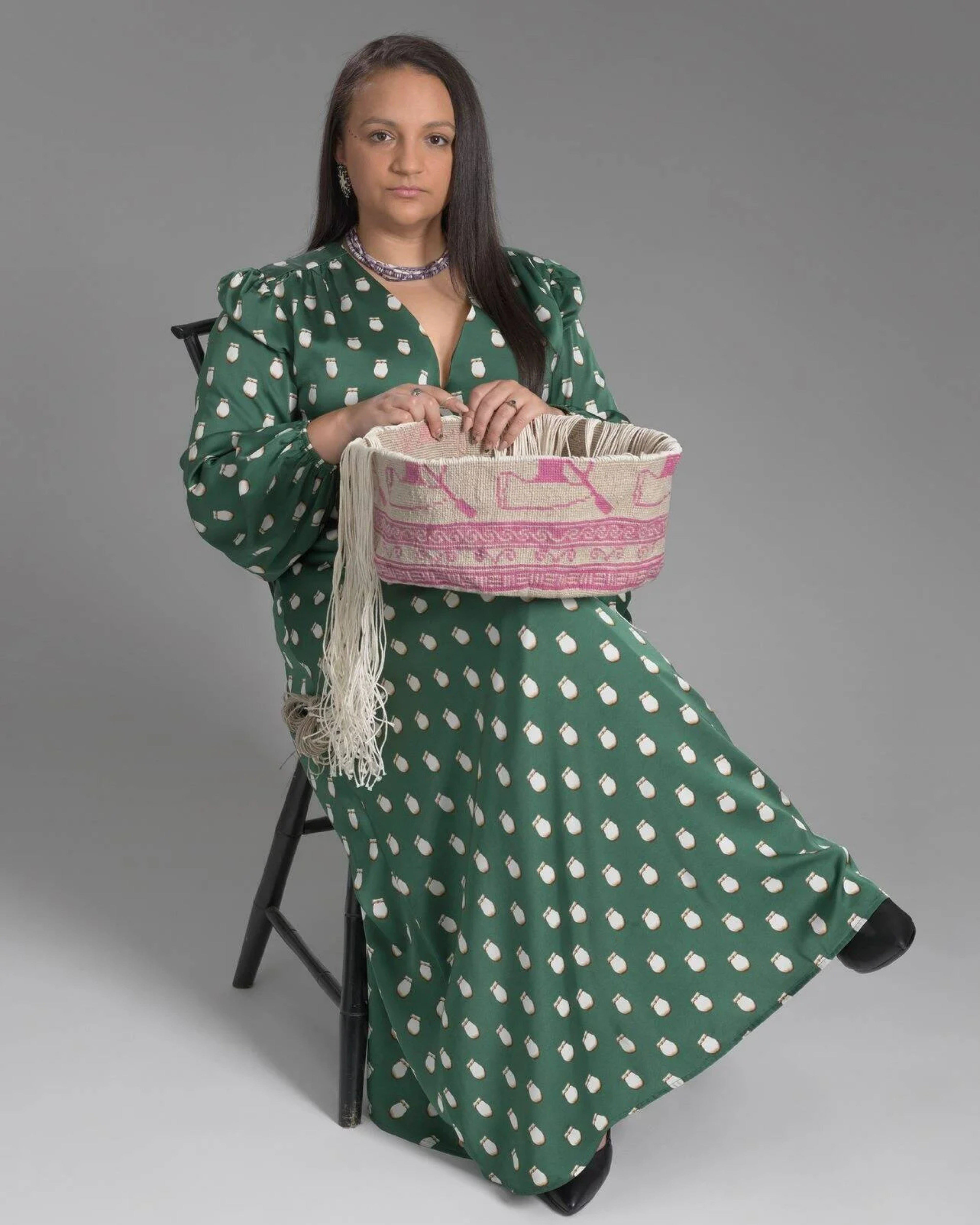
"I’ve always been drawn to making things right," Walley remarks, detailing her official foray into anti-mascot advocacy in 2020. This period marked a surge in Indigenous-led activism nationwide, and Walley’s involvement placed her at the forefront of multiple statewide Indigenous-focused legislative initiatives. Her work in this area is fundamentally about "self-representation, about the ability to share your own story and share your own images about what you think best represents you, not something that’s been put on top of you by an outside force." This powerful statement encapsulates the core of Indigenous self-determination – the right to define oneself and one’s culture without external imposition.
Beyond mascot advocacy, Walley champions Indigenous studies initiatives and serves as a board member for Mass Humanities, an organization dedicated to promoting public understanding of the humanities. Her involvement in Indigenous Peoples Day campaigns further solidifies her dedication to elevating Indigenous voices and histories. Her academic background, holding a master’s degree in Critical Ethnic Community Studies with a concentration in historical archaeology from the University of Massachusetts, Boston, provides a strong theoretical and research-based foundation for her activism and artistic endeavors. This interdisciplinary approach allows her to critically analyze historical injustices and articulate the need for authentic representation.
Weaving the Future: Ensuring Cultural Continuity
Walley views her weaving not just as an artistic pursuit but as a critical strategy for ensuring the cultural sustainability of the Nipmuc people. "Keeping on with weaving is so important for our cultural sustainability," she asserts, highlighting the palpable impact of her efforts. "There’s already been an increase in Nipmuc weavers, and I’ve been able to share my knowledge with them." This growth is particularly significant given that, a few years prior, her chief had indicated she might have been the only Nipmuc basket weaver. The thought of being the sole practitioner was deeply unsettling for her.
To counteract this historical isolation and foster a thriving weaving community, Walley has organized numerous weaving workshops. These workshops are conducted within her community and extended to intertribal groups, creating vital spaces for knowledge exchange and skill development. "It’s been a pleasure to teach and to really bring my present into the future that way," she shares. Reflecting on the generational aspect of her craft, she notes, "Exactly seven generations ago, my fifth or sixth great grandmother wove chair parts. I just see myself as a drop in the ocean." This humble perspective underscores her understanding of being part of a much larger, continuous lineage of Nipmuc artisans and cultural keepers. Her efforts are not about individual achievement but about contributing to a collective resurgence.
Art as a Narrative: Decoding the Language of Patterns
Walley’s woven creations are more than aesthetically pleasing objects; they are intricate narratives, each pattern a potential story waiting to be deciphered. "A pattern in a basket can tell a story and depict something that has happened," she explains. "When I’m in the right position to read the baskets, I can look at them and understand them as if they’re a text. Sometimes it can be very literal, but the act of weaving can also be a touchstone for talking about stories." This perspective transforms her artwork into a form of visual language, a sophisticated system of communication that carries historical accounts, cultural values, and ancestral knowledge.
Her artistic practice is intrinsically linked to reclaiming narratives. "I’m doing my best to represent myself and the culture. . . thinking about how we can take back this power to represent ourselves, speak for ourselves, and share our own stories," Walley states. This drive for authentic representation is crucial for Indigenous artists who have historically been misrepresented or overlooked in mainstream cultural discourse. As a Native artist, she can forge profound connections with other Indigenous individuals: "I can connect with other Native Peoples on a much deeper level. I’ve learned that there is an endless amount of talent and creativity." This shared understanding and appreciation foster a sense of solidarity and mutual empowerment within Indigenous communities.
The Cultural Survival Bazaar: A Platform for Connection and Empowerment
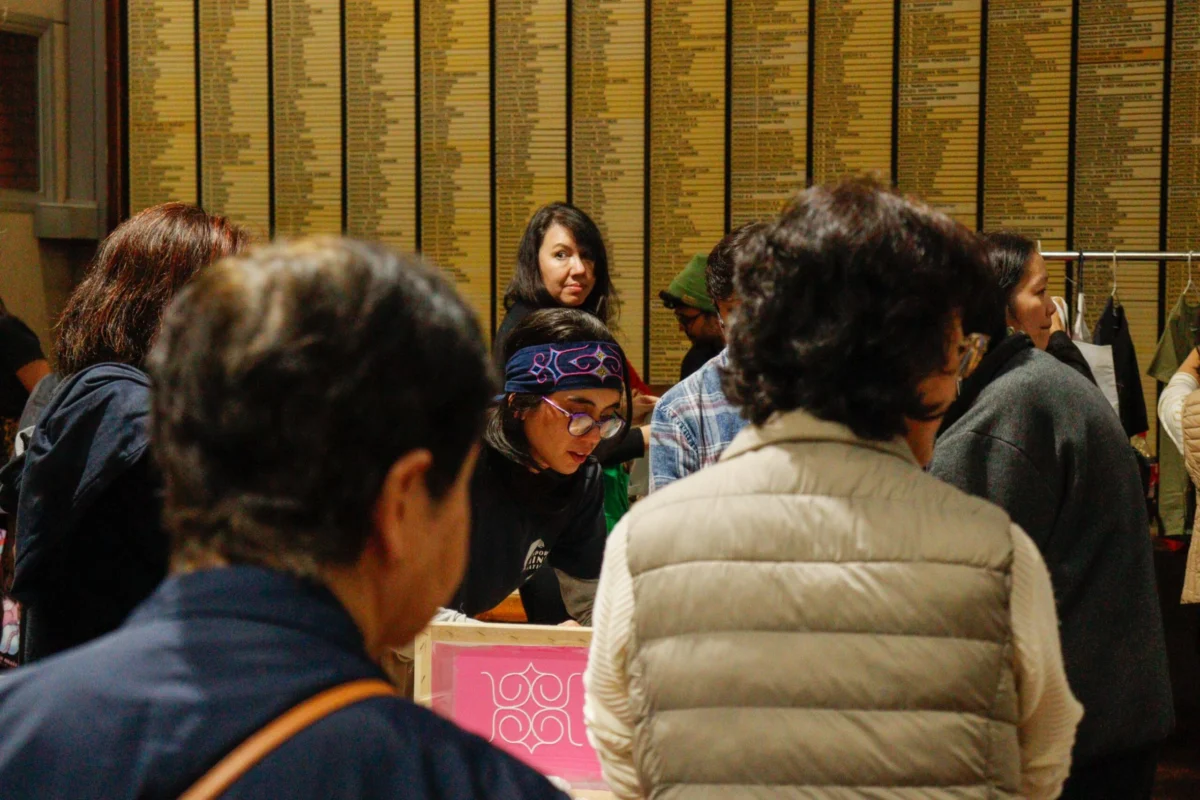
Walley deeply values the opportunities provided by platforms like the Cultural Survival Bazaar, which actively support and promote Indigenous talent. Recognizing the limited avenues available for Native artists, she highlights the bazaar’s unique role. "It’s not just about buying, it’s about caring and talking about it," she emphasizes. "That word of mouth is so powerful." These events offer more than just commercial transactions; they are vital spaces for cultural exchange, education, and community building.
"If you go to something like a Bazaar, you can share that experience. You might meet someone, pick up a business card, make a connection, and experience a beautiful dance that moves you. There’s endless opportunity to make a connection," Walley explains. This sentiment underscores the multifaceted impact of such events, which foster personal relationships, professional networking, and a deeper appreciation for Indigenous cultures. The bazaars serve as crucial bridges, connecting Indigenous artists with a wider audience and creating a sustainable ecosystem for cultural expression and economic empowerment.
The upcoming Cultural Survival Bazaars in Tiverton, Rhode Island (July 24-26), and Providence, Rhode Island (August 1-2), present a significant opportunity for the public to engage directly with artists like Brittney Peauwe Wunnepog Walley and support Indigenous-led initiatives. These events are not merely markets but crucial cultural touchstones that facilitate understanding, foster respect, and empower Indigenous communities through the celebration of their enduring traditions and artistry.
All photos courtesy of Brittney Walley.