Reaching the world’s most vulnerable and unreached children requires far more than broad national coverage targets and standard vaccine supply chains. It demands an intricate understanding of the structural barriers—ranging from severe geographic isolation and persistent service delivery gaps to financial constraints and unreliable data systems—that leave millions of children zero-dose or under-immunized. Addressing these challenges requires localized evidence, context-specific adaptations, and dynamic technical support tailored to country-specific realities. For four years, public health organizations have worked intensively to bridge this gap, culminating in a transformative model of global health cooperation.
Between 2022 and 2026, John Snow, Inc. (JSI) served as the global learning partner for the Gavi-funded Zero-Dose Learning Hub (ZDLH). Operating alongside consortium partners including the International Institute of Health Management Research and The Geneva Learning Foundation, JSI spearheaded an initiative designed to generate, synthesize, and apply real-time programmatic evidence. The ultimate goal of the ZDLH consortium was clear: identify, reach, and protect zero-dose and under-immunized children in some of the most challenging environments in the world, specifically supporting Country Learning Hubs established across Bangladesh, Mali, Nigeria, and Uganda.
The Operational Framework: A Hub-and-Spoke Learning Model
The structural foundation of the Zero-Dose Learning Hub relied on a bidirectional hub-and-spoke learning model. In this framework, the Country Learning Hubs functioned as the foundational spokes, tasked with generating granular, subnational programmatic data and implementing grassroots operational research. Meanwhile, JSI and its international consortium partners operated as the central hub, responsible for providing high-level technical assistance, synthesizing disparate evidence, translating complex knowledge, and facilitating cross-country learning loops.
This architecture ensured that insights flowed in two directions. Questions, operational constraints, and innovations identified directly by local teams on the ground in regions like Tominian in Mali or rural districts in Uganda directly informed and shaped the global learning agenda. By listening first and responding to localized needs, JSI established a dynamic feedback loop that connected grassroots implementation directly to international strategy, ensuring that global immunization guidance remained deeply rooted in field realities.
Chronology and Evolution of the ZDLH Initiative (2022–2026)
The lifecycle of the ZDLH initiative unfolded across distinct, structured phases from its inception in 2022 to its conclusion in 2026.
During the initial phase in 2022, the consortium focused heavily on establishing the foundational infrastructure for the Country Learning Hubs in Bangladesh, Mali, Nigeria, and Uganda. This period involved aligning stakeholders, establishing baseline metrics, and deploying rapid assessments to identify geographic pockets where zero-dose children were concentrated. Teams initiated household surveys and focus group discussions to map out the primary deterrents to routine immunization uptake.
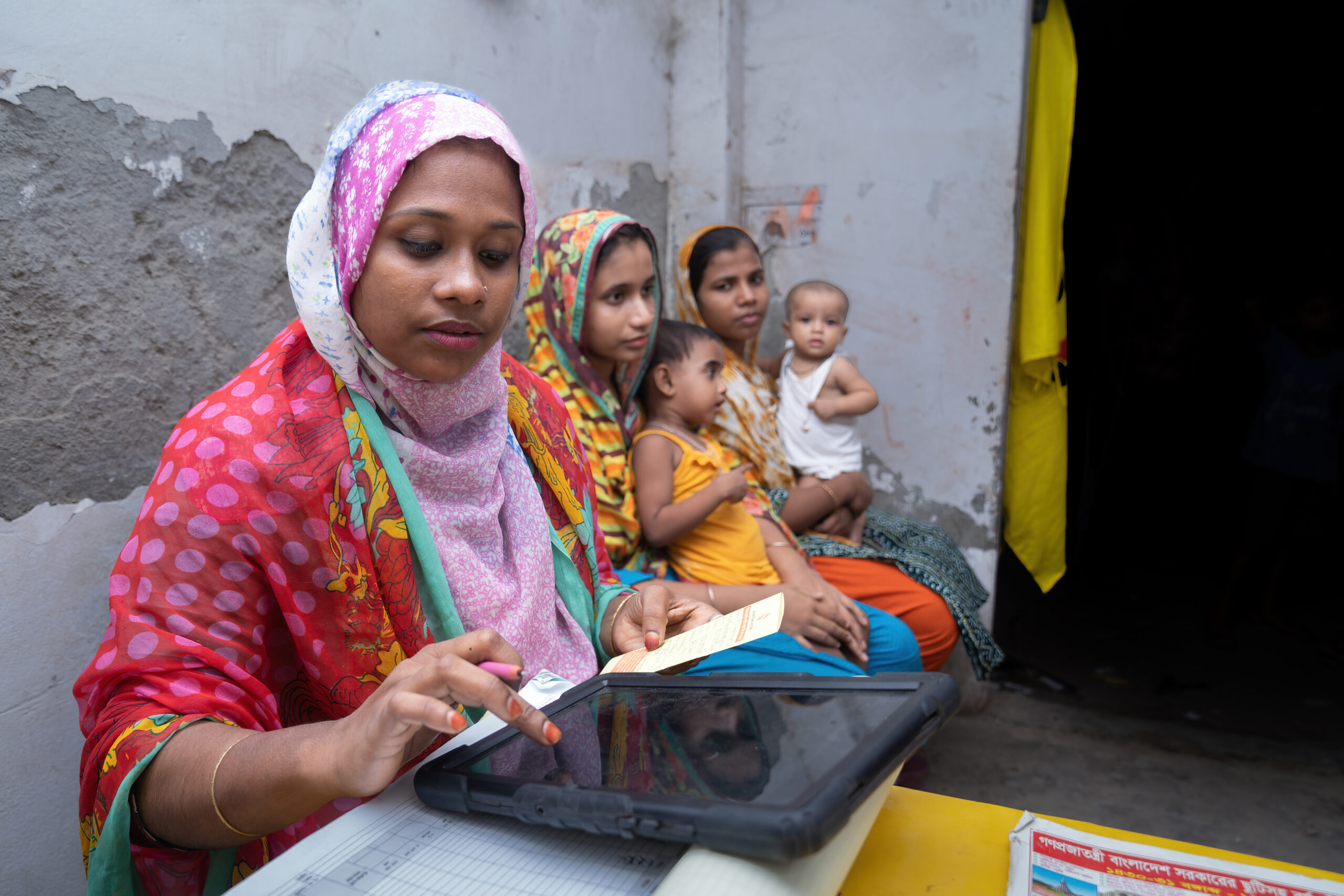
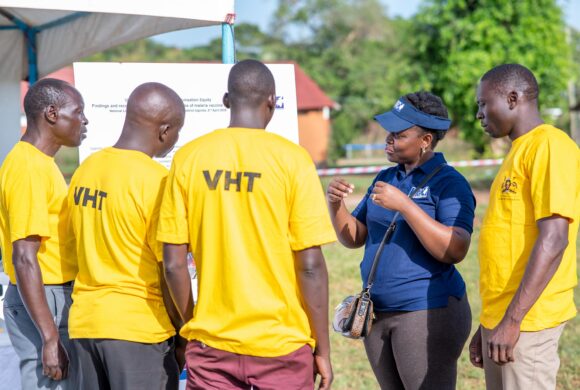
By 2023 and 2024, the initiative transitioned into active implementation research and decentralized data utilization. Country teams began testing localized intervention strategies, analyzing subnational coverage gaps, and sharing preliminary findings with local health authorities and Village Health Teams. During this period, recurring operational constraints—such as difficulties in evaluating complex programs, estimating true programmatic costs, and monitoring decentralized performance—became apparent, prompting the development of targeted global tools.
In 2025 and 2026, the focus shifted toward institutionalization, knowledge translation, and the widespread dissemination of operational toolkits. As the ZDLH initiative approached its official conclusion, the emphasis moved from generating isolated country reports to packaging successful methodologies into reusable global public goods. This final phase cemented the legacy of the project, providing international health practitioners with standardized resources to replicate successful strategies in other low- and middle-income countries.
Demand-Driven Technical Assistance and the Feedback Loop
A defining hallmark of JSI’s tenure as the global learning partner was its commitment to demand-driven technical assistance. Traditional development assistance models often rely on predetermined, standardized packages of support that may or may not align with the immediate needs of a given region. JSI rejected this one-size-fits-all approach in favor of a responsive, partnership-driven methodology.
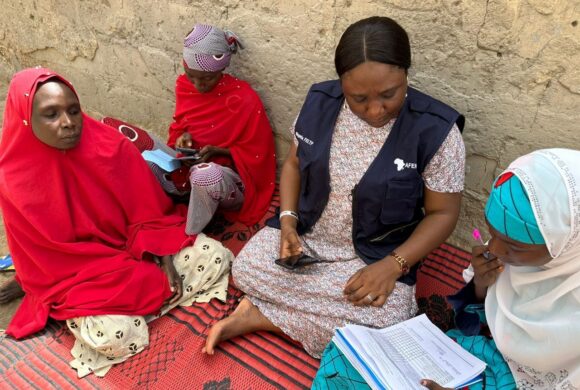
Acting as a collaborative thought partner, JSI worked shoulder-to-shoulder with country teams to adapt technical support in real-time as implementation challenges emerged. When field researchers in Nigeria encountered hurdles during household survey data collection, or when teams in Bangladesh faced methodological barriers in evaluating localized interventions, JSI provided tailored operational troubleshooting, technical reviews, capacity strengthening, and mentorship.
This responsive mechanism created an efficient analytical feedback loop. When a specific technical gap surfaced within a single country, JSI intervened directly to resolve it. However, when similar challenges arose independently across multiple country hubs, those recurring difficulties served as indicators of broader, systemic gaps in existing global health guidance. By analyzing these cross-cutting themes, JSI was able to convert localized country needs into universally applicable practical tools, effectively transforming operational troubleshooting into permanent global resources.
Translating Field Constraints into Comprehensive Global Toolkits
The practical legacy of the Zero-Dose Learning Hub is anchored in a comprehensive suite of toolkits and technical resources developed by JSI in direct response to persistent constraints identified by Gavi and the Country Learning Hubs. Rather than existing as theoretical standalone documents, these resources were forged in the fires of field implementation to solve real-world operational problems.
Theory-Based Evaluation Toolkit
In complex and rapidly changing public health environments, program managers often struggle to determine not only whether an intervention succeeded, but precisely why it worked, under what specific operational conditions, and what mechanisms drove change along the implementation pathway. Conventional experimental designs are frequently unfeasible or unethical in marginalized settings. To address this, JSI developed the Theory-Based Evaluation Toolkit. This resource offers a pragmatic framework for strengthening causal logic, making underlying program assumptions explicit, and supporting adaptive learning and course correction when traditional randomized evaluations cannot be deployed.
Immunization Costing Toolkit
Planning, budgeting, advocacy, and sustainable scale-up all require accurate financial data, yet the global evidence base concerning the actual costs of reaching zero-dose children has historically been sparse. To close this gap, JSI introduced the Immunization Costing Toolkit. This resource equips program teams with a bottom-up, ingredients-based approach to estimate incremental retrospective costs. By utilizing this toolkit, health programmers can reliably identify primary cost drivers, uncover potential operational efficiencies, and pinpoint areas where chronic underfunding threatens to derail service delivery.
Lot Quality Assurance Sampling (LQAS) Toolkit
National and regional vaccination coverage estimates frequently obscure dangerous local disparities, masking specific pockets where zero-dose and under-immunized children cluster. To empower decentralized decision-making, JSI developed the Lot Quality Assurance Sampling (LQAS) Toolkit. LQAS allows local health managers to classify supervision areas against specific vaccination coverage targets quickly, identifying precisely where corrective operational actions are most urgently required. The toolkit provides step-by-step operational guidance, practical examples, decision-making rules, and standard templates to streamline decentralized immunization monitoring.
Knowledge Translation Toolkit
A persistent challenge in global health is the translation of rigorous research findings into actionable public health policy, programming, and clinical practice. Strong data alone rarely alters resource allocation or operational behaviors. To bridge this divide, JSI created the Knowledge Translation Toolkit and its accompanying measurement guidance. This resource assists teams in systematically planning stakeholder engagement, tailoring nuanced messages for diverse decision-makers, and tracking measurable progress across the entire knowledge translation pathway—spanning from initial dissemination and transmission to active acquisition, application, and institutional impact.
Broader Implications and Adaptability Beyond Immunization
While these toolkits were initially designed to fortify immunization programs and reach zero-dose children within the four ZDLH focus countries, their underlying methodologies possess broad applicability across the wider global health landscape. The core challenges addressed by these resources—evaluating complex interventions, estimating localized costs, executing decentralized performance monitoring, and bridging the gap between evidence and action—are universal obstacles encountered across nearly every public health domain.
Because these toolkits are structured around practical methods, adaptable templates, and clear decision-making processes, they can be seamlessly repurposed for programs addressing maternal and child health, infectious disease control, nutritional interventions, and health system strengthening. The proven methodologies championed throughout the ZDLH project—including demand-driven technical assistance, country-led learning, adaptive implementation research, and intentional knowledge translation—offer a blueprint for bolstering health programs in diverse, resource-constrained settings worldwide.
Expert Analysis: Implications for Global Health Strategy
Public health analysts and international development specialists have noted that the ZDLH model addresses several foundational vulnerabilities that have historically plagued international aid initiatives. For decades, global health programs have struggled with chronic data quality issues, difficulties in translating high-level coverage statistics into localized operational decisions, and a lack of financial sustainability once initial grant funding expires.
By inverting the traditional technical assistance paradigm—prioritizing local listening, country-led evidence generation, and the creation of demand-driven public goods—JSI and its consortium partners have demonstrated a viable path toward programmatic self-reliance. As Gavi transitions into its subsequent strategic periods, the operational lessons derived from the Zero-Dose Learning Hub provide a compelling framework for international donors and national governments alike. The initiative proves that global health investments yield the highest return when they deliberately strengthen local capacity to ask critical questions, utilize empirical evidence effectively, and build practical tools that endure long after external funding cycles conclude.
The Enduring Legacy of the Zero-Dose Learning Hub
As the Zero-Dose Learning Hub officially concludes its operations in 2026, its true impact extends far beyond the published research papers or the technical toolkits deposited in digital repositories. Its defining legacy is an established operational philosophy—a proven way of working collaboratively with country teams to interrogate assumptions, harness localized data, identify shortcomings in standard global guidance, and engineer practical solutions that enhance decision-making across varied contexts.
The success of the ZDLH initiative exemplifies JSI’s enduring contribution to international public health: bridging the critical operational divides between data and learning, learning and active implementation, and grassroots country experiences and global best practices. Through sustained technical depth, implementation expertise, and a steadfast commitment to equity, the lessons of the Zero-Dose Learning Hub will continue to guide public health practitioners in their ongoing mission to reach the world’s most marginalized communities.