Across the globe, a powerful wave of cultural revitalization is being led by Indigenous youth, who are ingeniously weaving ancestral knowledge into the fabric of modern life. From the soaring Andes to the lush hill tracts of Bangladesh, young leaders are employing creative, community-centered approaches to preserve their heritage while navigating the complex social, cultural, and economic realities of the 21st century. Through vibrant mediums such as intricate weaving, compelling storytelling, immersive language revitalization programs, hands-on environmental learning, and dynamic digital media, these individuals are not merely safeguarding traditions; they are actively strengthening intergenerational bonds and ensuring the enduring vitality of their peoples’ wisdom. For many Indigenous communities, this dedication to cultural continuity represents a profound affirmation of identity, a strategic creation of opportunities for future generations, and a cornerstone of collective resilience in an ever-changing world. The examples of Deniza Flores Orcko from Bolivia, Gabriela de los Ángeles Reyes Xix from Mexico, and Ukhing Nue Chak from Bangladesh illuminate this burgeoning movement, demonstrating that culture remains a potent and living source of strength, innovation, and self-determination.
The Andean Echo: Deniza Flores Orcko and the Revitalization of Quechua Heritage
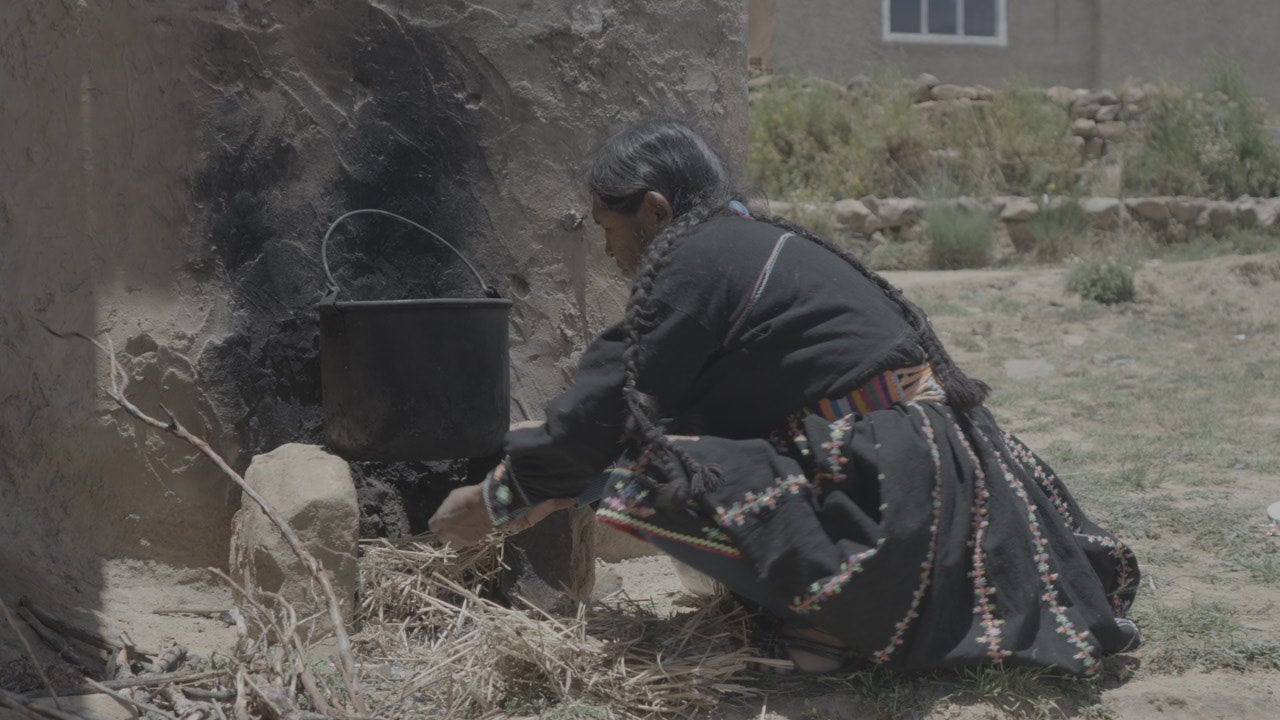
In the high-altitude community of Chaquilla Alta in Potosí, Bolivia, Deniza Flores Orcko, a Quechua woman with a multifaceted background in agroindustrial engineering, graphic design, and journalism, is championing the preservation of her ancestral culture. Her formative years were steeped in the rich traditions of her community, including a deep understanding of medicinal plants and the nuanced art of artisanal weaving. This upbringing instilled in her a profound appreciation for the intrinsic connection between culture, language, and the ancestral territories that sustain them. Today, Deniza leverages her diverse skill set to address critical socio-environmental issues, such as the pervasive impacts of mining contamination and the persistent challenges surrounding equitable access to water resources. Her work is not only about raising awareness but also about actively supporting educational and environmental initiatives that are rooted in community participation.
The Quechua communities in rural Bolivia, like Chaquilla Alta, face a confluence of social and economic pressures that threaten the survival of their time-honored practices. While elders continue to be repositories of invaluable knowledge concerning medicinal flora, intricate weaving techniques, and the Quechua language, Deniza has observed a disquieting trend: younger generations are increasingly distanced from these traditions. Factors such as rural-to-urban migration, the pervasive influence of modernization, and the lingering effects of discrimination against Indigenous identities are contributing to a decline in the active engagement with their ancestral language and cultural practices. This erosion risks the permanent loss of a rich tapestry of ancestral knowledge that has been meticulously preserved across generations. Compounding these challenges are the limited visibility and market access for traditional artisanal products, which in turn diminish the economic incentives necessary for the long-term sustainability of these cultural expressions.
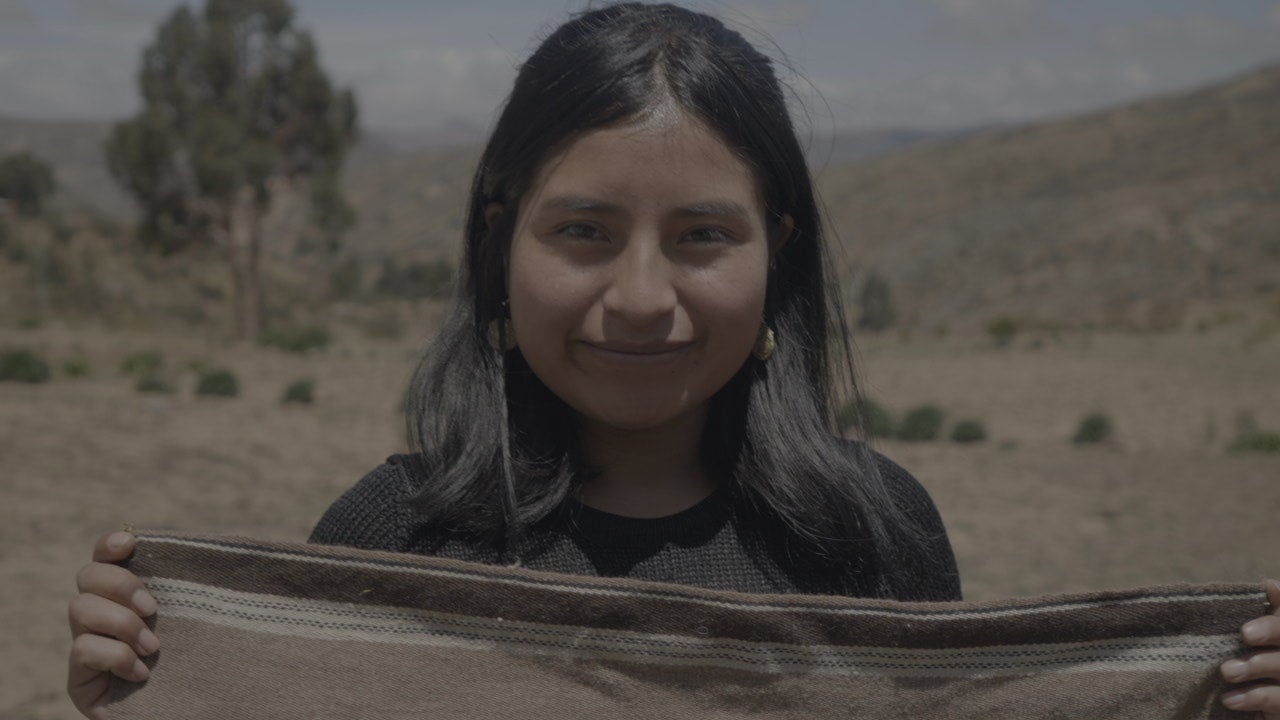
Recognizing the urgency of this situation, Deniza has spearheaded an innovative project that harmonizes traditional weaving, the wisdom of medicinal plants, and the power of audiovisual storytelling. This initiative specifically targets youth aged 18 to 28, aiming to fortify their Quechua cultural identity. Through carefully designed participatory workshops, artisans and community members collaborate to create textiles that intricately incorporate symbolism derived from medicinal plants and elements of the Quechua language. These creations are brought to life using natural dyes, a practice deeply rooted in ancestral knowledge. Complementing the textile work, the project is meticulously documenting oral histories, weaving processes, and community testimonies through a series of educational videos and digital storytelling endeavors. By equipping young people with the skills for audiovisual production and establishing online platforms for sharing these narratives, Deniza’s vision is to cultivate a profound sense of pride in Quechua identity while ensuring that this vital ancestral knowledge remains accessible and vibrantly alive for generations to come. This approach not only preserves but actively reinterprets and disseminates cultural heritage in a format relevant to contemporary youth.
Maya Resilience: Gabriela de los Ángeles Reyes Xix and the Preservation of Yucatecan Identity
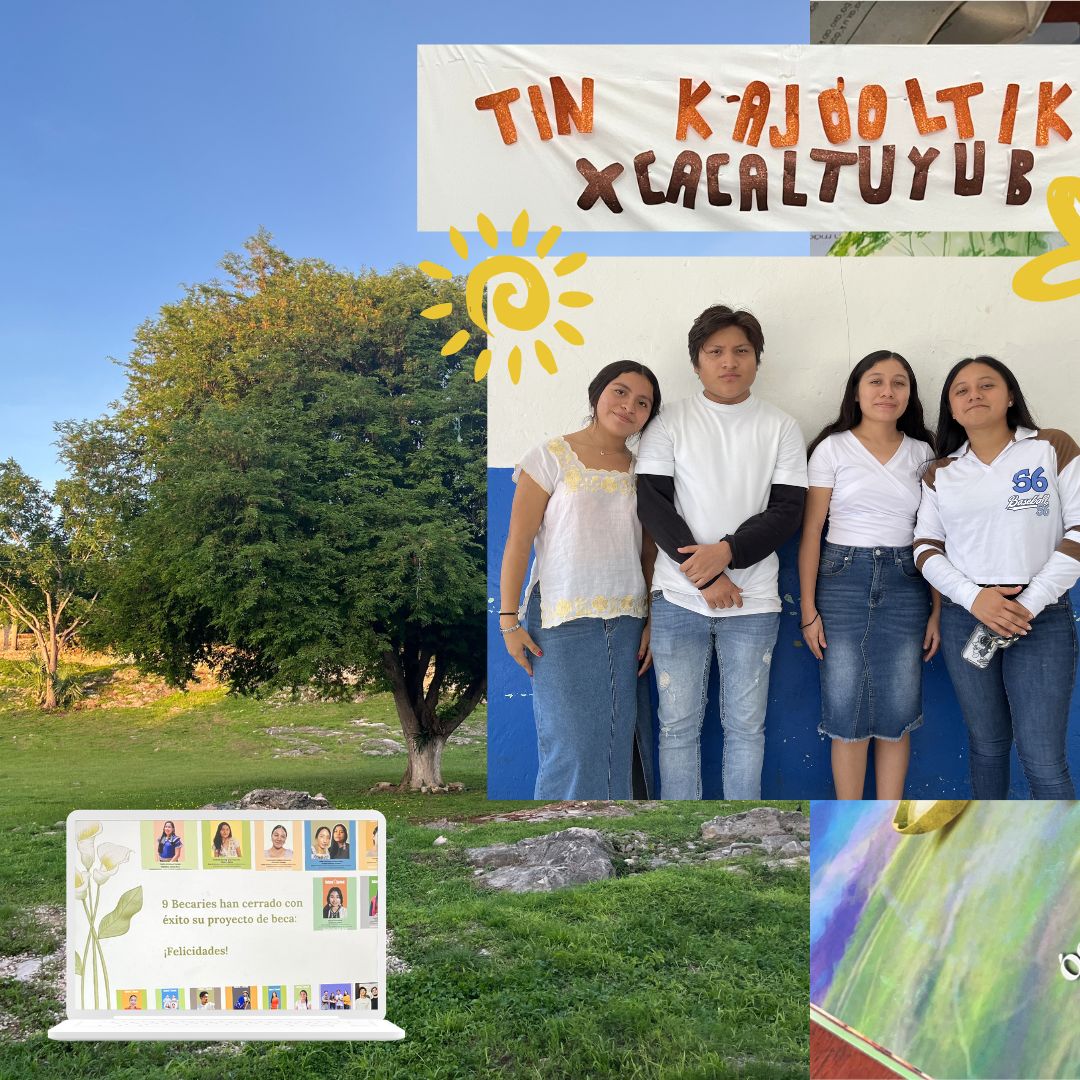
In the heart of Yucatán, Mexico, lies Tixcacaltuyub, a rural Maya community where the Maya language and deeply ingrained cultural traditions continue to shape the rhythm of daily life. Gabriela de los Ángeles Reyes Xix, a proud descendant of this community, grew up immersed in this rich cultural milieu, nurtured by her grandparents, from whom she learned to speak Maya at an early age. This upbringing fostered a powerful connection to her community’s customs, its vibrant oral traditions, and its collective repository of knowledge. Currently pursuing a degree in Social Communication at the Universidad Autónoma de Yucatán, Gabriela skillfully blends her academic pursuits with her fervent commitment to Indigenous language revitalization. Her involvement with Colectivo Weech, a university-based collective dedicated to de-stigmatizing the use of Maya in educational settings, has further solidified her resolve to preserve and promote her language.
Despite the enduring strength of cultural traditions in Tixcacaltuyub—which encompass agricultural practices, the intricate art of hammock weaving, exquisite embroidery, and communal celebrations—Gabriela has witnessed firsthand the growing challenges impacting the younger demographic. The accelerated loss of the Maya language, coupled with a deficit of educational spaces that genuinely center Indigenous knowledge systems and worldviews, poses a significant threat to the continuity of local identity and collective memory. A growing number of young individuals are becoming disengaged from their linguistic and cultural heritage, while formal educational systems frequently fail to offer meaningful intercultural learning opportunities that are firmly grounded in Maya perspectives. This disconnect is not merely an academic concern; it represents a potential severing of the threads that bind the community to its past and future.
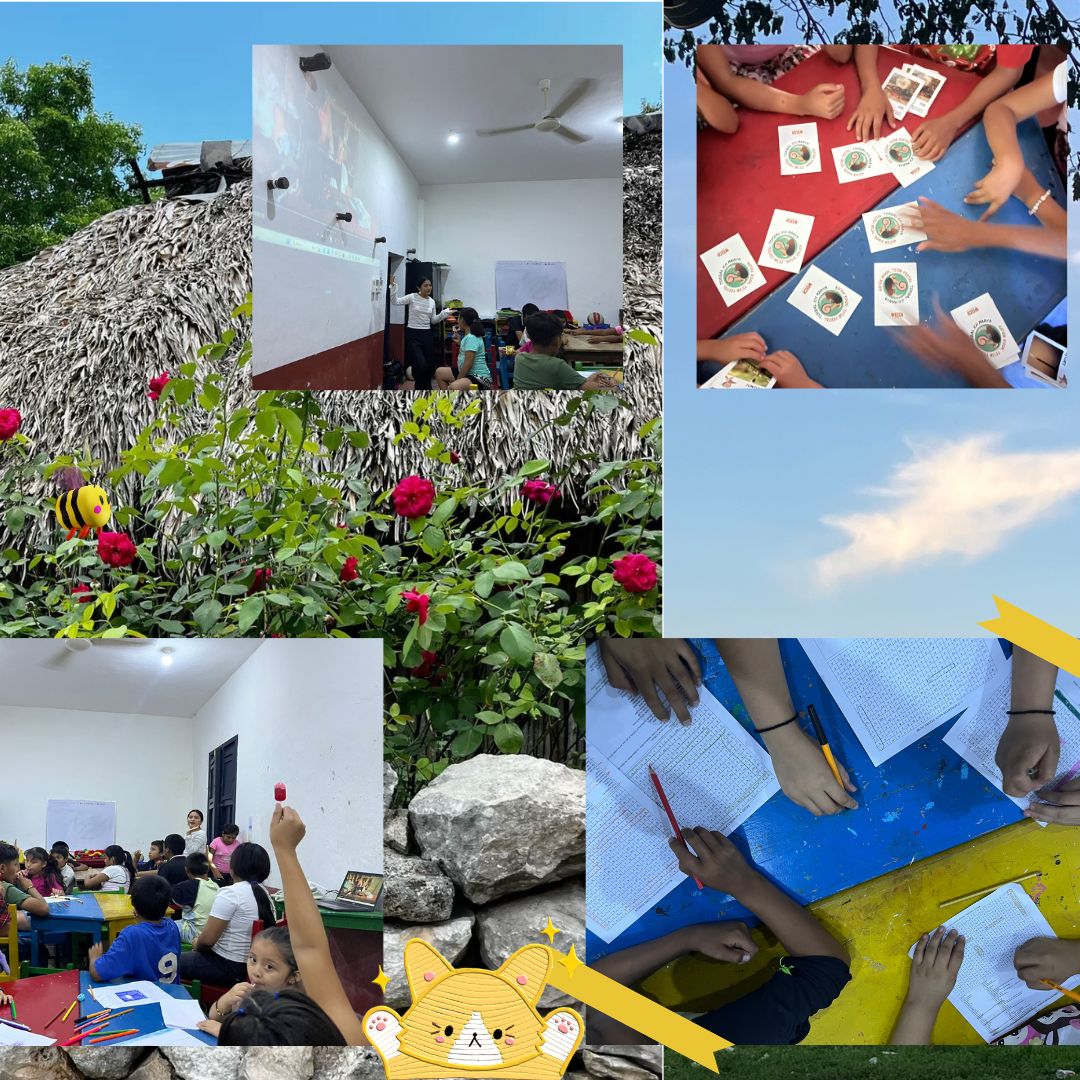
In response to these pressing issues, Gabriela is spearheading the creation of a dynamic community cultural space designed to foster Maya language revitalization and celebrate local knowledge through engaging, education-based activities. Her project includes the development of games crafted entirely in the Maya language, audiovisual storytelling initiatives that meticulously document ancestral knowledge, and regular community gatherings where families can collectively reflect on their traditions and forge a stronger sense of identity. A key component of this initiative involves children and youth actively participating in the creation of a community book. This publication will feature photographs and stories told in the Maya language, capturing the unique perspectives of the younger generation on family, sustenance, the natural world, and their everyday experiences. Furthermore, Gabriela plans to launch a digital platform via Facebook, which will serve as a hub for sharing community-created content and encouraging broader engagement with Maya language and culture. Through these multifaceted activities, Gabriela aspires to ignite a passion within younger generations, inspiring them to embrace their heritage with pride and to actively participate in the vital work of preserving their language and traditions for the future. This initiative aims to harness the power of contemporary media to amplify ancient voices.
The Hill Tracts’ Tapestry: Ukhing Nue Chak and the BIRDS Initiative for Chak Heritage
In the verdant and culturally rich Bandarban Hill Tracts of Bangladesh, Ukhing Nue Chak stands as a prominent Indigenous rights advocate and development practitioner, deeply rooted in her Chak community. Her unwavering commitment lies in preserving Indigenous knowledge systems and fortifying community resilience. Ukhing operates at the crucial intersection of cultural preservation, sustainable livelihood development, and the empowerment of women. Through dedicated grassroots organizing and the implementation of community-driven initiatives, she actively supports Indigenous women and youth in safeguarding their traditional practices while simultaneously forging pathways toward economic independence and long-term sustainability.
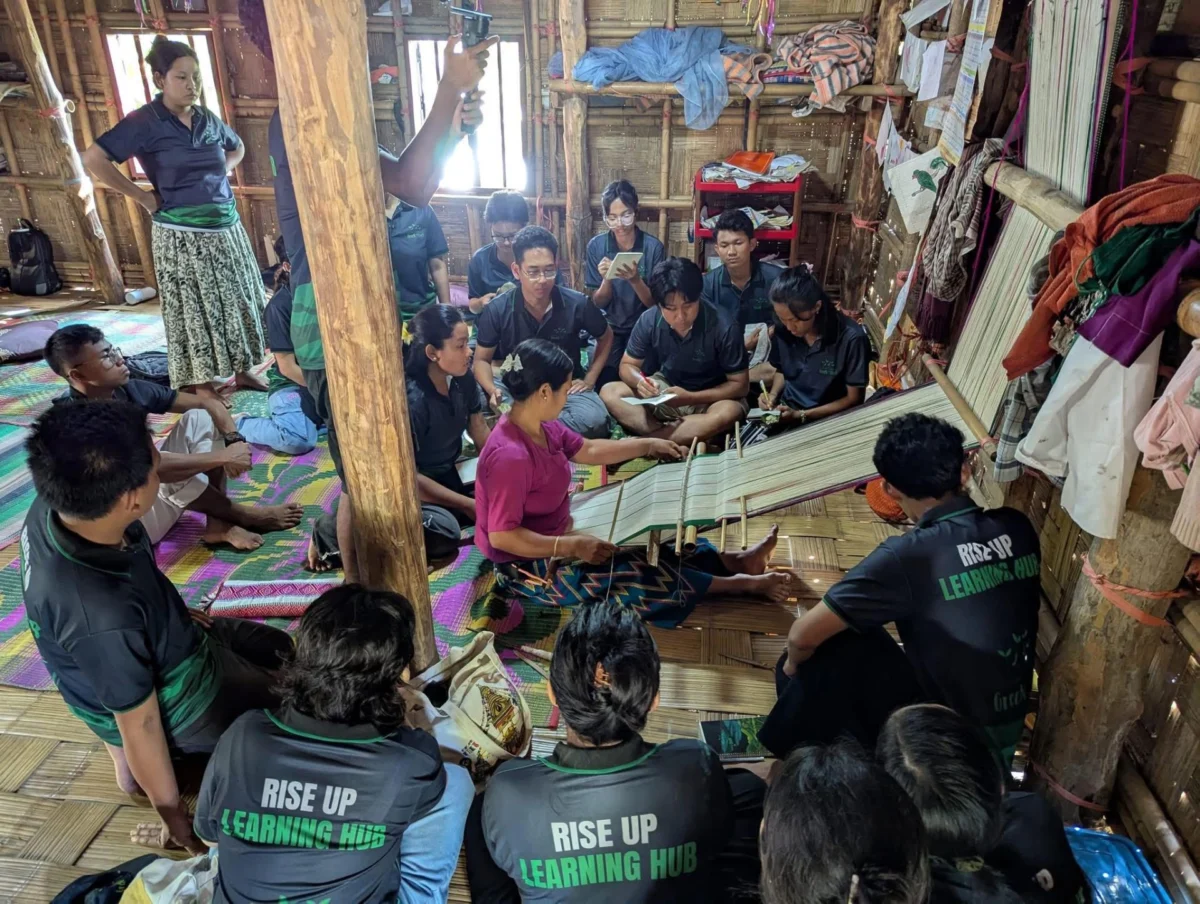
As an Executive Board Member of Green Milieu, an organization driven by Indigenous youth, Ukhing collaborates closely with fellow organizers Ushing Mya, Puchainu Marma, and Chaw Way Marma. Together, they are at the forefront of advancing critical environmental and cultural preservation efforts across the region. Their collaborative spirit has led to the conceptualization and implementation of BIRDS: Bandarban Indigenous Roots Development and Sustainability. This ambitious project encompasses six distinct Indigenous communities residing in Bandarban: the Chak, Marma, Mro, Khyang, Tripura, and Tanchagya peoples. These communities share profound cultural connections to the natural world and possess a rich heritage of craftsmanship, with weaving holding a particularly esteemed place. However, many of these invaluable traditions are teetering on the brink of extinction. A stark example is found within the Khyang community, where only two elderly women possess the knowledge of traditional weaving designs. Without immediate and concerted efforts to transfer this irreplaceable knowledge to younger generations, these cultural practices face the grave risk of permanent obliteration. Concurrently, Indigenous women in rural areas grapple with limited economic opportunities, while a significant portion of the youth are increasingly disconnected from their traditional ecological knowledge, ancestral languages, and their very sense of cultural identity.
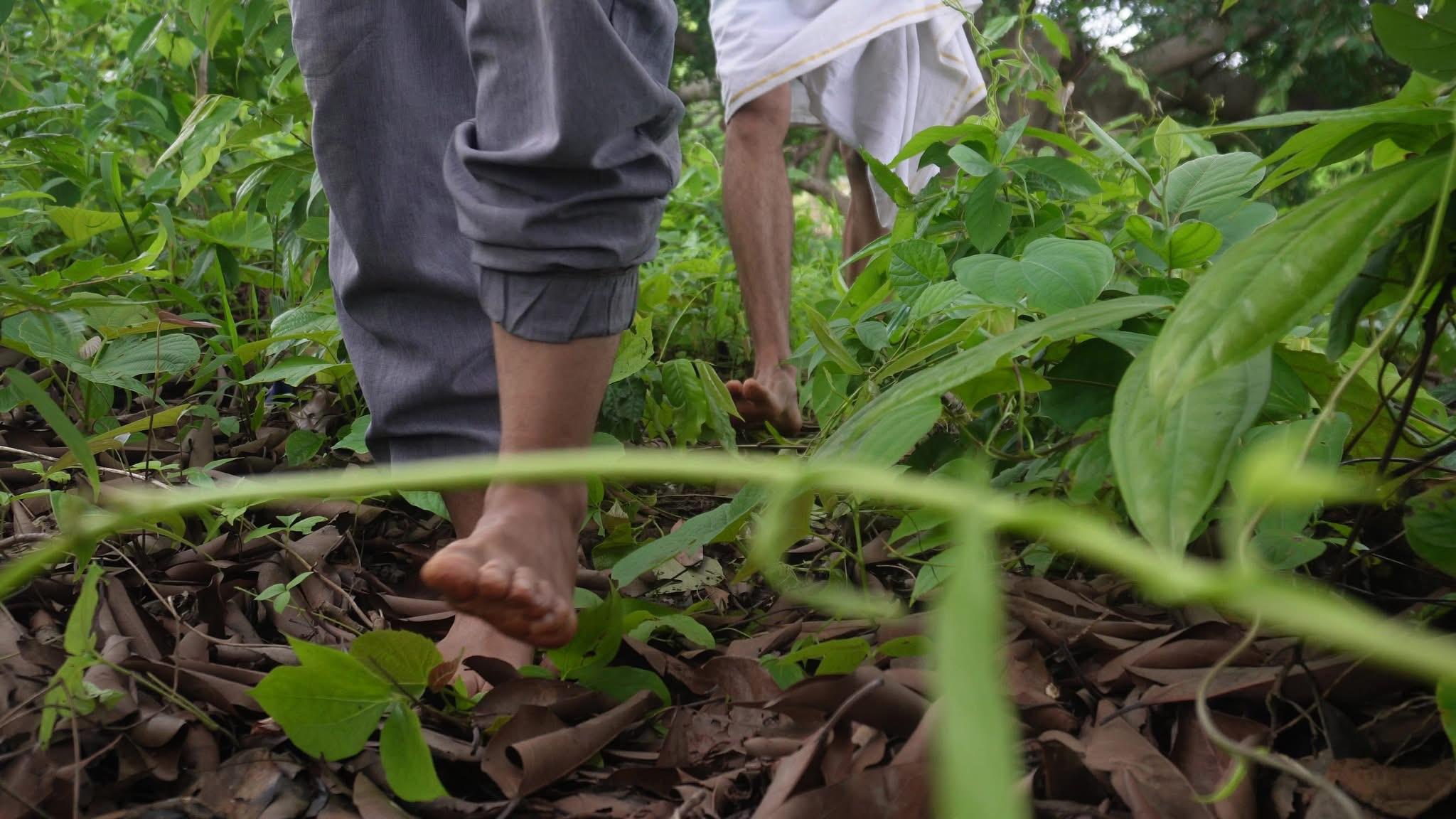
In direct response to these pressing challenges, Ukhing and her dedicated team are actively implementing a comprehensive project that synergizes cultural preservation, intergenerational learning, and sustainable entrepreneurship. This initiative offers specialized traditional weaving workshops for women from all six Indigenous communities. These workshops not only serve to enhance participants’ weaving skills but also provide a crucial platform for exploring avenues for income generation and fostering financial independence. A vital component of the project involves the creation of a cultural handbook, which meticulously documents traditional weaving techniques, the use of ancestral tools such as "ching domas" and "kyaprang," and the oral histories shared by community elders. Furthermore, through a series of quarterly "Barefoot Forest" campaigns, youth are actively engaged in nature-based learning activities that focus on traditional ecological knowledge, cultural identity, and leadership development. To bridge the gap between traditional artistry and economic viability, the project will establish a dedicated resource center. This center will serve as a vital link, connecting Indigenous women artisans with local markets and tourist spaces, thereby providing them with platforms to showcase and sell their exquisite woven products. By cultivating dedicated spaces for cultural learning, intimate storytelling, and entrepreneurial development, Ukhing and her team are resolutely working to ensure that Indigenous traditions not only endure but flourish, while simultaneously empowering women and youth to carry their rich cultural heritage forward into a promising future. This holistic approach underscores the interconnectedness of cultural preservation, economic empowerment, and intergenerational knowledge transfer.