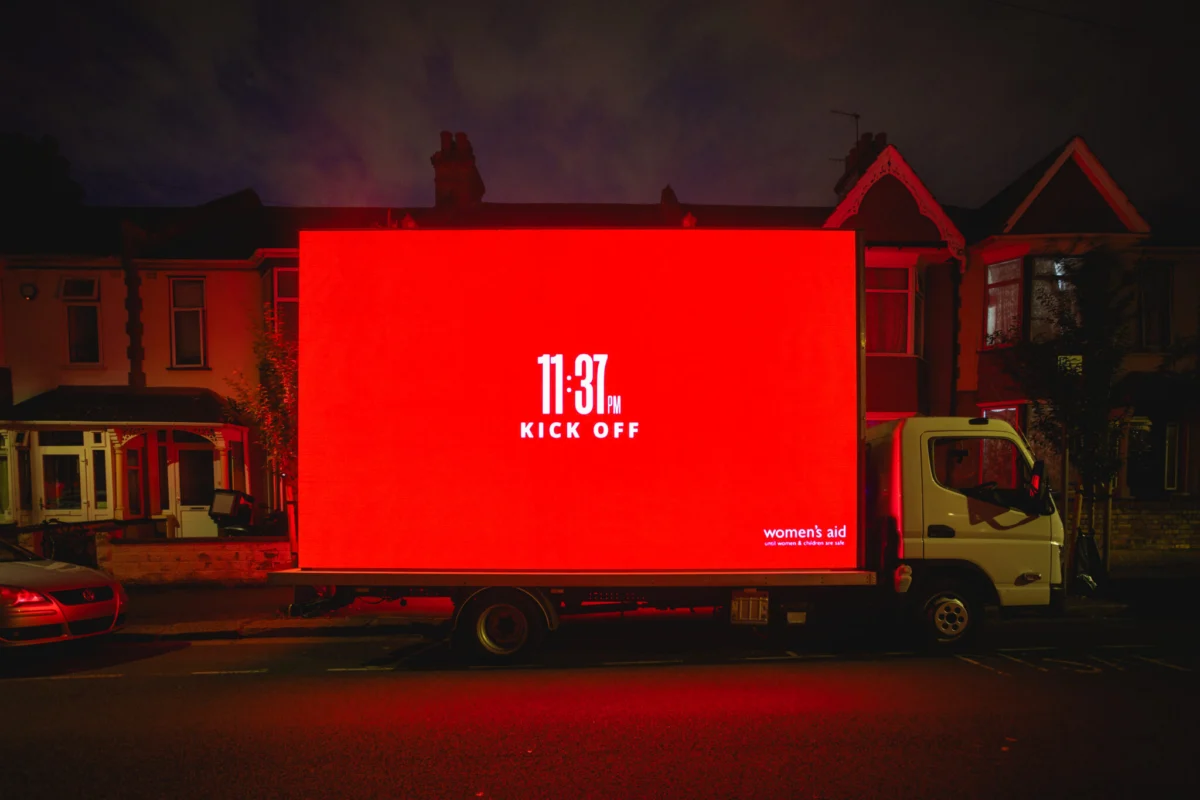
London, UK – June 17, 2026 – As England prepares for its highly anticipated opening World Cup match, the national domestic abuse charity Women’s Aid has launched a poignant new campaign, "The Other Kick Off," designed to cast a stark light on a disturbing reality: the predicted surge in domestic abuse incidents following major football tournaments. The campaign challenges the celebratory atmosphere surrounding the World Cup by highlighting a sinister "kick-off time" for many women and children: 11:37 pm, the estimated moment abusive partners return home after watching the match.
The initiative aims to redirect public attention from the official 9 pm match start time to this later, more ominous hour, representing a period of heightened fear and danger for survivors. With late-night match schedules, the campaign underscores how these events can exacerbate isolation and vulnerability for those experiencing abuse, making the need for awareness and support more critical than ever.
Unveiling "The Other Kick Off": A Campaign of Disruption and Awareness
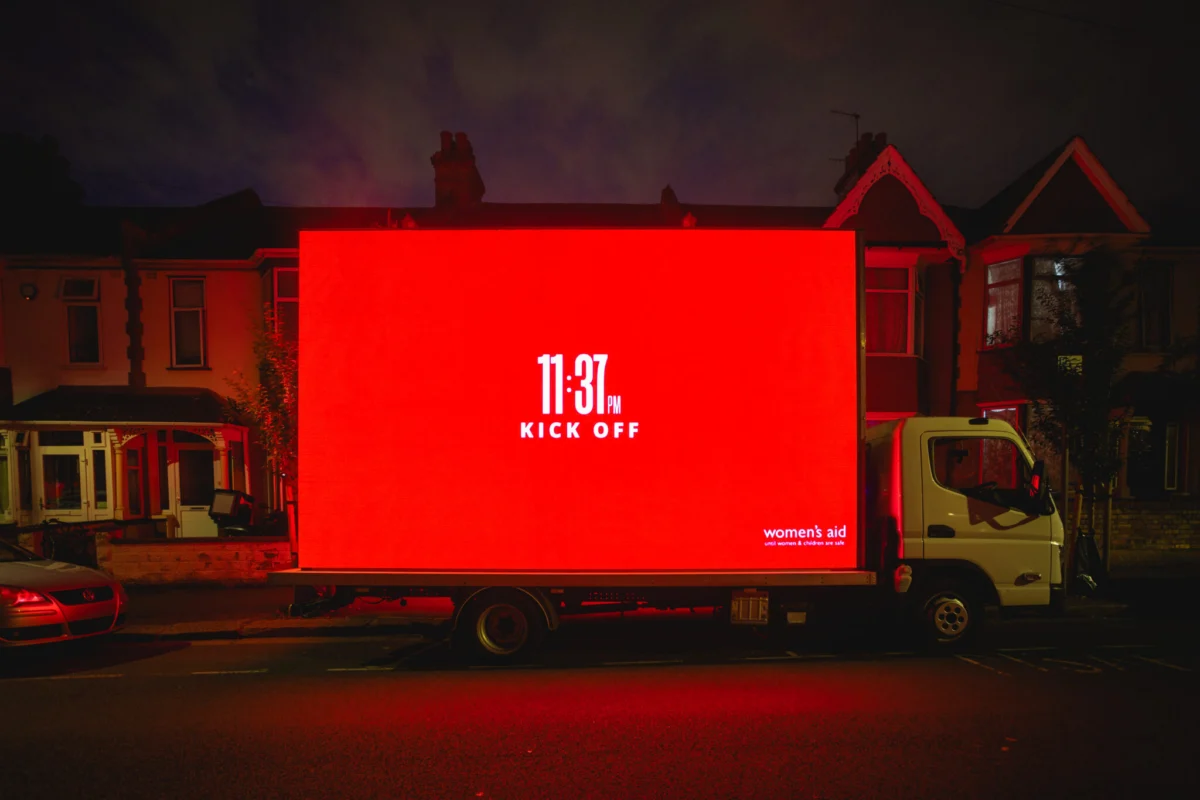
Women’s Aid has strategically "hijacked" one of the World Cup’s most common questions – "What time is kick-off?" – to underscore the campaign’s urgent message. Rather than celebrating the start of the game, the charity is forcing a societal confrontation with the grim statistics of post-match domestic abuse. The visual manifestation of this campaign includes impactful digital billboards, mobile vans, and fly posters strategically placed near major fan zones and football hotspots across London. These prominent displays feature the chilling "11:37 pm" time, designed to stop passers-by in their tracks and compel them to consider the unseen struggles occurring behind closed doors.
Each "Kick Off" poster is equipped with a QR code, providing immediate access to Women’s Aid’s comprehensive website. This digital gateway offers vital support resources, information on recognizing the signs of domestic abuse, opportunities to donate, and avenues for individuals to take action. This multi-platform approach ensures that the message reaches a broad audience, from fervent football fans to concerned citizens, offering a lifeline to those in need and empowering bystanders to become allies.
This campaign builds upon Women’s Aid’s sustained efforts to draw attention to this issue during major sporting events. It notably follows in the footsteps of their impactful 2022 "He’s Coming Home" campaign, which similarly used the cultural phenomenon of football to highlight the pervasive threat of domestic abuse. These repeated interventions during high-profile tournaments underscore the charity’s unwavering commitment to challenging societal complacency and ensuring that the conversation around domestic abuse remains front and centre, even amidst national celebrations.
The Disturbing Link: Football Tournaments and Domestic Abuse Statistics
The foundation of "The Other Kick Off" campaign rests on extensive research highlighting a troubling correlation between major football tournaments and an increase in domestic abuse incidents. Longstanding studies, such as the seminal work by Kirby and Francis (2014), have consistently demonstrated this pattern. Their research, widely cited in the field, revealed that domestic abuse incidents increase by a staggering 38% when England loses a match, and by a significant 26% even when they win.
These statistics are not merely abstract figures; they represent real people experiencing amplified violence and fear. While football itself is not a direct cause of domestic abuse, the environment surrounding these tournaments often creates a volatile cocktail of heightened emotions, increased alcohol consumption, and sometimes, gambling-related stress. These factors can act as significant exacerbators of existing abusive behaviours, turning what should be a moment of national unity and celebration into a period of extreme peril for many.
The consensus among experts and support organisations is clear: regardless of the match outcome – whether England triumphs, faces defeat, or draws – the underlying issue of domestic abuse remains unacceptable. The pattern observed is not unique to the UK, with similar trends noted in other countries during major sporting events, indicating a universal challenge that transcends cultural specificities of football fandom. This recurring problem demands a consistent and robust response, ensuring that the safety of women and children is never overshadowed by sporting events.
Voices from the Frontline: Leadership and Advocacy
Farah Nazeer, CEO at Women’s Aid, articulated the profound dual reality of the World Cup: "The World Cup is a wonderful opportunity for us to come together and cheer on our team. However, for women and children living with domestic abuse, ‘kick-off’ has a different meaning. For those living with abuse, the final whistle of the game signals the beginning of something frightening and potentially life-threatening. While we know that domestic abuse isn’t caused by football, we also know that heightened emotions and alcohol consumption can lead to a rise in domestic abuse frequency and severity. Whether England wins, loses or draws, no woman or child should live in fear of that final whistle blow. We hope that our campaign helps raise awareness of this heinous crime, while also signposting people to support, not only for themselves, but for loved ones they’re concerned about." Her statement powerfully captures the charity’s mission: to celebrate the joy of football while simultaneously confronting its darker, often ignored, consequences.
Adding her voice to the campaign, Women’s Aid Ambassador Charlie Webster underscored the emotional weight of the issue: "The World Cup is one of those rare moments when the whole country holds its breath together – united, hopeful, alive! That joy is real, and it’s precious. But for women and children living with domestic abuse, tournament time brings something very different: heightened fear, and heightened danger. That is a reality we cannot look away from. Football is our game. It belongs to all of us, and it should be a place of safety. I am proud to be raising awareness to change that, and make sure that when England plays, every woman at home is safe." Webster’s personal connection to the cause and her public platform amplify the message, urging a collective responsibility to ensure the safety of all, especially during times of national fervor.

Government Response and Broader Policy Framework
The campaign has garnered significant attention from government officials, with Minister for Safeguarding and Violence Against Women and Girls, Natalie Fleet, issuing a strong statement of support: "Nobody should live in fear because of a football match. As a Mum and a Nana, I find it heartbreaking that while many families come together to enjoy the World Cup, some women and children are left dreading the final whistle. The latest Women’s Aid campaign shines a powerful light on this reality."
Minister Fleet’s comments highlight the government’s recognition of the problem and its commitment to tackling it. She reiterated that "We know domestic abuse can escalate during major sporting events, and there is never any excuse for it. Tackling this is central to our VAWG (Violence Against Women and Girls) Strategy – including placing domestic abuse specialists in 999 control rooms through Raneem’s Law, rolling out Domestic Abuse Protection Orders, and working with partners to challenge harmful behaviours."
These governmental initiatives reflect a broader national strategy to combat domestic abuse, including legislative measures such as the Domestic Abuse Act 2021. This landmark legislation provides a comprehensive legal framework to address domestic abuse, recognizing its diverse forms beyond physical violence, encompassing emotional, coercive, and economic abuse. The Act strengthens protections for victims and survivors, enhances perpetrator accountability, and mandates a multi-agency response. The introduction of Domestic Abuse Protection Orders (DAPOs) aims to provide flexible, long-term protection, while the integration of specialists into emergency services seeks to improve the immediate response to incidents. The government’s pledge to "deploy the full power of the state to halve violence against women and girls in a decade" underscores the seriousness with which this issue is being addressed at the highest levels.
The Calculation Behind "11:37 PM": A Sobering Chronology
The specific time of "11:37 pm" is not arbitrary but a meticulously calculated estimate designed to reflect the period of heightened risk for survivors. It accounts for the average duration of a football match, which typically includes 90 minutes of play, half-time, and any additional stoppage time. Beyond the final whistle, the calculation factors in the common post-match activities, such as extended drinking sessions, either at pubs, fan zones, or friends’ homes, followed by the journey home.
This chronological breakdown aims to pinpoint the moment when many abusive partners, potentially fuelled by alcohol and emotional extremes (whether from victory or defeat), are likely to return to their residences, creating an environment of intense dread for their families. By quantifying this "other kick-off," Women’s Aid brings a tangible and relatable aspect to a problem that often remains hidden, emphasizing the specific vulnerability faced by women and children during these late-night hours. The precise timing serves as a potent symbol, urging the public to consider the delayed but devastating impact of the match on those experiencing domestic abuse.
Broader Societal Implications and the Path Forward
The "Other Kick Off" campaign extends beyond immediate awareness, prompting a deeper societal reflection on the pervasive nature of domestic abuse and the collective responsibility to eradicate it. Football, as a powerful cultural force, often mirrors societal attitudes and behaviours. While the sport itself is not the cause, the surrounding culture and individual responses within it can amplify existing issues. This campaign serves as a crucial reminder that national celebrations should not come at the cost of anyone’s safety and well-being.
The ongoing challenge lies not only in providing immediate support to survivors but also in fostering a cultural shift that rejects all forms of domestic abuse. This includes challenging harmful stereotypes, promoting respectful relationships, and ensuring that perpetrators are held accountable. Educational initiatives, community engagement, and robust public services are all integral components of a comprehensive strategy.
The partnership with leading out-of-home media partners, including The Outernet and Ocean Outdoor, for donated billboard placements, highlights the collaborative effort required to amplify such vital messages. These public-facing platforms ensure that the conversation is brought directly into urban spaces, reaching a diverse audience and fostering a sense of shared responsibility.
Ultimately, "The Other Kick Off" is a call to action for everyone. It urges individuals to learn about the signs of domestic abuse, to offer support to those they are concerned about, and to donate to organisations like Women’s Aid that provide critical, life-saving services. By confronting the uncomfortable truth that lies beneath the surface of national celebrations, Women’s Aid aims to ensure that the joy of football can be truly inclusive, free from the shadows of fear and violence.
For more information, support, or to donate, the public is directed to https://womensaid.org.uk/. The message is unequivocal: no woman or child should live in fear of what happens after the match ends. The campaign serves as a powerful reminder that while the country unites to cheer on its team, a parallel, darker "kick-off" time demands urgent attention and collective action to safeguard the most vulnerable members of society.