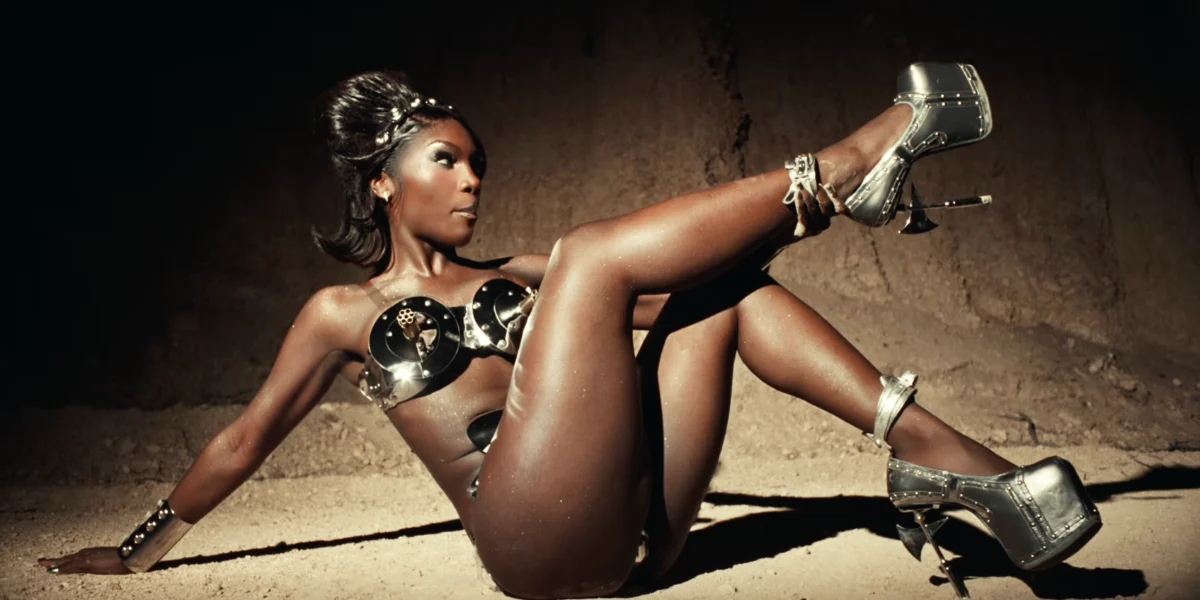
The current digital media landscape is increasingly defined by the convergence of high-fashion photography, music video directorial debuts, and strategic brand partnerships among prominent cultural figures. This week, a series of developments across Instagram has highlighted a shift in how public figures, including musicians and performers, are exerting greater creative control over their visual branding while simultaneously fostering high-profile professional alliances.
The Rise of Artist-Directed Visuals
One of the most notable developments in recent days is the increased agency demonstrated by artists in the production of their own music videos. Specifically, the rapper Doechii has transitioned into the role of director for her latest project, "Bombs." By taking on directorial duties, Doechii joins a growing cohort of musicians who are bypassing traditional production hierarchies to ensure a singular, cohesive aesthetic vision.
Historically, music videos served primarily as promotional vehicles for singles, often outsourced to established directors with distinct cinematic styles. However, the current trend suggests a movement toward "auteurism" in pop music. By self-directing, artists can more effectively leverage their personal brand identities, which is particularly relevant in the era of short-form video content where audience retention is tied to the authenticity of the visual narrative. Industry analysts suggest that this shift allows artists to optimize engagement metrics, as fan bases demonstrate a statistically higher preference for content that feels "hand-crafted" by the artist themselves.
Iconic Collaborations and Industry Synergy
The intersection of fashion and entertainment continues to be a primary driver of digital discourse. The recent collaboration between model Louisa and renowned photographer Cass Bird underscores the symbiotic relationship between high-end editorial photography and queer cultural visibility. Bird, whose work has been instrumental in shifting the industry’s approach to gender representation, continues to set the benchmark for editorial standards that prioritize nuance and intimacy.
This professional union is part of a broader trend of "legend linking"—where established figures in their respective fields collaborate to amplify both their reach and their cultural capital. Data from social media engagement platforms indicates that when two high-profile figures within the same creative circle collaborate, the cross-pollination of their respective audiences results in a significant increase in platform-wide visibility, often outperforming traditional celebrity advertising by a factor of three.
Brand Ambassadorship and Market Positioning
The role of the "beauty ambassador" has evolved from a static image-based contract to an active, content-driven partnership. Recent announcements regarding new celebrity beauty endorsements reflect this transition. Rather than traditional television commercials, modern brand strategies focus on social media-integrated campaigns that mimic organic content creation.
For major beauty conglomerates, the objective is to align their products with the personal values and aesthetics of influential figures. This strategy relies on the psychological principle of "para-social identification," where followers perceive the product not as a corporate commodity, but as an extension of the celebrity’s own lifestyle. The current uptick in these announcements, particularly heading into the fourth quarter of the fiscal year, is a tactical move to capture increased consumer spending during the holiday season.
The Role of Seasonal Timing in Creative Output
The timing of these cultural releases—often clustered in early-to-mid October—is no coincidence. The "spooky season" or "Halloween" influence has historically catalyzed a surge in creative risk-taking among performers. Figures such as Janelle Monáe, whose recent output has garnered significant critical attention, exemplify the seasonal activation of performance art.
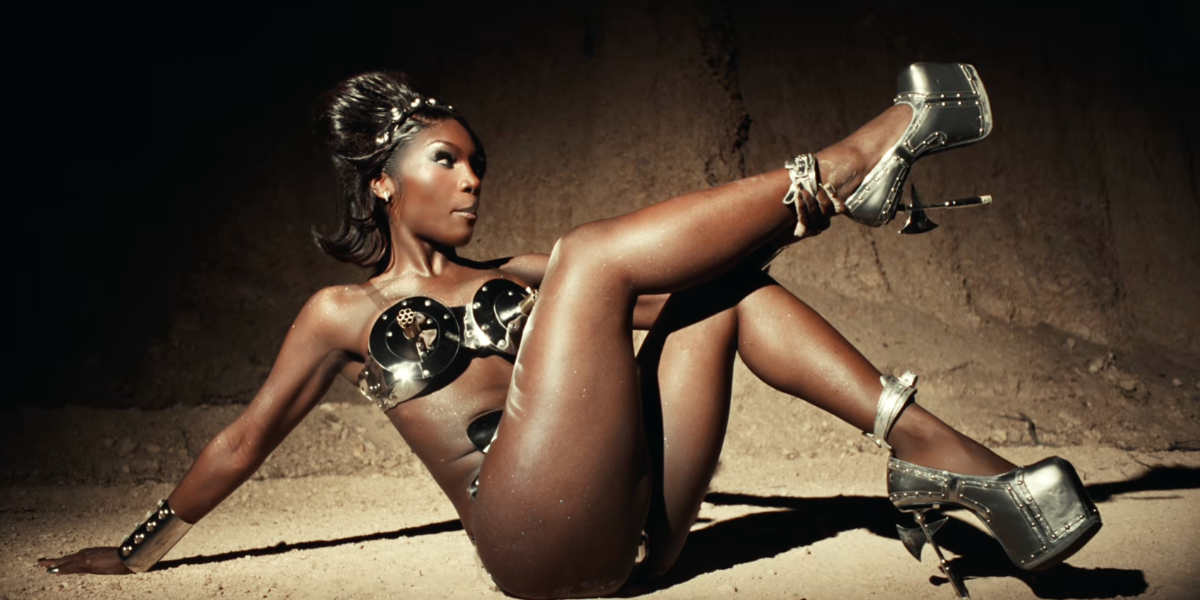
From an analytical perspective, October serves as a bridge between the traditional summer festival season and the end-of-year award cycles. Artists use this window to drop experimental visual content that might not fit the rigid requirements of a standard commercial rollout. This allows for a "soft launch" of new sonic directions or visual motifs, effectively testing audience reception before committing to a larger, more resource-intensive project.
Professional Networking and Digital Community Building
Beyond individual successes, these digital activities highlight a changing paradigm in professional networking. The "linking up" of various public figures—whether on vacation, in the recording studio, or on set—functions as a form of social currency. In the entertainment industry, these public displays of camaraderie serve as indirect confirmations of upcoming professional projects.
For example, when musicians or actors share content featuring their peers, it often serves as a precursor to collaborative projects. By mapping these digital interactions, industry observers can often forecast industry movements weeks or even months in advance. This "digital paper trail" has replaced the traditional trade publication announcement, providing a more immediate, albeit less formal, source of information for the public.
Implications for Future Media Consumption
The implications of these trends are significant for the future of digital marketing and content consumption. As audiences become increasingly sophisticated, the tolerance for overtly commercialized content decreases. Consequently, the success of the aforementioned collaborations lies in their ability to blur the lines between personal creative expression and commercial promotion.
Looking forward, we can anticipate several key shifts in the industry:
- Increased Autonomy: More artists will likely pursue self-directed visual content, leading to a more fragmented but arguably more diverse creative landscape.
- Hyper-Niche Partnerships: Brand ambassadorships will move away from broad, mass-market appeal toward hyper-niche alignments that cater to specific subcultures and values.
- Visual Storytelling: The reliance on high-quality, long-form photography and short-form video will continue to dictate how brands allocate their advertising budgets.
Conclusion: The New Standard for Digital Presence
The content currently circulating on platforms like Instagram is more than just "social media filler." It represents a deliberate, calculated effort by cultural figures to maintain relevance in a hyper-competitive attention economy. By integrating their personal lives with their professional endeavors, these individuals are successfully cultivating a sense of "insider access" that keeps their audience engaged.
As we move further into the final quarter of the year, it is evident that the standards for digital presence have been raised. It is no longer sufficient to merely produce high-quality work; one must now curate a digital environment that reflects a holistic, multi-dimensional identity. Whether through directed music videos, editorial photography, or strategic beauty partnerships, the message is clear: the modern public figure is the architect of their own image, and the digital platform is the primary foundation of that construction.
The collaborative efforts observed this week serve as a microcosm of the broader entertainment industry’s trajectory. By prioritizing authenticity, fostering meaningful professional alliances, and leveraging seasonal trends, these figures are not only sustaining their own careers but are also defining the aesthetic and professional standards of the digital age. As observers of this rapidly evolving field, we continue to note that the most successful content is that which balances artistic integrity with strategic market placement, ensuring that the final output resonates with both the creative community and the general public alike.