The slasher genre has historically functioned as a cinematic morality play, often casting teenagers as the primary victims of their own perceived moral failures. Conventional tropes suggest that characters who engage in illicit activities—substance use, sexual exploration, or defiance of authority—are destined for violent retribution. However, the A Nightmare on Elm Street franchise, specifically the 1991 installment Freddy’s Dead: The Final Nightmare, diverges from this narrative framework. Rather than depicting youth as the architects of their own destruction, the franchise suggests that the violence inflicted upon them is a direct consequence of the historical actions and systemic failures of the adult population.
The Evolution of the Slasher Narrative
In most mid-to-late 20th-century horror cinema, the killer serves as an instrument of social correction. In franchises like Friday the 13th or Halloween, the narrative arc typically centers on the "final girl" or the virtuous survivor navigating a gauntlet of lethal consequences triggered by peer behavior. A Nightmare on Elm Street, conversely, introduces the character of Freddy Krueger, not as a random force of nature, but as a byproduct of vigilantism. The residents of Springwood, Ohio, historically took the law into their own hands to execute Krueger, an act of violence that was buried by the community’s adults. The franchise posits that this repressed history creates an inescapable cycle of trauma for subsequent generations.
The teenagers of Springwood are not protagonists whose deaths are justified by their character flaws; they are victims of a past they did not author. This shift in perspective reframes the "troubled teen" archetype. Characters such as Spencer, Carlos, and Tracy are categorized by the state as problematic, yet their behavioral challenges are shown to be symptomatic of parental neglect, physical abuse, or systemic marginalization.
Chronology and Contextual Background
The series began in 1984 with Wes Craven’s original film, establishing the premise of a supernatural antagonist who exploits the subconscious minds of children. Over the course of the franchise, the narrative evolved from a localized haunting to a broader examination of familial dynamics.
- 1984: The release of A Nightmare on Elm Street establishes the origin of Freddy Krueger and the culpability of the parents of Springwood.
- 1988: A Nightmare on Elm Street 4: The Dream Master underscores the tension between the adolescent desire for agency and the parental tendency toward gaslighting and denial.
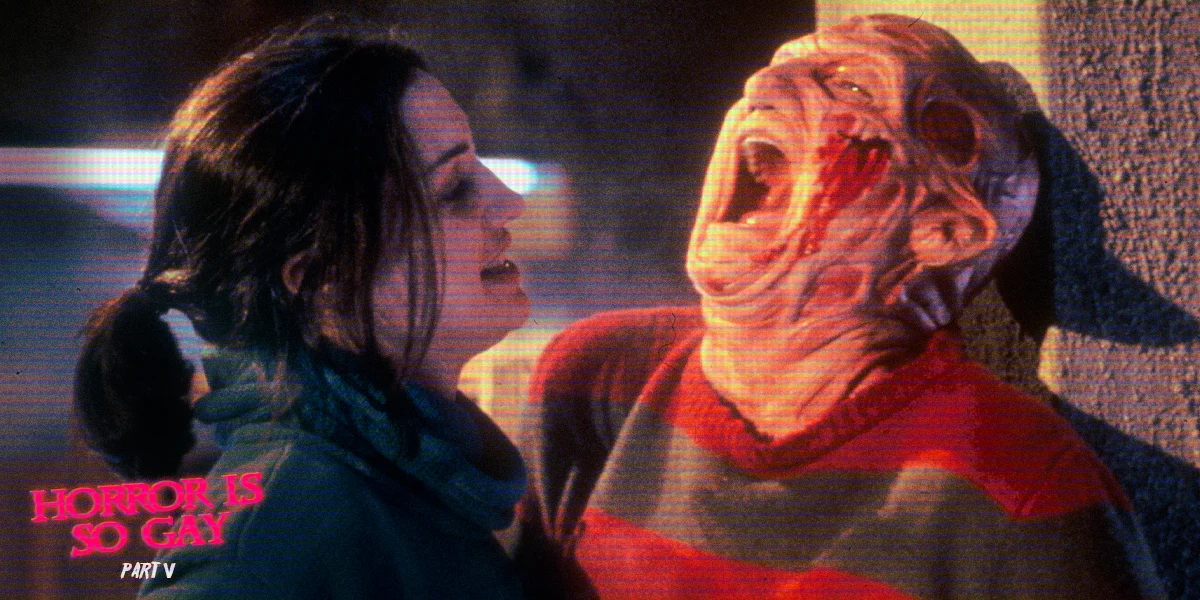
- 1991: Freddy’s Dead: The Final Nightmare serves as a thematic pivot. Directed by Rachel Talalay, it remains the only entry in the major slasher franchises of that era helmed by a woman. The film presents a "post-child" Springwood, a town where the youth have been entirely eliminated through murder or suicide, leaving behind a sterile, adult-governed environment.
Data and Societal Implications
The thematic preoccupation of the franchise with the relationship between parents and children mirrors contemporary discourse regarding "parental rights" in the United States. In the current political climate, the concept of parental rights has been leveraged in legislative efforts concerning public education, including the implementation of book bans and the restriction of discussions regarding gender identity and sexual orientation.
According to data from the American Library Association (ALA), 2023 saw a record-breaking number of attempts to censor books in schools and public libraries, with over 4,000 unique titles targeted. These efforts are frequently framed by advocacy groups as a mechanism to protect children; however, critics argue that such policies mirror the adult-centric control mechanisms seen in the Springwood of the film franchise. By prioritizing the ideological comfort of adults over the educational needs and psychological development of minors, these policies risk replicating the cycle of systemic harm depicted in the films.
Institutional Responses and Legal Perspectives
The legal framework surrounding the rights of minors remains a point of contention within the United States. The United Nations Convention on the Rights of the Child (UNCRC), adopted in 1989, provides a comprehensive set of standards for the civil, political, economic, social, and cultural rights of children. While 196 countries have ratified the treaty, the United States remains the only member state of the United Nations that has not done so.
Opposition to the UNCRC in the U.S. has historically been rooted in concerns that the treaty would undermine parental authority and shift the balance of power from the family unit to the state. This tension between autonomy for the child and the authority of the guardian is a central conflict in the horror genre. While the filmic portrayal of parental harm is often hyperbolic, it draws upon the real-world reality that the legal designation of "child" often equates to a loss of agency. In the context of the franchise, this lack of agency is the catalyst for the recurring nightmares; in the real world, it manifests as a lack of access to resources, education, and identity affirmation.
Analytical Perspectives on Agency
The academic study of horror as a mirror for societal anxieties often highlights the genre’s ability to process trauma. In the case of A Nightmare on Elm Street, the "nightmare" is not merely the antagonist but the refusal of the adult generation to acknowledge the consequences of their own actions. The teacher character in Freddy’s Dead, who delivers a historical lecture to an empty, childless classroom, serves as a metaphor for a society that demands the preservation of a specific, sanitized history while failing to provide for the actual living needs of the youth it claims to protect.
When the film suggests that "every town has an Elm Street," it is an assertion that the issues of child agency and parental responsibility are universal. The recurring cycle of violence in the film franchise acts as a critique of the "out of sight, out of mind" mentality regarding institutionalized child abuse. By ignoring the mental health needs of adolescents and treating their struggles as disciplinary issues rather than consequences of their environment, the community perpetuates the very danger it seeks to eliminate.
The Intersection of Gender and Genre
The role of Rachel Talalay in directing the final installment is significant within the context of industrial history. With 58 films produced across the six major slasher franchises (Halloween, Scream, Friday the 13th, Texas Chainsaw Massacre, Chucky, and Nightmare on Elm Street), the extreme scarcity of female directors highlights a systemic gender disparity in the horror industry. Talalay’s directorial approach moved the franchise away from traditional slasher tropes and toward a more introspective analysis of the source material. By doubling down on the themes of familial abuse and the erasure of children, her work elevated the franchise’s status from a series of jump-scare vehicles to a coherent narrative about the dangers of institutional and parental authoritarianism.
Conclusion
The enduring relevance of the A Nightmare on Elm Street franchise does not stem from its supernatural elements, but from its persistent interrogation of the relationship between power, memory, and the protection of youth. The franchise effectively argues that the denial of history, the suppression of adolescent autonomy, and the prioritization of adult comfort at the expense of children’s rights create a landscape where "nightmares" are inevitable. As policymakers and communities continue to debate the parameters of education and the limits of parental authority, the cautionary tale of Springwood remains a relevant, if dark, reflection of the consequences that arise when the needs of the young are systematically subordinated to the will of the old. The history of the franchise suggests that until these cycles of neglect and control are addressed, the trauma, like the antagonist of the series, will continue to resurface.