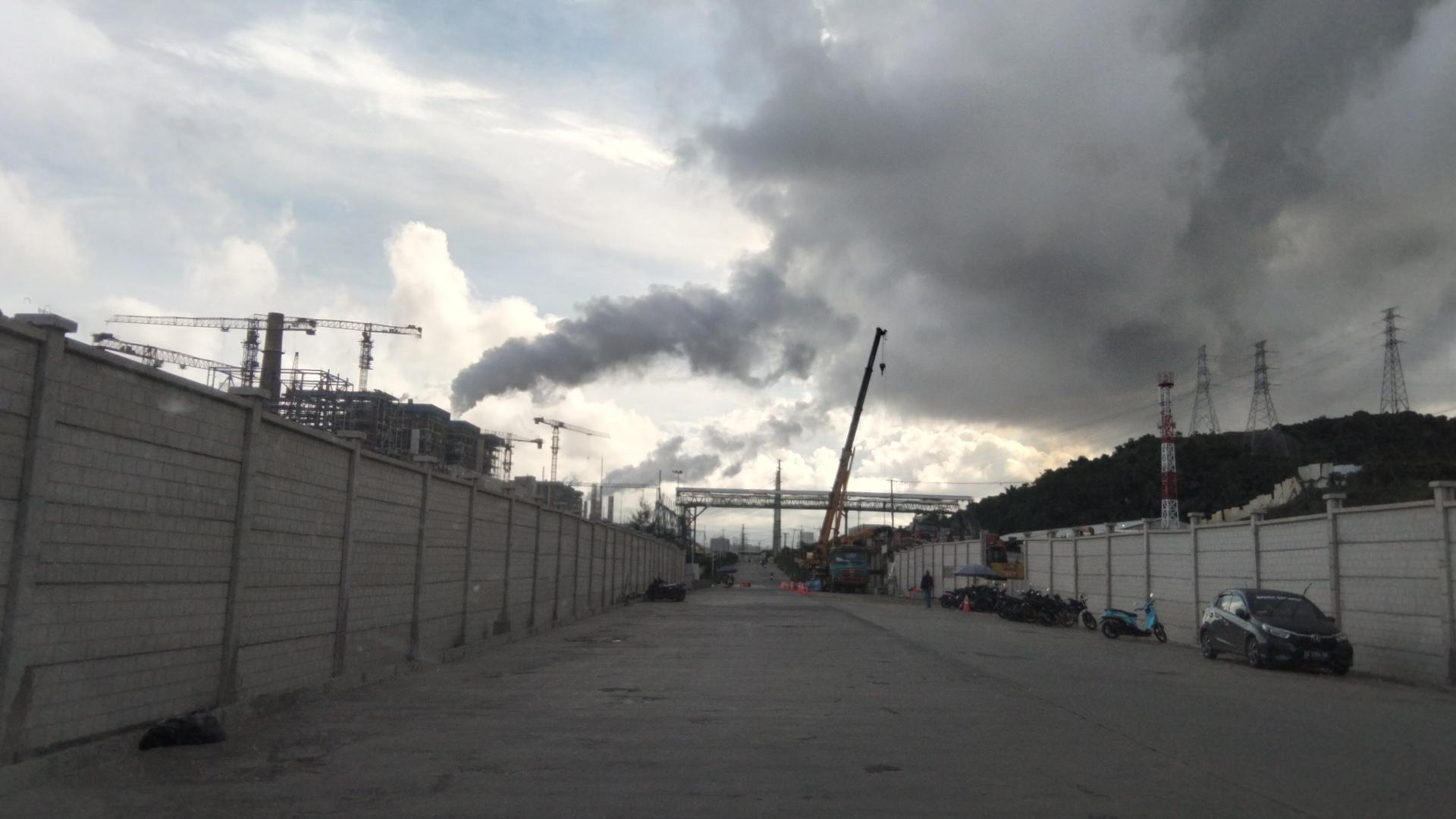
The rapid industrialization of Central Halmahera Regency in North Maluku, Indonesia, has transformed the once-quiet district into a cornerstone of the global green energy transition. At the heart of this transformation is the Indonesia Weda Bay Industrial Park (IWIP), a massive nickel processing complex that promises stable employment and regional economic growth. Yet, behind the gleaming statistics of export values and foreign direct investment lies a complex human and environmental reality. Interviews with former laborers, local residents, and transport workers reveal an industrial ecosystem defined by intense surveillance, grueling work schedules, severe health hazards, and mounting ecological degradation. For thousands of job seekers arriving from Ambon, Manado, and local villages like Sagea Kiya, the promise of prosperity frequently gives way to a precarious cycle of low-wage labor, exorbitant living costs, and profound occupational risks.
Background and Context of the Central Halmahera Nickel Boom
To understand the current labor dynamics in Central Halmahera, one must examine the broader trajectory of Indonesia’s nickel industry. Over the past decade, the Indonesian government has enacted stringent downstreaming policies, banning the export of raw nickel ore in an effort to compel foreign mining corporations to build domestic smelting facilities. This strategic pivot positioned Indonesia as the world’s leading producer of nickel, an essential component for electric vehicle (EV) batteries and stainless steel.
The North Maluku region quickly became a primary focal point for this industrial expansion. Billions of dollars in foreign capital, predominantly from Chinese multinational firms, poured into mega-projects like IWIP. Thousands of workers migrated to the region, drawn by the prospect of earning millions of rupiah per month—a significant sum compared to regional agricultural or fishing incomes. However, the infrastructure of the host communities struggled to keep pace with the sudden demographic influx. Villages like Sagea Kiya and Lelilef transitioned overnight into congested industrial hubs, where soaring inflation, inadequate housing, and strained public utilities created an environment of acute socioeconomic stress.
Chronology of Industrial Encroachment and Labor Migration
The development of the Central Halmahera mining sector unfolded in rapid phases, drastically altering the landscape and social fabric of local communities:
Initial Exploration and Land Acquisition (Late 2010s): Foreign mining concessions expanded rapidly across Central and East Halmahera, acquiring customary lands and forests traditionally managed by indigenous populations. Early resistance was largely subdued by promises of widespread local employment and community development funds.
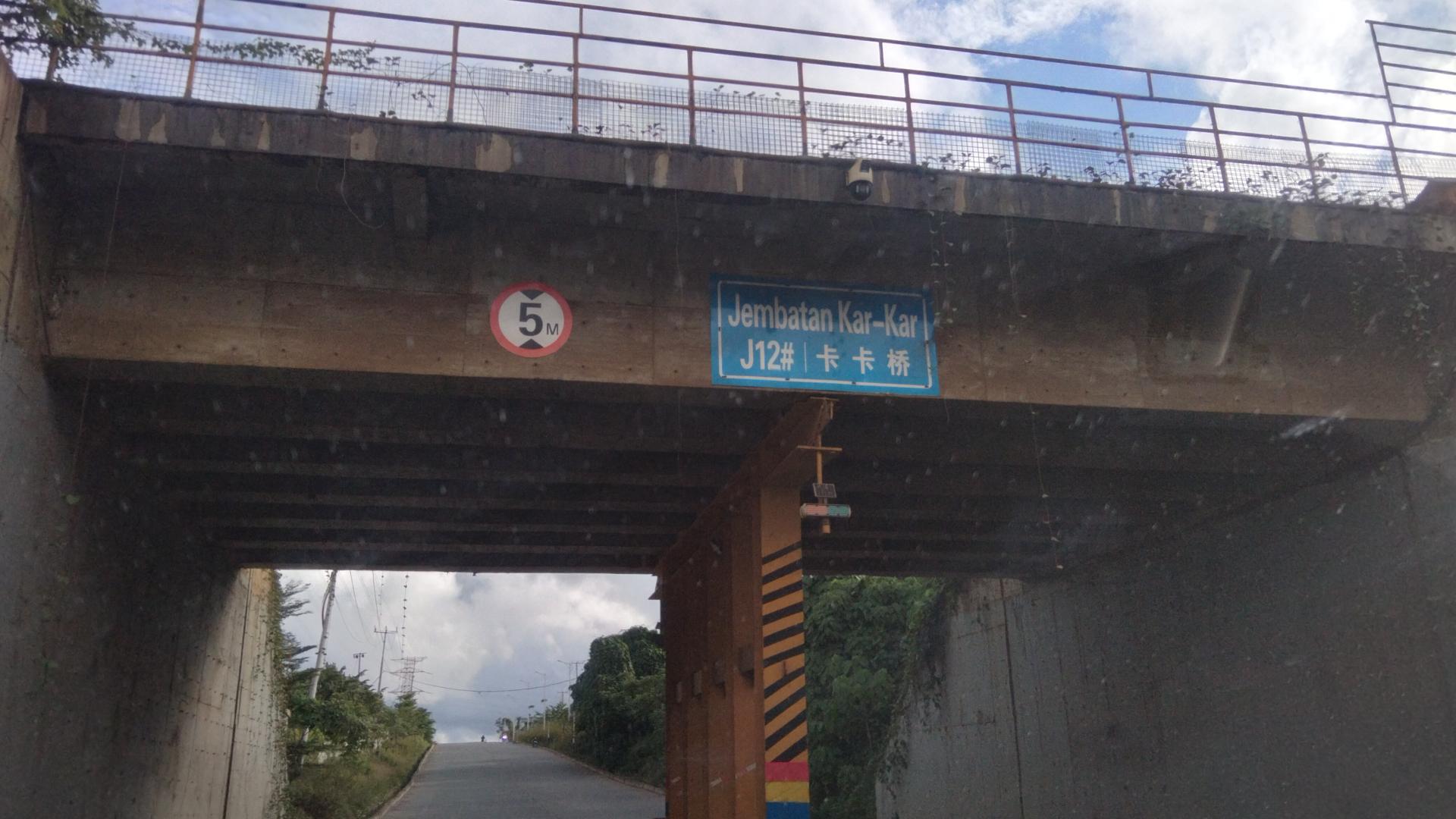
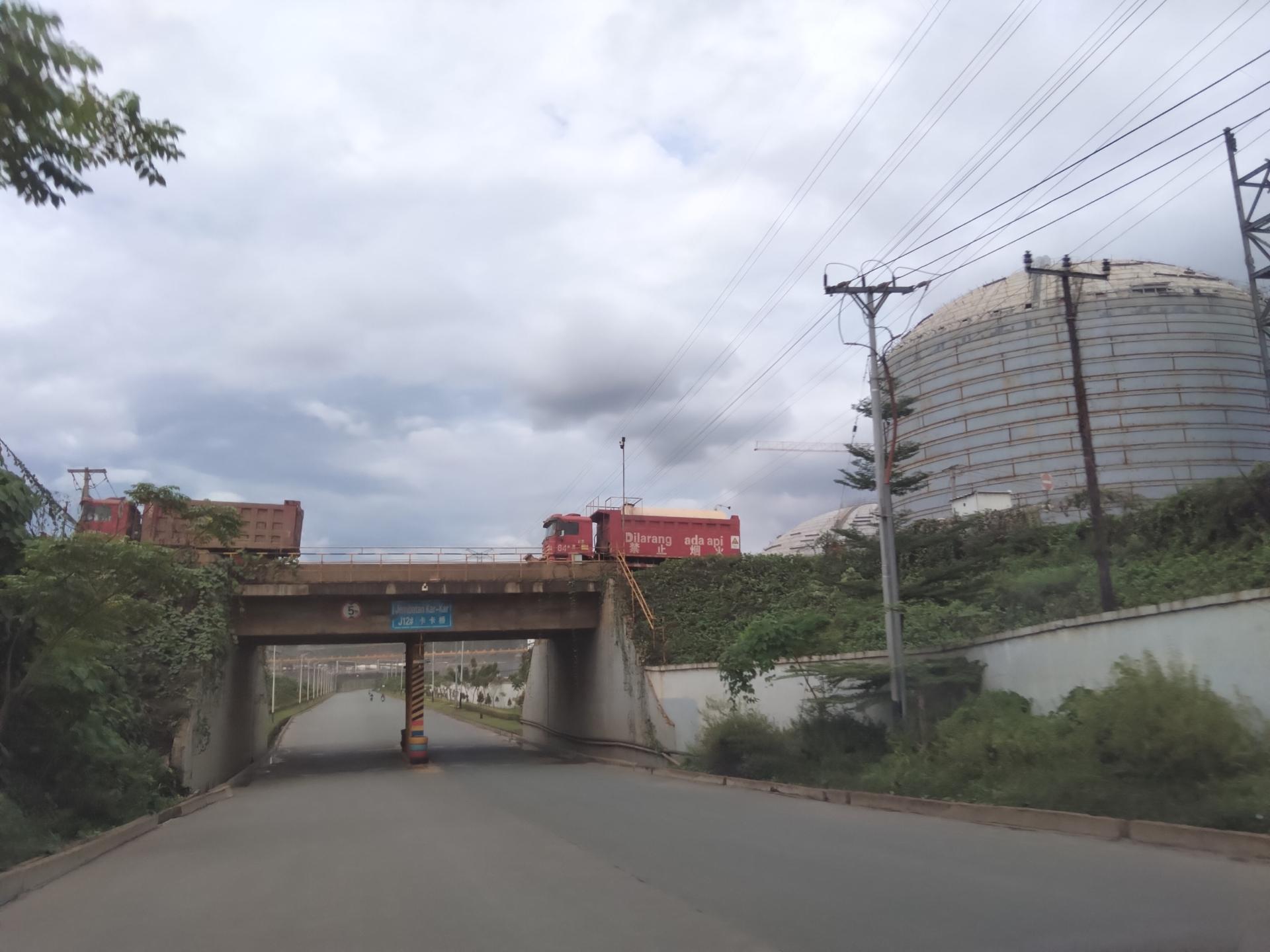
Construction of Industrial Complexes (2019–2021): Infrastructure projects, including the construction of the IWIP processing plants, private airstrips like Cekel Airport, and extensive road networks, were accelerated. The influx of migrant workers from Sulawesi and Maluku began in earnest, overwhelming local housing markets.
Intensification of Production and Surveillance (2022–Present): As global demand for EV batteries surged, mining and processing operations transitioned to continuous, year-round production schedules. Security protocols within the complexes were tightened significantly, and high employee turnover became a defining characteristic of the labor market, fueled by demanding conditions and health-related resignations.
Voices from the Frontlines: The Rigors of Daily Labor
Because of strict corporate confidentiality policies and fears of retaliation, current employees remain reluctant to speak publicly about working conditions. However, former workers have stepped forward to detail the realities of industrial life inside the complex. Mirna, not her real name, is a young woman from Ambon who spent nearly two years working at the IWIP nickel processing facility before resigning due to mounting physical and financial pressures.
Mirna reported that while base wages hover around 6 million Indonesian Rupiah per month, the high cost of living in the mining district quickly neutralizes these earnings. Furthermore, compensation is strictly tied to attendance. "If you do not come to work, you are not paid. If you do not take overtime, you do not receive additional income," she explained. To secure employment, migrant workers often navigate bureaucratic hurdles, such as acquiring local North Maluku identity cards (KTPs), leading many to maintain dual identification documents for employment purposes and hometown ties.
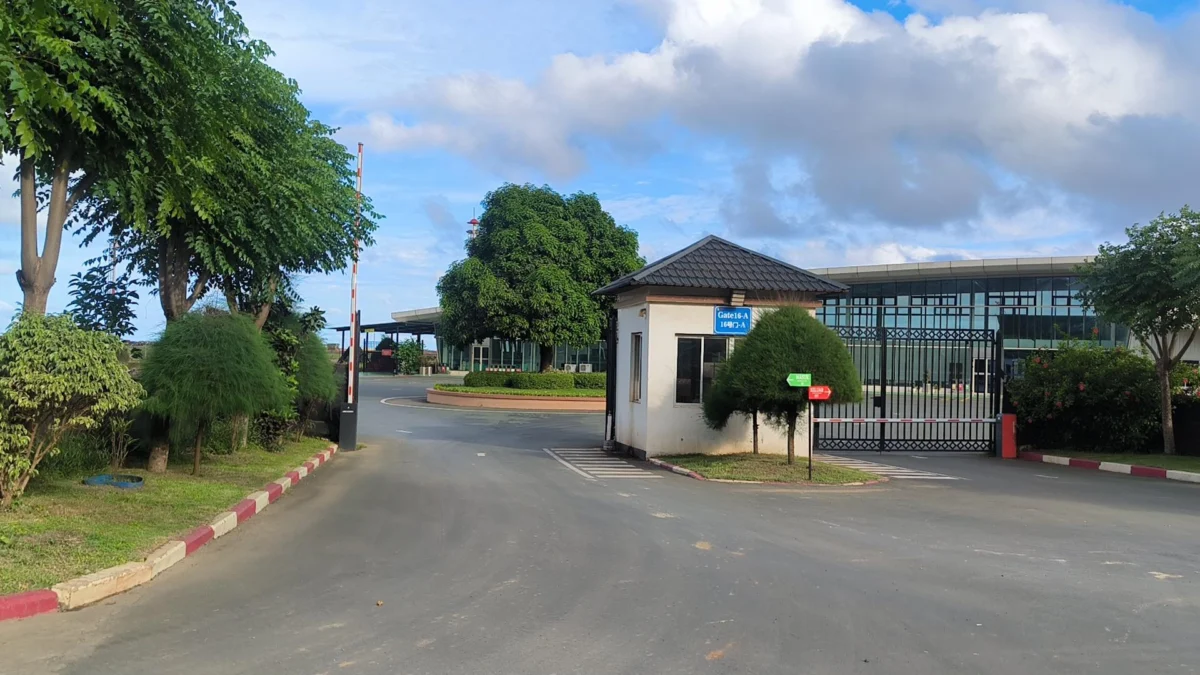
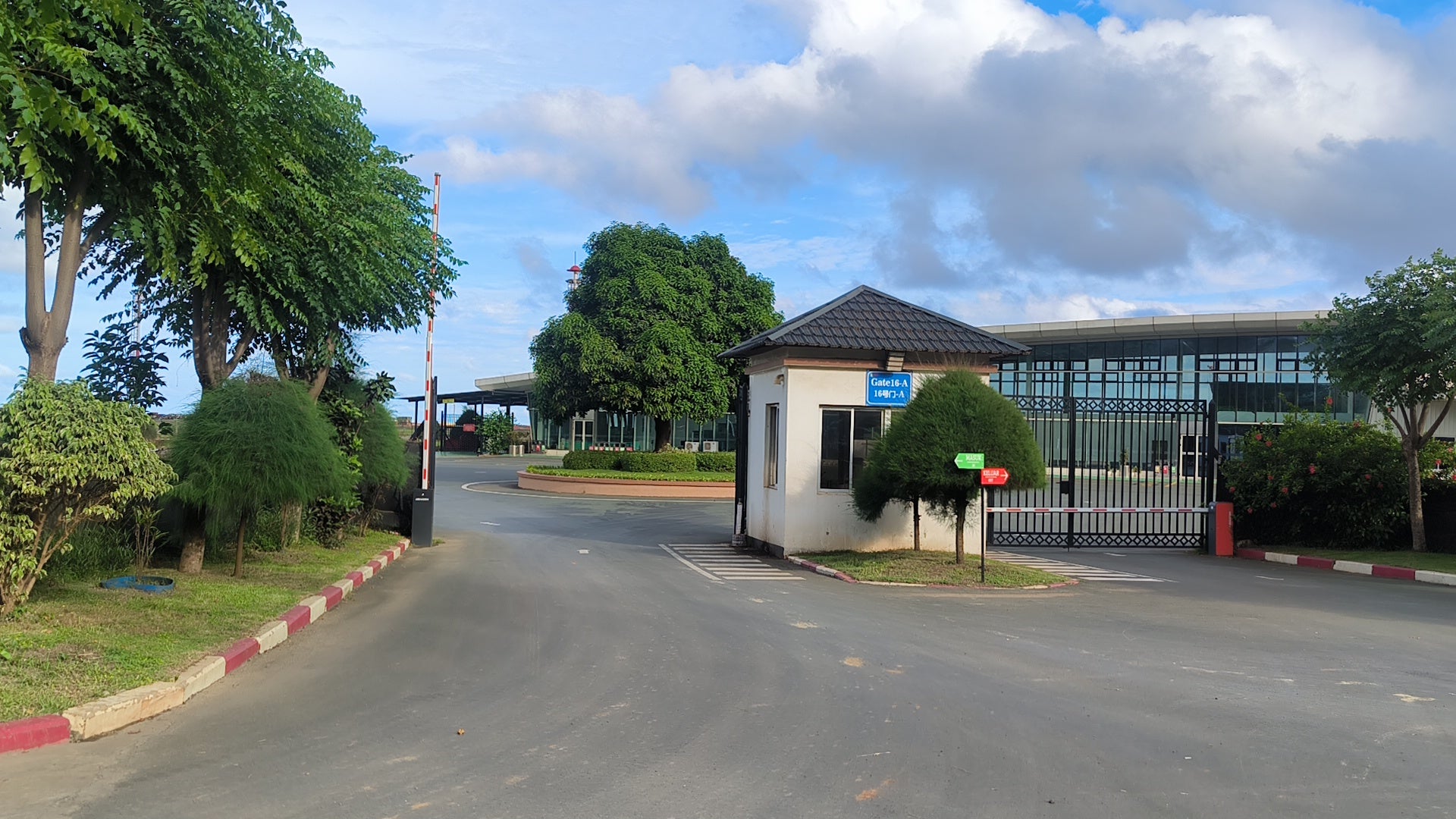
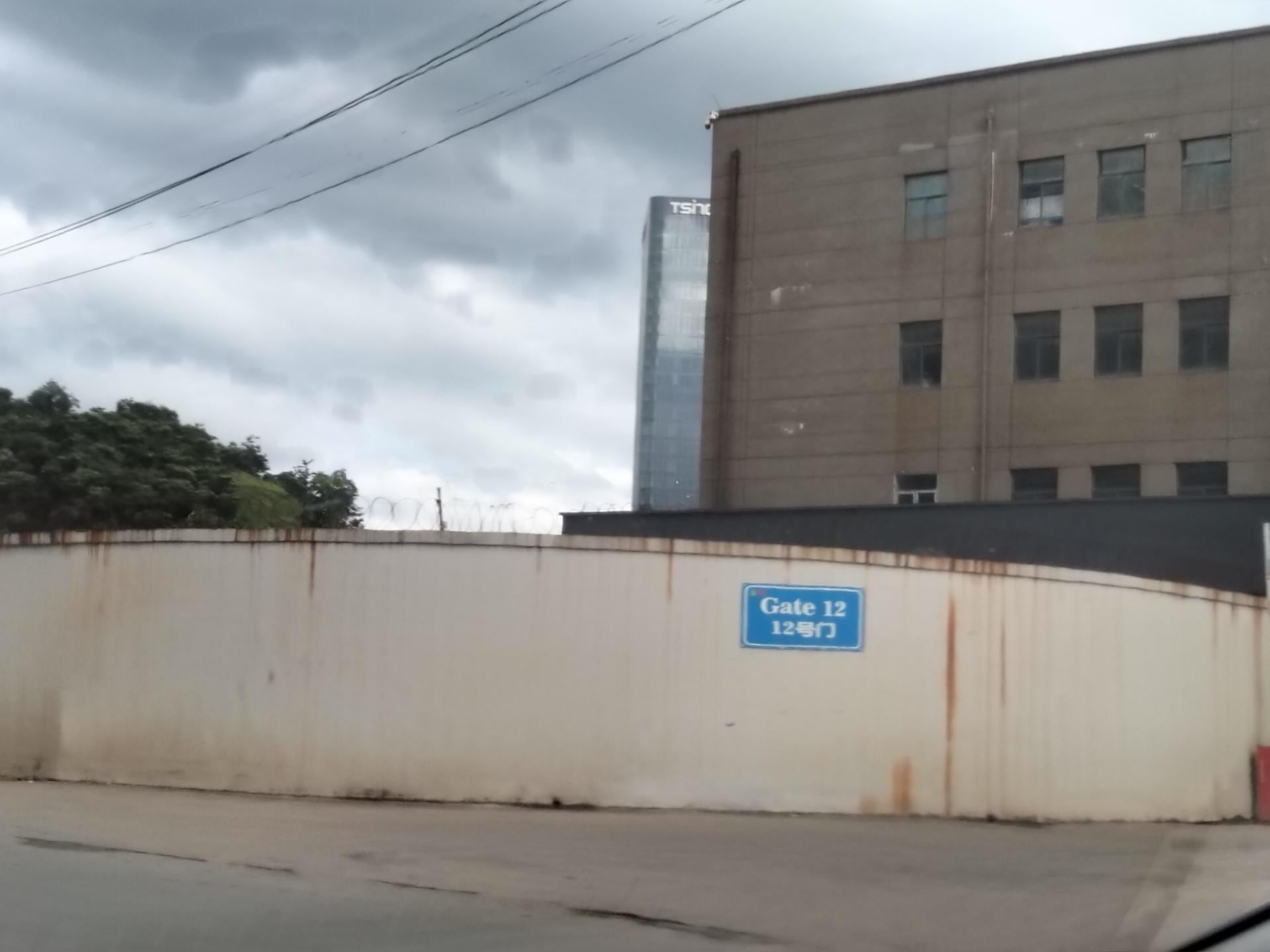
Life inside the industrial complex is governed by strict regulatory frameworks and pervasive surveillance. Mirna described a highly monitored environment where drone technology and security personnel track the movements of employees. Contact with the outside world is heavily restricted; workers are prohibited from receiving unauthorized visitors, and family members cannot freely enter corporate zones. Violations of safety codes or attendance policies result in immediate disciplinary measures, including formal warnings and wage deductions.
Occupational Health Hazards and Workplace Safety
The physical demands of nickel processing expose workers to significant occupational hazards. Operating heavy machinery in high-temperature environments alongside industrial dust creates chronic health risks. Welding crews, in particular, frequently suffer from acute eye trauma due to intense ultraviolet exposure without adequate protection.
Safety protocols are often perceived as reactive rather than preventative. According to former employees, mandatory safety meetings are typically convened only after workplace accidents occur. Reports of severe incidents—including workers falling into industrial piping systems and individuals collapsing from physical exhaustion—highlight the dangers of round-the-clock production schedules. While major corporations provide compensation and repatriation assistance for fatal accidents, allegations persist that foreign workers who lose their lives are occasionally buried within company grounds rather than being returned to their families abroad.
The psychological and physical toll is further evidenced by personal health crises. Mirna recounted developing gallbladder inflammation, which medical professionals associated with chronic stress, fatigue, and poor dietary conditions. She later suffered from severe respiratory complications and pulmonary fluid accumulation, necessitating an emergency medical evacuation to Ternate for specialized treatment. Although Indonesia’s national health insurance program (BPJS) covered the expenses—with premiums deducted directly from worker salaries—she noted that many employees continue working through debilitating pain out of fear of losing daily wages.
Socioeconomic Pressures and Living Conditions Outside Corporate Walls
For workers who choose not to reside in company-provided dormitories, the cost of living presents a formidable challenge. Rental accommodations in nearby communities often command prices upwards of 1.5 million Rupiah per month, typically offering substandard amenities, shared sanitary facilities, and unreliable utility services.
Rizal, a transport driver based in Ternate who frequently ferries personnel to the industrial zones, observed that the pressures of domestic life in the mining district drive many workers to resign. "Many return home because managing daily life alone is challenging," Rizal noted. "When they return late from shifts, food may already be finished, and they have to cook for themselves. With expensive rent and transportation costs, staying becomes difficult."
Food quality within corporate facilities has also drawn criticism from labor advocates. Meals are frequently described as basic and repetitive—consisting primarily of simple vegetable soups and modest portions—designed purely for nutritional sustenance rather than culinary satisfaction.
Environmental Degradation and Community Impact
The externalities of rapid industrial expansion extend far beyond the perimeter fences of the mining concessions. Surrounding villages, particularly Sagea Kiya and Lelilef, have experienced severe environmental degradation. Air quality has deteriorated significantly due to particulate matter and industrial dust, while coastal ecosystems face contamination from improper waste management.
Sagea Kiya, historically renowned for its pristine natural landmarks, including limestone caves and underground water systems, has suffered visible ecological disruption. Local residents report that well water has grown turbid, odorous, and unsafe for consumption, forcing communities to rely on bottled water for daily survival. Despite bearing the environmental costs of the nickel boom, indigenous and local residents contend that the promised economic benefits have bypassed the traditional custodians of the land.
Broader Implications for Indonesia’s Industrial Policy
The situation in Central Halmahera encapsulates the central paradox of Indonesia’s current economic strategy: the tension between national industrial ambitions and local human rights and environmental protection. As the government aggressively courts foreign investment to cement its position in the global supply chain for renewable energy technologies, the social contract in mining regions faces severe strain.
Labor rights advocates emphasize that sustainable industrialization cannot be achieved without rigorous enforcement of occupational safety standards, fair wage adjustments that account for regional inflation, and robust environmental oversight. Furthermore, the reliance on high employee turnover rates suggests a systemic need for structural reform in human resource management across major processing hubs like IWIP.
Ultimately, while Central Halmahera’s nickel operations have successfully driven macroeconomic growth and employment figures, the long-term well-being of the region depends on addressing the foundational grievances of its workforce and host communities. Without meaningful interventions to safeguard public health, protect local ecosystems, and ensure equitable economic distribution, the foundational promise of Indonesia’s mineral wealth risks remaining unfulfilled for those who bear its heaviest burdens.