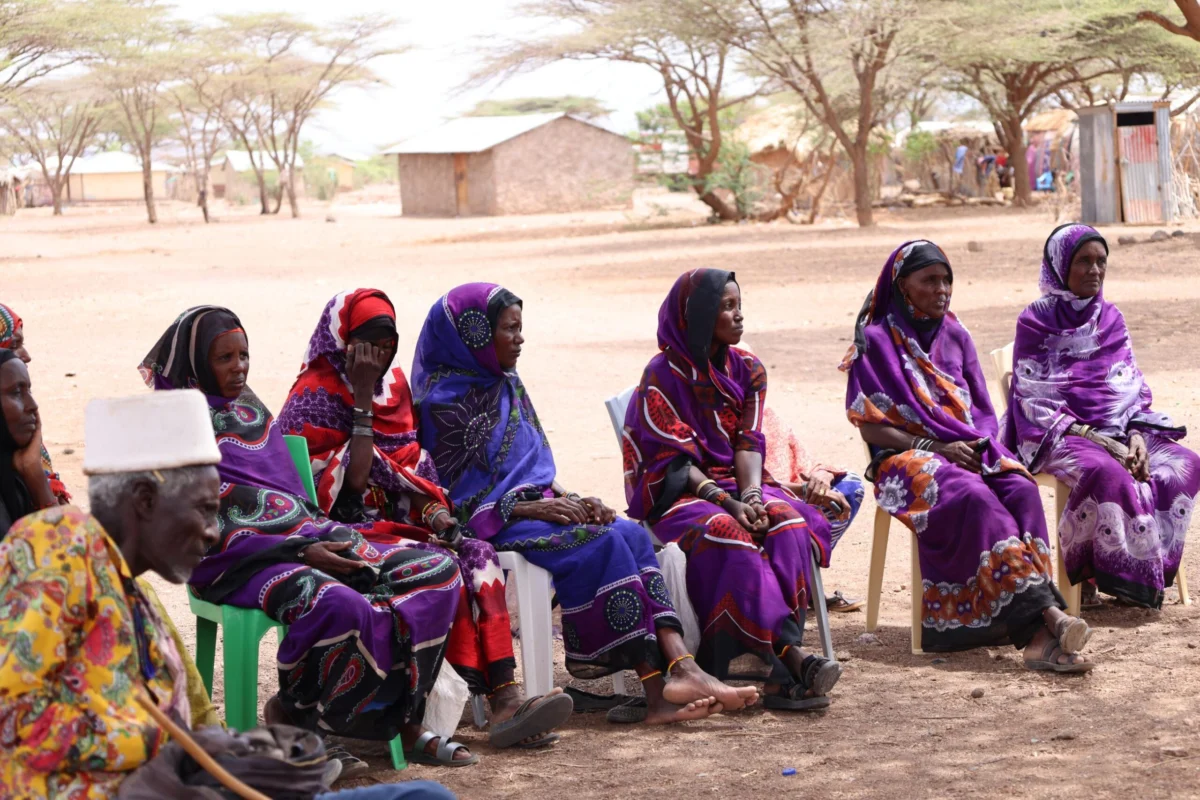
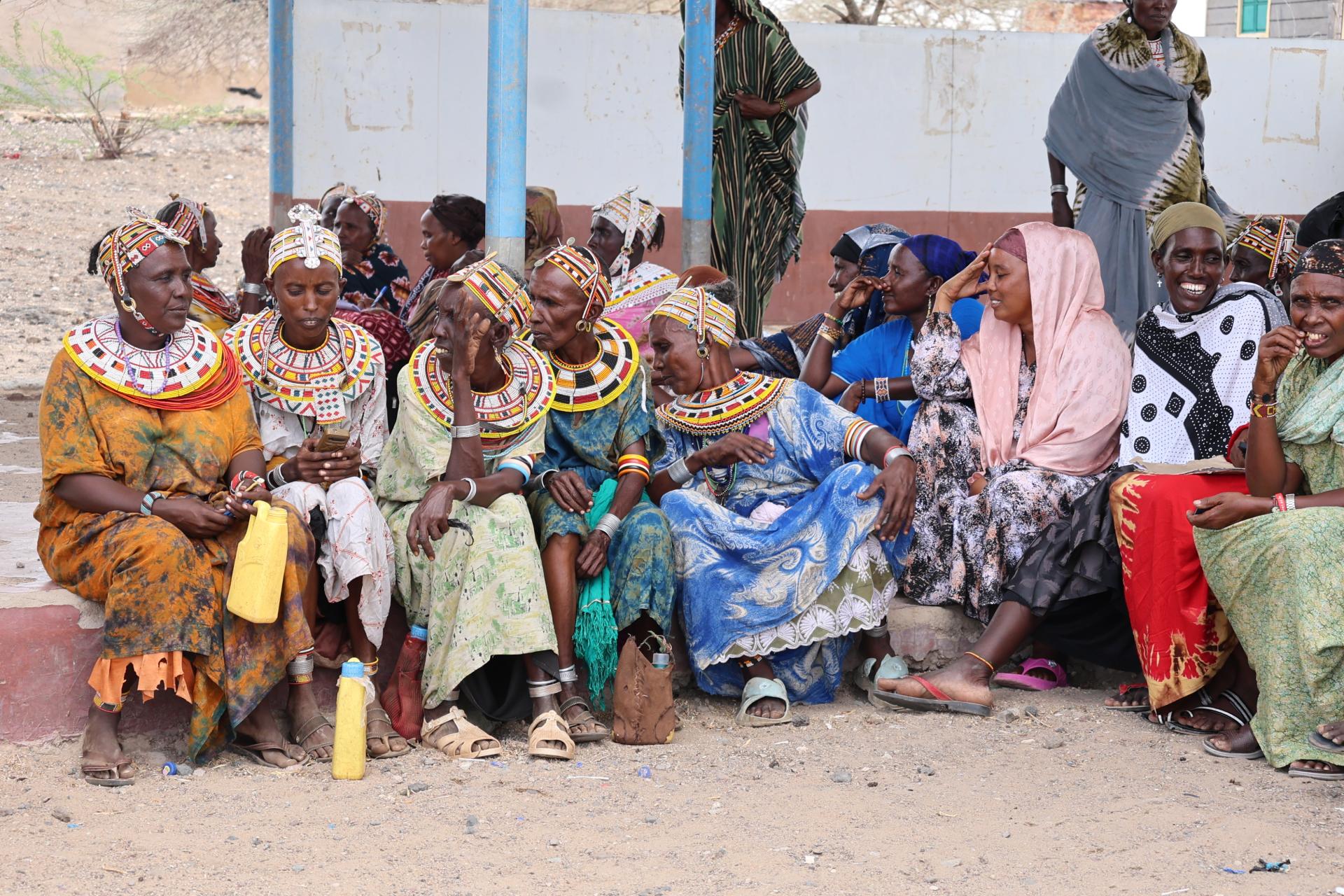
For generations, the arid expanse of Marsabit County in northern Kenya has sustained resilient communities whose identities, economies, and cultural survival are inextricably linked to the land. Among these groups are the Rendille and Gabbra communities, traditional pastoralists who traverse Kargi, Kalacha, and surrounding regions in search of vital pasture and water for their livestock. Yet, beneath the surface of this fragile ecosystem lies a legacy of industrial activity that residents argue has inflicted lasting damage on their health, environment, and way of life. Decades after exploratory drilling rigs moved into the region, local communities are no longer willing to suffer in silence. Backed by civil society organizations, nearly 300 residents have taken their grievances to the Environment and Land Court in Isiolo, demanding accountability for historical environmental degradation tied to late-20th-century oil exploration.
The legal battle represents a critical milestone in a decades-long struggle for environmental justice in marginalized northern territories. As the case winds its way through the judicial system, it brings to light complex questions regarding corporate accountability, government oversight, indigenous land rights, and the long-term ecological consequences of resource extraction in vulnerable arid and semi-arid lands (ASALs).
Chronology of a Decades-Long Crisis
The roots of the current legal standoff extend back to the late 1980s, a period when hydrocarbon exploration picked up momentum in remote parts of Kenya as international firms sought to uncover commercial petroleum reserves. During this era, exploratory wells were drilled in parts of Marsabit County, including Kargi and Kalacha. While these operations ultimately failed to trigger commercial production at the time, they left behind a physical footprint that local populations argue was never properly decommissioned or cleaned up.
In the years following the exploration phase, residents began noticing troubling changes in their immediate environment. Abandoned drilling sites allegedly contained leftover industrial waste, drilling muds, and potentially hazardous chemical residues. For pastoralists whose daily survival depends on fragile boreholes, shallow wells, and seasonal water pans, the presence of foreign industrial substances near vital water sources immediately raised alarm bells.
Throughout the 1990s and 2000s, community elders and local leaders raised informal concerns with local administrators, noting unexplained livestock mortality rates and emerging health complications among human populations. However, due to geographical isolation, limited access to legal representation, and systemic marginalization, these early warnings rarely gained traction at the national level. Communities reported severe difficulties in obtaining transparent environmental impact assessments or health audits from government agencies.
The turning point arrived in February 2026, when a collective of 299 residents from Kargi, Kalacha, and surrounding areas formally filed a petition at the Environment and Land Court in Isiolo. This legal action targeted both corporate entities involved in the historical exploration and relevant state institutions accused of failing in their regulatory duties to protect public health and the environment. Following initial filings, the court certified the matter for hearing, setting the stage for formal proceedings.
By September 24, 2026, the case came up for mention before the court. During these preliminary proceedings, legal representatives for the respondents requested that the documentation served upon them be formally translated into English—despite the documents having already been served in that language. This procedural maneuver resulted in an adjournment, pushing the next court mention out by 30 days and underscoring the protracted nature of environmental litigation involving powerful institutional defendants.
Understanding the Socio-Ecological Context of Marsabit County
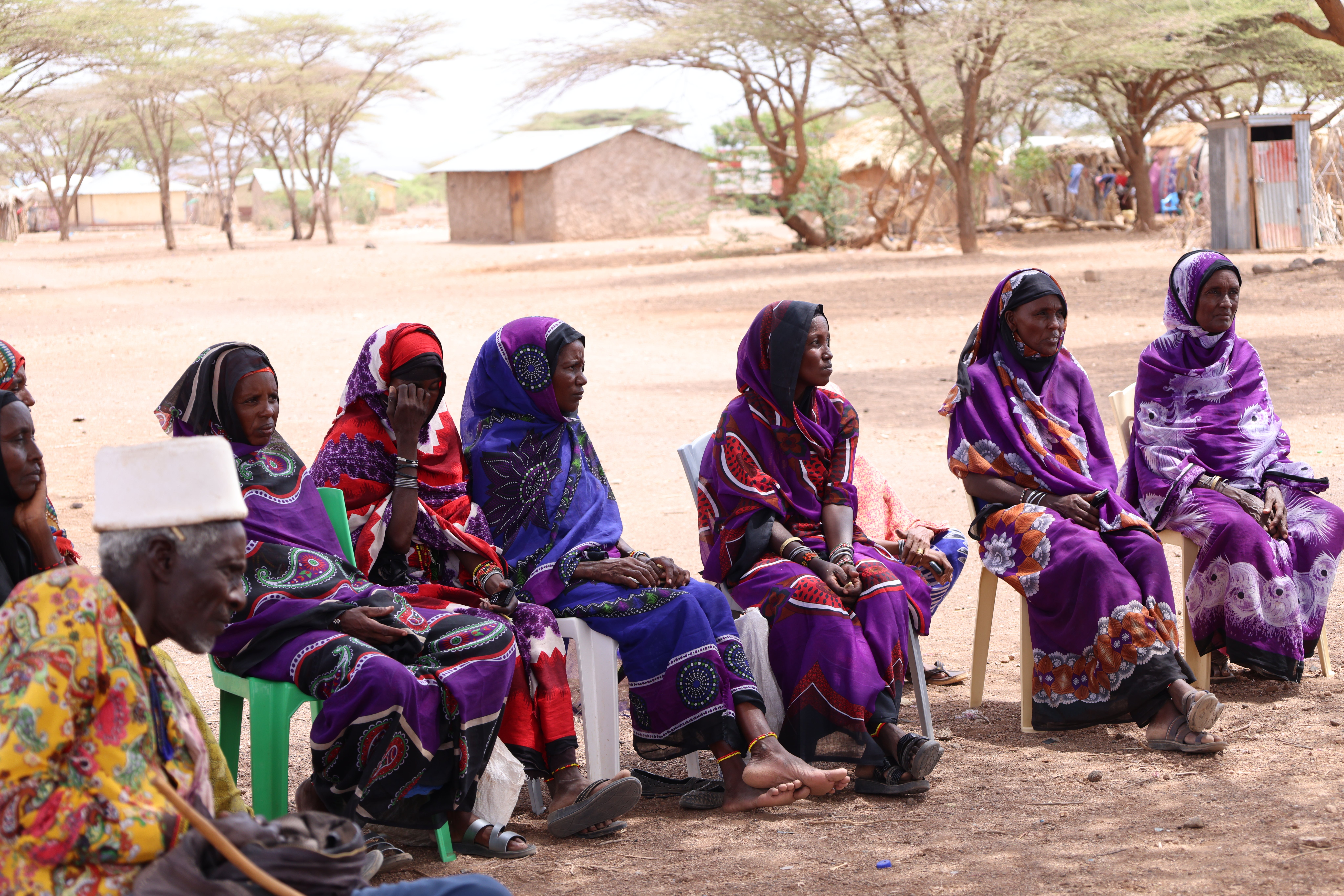
Marsabit County is characterized by vast expanses of desert and semi-desert terrain, where climatic conditions are harsh and unpredictable. Rainfall is sparse and erratic, making water the single most valuable commodity in the region. Pastoralism serves as the backbone of the local economy, providing sustenance, employment, and social cohesion for the Rendille and Gabbra peoples.
In pastoralist economies, environmental degradation does not merely represent a localized ecological nuisance; it poses an existential threat. When a water point becomes contaminated, the impact ripples outward across multiple dimensions of community life:
Livestock Health and Mortality: Livestock are simultaneously capital, savings, and the primary source of nutrition (milk and meat) for pastoralist households. Ingestion of contaminated water or forage laced with heavy metals or industrial chemicals can lead to acute poisoning, chronic internal organ failure, and high mortality rates, devastating family wealth overnight.
Human Health Outcomes: Communities in Kargi and Kalacha have historically faced challenges regarding healthcare infrastructure. Residents have long reported chronic ailments, skin conditions, gastrointestinal issues, and other unexplained illnesses that they associate with polluted environmental conditions. The absence of baseline epidemiological studies linking these health burdens to historical industrial activity has historically hindered victims from seeking medical compensation.
Food Security and Economic Stability: The loss of livestock directly translates to heightened food insecurity, forcing families into destitution and increasing reliance on humanitarian relief. Furthermore, the stigma associated with environmental contamination can depress local livestock markets, cutting off vital cash flows needed to purchase grain, pay for schooling, and access basic goods.
The Role of Civil Society and the Pastoralist Peoples Initiative
The journey from grassroots grievances to a formal court petition has not been solitary. Civil society organizations (CSOs) have played an instrumental role in bridging the gap between isolated pastoralist communities and the formal justice system. Chief among these is the Pastoralist Peoples Initiative (PPI), which, alongside allied advocacy groups, has provided logistical, technical, and legal support to the affected residents of Marsabit.
For PPI, the Isiolo court case is emblematic of a broader, systemic struggle for environmental justice across Kenya’s northern frontier. Indigenous pastoralist communities have historically borne the negative externalities of national development and resource extraction projects while enjoying few, if any, of the localized economic benefits. By championing the Kargi and Kalacha petition, PPI and its partners seek to establish legal precedents affirming that constitutional rights to a clean and healthy environment apply equally to marginalized pastoralist populations.
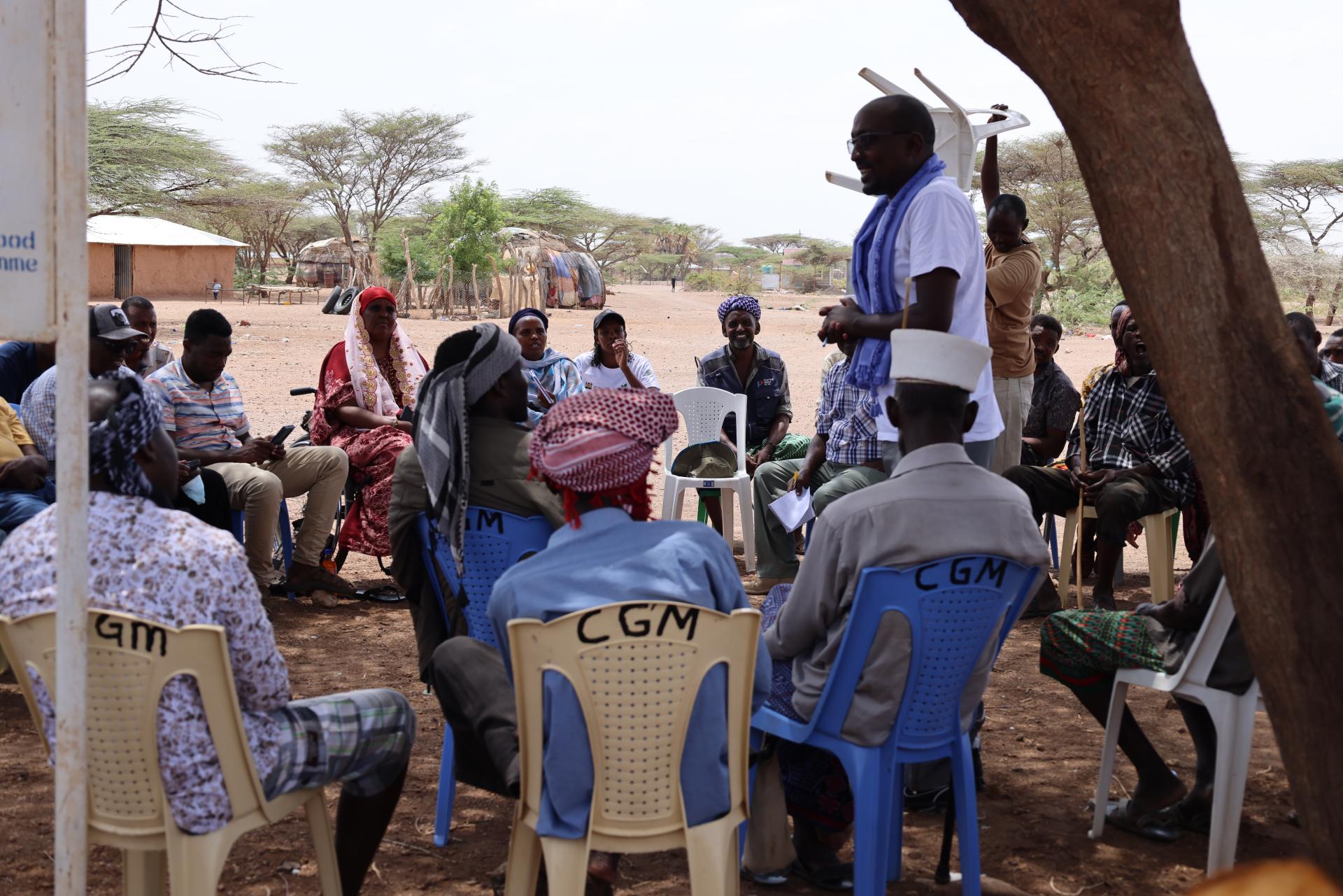
Furthermore, civil society organizations emphasize the principle of Free, Prior, and Informed Consent (FPIC) and the right to public participation. Under Kenya’s 2010 Constitution, citizens possess explicit rights to information concerning environmental management and the utilization of natural resources. The historical lack of transparency surrounding the 1980s oil exploration activities directly contravenes these modern governance standards, reinforcing the necessity of judicial intervention.
Legal Arguments and Institutional Responses
The petition before the Environment and Land Court hinges on several core legal pillars, including constitutional violations of the right to life, human dignity, a clean and healthy environment, and economic security. The petitioners argue that the respondents—comprising government regulatory bodies and corporate entities—breached their statutory duties of care by failing to remediate abandoned exploration sites and safeguarding public water resources.
Legal analysts observing the case note that holding entities accountable for historical environmental liabilities is notoriously difficult. Challenges often include establishing a direct causal link between decades-old industrial waste and contemporary health issues, identifying the corporate successors of defunct exploration companies, and navigating complex statutes of limitations.
During the September 24, 2026 court mention, defense strategies began to materialize. The request by respondents’ counsel for English translations of documents already provided in English was viewed by community observers as a dilatory tactic designed to stretch out the legal process and drain the financial and psychological stamina of the petitioners. Despite these procedural hurdles, the court allowed the matter to proceed, ensuring that the substantive merits of the case will eventually be tested in open court.
Broader Implications for Resource Extraction and Environmental Governance in Kenya
As Kenya continues to position itself as an emerging player in the regional extractive industry—with ongoing petroleum exploration in Lokichar and various mining ventures across the country—the Marsabit case serves as a vital stress test for the nation’s environmental regulatory framework.
Several key implications emerge from this legal battle:
Precedent for Historical Liabilities: A ruling in favor of the Kargi and Kalacha residents could establish a powerful legal precedent holding corporations and the state accountable for legacy environmental damage stemming from past decades, preventing companies from walking away from abandoned industrial sites without remediation.
Strengthening ASAL Environmental Governance: The case highlights the urgent need for rigorous environmental monitoring in arid and semi-arid lands. Government agencies such as the National Environment Management Authority (NEMA) face increased scrutiny regarding their capacity and willingness to enforce environmental protection laws in remote regions.
Empowerment of Marginalized Communities: By utilizing the courts to demand accountability, pastoralist communities are signaling a shift from passive subjects of marginalization to active agents of rights-based advocacy. This sets an encouraging example for other indigenous groups facing similar environmental threats across East Africa.
Corporate Social Responsibility (CSR) and Environmental, Social, and Governance (ESG) Standards: International and domestic investors operating in sensitive ecosystems are increasingly judged by their adherence to ESG principles. The protracted controversy in Marsabit underscores the financial and reputational risks of ignoring environmental remediation and community engagement.
Looking Ahead: The Path to Resolution
As the legal process pauses for the mandatory 30-day interval following the September adjournment, the mood in Kargi and Kalacha remains one of cautious resolve. While community members understand that judicial proceedings can be agonizingly slow, the mere act of standing before a judge represents a historic validation of their lived experiences.
For the Rendille and Gabbra pastoralists, the ultimate victory will not be measured solely in monetary damages or legal jargon, but in tangible restoration. They seek concrete actions: the comprehensive cleanup of toxic waste sites, the rehabilitation and testing of local water sources to ensure absolute safety, the provision of specialized healthcare services for affected populations, and ironclad guarantees that future resource extraction projects will respect their land, their livestock, and their fundamental right to exist in dignity.
Until the Environment and Land Court delivers its final verdict, the eyes of environmental activists, legal scholars, and pastoralist communities across the region remain fixed on Isiolo. The outcome of this landmark case will reverberate far beyond the borders of Marsabit County, leaving an indelible mark on the landscape of environmental justice and human rights in Kenya.