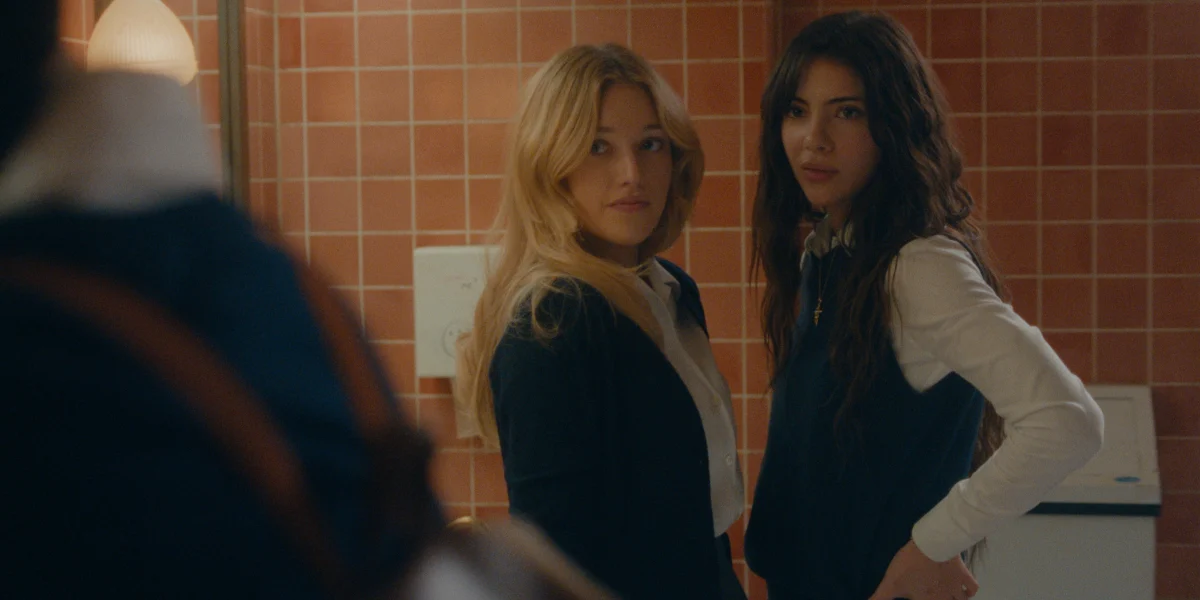
Netflix is set to expand its genre-blending repertoire next month with the release of The Body, a high-concept supernatural thriller that marries the aesthetic of elite private school dramas with the visceral tension of ritualistic horror. Created by Quinn Shephard, a filmmaker whose previous work includes the critically acclaimed Miseducation of Cameron Post and episodes of the television series Under the Bridge, the project is framed as a satirical examination of the internal and external pressures associated with adolescent queer identity.
The series, which centers on a group of students at a rigorous Catholic institution, utilizes the "teens-in-peril" narrative framework to explore themes of religious repression and the psychological fallout of performative femininity. By layering supernatural elements over the mundane anxieties of high school life, the production seeks to align itself with the recent surge in prestige horror that emphasizes character-driven narratives over traditional jump-scare tactics.
Production Context and Creative Vision
The creative origins of The Body date back several years, with Quinn Shephard noting that the initial drafts were developed during a period of personal reflection following her own coming-out process. According to statements released by the production team, the show intends to serve as a metaphorical landscape for the trauma often associated with the suppression of identity in conservative academic environments.
The production has prioritized authentic representation, evidenced by the high percentage of women in the writer’s room. By populating the creative team with voices that align with the show’s central themes, the studio aims to maintain a consistent tone that balances the inherent absurdity of supernatural mischief with the grounded, often painful, reality of the queer teenage experience. The inclusion of reality television personality Gabby Windey in a recurring role as an athletic coach provides a bridge between mainstream pop culture and the show’s more stylized, genre-heavy aspirations.
Industry Trends: The Rise of the Queer Supernatural Genre
The Body enters a media landscape that has shown an increasing appetite for queer-coded horror and thriller narratives. Shows such as Yellowjackets have successfully demonstrated that there is a significant audience for stories involving female ensembles navigating high-stakes survival scenarios that prioritize interpersonal dynamics alongside existential dread.
Industry analysts suggest that the success of these programs is tied to a shift in demographic preferences. Data from major streaming platforms indicates that genre-bending content—specifically titles that incorporate elements of thriller, mystery, and social commentary—retains viewers for longer periods compared to linear procedurals. The supernatural teen genre, in particular, has evolved from its early 2000s iteration of purely escapist entertainment into a more robust vehicle for exploring sociopolitical anxieties. The Body appears to be positioning itself as the latest iteration of this trend, drawing thematic parallels to Mike Flanagan’s recent adaptation of Carrie, which similarly utilized established horror tropes to highlight the marginalization of queer characters.
Current Television Landscape and Concurrent Developments
The release of The Body is part of a broader shift in the streaming sector, where networks are increasingly investing in serialized content that emphasizes rapid narrative progression and high production value. Concurrent with the anticipation for The Body, several other notable industry developments have captured audience interest, signaling a robust period for serialized television.
The television market is currently experiencing a wave of high-profile renewals and project announcements that reflect a focus on established intellectual property and proven creative talent. The fourth and final season of Yellowjackets, for instance, has already generated significant discourse following the release of its initial teaser and promotional imagery, marking the conclusion of one of the most significant cultural touchstones in recent years. Similarly, the early renewal of The Hunting Wives for a third season—a decision finalized before the second season’s premiere—underscores the industry’s current strategy of "doubling down" on high-engagement, chaotic narrative structures that facilitate social media engagement.
In the realm of musical and dramatic crossovers, the upcoming collaboration between Olivia Rodrigo and Chappell Roan signifies the continued integration of music-industry talent into prestige television marketing strategies. This intersectionality is further highlighted by the casting choices in major productions, such as Esmé Creed-Miles and Daisy Edgar-Jones in the latest adaptation of Sense and Sensibility, where casting reflects a deliberate effort to modernize classic literature through the lens of contemporary actor profiles and identities.
Broader Implications for Streaming Platforms
The strategic decision to focus on shows like The Body suggests that Netflix is leaning into "niche-mass" appeal—content that targets specific subcultures while maintaining high enough production standards to attract a general audience. The incorporation of diverse talent, such as Natalie Morales in the second season of Haunted Hotel and the ongoing success of series featuring established queer performers like Raven-Symoné and Josie Totah, indicates that diversity is no longer a peripheral concern but a core component of sustainable long-term programming strategies.
Furthermore, the longevity of procedurals like 9-1-1 and its spin-off, 9-1-1: Nashville, illustrates that even established franchises are finding ways to innovate by centering queer characters, such as the lesbian paramedics featured in both iterations of the series. By integrating these characters into high-stakes environments—whether it be natural disasters or murder investigations—the industry is normalizing queer presence across all strata of televised storytelling.
Looking Ahead
As the premiere date for The Body approaches, industry observers will be monitoring audience reception to determine if the blend of Catholic school gothic and sapphic narrative resonates with the demographic that fueled the success of similar projects. The series, which is now supported by an official trailer release, represents a significant investment in the psychological horror subgenre.
With the television season currently defined by a mixture of returning hits and ambitious new narratives, the performance of The Body will likely serve as a barometer for how much appetite remains for dark, character-centric teen dramas. Whether the show achieves the status of a cult classic or a mainstream staple remains to be seen, but its arrival is emblematic of a larger, systemic change in how television creators approach the representation of trauma, identity, and the supernatural. The convergence of these elements suggests that the era of "teens-getting-into-supernatural-mischief" is not only enduring but maturing into a more complex and reflective form of entertainment.