Since the inauguration of President Donald Trump for his second term, the architecture of the United States asylum system has undergone a radical transformation, shifting from a humanitarian framework rooted in the 1951 Refugee Convention to a restrictive, enforcement-first model. In less than two years, the administration has systematically curtailed the ability of individuals fleeing persecution based on race, religion, nationality, political opinion, or social group membership to access protection. This policy shift represents one of the most significant changes to U.S. immigration law in decades, effectively narrowing the legal pathway to safety for thousands of vulnerable people.
Historical Context and Legal Framework
The U.S. asylum system was codified to honor the international obligation to provide sanctuary to those with a well-founded fear of persecution. Under the existing statutory framework, any individual physically present in the United States or arriving at a designated port of entry has the legal right to apply for asylum. However, the current administration has challenged the foundational interpretation of these rights, arguing that national security priorities and border integrity necessitate a more exclusionary approach.
The administration’s strategy has functioned on three distinct levels: preventing access at the border, obstructing the adjudication process before asylum officers, and streamlining the deportation of applicants within the immigration court system.
Chronology of Policy Shifts (2025–2026)
The transformation of the border landscape began in the early months of the second term with a sweeping executive order that effectively closed the border to most asylum seekers. This policy, which prioritized summary rejection over individualized assessment, marked a departure from previous administrative norms.
By the summer of 2025, legislative developments further solidified these restrictions. Congressional Republicans successfully pushed through a bill that introduced, for the first time, mandatory application fees for asylum seekers. This fiscal barrier, coupled with additional fees for work authorization and recurring annual costs for pending cases, has placed an immense financial burden on individuals who are often prohibited from working legally while their claims are pending.
In April 2025, the Executive Office for Immigration Review (EOIR) issued a policy memorandum that expanded the use of "pretermission." This procedural tool allows immigration judges to dismiss asylum applications based on administrative defects—such as incomplete paperwork or third-country transit issues—without ever holding an evidentiary hearing to evaluate the merits of the applicant’s fear of return.
Data and Humanitarian Impact
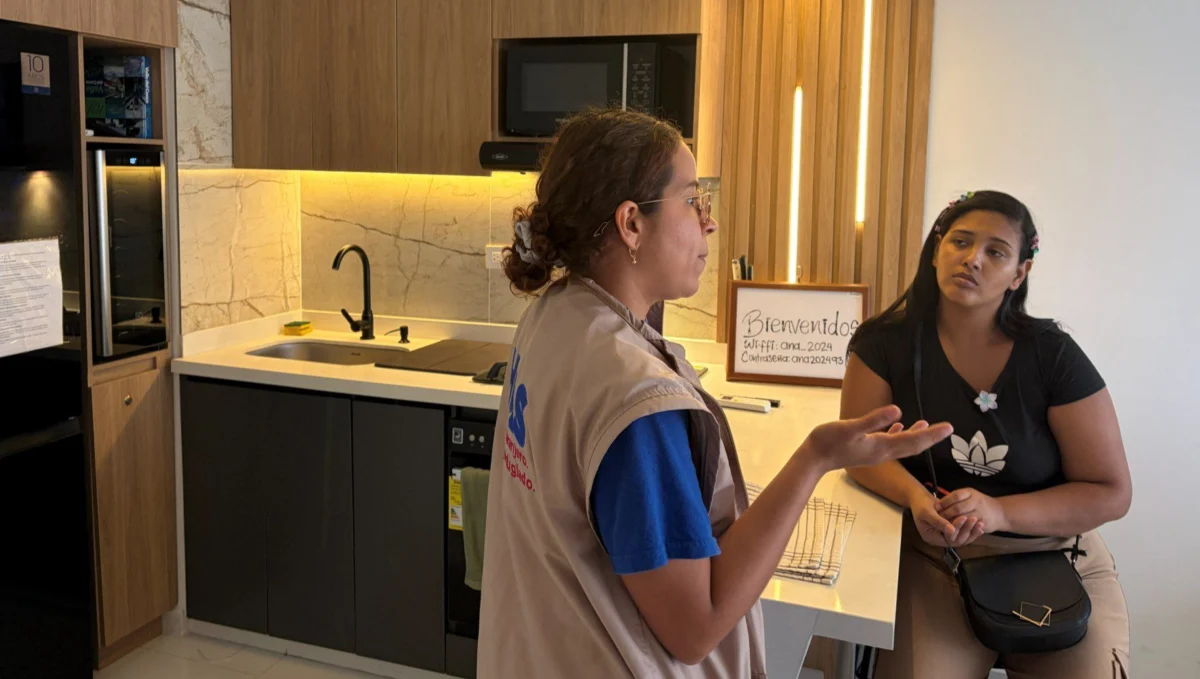
The human cost of these policies is reflected in the rising number of deaths and the deteriorating conditions within detention facilities. According to recent reports, over 50 individuals have died in Immigration and Customs Enforcement (ICE) custody since the start of the administration. Advocacy groups, including HIAS, have documented widespread reports of systemic neglect, lack of access to medical care, and the denial of legal counsel.
The administration’s reliance on "third-country removals" has also introduced a new layer of complexity to the deportation process. Historically, the U.S. rarely utilized third-country deportations, reserving them for highly specific legal scenarios. Today, these removals are employed as a strategic tool to intimidate individuals into abandoning their claims. By threatening to deport asylum seekers to countries where they have no ties—and where they may face secondary persecution—the government has successfully pressured many to waive their right to due process.
The Erosion of Judicial Independence
A critical component of this administration’s approach is the restructuring of the immigration judiciary. Through the dismissal of long-standing judges and the appointment of new jurists who have undergone specialized training, the administration has effectively altered the culture of the immigration courts. Observers note that these new appointments are increasingly focused on the "swift denial" of asylum applications rather than the nuanced evaluation of claims.
Furthermore, the lifting of previous restrictions on ICE enforcement on courthouse property has created a climate of fear. In several instances, immigration courts have seen arrests occur in the immediate vicinity of their premises. This environment has deterred many legitimate asylum seekers from attending their scheduled hearings, resulting in a surge of deportation orders issued in absentia—effectively ending their cases before they can be heard.
Institutional Responses and Legal Challenges
The swift implementation of these policies has triggered a wave of litigation from civil rights organizations and humanitarian groups. HIAS, the world’s oldest refugee agency, has emerged as a central figure in these legal battles. The organization has filed multiple lawsuits challenging the legality of the new rules that eliminate interviews with asylum officers, arguing that these policies violate both domestic statute and international law.
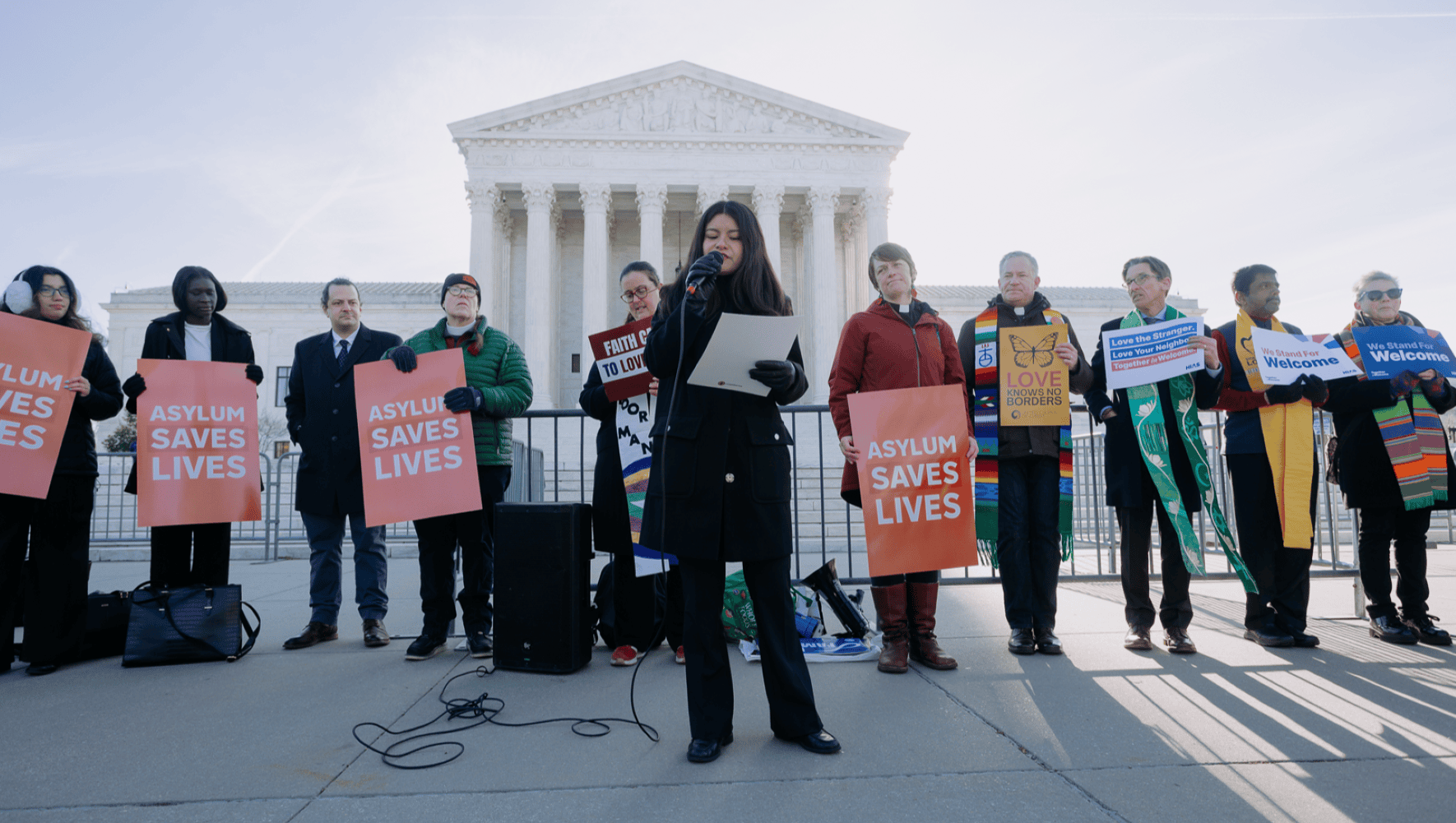
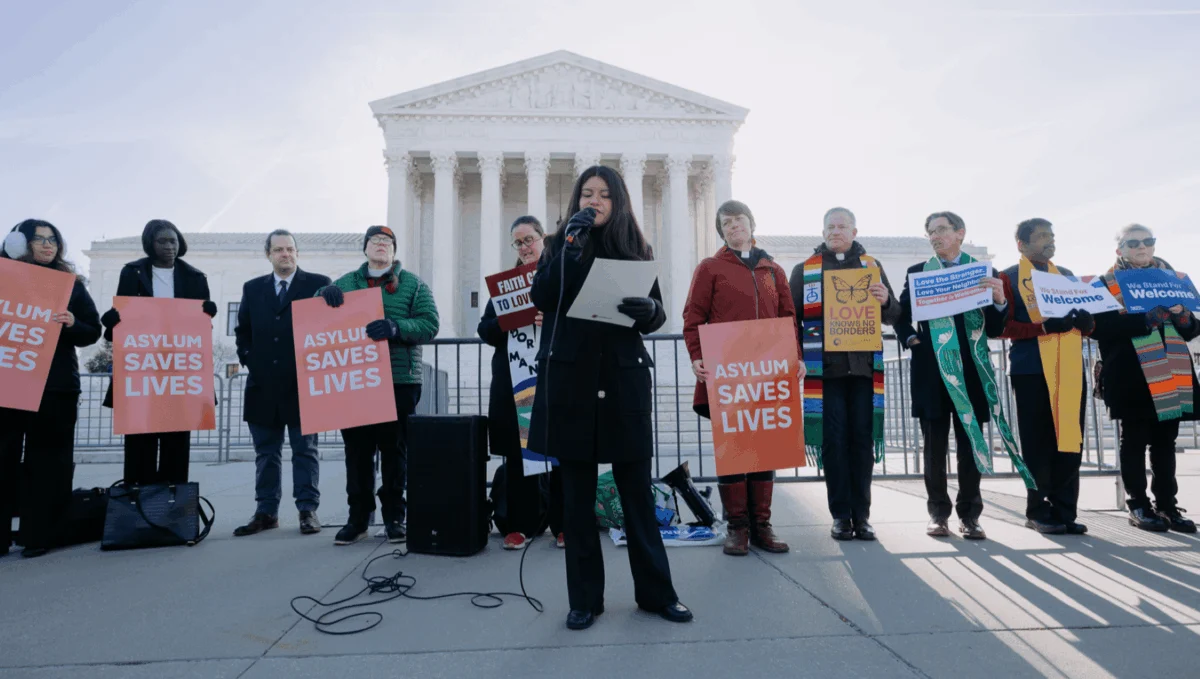
These legal challenges center on the concept of due process. Attorneys representing asylum seekers argue that the government’s push for "efficiency" is being used as a pretext to bypass the mandatory legal safeguards that protect the vulnerable. The Supreme Court’s involvement in cases such as Mullin v. Al Otro Lado has highlighted the growing divide between the administration’s enforcement goals and the judiciary’s role in upholding the statutory right to seek asylum.
Broader Implications for U.S. Immigration Policy
The cumulative effect of these policies is the creation of a "deterrence-by-design" system. By increasing the difficulty of filing an application, imposing financial penalties, and lengthening the duration of detention, the government has created an environment where the process itself serves as a tool for exclusion.
Analysts point to several long-term implications of this strategy:
- Systemic Backlog: While the administration claims these policies will clear the courts, critics argue that the reliance on pretermission and detention creates a volatile cycle of procedural appeals that may actually exacerbate the existing backlog.
- Loss of Global Standing: The U.S. role in the international refugee system has traditionally been that of a leader. By aggressively narrowing the definition of who qualifies for protection, the U.S. risks diminishing its influence in international human rights forums.
- Internal Displacement and Fear: The expansion of interior enforcement and the presence of ICE near sensitive locations have significantly altered the social fabric of immigrant communities, leading to increased isolation and a breakdown of trust in local governance.
Moving Forward: The Role of Advocacy
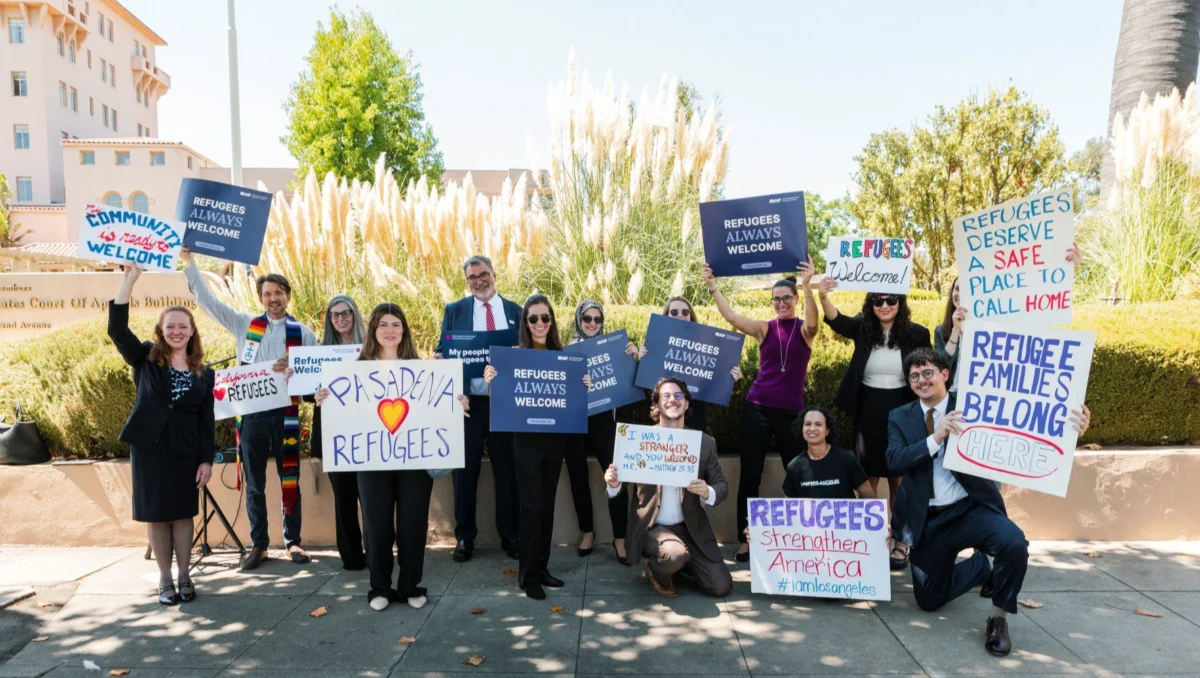
As the legal and political landscape remains in flux, organizations like HIAS continue to mobilize. The focus has shifted toward dual-track advocacy: providing direct legal support to those trapped in the detention system while pursuing long-term legislative and judicial remedies.
The central argument for those opposing these changes remains the preservation of human dignity. Advocates assert that the right to seek asylum is not merely a policy preference but a fundamental human right that transcends political cycles. As the administration continues to push for further restrictions, the battle over the future of the U.S. asylum system is likely to remain at the forefront of American domestic policy for the remainder of the presidential term.
In conclusion, the second Trump administration has fundamentally rewritten the rules of engagement for asylum seekers in the United States. By leveraging administrative authority to bypass traditional judicial checks and employing fiscal and physical barriers to entry, the government has transformed the asylum process into a high-stakes, exclusionary system. The coming years will determine whether these policies become a permanent fixture of U.S. law or if the judicial and legislative branches will intervene to restore the protections that have historically defined the nation’s approach to those fleeing for their lives.