As the 2024 general election campaign enters its critical opening weeks, Age Action, Ireland’s leading advocacy organization for older persons, has issued a formal challenge to all political parties and independent candidates. The organization is calling for an explicit commitment to addressing the systemic needs of older people, upholding the fundamental rights and equality of citizens as they age, and implementing robust strategies to combat ageism within Irish society. With nearly one-third of the anticipated electorate aged 60 or older, the advocacy group warns that a failure to engage with this demographic represents not only a political oversight but a failure to prepare for a looming demographic shift that will redefine the state’s social and economic obligations over the next two decades.
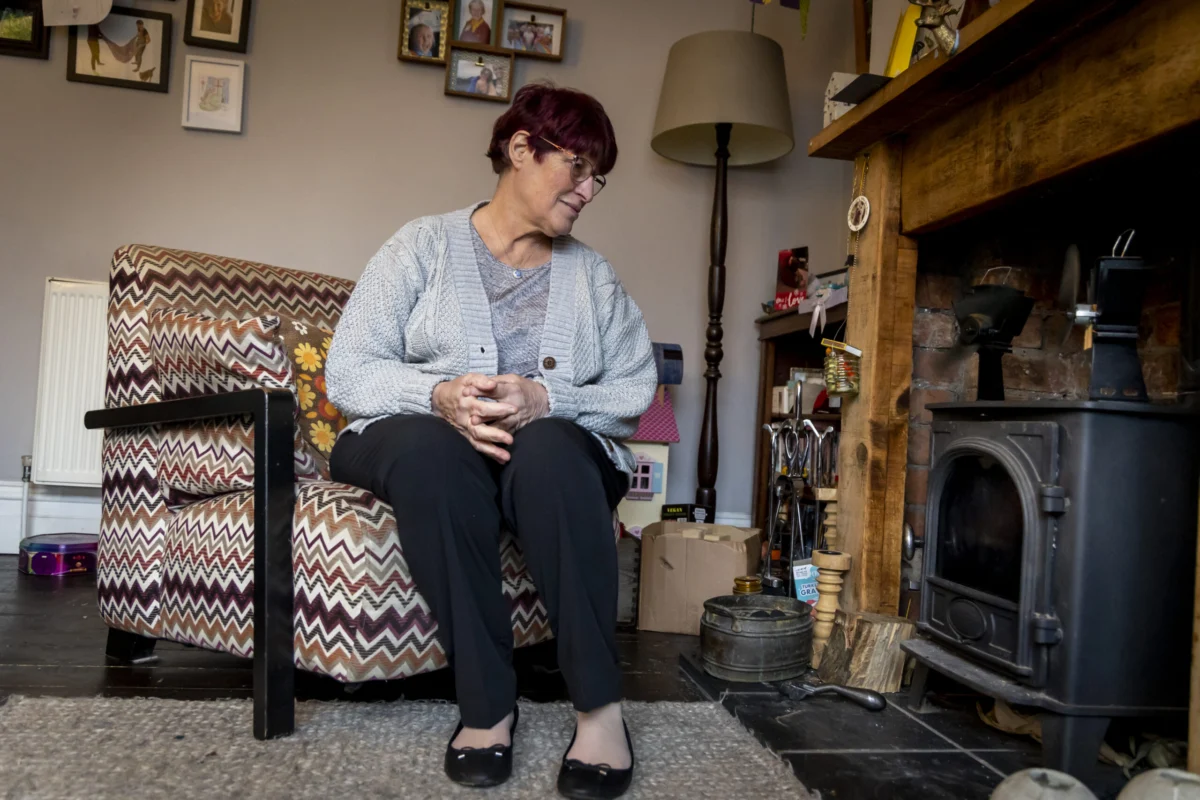
Dr. Nat O’Connor, Senior Policy Adviser at Age Action, has expressed significant concern regarding the current trajectory of political discourse. According to Dr. O’Connor, feedback from older citizens across the country suggests a profound sense of disenfranchisement. Despite their significant voting power, many older people report that they have yet to hear meaningful discussion or substantive policy proposals addressing the specific challenges they face. This sentiment is encapsulated in direct testimony collected by the organization, where individuals have stated that politicians do not take sufficient notice of older people and that a lack of respect for the elderly has become a pervasive issue in public life.
The Demographic Imperative and Long-Term Planning
The scale of the challenge facing the next government is rooted in unavoidable demographic data. Currently, there are over one million people in Ireland aged 60 or older, a cohort that includes approximately 185,000 individuals aged 80 or older. Projections from the Central Statistics Office (CSO) and Age Action indicate that in just twenty years, these numbers will nearly double. This "silver tsunami" will see a dramatic increase in the number of citizens in advanced older age, a stage of life that typically requires more intensive state support in the form of specialized healthcare, social care services, and adapted housing and transport systems.
Age Action argues that the current political landscape is characterized by short-termism. While manifestos often include tokenistic gestures toward the elderly, such as incremental increases in the state pension, there is a perceived lack of long-term structural planning to meet the needs of a population that is aging at one of the fastest rates in Europe. The organization maintains that none of the major political parties have yet presented a cohesive, multi-decadal plan to ensure that the state’s infrastructure—ranging from the health service to the physical layout of towns and cities—is capable of supporting a much older population.
Economic Vulnerability and the State Pension
One of the primary concerns raised by Age Action is the increasing difficulty older people face in making ends meet on the state pension. While the pension is often framed as a "benefit" in political debates, Age Action views it as a fundamental right and a primary tool for poverty prevention. The rising cost of living, particularly in relation to energy costs, groceries, and private healthcare expenses, has eroded the purchasing power of the pension.
The organization is calling for the state pension to be "benchmarked" to a level that ensures a decent standard of living, rather than being subject to the whims of annual budget negotiations. This demand is supported by data suggesting that a significant portion of older people living alone are at a high risk of "hidden poverty," where they may own their homes but lack the liquid income necessary for home repairs, adequate heating, or nutritious food. The advocacy group argues that the next government must move toward a model that provides financial certainty for retirees, allowing them to age with dignity and independence.
The Digital Divide and Access to Public Services
A recurring theme in Age Action’s engagement with the public is the frustration caused by the "digital by default" approach adopted by both the state and the private sector. Older people have reported increasing difficulty in accessing essential services, including banking, utilities, and public health services, without being forced to use online platforms.
This digital exclusion is not merely a matter of convenience; it is a barrier to the exercise of citizenship and rights. According to Age Action, many older people feel "locked out" of society as physical bank branches close and government departments transition to online-only applications for grants and services. The organization is demanding that all political parties commit to maintaining "offline" pathways for all essential services. They argue that while digital innovation is welcome, it must not come at the expense of those who lack the digital literacy, hardware, or desire to conduct their lives entirely through a screen.
Healthcare, Housing, and Transport Infrastructure
The anxieties of older voters are also heavily focused on the state of Ireland’s healthcare and housing systems. In terms of health, the focus remains on the transition from acute hospital care to community-based care. Age Action emphasizes that for people to age at home—which is the stated preference of the vast majority—the state must provide a statutory right to home care. Currently, home care packages are subject to a "postcode lottery," with significant waiting lists in many parts of the country.
In the realm of housing, the organization highlights a lack of "right-sizing" options. Many older people live in large, family-sized homes that are difficult to heat and maintain, yet they remain in them because of a lack of suitable, smaller, age-friendly housing in their local communities. A cohesive housing policy for an aging population would involve building specialized developments that allow older people to remain integrated in their communities while living in energy-efficient, accessible homes.
Transport also remains a critical pillar of independence. While the Free Travel Scheme is a vital asset, its utility is limited in rural areas where public transport options are scarce. Age Action is calling for an expansion of rural transport links and the improvement of physical accessibility at transport hubs to ensure that older people are not isolated by a lack of mobility.
Chronology of Advocacy and the Road to the 2024 Election
The current demands from Age Action are the culmination of several years of intensive advocacy and data collection.
- 2021-2022: Age Action focused heavily on the impact of the COVID-19 pandemic on older people, highlighting the risks of social isolation and the deficiencies in the nursing home sector.
- 2023: The organization launched a series of "listening tours" across Ireland, gathering firsthand accounts of the challenges faced by older people. This data formed the basis of their Pre-Budget Submission for 2024.
- Early 2024: Following the announcement of the election cycle, Age Action synthesized these concerns into "Ten Asks" for the general election, aimed at ensuring that aging policy is a central pillar of any future Program for Government.
- November 2024: With the election campaign in full swing, the organization has shifted to a high-pressure phase, calling on candidates at the doorstep to provide concrete answers on their plans for the aging population.
Analysis of Political and Social Implications
The implications of Age Action’s demands extend beyond the immediate concerns of the elderly. Economists and social scientists point out that a society that is well-prepared for an aging population is generally a more resilient and inclusive society for all. For example, improvements in public transport accessibility benefit parents with strollers and people with disabilities as much as they benefit the elderly. Similarly, a robust home care system reduces the pressure on acute hospital beds, benefiting the entire healthcare system.
However, the political challenge lies in the competition for resources. As parties promise investments in childcare, housing for young professionals, and climate transition, the needs of the elderly are often viewed through a lens of "cost" rather than "investment." Age Action’s strategy is to reframe this narrative, positioning older people not as a burden on the state, but as a powerful, active, and essential segment of the electorate that demands a "rights-based" approach to policy.
From a political strategy perspective, the "grey vote" is historically the most reliable. Older citizens have higher turnout rates than younger cohorts, making their concerns a potential "kingmaker" in tight constituencies. If political parties fail to address the concerns raised by Dr. O’Connor and his colleagues, they risk alienating a massive, motivated voting bloc.
Conclusion and the Ten Asks
Age Action concludes its call to action by reiterating that a new approach to aging policy is required—one that reflects the diversity of the older population. Not all older people are the same; they come from different socioeconomic backgrounds, have different health needs, and possess varying levels of family support. A "one size fits all" approach is no longer sufficient.
The organization’s "Ten Asks" for the 2024 general election serve as a roadmap for the next government. These include:
- Establishing a Commissioner for Older People to protect rights and oversee policy.
- Benchmarking the State Pension to a level that prevents poverty and reflects the true cost of living.
- Enacting a statutory right to home care to support aging in place.
- Ending mandatory retirement to allow those who wish to continue working to do so.
- Implementing a national strategy for digital inclusion to protect "offline" access to services.
- Investing in age-friendly housing and "right-sizing" incentives.
- Expanding and protecting the Free Travel Scheme and rural transport links.
- Combatting ageism through public awareness campaigns and legislative reform.
- Ensuring that climate transition policies do not unfairly penalize older people in older, less efficient homes.
- Creating a long-term, cross-departmental plan for the doubling of the over-80s population by 2044.
As the campaign progresses, the response of the political parties to these ten points will be closely monitored. Dr. Nat O’Connor’s message is clear: older people are watching, they are voting, and they are demanding to be taken seriously as a central part of Ireland’s future, not just its past.