The past two years have marked an unprecedented period of global upheaval, catalyzing a profound and rapid transformation in the fundamental understanding of work, its execution, and its future. Far from a temporary disruption, the pandemic era has initiated a massive, real-time experiment in novel operational models, fundamentally shifting the social contract between employees and employers. This evolving landscape presents both significant challenges and unparalleled opportunities for organizations to reassess, redesign, and implement policies that align with emerging realities, particularly concerning Diversity, Equity, and Inclusion (DEI). This article delves into the critical shifts occurring within workplace processes and policies, exploring their implications and underscoring the imperative for inclusive, data-driven approaches.
The Catalytic Shock of a Global Health Crisis
Prior to 2020, traditional workplace norms, characterized by a predominantly office-centric model, rigid hierarchies, and often unspoken expectations of "presenteeism," were deeply entrenched. While discussions around flexible work had begun, their implementation was often ad hoc, inconsistent, and frequently subject to bias. The sudden onset of the COVID-19 pandemic in early 2020, however, forced an abrupt and largely unplanned migration to remote work for millions globally. This immediate operational pivot, initially a crisis response, quickly unveiled the viability of distributed work models previously thought impractical for many industries. As the initial shock subsided, a broader re-evaluation of the status quo began, revealing the inherent inefficiencies and inequities embedded within outdated workplace structures. The pandemic acted as a powerful accelerant, bringing into sharp focus where existing processes and policies were no longer fit for purpose.
A Reimagined Social Contract: Employees Demand More
The rapid shift to remote operations, coupled with heightened awareness of health, well-being, and work-life balance during prolonged lockdowns, fundamentally altered employee expectations. Workers, having experienced a different way of operating, now exhibit a significantly lower tolerance for a host of pre-pandemic norms. These include, but are not limited to:
- Workplace Presenteeism: The expectation of being physically present in the office, regardless of productivity, has been widely challenged.
- Long Office Commutes: The daily grind of travel to and from a physical office, often consuming hours, is now viewed as an avoidable burden.
- Formal Clothing Codes: The necessity for strict corporate attire has diminished, reflecting a desire for greater comfort and authenticity.
- Poor Working Conditions: Greater scrutiny is being applied to ergonomic setups, office environments, and general workplace safety.
- Unfair Compensation and Abuse: Increased awareness and digital connectivity have empowered employees to demand equitable pay and stand against various forms of workplace misconduct.
- False Belief in Meritocracy: The pandemic exposed systemic biases and inequalities, prompting a deeper questioning of meritocratic ideals that often mask underlying discrimination.
- Low Control Over Work: Employees are seeking greater autonomy over their schedules, tasks, and work environment.
- Always-On Availability Expectations: The blurring of work-life boundaries in a remote setting has led to calls for clearer delineations and respect for personal time.
- Excessive Business Travel: The necessity and frequency of business travel are being re-evaluated in light of virtual alternatives and environmental concerns.
- Feelings of Isolation and Lack of Well-being: The collective experience highlighted the critical importance of mental health support and psychological safety in the workplace.
- Gender Inequality in Family Care: The disproportionate burden on women for family care, exacerbated by lockdowns, amplified the need for equitable parental leave and flexible work options.
This comprehensive re-evaluation signals a fundamental power shift, with employees increasingly asserting their preferences and values, often willing to seek opportunities elsewhere if their needs are not met. The "Great Resignation" phenomenon, observed globally since mid-2021, underscores this shift, with millions voluntarily leaving their jobs in pursuit of better working conditions, greater flexibility, and stronger alignment with personal purpose.
The Pivotal Policy Shift: The ‘Where’ and ‘How’ of Work
Central to the ongoing transformation is the question of work location and methodology. Organizations are now compelled to formalize and clearly communicate their policies regarding where and how work happens, moving away from ad hoc arrangements that often bred inconsistency and bias.
Work Location: The Remote and Hybrid Revolution
The most significant policy shift revolves around remote and hybrid work models. Data consistently indicates a strong, sustained desire among various employee demographics to continue working remotely, at least for part of the week. In the U.S., for instance, remote work is projected to continue for at least one day a week for a significant portion of the workforce. Crucially, the desire for flexible work is particularly pronounced among women, working parents, and employees of color, groups who have often reported improved employee experience scores and a better work-life balance while working remotely.
This demographic preference carries profound social and economic ramifications. Increased flexibility can lead to greater employee diversity by expanding talent pools beyond geographical constraints, fostering a better work-life balance, and potentially reducing inequalities that historically penalized certain groups for needing flexibility. For example, pre-pandemic research revealed that remote work options were disproportionately utilized by senior males, while working mothers often faced stigma when requesting such arrangements, and junior staff felt unable to ask for fear of appearing less committed. The pandemic, by normalizing remote work, has provided a critical opportunity to rectify these historical imbalances.
However, the scale of employee expectation is substantial. Estimates suggest that as many as two-thirds of workers expect more than one day a week of remote work and are prepared to resign if such flexibility is not a core offering. This places immense pressure on organizations to not just offer remote work, but to embed it as a norm, designing inclusive policies rather than reverting to pre-pandemic rigidity.
Beyond Location: A Holistic Policy Overhaul
While work location garners significant attention, the pandemic’s impact on policies extends far beyond physical presence. Organizations are now reviewing:
- Work Schedules and Hours: Moving away from rigid 9-to-5 structures towards asynchronous work, compressed workweeks, and greater autonomy over daily schedules.
- Performance Management: Shifting focus from hours spent in the office to demonstrable outcomes and impact, necessitating new metrics and evaluation methods.
- Communication and Collaboration Tools: Investing in and standardizing digital tools that facilitate seamless interaction across distributed teams, ensuring equitable access and proficiency.
- Compensation and Benefits: Re-evaluating pay structures for remote workers, addressing location-based pay disparities, and enhancing benefits related to mental health, well-being, and home office setups.
- Learning and Development: Adapting training programs for remote delivery and focusing on skills essential for effective hybrid collaboration, digital literacy, and empathetic leadership.
- Inclusion and Psychological Safety: Developing explicit policies and training to foster inclusive virtual environments, combat isolation, and ensure psychological safety for all employees, regardless of their work location. This includes addressing issues like microaggressions in virtual meetings and ensuring equitable access to opportunities for connection and advancement.
The Imperative of Co-Creation and Agility
A critical lesson emerging from this period is that the process of policy creation is as vital as the policy itself. A top-down, isolationist approach risks generating policies that are ill-suited to employee needs, leading to low adoption rates, discontent, and potentially exacerbating existing inequalities. Alarmingly, multi-country surveys of knowledge workers have revealed that a significant majority of executives (around 66%) are designing post-pandemic workforce policies with little to no direct input from their employees. This disconnect is further highlighted by a substantial gap in perception: while 66% of executives believe they are being "very transparent" about new policies, only 42% of workers agree.
Such a top-down approach is inherently flawed, missing the opportunity to leverage the collective intelligence and diverse perspectives of the workforce. It risks alienating employees, fostering distrust, and creating policies that fail to address the nuanced realities of different roles, teams, and individual circumstances.
The collective call to action for organizations is clear: policies must be continuously assessed for their fit with current and future operational needs. This necessitates a strategic shift towards:
- Data-Driven Assessment: Utilizing both quantitative data (e.g., productivity metrics, engagement surveys) and qualitative input (e.g., focus groups, employee interviews) to understand current employee experiences and preferences.
- Inclusive Co-creation: Actively engaging employees from all levels, demographics, and functions in the design process. This democratic approach ensures policies are truly fit for purpose, garner broad acceptance, and inherently integrate diverse perspectives and behavioral insights.
- Agile Experimentation: Implementing new policies with a mindset of continuous learning and iteration. This involves piloting initiatives, gathering feedback, and making rapid adjustments, rather than deploying static, rigid rules. This agile approach allows organizations to adapt swiftly to evolving employee needs and market dynamics.
Implications for Diversity, Equity, and Inclusion (DEI)
The transformations in process and policy have profound implications for DEI initiatives. While the shift to flexible work offers immense potential to enhance diversity, it also presents new challenges:
- Expanded Talent Pools: Remote and hybrid models can significantly broaden the geographical reach for talent acquisition, allowing organizations to tap into more diverse pools of candidates who might not be able to relocate or commute to a central office. This is particularly beneficial for individuals with caregiving responsibilities, disabilities, or those living in areas with limited job opportunities.
- Enhanced Equity: By standardizing flexible work as a norm, organizations can reduce the bias and stigma historically associated with requests for flexibility, creating a more equitable playing field for all employees, especially women and working parents.
- Improved Well-being and Retention: Greater autonomy and work-life balance contribute to improved employee well-being, which is crucial for retaining diverse talent, particularly those from marginalized groups who often face additional stressors.
- Potential for Exclusion: If not managed carefully, hybrid models could inadvertently create a "two-tier" system where in-office employees receive more visibility, mentorship, and opportunities for advancement than their remote counterparts. This could disproportionately affect underrepresented groups who may rely more heavily on remote work.
- Digital Divide: Ensuring equitable access to reliable internet, suitable home office environments, and digital literacy training is crucial to prevent a new form of exclusion based on technological access.
- Inclusive Leadership: The new work models demand a shift in leadership styles, emphasizing empathy, clear communication, psychological safety, and intentional efforts to include remote team members in informal interactions and decision-making processes.
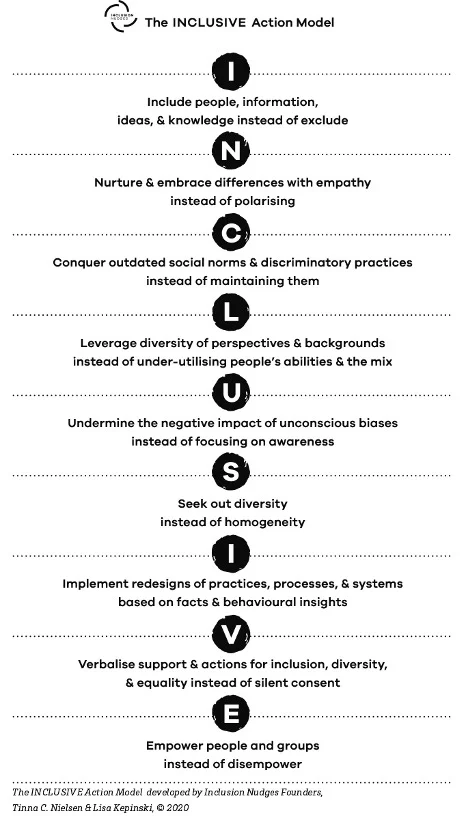
Organizations committed to DEI must proactively design policies that mitigate these risks while maximizing the opportunities. This means implementing "inclusion nudges" – subtle behavioral interventions – such as making flexible working the default, revealing gaps in flexible working uptake across demographics, and ensuring that all jobs are considered at least 80% flexible by default, as advocated by experts in behavioral design for inclusion.
Challenges and the Path Forward
Navigating this new era is not without its challenges. Organizations grapple with:
- Maintaining Culture and Connection: Fostering a cohesive and inclusive culture across distributed teams requires intentional effort and innovative strategies.
- Leadership Development: Equipping managers with the skills to lead hybrid teams effectively, manage performance by outcomes, and foster psychological safety is critical.
- Technological Infrastructure: Investing in robust, secure, and user-friendly technology to support seamless remote and hybrid work.
- Legal and Regulatory Compliance: Adapting to varying labor laws, tax implications, and data privacy regulations across different geographies as workforces become more distributed.
The pandemic-era shifts underscore that the transformation of work is an ongoing journey, not a destination. Organizations that embrace this fluidity, prioritize employee well-being, and commit to inclusive, data-driven policy design will be best positioned to thrive. The imperative is to move beyond simply reacting to changes and instead proactively sculpt a future of work that is more equitable, flexible, and sustainable for all. This demands continuous reflection, courageous experimentation, and an unwavering commitment to placing people at the heart of every process and policy decision.
Expert Insights and Resources
The comprehensive analysis of these emerging trends, including discussions on ‘Purpose,’ ‘People,’ and ‘Polarisation & Activism,’ highlights the interconnected nature of these shifts. Organizations seeking to navigate this complex landscape can benefit from advisory consulting, coaching, and expert guidance to integrate behavioral insights into their DEI strategies. Resources such as "Inclusion Nudges" offer practical tools and frameworks, like "Reveal Gaps in Flexible Working to Increase Use by All" and "Flexible Working as the Default & Norm," to support organizations in embedding inclusive practices within their new work models. The current moment is a unique opportunity to fundamentally reset and build healthier, more inclusive workplaces based on norms that truly fit our current and future realities.