Montgomery, Alabama – The Equal Justice Initiative (EJI) formally dedicated its newest Legacy Site, Montgomery Square, earlier this month, drawing more than 300 attendees to a ceremony that underscored the enduring power of historical memory and the ongoing pursuit of justice. Situated in downtown Montgomery, adjacent to the Elevation Convening Center and Hotel, the new site is specifically designed to commemorate the "Montgomery Decade That Changed the World," a pivotal period from 1955 to 1965 when the extraordinary courage and determination of Black residents in Montgomery ignited a movement that fundamentally reshaped the United States and influenced global civil rights struggles. The dedication served not only as a remembrance of past sacrifices but also as a powerful call to action for contemporary challenges to historical truth and equality.
A Beacon of Remembrance and Education
The dedication ceremony was a poignant convergence of history, community, and forward-looking vision. Speakers emphasized Montgomery Square’s role as a vital educational resource, building upon EJI’s established network of Legacy Sites, which include the National Memorial for Peace and Justice and the Legacy Museum. These institutions collectively work to confront America’s history of racial injustice, from slavery and lynching to mass incarceration. Montgomery Square, in particular, aims to illuminate the specific events and figures in Montgomery that propelled the Civil Rights Movement into national prominence.
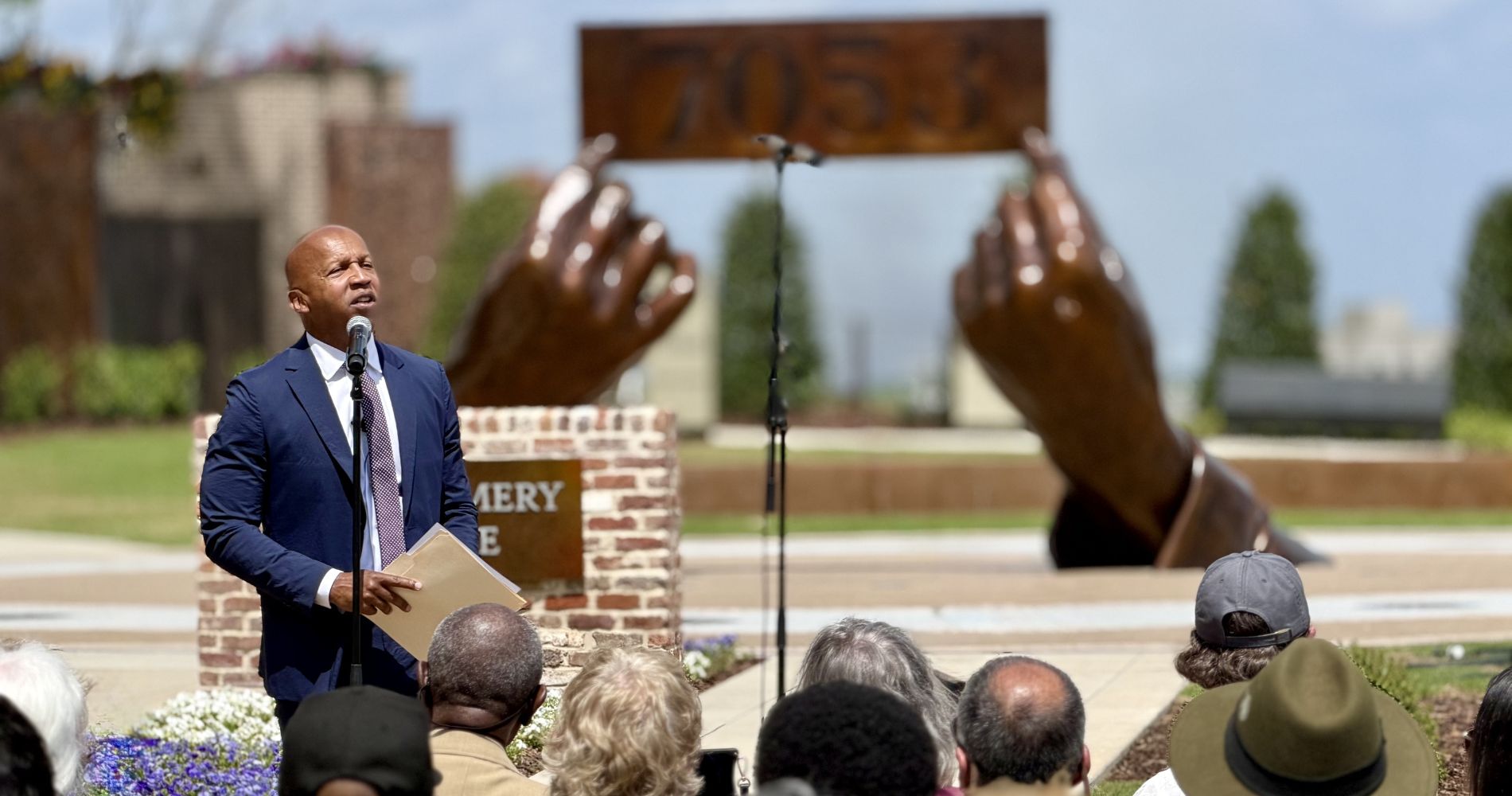
Bryan Stevenson, EJI’s founder and executive director, articulated the site’s profound purpose. He detailed the systemic racial violence and degradation that characterized life for Black residents in Montgomery leading up to the transformative decade. Stevenson cited instances of police brutality against Black women in the 1940s and the unpunished killings of Hilliard Brooks and two other Black men on city buses in the 1950s. These incidents painted a stark picture of a society where injustice was not only prevalent but also largely unaddressed, setting the stage for the collective outrage and organized resistance that would soon erupt.
The Spark of a Movement: The Montgomery Bus Boycott
The narrative at Montgomery Square begins with the everyday humiliation and violence endured on segregated public transportation. By 1955, the Black community in Montgomery had reached a breaking point. Stevenson recounted the pivotal moments: the arrest of 15-year-old Claudette Colvin in March 1955 for refusing to surrender her bus seat, followed by similar acts of defiance by other Black women. These acts of resistance, though initially isolated, reflected a growing resolve.
The defining moment arrived on December 1, 1955, when Rosa Parks, deeply affected by the brutal murder of 14-year-old Emmett Till in Mississippi just months prior, refused to give up her seat. Her arrest, Stevenson explained, galvanized the community in an unprecedented way. Unlike previous attempts at organized resistance, the Montgomery Bus Boycott, lasting an astonishing 382 days, proved successful. Led by figures like Dr. Martin Luther King Jr., the boycott demonstrated the immense power of nonviolent civil disobedience and fundamentally shifted the landscape of racial activism. It culminated in the Supreme Court ruling in Browder v. Gayle in November 1956, which declared bus segregation unconstitutional. This victory not only desegregated Montgomery’s buses but also provided a crucial blueprint and moral impetus for the broader Civil Rights Movement.
The Road to Selma and Voting Rights
The decade that followed the bus boycott saw a sustained surge of activism, characterized by sit-ins, swim-ins, freedom rides, and countless nonviolent demonstrations across the South. By 1965, the focus had sharpened on securing voting rights, a fundamental pillar of democratic participation that had been systematically denied to Black Americans for generations. Stevenson highlighted the stark realities of voter suppression in Alabama: in Lowndes and Wilcox counties, virtually no Black people were registered to vote, while in Dallas County, only 2% of eligible Black voters were registered. Even in Montgomery, a hub of activism, only 17% of eligible Black voters were allowed to cast ballots.
This systemic disenfranchisement led to the historic Selma to Montgomery marches. On March 7, 1965, a peaceful march for voting rights was brutally attacked by state troopers and local law enforcement on the Edmund Pettus Bridge, an event now infamous as "Bloody Sunday." Despite the violence, activists, undeterred, pressed on, eventually completing the 54-mile journey to Montgomery, marching down the very streets that border Montgomery Square. Just months after Dr. King famously declared at the Capitol that "it would not be long" before voting rights were secured, President Lyndon B. Johnson signed the Voting Rights Act of 1965 into law. This landmark legislation, a direct result of the relentless activism and sacrifices made during this decade, fundamentally transformed American democracy, making it more just and committed to equality for all its citizens.
Honoring the Architects of Change
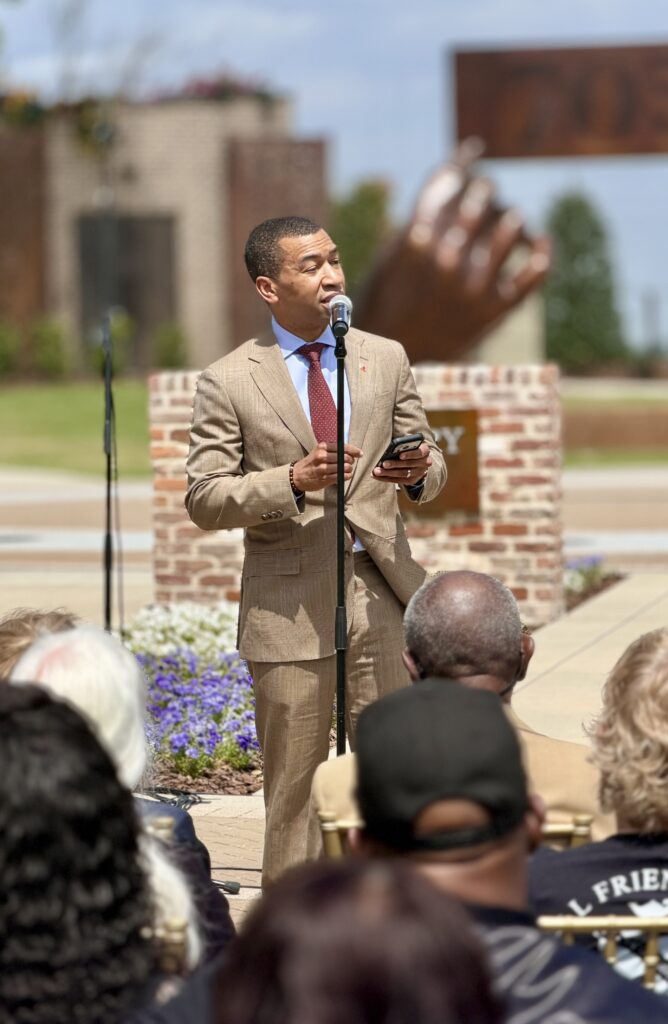
The dedication ceremony itself was infused with expressions of gratitude and solidarity. Montgomery Mayor Steven Reed, the city’s first Black mayor, spoke movingly about the legacy he inherited. "I wouldn’t be here without all of the people who helped change this city," Mr. Reed acknowledged, his words resonating with the historical significance of his position. He praised EJI for its role in transforming Montgomery into a globally recognized center for learning about America’s racial history and its enduring legacy. The Mayor’s presence and remarks underscored the city’s official recognition and embrace of its complex past, a significant evolution from its history of resistance to civil rights.
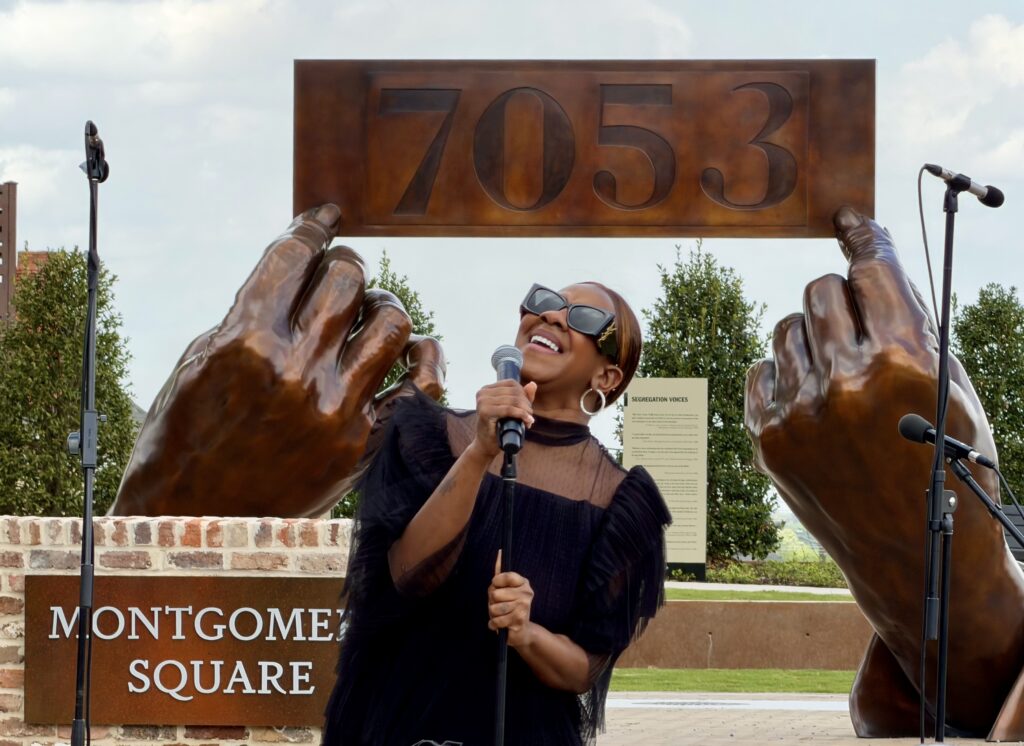
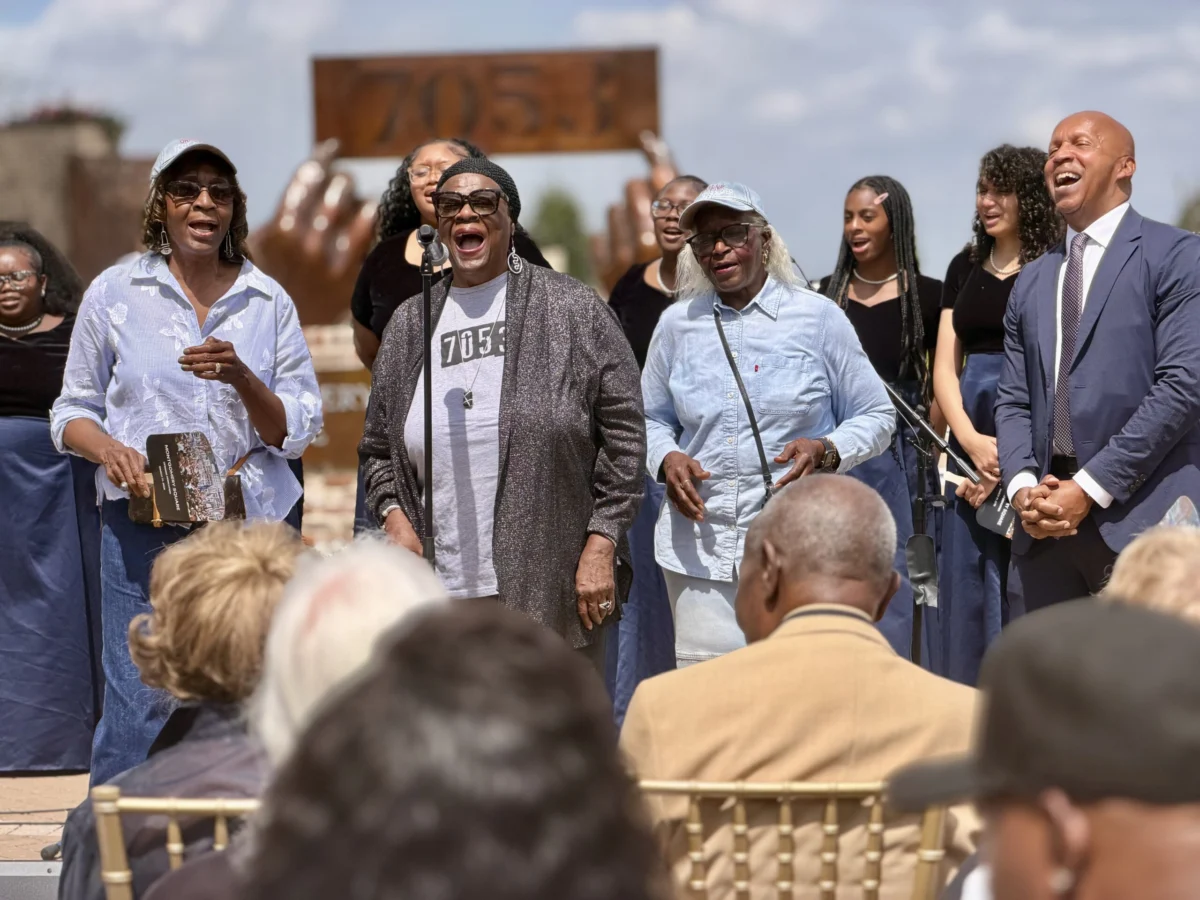
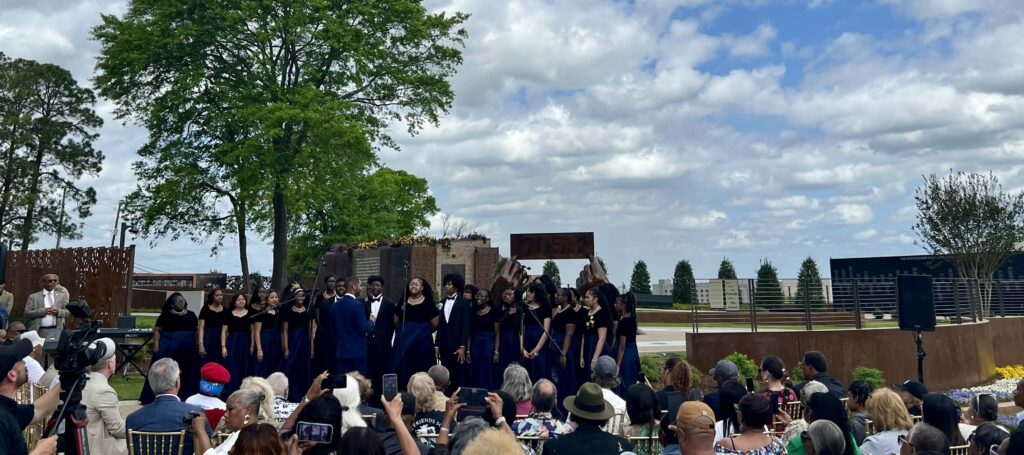
The event also celebrated the next generation of leaders and artists. The choir from Booker T. Washington Magnet High School, under the direction of award-winning Choir Director Milton Williams, delivered a powerful performance, symbolizing the continuity of the struggle and the importance of educating youth about this history. Later in the program, Grammy and Stellar Award-winning gospel artist Le’Andria Johnson brought the audience to its feet, leading a spirited rendition of "We Shall Overcome," a timeless anthem of the Civil Rights Movement, connecting past and present struggles through song.
The Montgomery Memory Project: Preserving Voices
A significant announcement made by Bryan Stevenson during the dedication was the launch of the Montgomery Memory Project (MMP). This ambitious initiative aims to record video interviews with community members who lived in the Montgomery area between 1955 and 1965 and possess personal memories of this transformative period. The project seeks to capture firsthand accounts, ensuring that the voices and experiences of those who lived through and shaped this history are preserved for future generations.
Stevenson noted that several esteemed Montgomery residents have already shared their stories, with excerpts featured on the Montgomery Square website. Many of these contributors attended the dedication, where they were publicly acknowledged and thanked for their invaluable contributions. EJI has extended an open invitation for anyone who lived through the "Montgomery Decade That Changed the World" to participate in the MMP, providing contact information (334-269-1803 or [email protected]) to facilitate their involvement. This project serves as a crucial component of EJI’s mission to center the experiences of those directly impacted by racial injustice and to provide a nuanced, human-centered understanding of history.
A Call to Action: Resisting Historical Erasure
Beyond commemoration, Stevenson used the occasion to issue a strong call to action, emphasizing that the work of justice is far from complete. He asserted that Montgomery Square honors "the spirit, the lives, the courage, and the tenacity of all the Black people in this community who, together, changed our nation." However, he also delivered a resolute message: "We’ve also come here today… to say to America that we’ve come too far to turn around now."
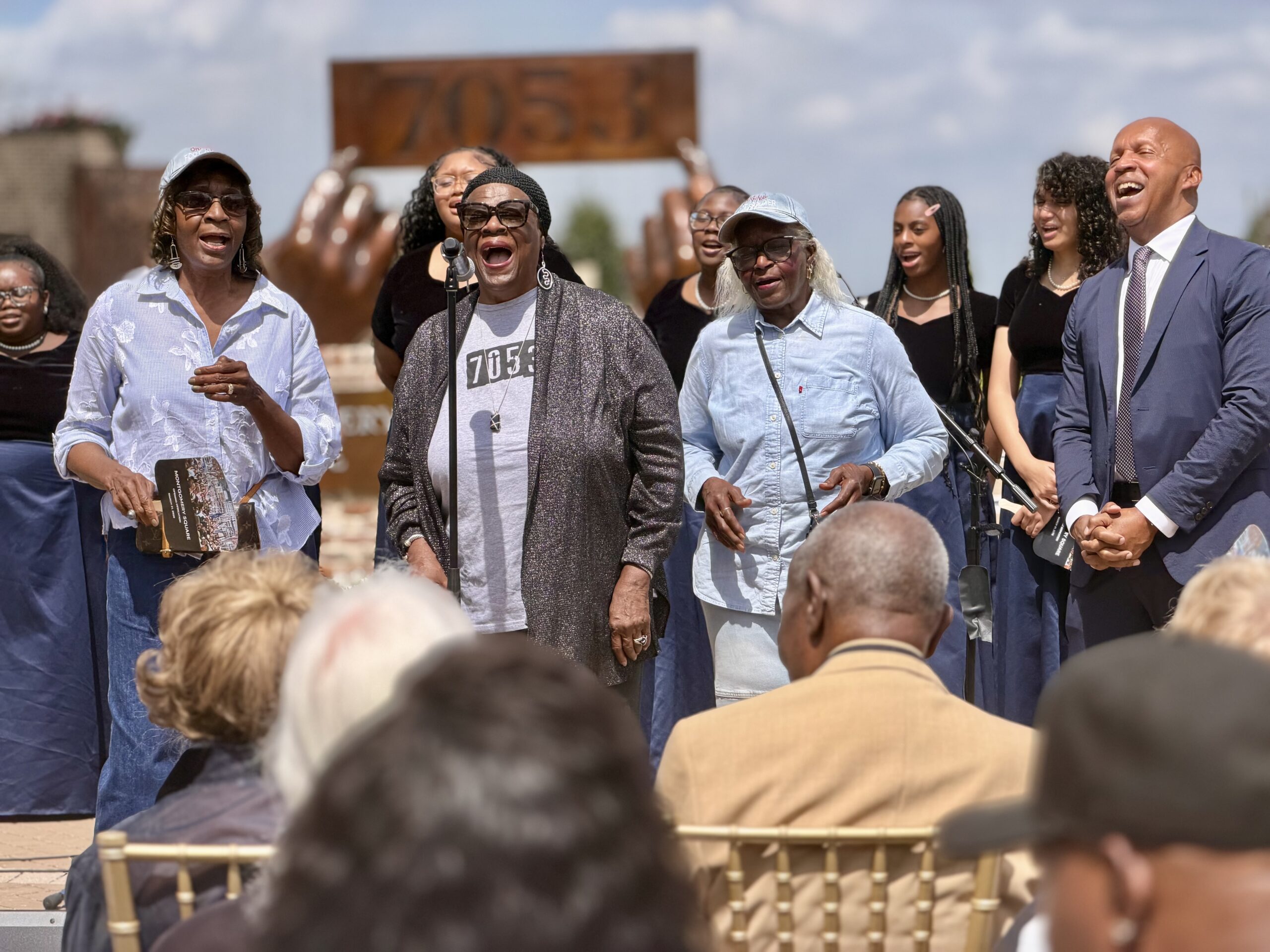
Stevenson’s remarks directly addressed contemporary challenges, including efforts to ban books and erase critical aspects of American history. He declared that Montgomery, having become a leader in educating people about the legacy of slavery and racial injustice, must once again be the community that says "no" to such attempts at historical revisionism. His words underscored EJI’s broader commitment not only to documenting history but also to leveraging that history to inform and inspire ongoing efforts for social justice. The program concluded with a powerful collective moment as Stevenson, joined by the BTW choir, Dr. Jeanette Howard-Moore, Ms. Margaret Howard (courageous "foot soldiers" from Selma), and Dr. Viola Bradford, led everyone in a freedom song, "Ain’t Gonna Let Nobody Turn Me ‘Round," symbolizing the enduring resolve to continue the fight for equality and truth.
The Enduring Impact of Montgomery Square
The establishment of Montgomery Square represents a significant expansion of EJI’s educational and memorialization efforts. By providing a dedicated space to explore the pivotal "Montgomery Decade," the site contributes to a more comprehensive understanding of the Civil Rights Movement’s origins and its profound impact. It serves as a physical reminder of the power of collective action, the sacrifices made, and the enduring struggle for human dignity and civil rights.
In an era where debates over historical truth and national identity are increasingly contentious, sites like Montgomery Square play a critical role. They offer tangible connections to the past, providing context for understanding present-day inequalities and inspiring future generations to advocate for a more just and equitable society. As visitors walk through Montgomery Square, they are invited not merely to observe history but to reflect on its lessons and consider their own role in upholding the principles of justice and equality that were so bravely fought for in this very city. The dedication of Montgomery Square is not just the opening of a new museum; it is the reaffirmation of a commitment to truth, remembrance, and the unwavering pursuit of justice.