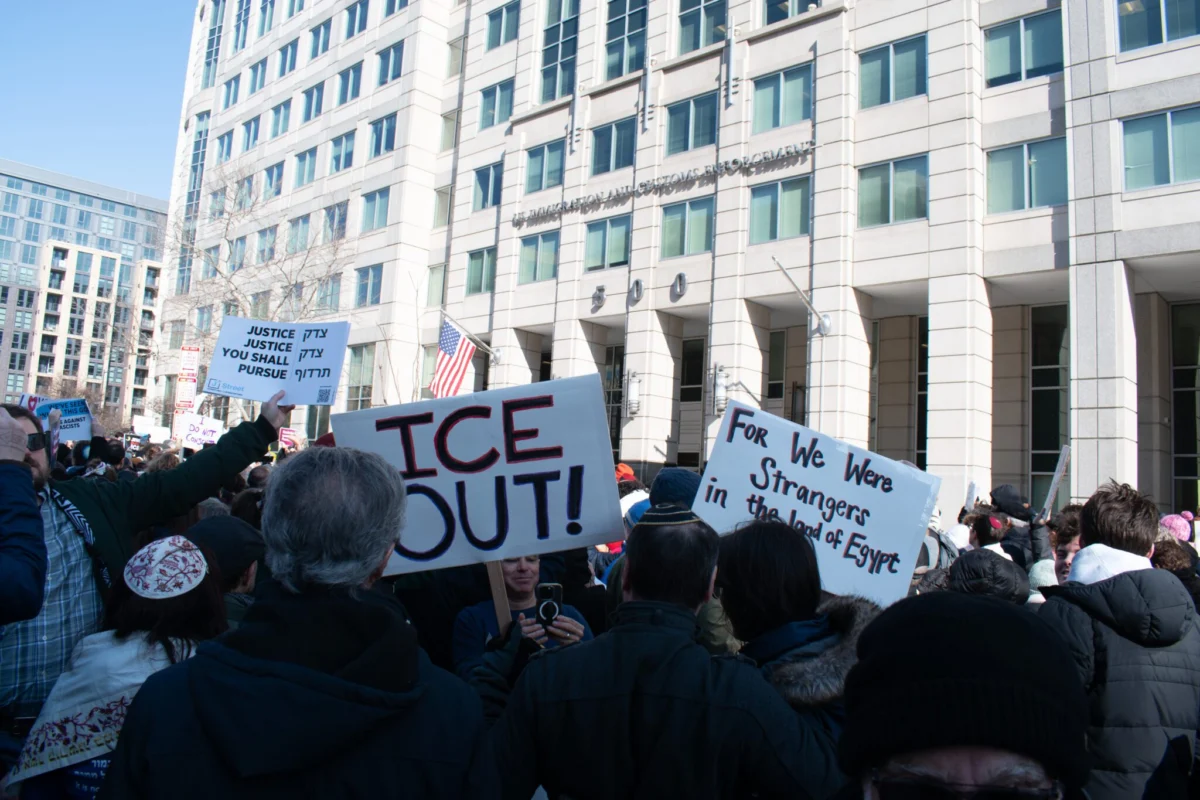
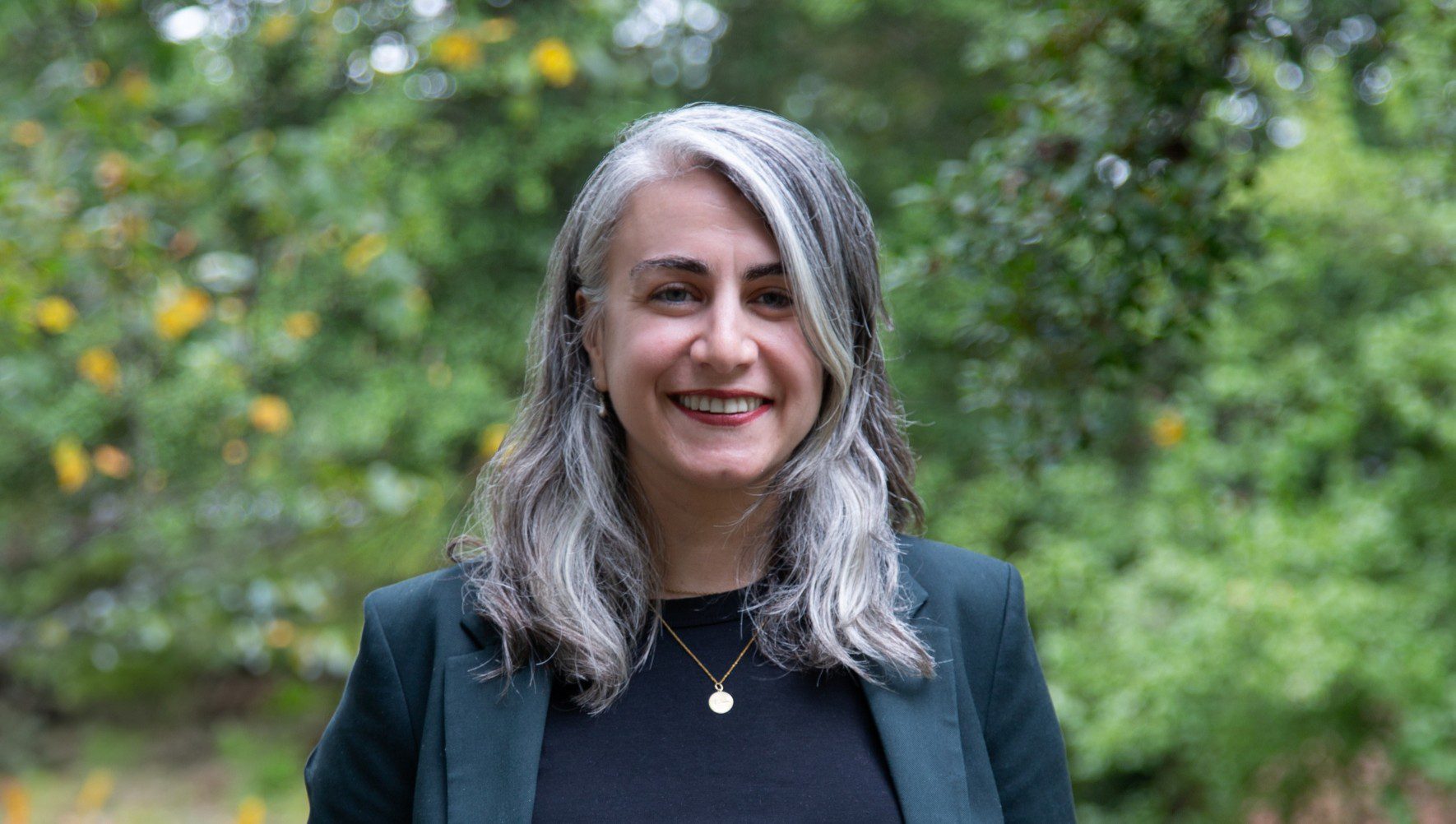
April 14, 2026 – Dr. Beth Oppenheim, the current CEO of HIAS, a global Jewish humanitarian organization, shared a deeply personal account of her family’s history to underscore the enduring importance of providing refuge for those fleeing persecution. Speaking on the eve of Yom HaShoah, the annual day of remembrance for the victims of the Holocaust, Oppenheim revealed how her own existence is a testament to the critical role HIAS played in facilitating her grandfather’s escape from Nazi Germany. Her narrative, interwoven with historical context and contemporary data on displacement, serves as a powerful call to action, emphasizing that the work of ensuring open doors for refugees is not merely an act of charity, but a vital imperative rooted in historical lessons and ongoing humanitarian needs.
A Personal Connection to the Past
Oppenheim’s grandfather, a university student in neutral Switzerland when World War II erupted, made the courageous decision to return to Germany to rescue his parents. This act of filial devotion, she recounted, led to their arrest and imprisonment. While the precise details of their eventual escape remain unknown to her, she confirmed that the family navigated through France and Spain before reaching Portugal. It was in Portugal, in the summer of 1941, that HIAS issued her grandfather the exit visa that ultimately allowed them to seek safety and begin anew. This foundational act of assistance, Oppenheim stated, directly led to her own birth and continues to shape her perspective as the leader of HIAS.
"I owe my very existence to HIAS," Oppenheim declared, carrying this profound personal connection into her leadership role. This ancestral story, she explained, was not readily shared by her grandfather, a common characteristic among survivors who often carried the trauma of their experiences in silence. He passed away when Oppenheim was just eleven years old. It was only years later, after his death, that her father discovered a box containing old photographs and a letter written in German. Though Oppenheim could not decipher the letter at the time, she recognized the names of European cities and a significant acronym: HIAS. The full weight of this discovery, and the intricate story it represented, only became clear when the letter was translated a quarter-century later.
The realization that HIAS had been instrumental in her family’s journey to find welcome in the United States solidified Oppenheim’s commitment to humanitarian work. This early understanding, even before she could read the letter, informed her career path. "When I started my career, I knew that I, too, wanted to help refugees find lasting safety for themselves and the generations after them," she stated. "And I only knew one organization in that space. HIAS."
Yom HaShoah: Remembering Resilience and Responsibility
The observance of Yom HaShoah, Oppenheim emphasized, calls for more than just mourning. It is a moment to reflect on the historical resilience of the Jewish people, acknowledging not only the immense suffering endured but also the acts of courage, the presence of helpers, and the narrow paths that led to safety. It serves as a potent reminder that futures of sanctuary were not accidental but were forged through the deliberate actions of individuals and organizations committed to making a difference.
"As the people who survived the Holocaust pass away, we are the ones entrusted with these stories," Oppenheim asserted. "We are the ones who must heed the lesson: that sanctuary was never accidental. It was the result of deliberate acts of courage – by individuals, and by organizations willing to stand in the breach."
HIAS, she noted, has been a consistent force for good for over 120 years, assisting not only Jewish refugees but also individuals of all backgrounds seeking safety. The organization has historically served as a crucial stepping stone and a beacon of hope for countless individuals and families displaced by conflict, persecution, and natural disaster.
The Contemporary Urgency of Refugee Assistance
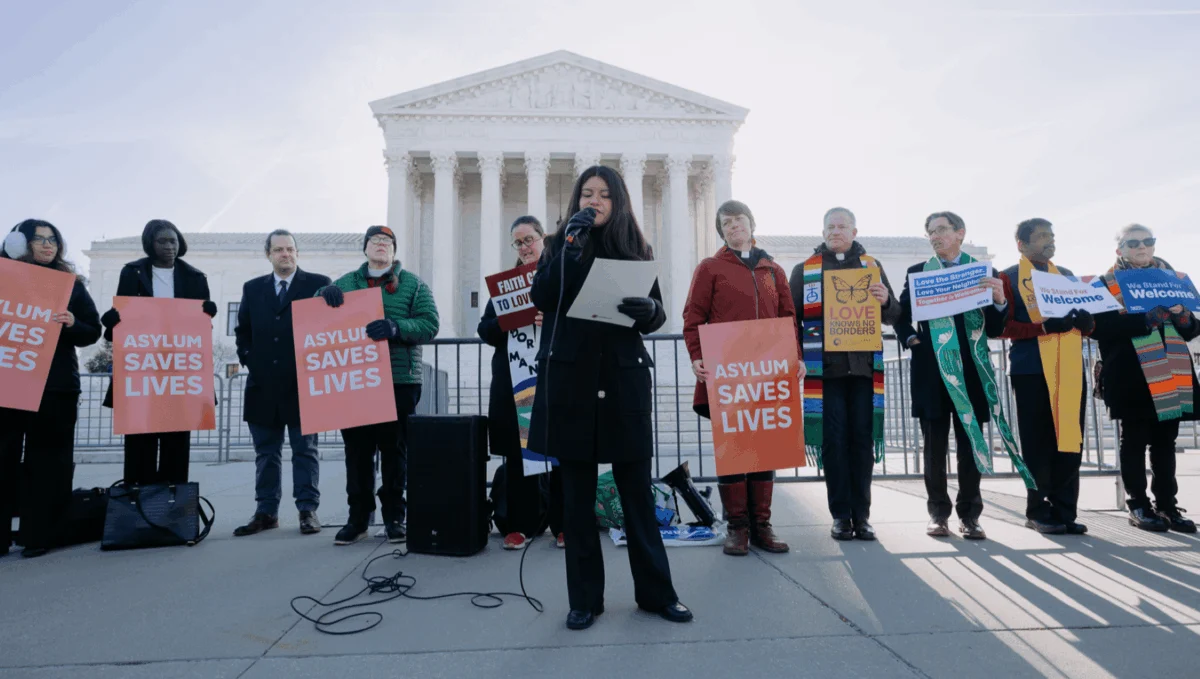
Oppenheim’s reflections on her family history are inextricably linked to the current global landscape of displacement, a landscape she describes as increasingly challenging. "Today, as our country grows more hostile to those seeking safety, that work is more urgent than ever. It is sacred," she declared. This sentiment reflects a growing trend in international relations where the welcoming of refugees faces significant political and social headwinds in many nations.
Supporting Data: The Global Refugee Crisis
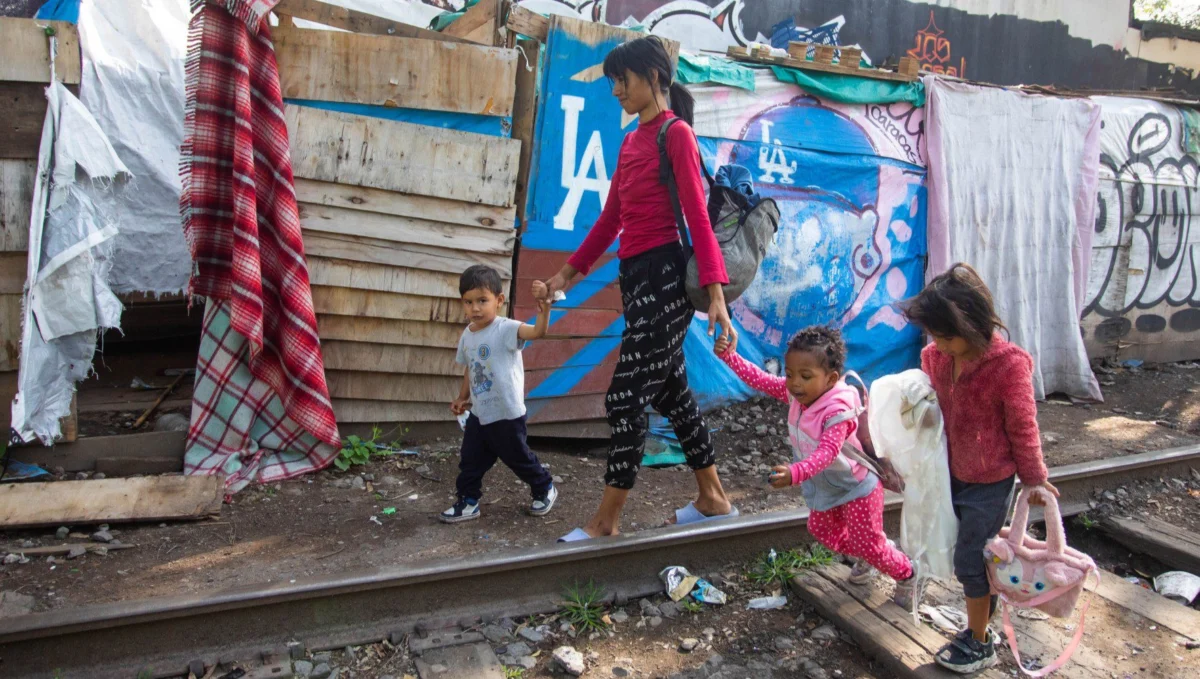
The urgency of Oppenheim’s message is amplified by alarming global statistics. According to the United Nations High Commissioner for Refugees (UNHCR), the number of forcibly displaced people worldwide has reached unprecedented levels. As of the end of 2023, an estimated 110 million individuals were forcibly displaced due to persecution, conflict, violence, human rights violations, and events seriously disturbing public order. This figure represents a stark increase from previous years, driven by escalating conflicts in regions such as Ukraine, Sudan, and Myanmar, as well as protracted crises in Syria and Afghanistan.
- Key Displacement Drivers: The primary drivers of forced displacement include:
- Conflict and Violence: Ongoing wars and civil unrest in numerous countries force millions to flee their homes.
- Persecution: Individuals targeted for their ethnicity, religion, nationality, political opinion, or membership in a particular social group remain a significant category of refugees.
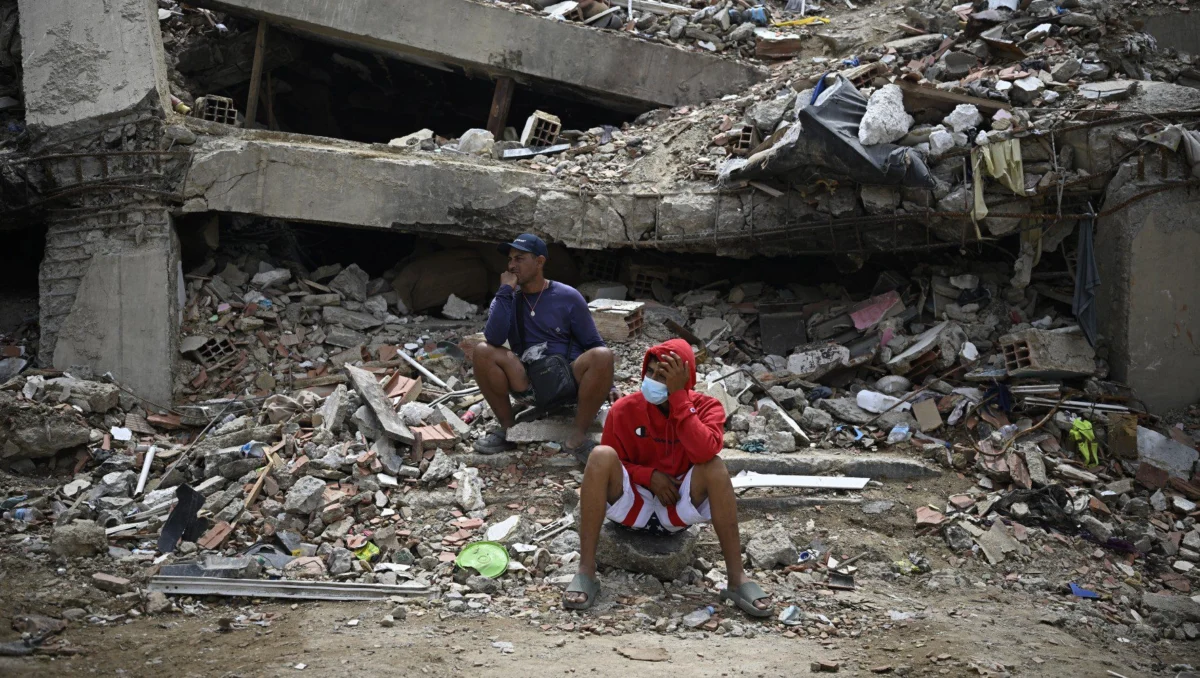
- Climate Change and Disasters: Extreme weather events and environmental degradation are increasingly contributing to internal displacement and, in some cases, cross-border migration.
- Demographics of Displacement: The majority of displaced persons are women and children, who are often more vulnerable to exploitation and abuse during their journeys.
- Host Country Burden: A significant portion of refugees are hosted by low- and middle-income countries, placing a substantial burden on their resources and infrastructure.
HIAS’s Operational Reach and Impact
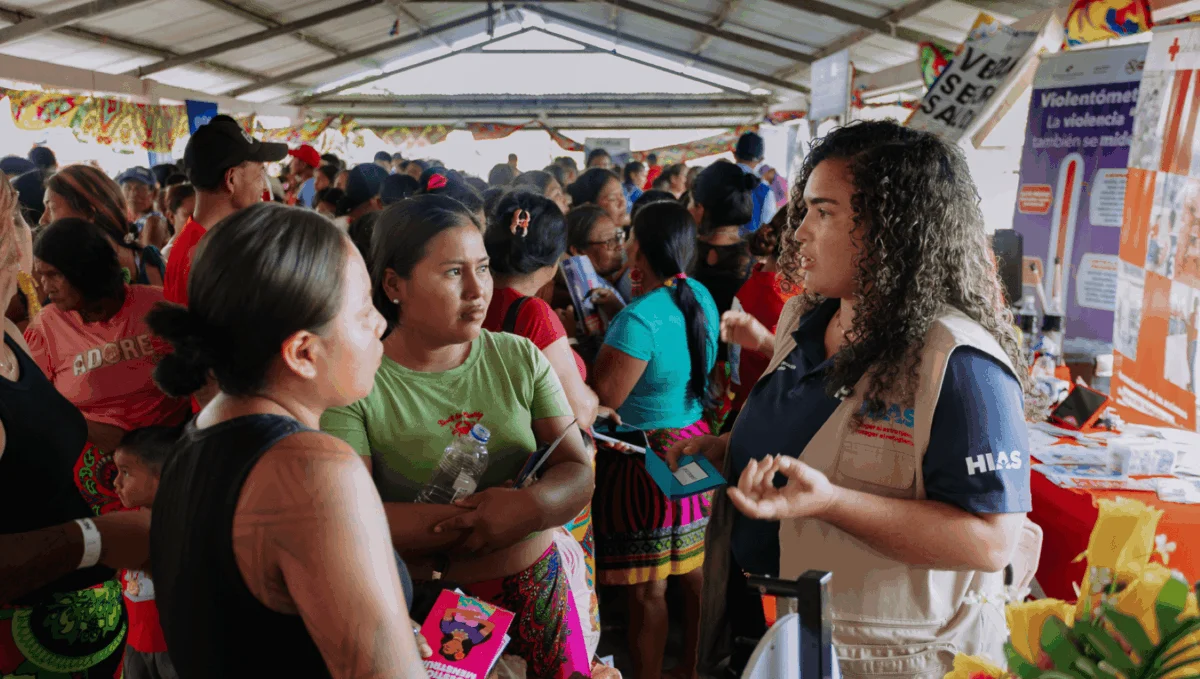
HIAS, with its long history, continues to be a vital player in addressing this crisis. The organization operates in numerous countries, providing critical services such as legal assistance, resettlement support, psychosocial care, and community integration programs. Their work extends beyond immediate emergency relief to encompass long-term solutions, enabling refugees to rebuild their lives with dignity and self-sufficiency.
In the past year alone, HIAS has reported assisting tens of thousands of individuals globally, navigating complex asylum systems, advocating for refugee rights, and offering direct support to vulnerable populations. Their programs often focus on specific groups, including women at risk, LGBTQ+ individuals, and victims of torture, who may face unique challenges in finding safety.
The Broader Implications: Sanctuary as a Collective Responsibility
Oppenheim’s personal story and her current role at HIAS highlight a fundamental truth: the provision of sanctuary is not a solitary act but a collective responsibility. The lessons of the Holocaust, a period where millions were systematically persecuted and denied safe haven, serve as a perpetual warning. The “narrow paths toward safety” that her grandfather traversed were made possible by the actions of individuals and organizations who defied indifference and actively worked to save lives.
The increasing hostility towards asylum seekers in many nations, as noted by Oppenheim, poses a significant challenge to this historical imperative. This trend is often fueled by political rhetoric, economic anxieties, and misinformation, creating an environment where empathy and compassion are overshadowed by fear and exclusion.
Analysis of Implications:
- Erosion of International Norms: A decline in the willingness of nations to offer refuge can weaken international humanitarian laws and norms established in the post-World War II era, potentially leading to a global breakdown in asylum protection.
- Humanitarian Consequences: Increased restrictions on asylum can trap individuals in dangerous situations, prolong their suffering, and lead to humanitarian crises at borders.
- Social and Economic Impact: While often framed as a burden, refugees, when integrated, can contribute significantly to the social and economic fabric of their host countries, bringing diverse skills and perspectives. Restrictive policies can lead to missed opportunities for economic growth and cultural enrichment.
- The Role of Civil Society: In the face of governmental restrictions, the role of non-governmental organizations like HIAS becomes even more critical. They act as vital conduits for support, advocacy, and direct assistance, ensuring that those in need are not entirely abandoned.
A Commitment to Open Doors
The legacy of HIAS is one of enduring commitment to the principle that all individuals deserve safety and dignity. Oppenheim’s personal narrative powerfully illustrates the ripple effect of this commitment, tracing a lineage from her grandfather’s desperate flight to her own leadership in the ongoing fight for refugee rights.
"Remembering his story, and stories like it, is not only an act of memory," Oppenheim concluded. "It is a commitment: to ensure that the door to safety stays open, and that no one is ever left to face the world alone."
This commitment is not abstract; it is translated into tangible action through the work of HIAS and countless other organizations striving to uphold the humanitarian values that were so critically tested in the mid-20th century and remain under pressure today. The call to action is clear: to learn from history, to act with compassion, and to ensure that the promise of sanctuary remains a reality for all those who seek it.
The article concludes with a donation call to action, urging individuals to support HIAS’s mission, emphasizing that "Now more than ever, your support is needed to help refugees and displaced people rebuild their lives." This direct appeal underscores the ongoing need for resources to sustain and expand the vital work of providing refuge in a world grappling with unprecedented displacement.