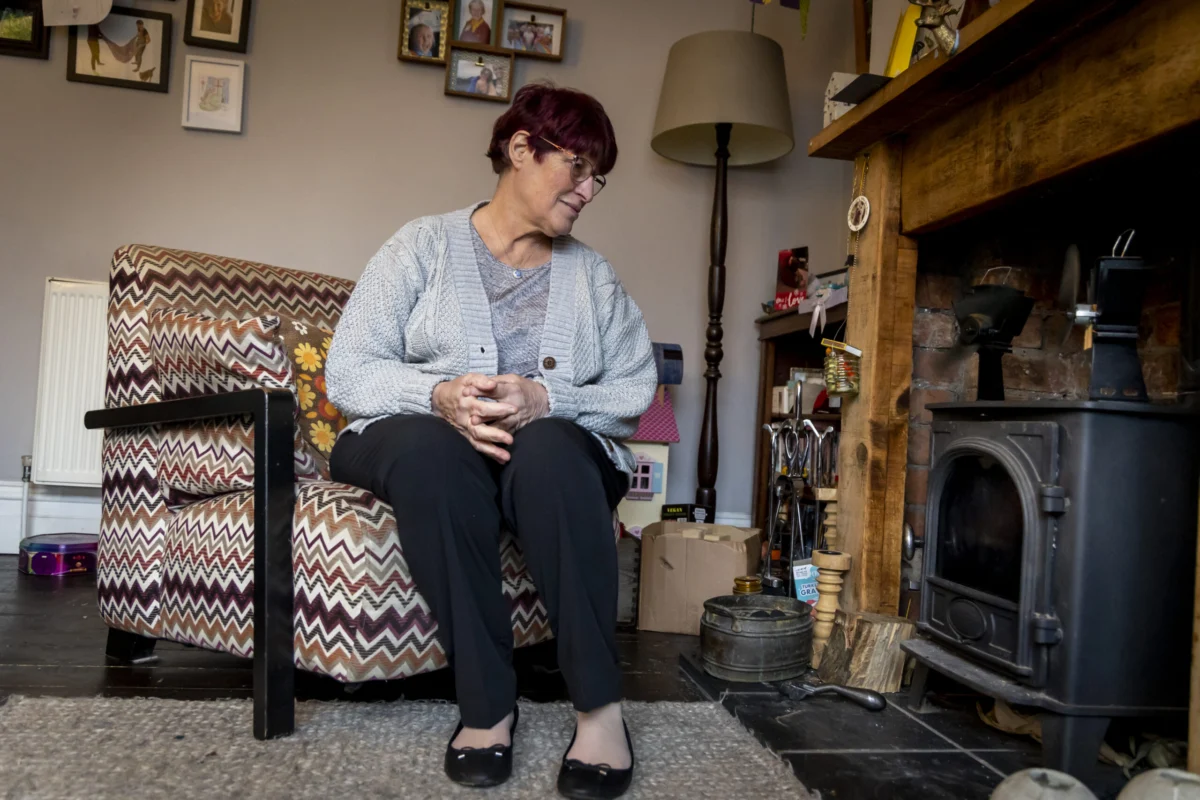
Age Action, Ireland’s leading advocacy organization for older people, has issued a formal challenge to all political parties and candidates contesting the 2024 general election, demanding a comprehensive and transparent strategy to address the burgeoning needs of the country’s aging population. As the election campaign enters its critical early weeks, the organization has expressed profound concern over what it describes as a lack of meaningful policy discourse regarding the rights, equality, and socio-economic security of older citizens. Dr. Nat O’Connor, Senior Policy Adviser at Age Action, highlighted a significant disconnect between the political establishment and a demographic that represents nearly one-third of the national electorate. According to internal feedback gathered by the organization, many older voters feel their concerns are being sidelined or treated with insufficient respect by those seeking public office.
The advocacy group’s intervention comes at a pivotal moment in Irish demographics. Currently, there are over one million people in Ireland aged 60 or older, a figure that includes approximately 185,000 individuals over the age of 80. Projections from the Central Statistics Office (CSO) and other demographic experts suggest that within the next two decades, these numbers will nearly double. This shift implies a radical transformation in the requirements for health and social care, housing, and transport systems. Age Action argues that the current political landscape lacks the long-term vision necessary to prepare for this inevitability, urging a shift away from reactive policymaking toward a rights-based approach that acknowledges the diversity and contributions of older people.
The Demographic Weight of the Older Electorate
The 2024 general election is expected to be defined by several high-stakes issues, including the housing crisis, the cost of living, and the management of public services. However, Age Action emphasizes that the "silver vote" is not a peripheral interest group but a central pillar of the democratic process. With nearly one in three voters aged 60 or older, this cohort holds the power to sway results in almost every constituency across the country. Despite this, Dr. O’Connor noted that older people are reporting a distinct absence of "meaningful discussion" regarding policies that directly impact their lives.
Historically, older voters in Ireland have demonstrated higher rates of turnout compared to younger demographics. This makes the perceived lack of engagement from political parties particularly striking. The frustration voiced by older citizens—citing a lack of respect and a feeling that politicians do not take sufficient notice of their lived realities—suggests a growing gap between the political class and a substantial portion of the population. Age Action contends that ignoring this demographic is not only a political oversight but a failure to address the structural changes required for a sustainable future.
Economic Pressures and the State Pension
A primary concern raised by Age Action is the increasing difficulty older people face in making ends meet on the State Pension. While recent budgets have seen incremental increases in pension rates, advocacy groups argue these have not kept pace with the soaring cost of living, particularly regarding energy costs and healthcare expenses. The risk of poverty among older people, especially those living alone or in rural areas, remains a significant policy challenge.
The organization is calling for a "benchmarking" of the State Pension. This would involve pegging the pension rate to a specific percentage of average weekly earnings to ensure that older people do not fall behind the rest of society economically. Without such a mechanism, pensioners remain vulnerable to the whims of annual budget cycles, which often prioritize short-term political gains over long-term financial security. For many, the pension is not merely a benefit but the sole source of income, and its inadequacy has direct implications for nutrition, heating, and social participation.
Digital Exclusion and the "Digital by Default" Trend
One of the most persistent grievances reported by older people to Age Action is the rapid and often forced digitalization of essential services. From banking and utilities to public services and healthcare appointments, the "digital by default" approach has left a significant portion of the older population feeling excluded and disempowered. While many older people are tech-savvy, a substantial number—often referred to as the "off-line" population—lack the hardware, internet access, or technical skills to navigate complex online systems.
Age Action has been vocal about the "right to an analog life," arguing that digital transformation should not come at the expense of accessibility. The closure of physical bank branches and the removal of over-the-counter services in various sectors have created barriers that prevent older people from managing their own affairs independently. This trend, if left unchecked, risks creating a two-tier society where those without digital literacy are relegated to the margins, unable to access the very services they fund through their taxes and patronage.
Housing, Healthcare, and Social Infrastructure
The broader national crises in housing and healthcare have specific, acute impacts on the older population. In terms of housing, there is a chronic lack of "right-sizing" options—smaller, accessible, and energy-efficient homes located within existing communities. Many older people live in large, family-sized homes that are difficult to heat and maintain, yet they remain there because of a lack of suitable alternatives in their local areas. Age Action argues that a dedicated housing strategy for an aging population is essential to free up housing stock for younger families while ensuring older people can live in dignity and comfort.
In healthcare, the focus is often on acute hospital care, but for older people, the availability of primary care and home-care packages is equally critical. The current system for accessing home care is frequently described as a "postcode lottery," with long waiting lists and a shortage of qualified staff. Age Action emphasizes that the state must plan for a massive expansion in health and social care services to meet the needs of the 185,000 people currently aged 80 or older, a number set to grow exponentially. This includes not only medical care but also the social infrastructure—such as reliable rural transport—that prevents isolation and promotes active aging.
The 20-Year Horizon: Planning for a Doubled Population
A central theme of Age Action’s election manifesto is the need for long-term strategic planning. Dr. O’Connor pointed out that in just twenty years, the number of older people in Ireland will have nearly doubled. This demographic shift is not a surprise; it is a mathematical certainty based on current population trends. However, the organization argues that none of the major political parties have presented a roadmap that accounts for this reality.
The implications of an aging population touch every aspect of the state’s functions. It requires a rethinking of urban planning, the tax base, the labor market, and the design of the welfare state. Age Action suggests that the 2024 general election should be the catalyst for a national conversation on how Ireland can become "age-friendly" in a substantive way. This involves combating ageism—the systemic discrimination or stereotyping based on age—which often manifests in the workplace, in the media, and in policy priorities.
Chronology of Advocacy and Policy Development
The current call to action follows a year of intensive advocacy by Age Action and its partners. In early 2024, the organization participated in several pre-budget submissions, highlighting the need for structural reforms rather than one-off payments. Throughout the spring and summer, Age Action conducted a series of "Listening Tours" and regional meetings, where the feedback mentioned by Dr. O’Connor was gathered.
The timeline for the 2024 campaign suggests that while parties are quick to promise "silver surfers" benefits or small pension hikes, the deeper structural changes—such as a statutory right to home care or the appointment of an Independent Commissioner for Older People—remain on the periphery. Age Action’s "Ten Asks" for the general election represent a culmination of these efforts, providing a clear checklist for candidates to demonstrate their commitment to the older electorate.
Analysis of Political Implications
From a political analysis perspective, the demands of Age Action present both a challenge and an opportunity for candidates. For the incumbent government, the challenge lies in defending a record that many older voters perceive as having prioritized economic growth over social cohesion. For opposition parties, the opportunity lies in presenting a vision of a more inclusive Ireland that values its older citizens as active participants rather than passive recipients of care.
However, the fiscal reality of these demands is significant. Benchmarking the pension and expanding home care requires a substantial and sustained increase in public spending. In a competitive election environment where every party is promising tax cuts or increased spending in other areas like housing and climate action, the "aging agenda" often struggles for the top spot. Age Action’s strategy is to frame these issues not as "costs" but as essential investments in the rights and equality of all citizens, noting that "we are all aging."
The Ten Asks: A Blueprint for Change
While the specific list of ten asks covers a broad range of policy areas, they are unified by a call for a rights-based approach. Key among these is the demand for a Commissioner for Older People, similar to the existing Ombudsman for Children, who would act as a watchdog to ensure that government policies do not unfairly disadvantage older citizens. Other asks include:
- Pension Reform: Establishing a transparent, benchmarked State Pension.
- Digital Rights: Ensuring all public and essential services remain accessible via non-digital channels.
- Home Care: Legislate for a statutory right to home care to support aging in place.
- Housing Diversity: Implementing a national strategy for age-friendly housing and right-sizing.
- Transport: Expanding the Rural Transport Programme (TFI Local Link) to combat isolation.
- Healthcare Access: Reducing waiting lists for age-related surgeries and specialist consultations.
- Ageism Awareness: Launching a national campaign to combat age-based discrimination.
- Employment Support: Removing barriers for older people who wish to remain in or re-enter the workforce.
- Energy Security: Providing targeted support for home retrofitting and energy costs for older households.
- Community Participation: Increasing funding for local community groups and "Men’s Sheds" or similar social outlets.
Conclusion and Future Outlook
As the 2024 general election progresses, the pressure on political parties to respond to Age Action’s demands is likely to increase. The organization has made it clear that a "business as usual" approach to aging policy is no longer tenable. With the demographic landscape shifting beneath the feet of the Irish political system, the choices made during this election cycle will have ramifications for decades to come.
Dr. O’Connor’s concluding remarks serve as a reminder that the treatment of older people is a litmus test for the fairness of a society. By calling for a new approach based on rights and diversity, Age Action is not just advocating for today’s seniors but for every citizen who hopes to age with dignity and security in the future. The response from Ireland’s political leaders in the coming weeks will determine whether they are ready to meet the challenges of an aging nation or if they will continue to overlook the voices of over one million voters.