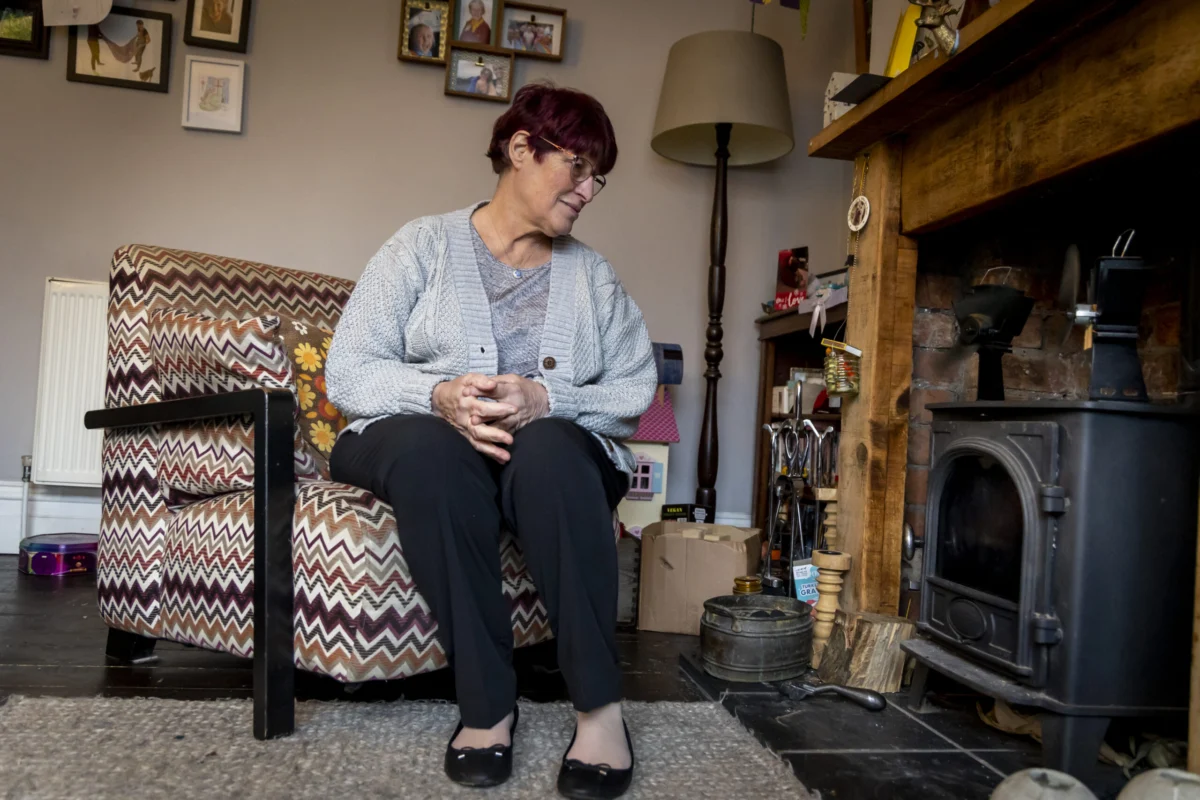
The 2024 Irish general election has entered its critical opening weeks, prompting Age Action, the nation’s leading advocacy organization for older persons, to issue a direct challenge to all political parties and candidates. The organization is demanding a comprehensive and transparent strategy to address the multifaceted needs of an aging population, calling for explicit commitments to uphold the rights and equality of older citizens while actively combating the rise of ageism in public policy and discourse. As the campaign intensifies, Age Action has highlighted a significant disconnect between the concerns of older voters and the current political narrative, warning that the failure to plan for a rapidly shifting demographic landscape will have profound consequences for Irish society over the next two decades.
Dr. Nat O’Connor, Senior Policy Adviser at Age Action, has underscored the political significance of this demographic, noting that nearly one in three voters in the upcoming election will be aged 60 or older. Despite their substantial electoral weight, Dr. O’Connor reports that older people feel sidelined in the current political environment. Feedback gathered by the organization suggests a pervasive sentiment among the elderly that politicians do not take their concerns seriously, with many respondents expressing a feeling of being disrespected or ignored by the political establishment. This perceived marginalization comes at a time when older citizens are facing acute challenges ranging from the cost-of-living crisis to the systemic barriers presented by the rapid digitalization of essential services.
The Demographic Shift: A Statistical Overview of Aging in Ireland
The urgency of Age Action’s call is rooted in the stark demographic realities revealed by the most recent census data and long-term population projections. Currently, there are over one million people in Ireland aged 60 or older, a cohort that includes approximately 185,000 individuals aged 80 or older. However, the most significant data point provided by Age Action is the projection for the next twenty years. By 2044, the number of older people is expected to nearly double. This shift will see a dramatic increase in the number of individuals in "advanced older age," a group that typically requires more intensive health and social care services, as well as specialized housing and transport infrastructure.
According to the Central Statistics Office (CSO), life expectancy in Ireland has increased significantly over the last few decades, with men and women now expected to live to approximately 80.5 and 84.1 years, respectively. While this is a testament to improvements in public health and living standards, it presents a logistical and fiscal challenge for the state. Age Action argues that none of the major political parties have yet demonstrated a long-term, viable plan to meet this eventuality. The organization contends that the lack of foresight regarding the "silver tsunami" is not only a concern for current retirees but should be a focal point for all citizens, as the structures built today will determine the quality of life for everyone as they age.
Economic Pressures and the Adequacy of the State Pension
A primary concern voiced by older people to Age Action is the increasing difficulty of making ends meet on the state pension. While recent budgets have seen incremental increases in pension rates, advocacy groups argue that these adjustments have failed to keep pace with the soaring cost of living, particularly in relation to energy costs, healthcare expenses, and food inflation. The Irish state pension is currently not "benchmarked" against a specific percentage of average earnings, a policy that Age Action and other organizations, such as the Irish Senior Citizens Parliament, have long campaigned for.
The lack of a transparent, objective mechanism for setting pension rates leaves older people vulnerable to the whims of annual budget cycles. Age Action has called for the state pension to be set at 34% of average weekly earnings to ensure that retirees can live with dignity and avoid falling into "at-risk-of-poverty" categories. For many older people, the pension is their sole source of income, and the absence of a long-term guarantee of financial security is a major source of anxiety.
Digital Exclusion and the Erosion of Public Services
One of the most frequent complaints received by Age Action involves the "digital by default" approach adopted by government agencies, banks, and utility providers. As more services move online, a significant portion of the older population is being left behind. While many older people are tech-savvy, a substantial minority—estimated at roughly 25% of those over 65—do not use the internet regularly or at all.
The frustration of being forced to navigate complex online portals to access basic services, such as renewing a driver’s license, managing a bank account, or applying for medical benefits, has led to a sense of exclusion. Age Action is advocating for a "Right to Paper" or a "Right to Human Contact" in all public and essential private services. The organization argues that digital transformation should not come at the cost of accessibility and that the state has an obligation to ensure that those who are not online are not penalized or denied service.
Housing, Healthcare, and the Infrastructure of Care
The housing crisis in Ireland is often framed as a struggle for young first-time buyers, but Age Action points out that it is also an "older person’s issue." There is a chronic lack of "rightsizing" options—smaller, accessible, and energy-efficient homes located within existing communities that would allow older people to move out of large family homes while remaining in their local areas. The absence of these options contributes to the overall housing shortage and leaves many older people living in homes that are difficult to heat and maintain.
In the realm of healthcare, the concerns are equally pressing. The Sláintecare reform program, which aims to deliver a universal, single-tier healthcare system, has been slow to implement the community-based care models that would benefit older people most. There are significant waiting lists for home care packages, which are essential for allowing people to age in place rather than entering residential nursing homes. Age Action notes that the current system is overly reliant on the Fair Deal scheme (Nursing Homes Support Scheme), which, while necessary for some, often becomes the default option because of a lack of investment in community and home-based alternatives.
Chronology of Advocacy and the Political Response
The current campaign by Age Action follows a series of advocacy milestones throughout 2023 and early 2024. In the lead-up to Budget 2025, Age Action and other NGOs presented a unified front, calling for systemic changes rather than one-off payments. While the government did provide "cost-of-living" lump sums, these were criticized by Dr. O’Connor and others as "temporary fixes for permanent problems."
Following the dissolution of the Dáil (the Irish parliament) and the announcement of the 2024 election date, Age Action mobilized its network to ensure that older people’s voices were heard during the canvassing process. The organization’s "Ten Asks" for the general election serve as a roadmap for candidates to demonstrate their commitment to an aging-friendly society. These asks include:
- Benchmarking the State Pension: Establishing a permanent link between pensions and average earnings.
- A Commissioner for Older People: Appointing an independent statutory officer to protect the rights of the elderly.
- Investment in Home Care: Ensuring a statutory right to home care to support aging in place.
- A National Rightsizing Strategy: Developing housing policies that cater to the needs of older citizens.
- Digital Inclusion Guarantees: Mandating offline access to all essential services.
- Combatting Ageism: Implementing a national anti-ageism campaign and strengthening equality legislation.
- Ending Mandatory Retirement: Allowing workers to choose when they retire, rather than being forced out by age-based contracts.
- Enhanced Public Transport: Improving rural and urban transport links to prevent social isolation.
- Fuel Poverty Protection: Expanding the Fuel Allowance and improving home insulation schemes for low-income seniors.
- Universal Social Care: Moving toward a social care system that is free at the point of delivery.
Analysis of Political Implications and Global Context
The demands made by Age Action reflect a broader global trend where aging populations are becoming the most influential voting blocs in developed democracies. In Ireland, the "grey vote" is historically the most reliable, with older cohorts showing higher turnout rates than younger demographics. Consequently, the failure of political parties to address these issues is not just a policy oversight but a potential electoral risk.
From a comparative perspective, Ireland is currently younger than many of its European neighbors, such as Italy or Germany. However, the pace of Ireland’s aging is among the fastest in the EU. This "lag" in aging gives Ireland a unique, albeit closing, window of opportunity to build the necessary infrastructure before the demographic shift reaches its peak. Age Action’s analysis suggests that the current "short-termism" in Irish politics—where policy is often dictated by four-to-five-year election cycles—is ill-suited to the twenty-year planning horizon required for demographic change.
Furthermore, the focus on a "rights-based approach" aligns Ireland with international frameworks, such as the United Nations Open-ended Working Group on Ageing, which is currently debating a possible UN Convention on the Rights of Older Persons. By calling for policy based on rights rather than charity, Age Action is pushing for a fundamental shift in how the state views its older citizens: not as a "burden" to be managed, but as equal rights-holders who contribute significantly to the social and economic fabric of the country.
Conclusion: A New Approach to Ageing Policy
As the 2024 general election progresses, the challenge laid down by Dr. Nat O’Connor and Age Action remains a central point of contention for the electorate. The organization’s message is clear: the changing needs of an aging population cannot be met with the same incremental and reactive policies of the past. Political parties must now demonstrate whether they are capable of the long-term thinking required to manage a society where one in five people will soon be over the age of 65.
The conclusion of the campaign will likely hinge on which parties can move beyond vague promises and offer concrete, costed plans for pension reform, healthcare infrastructure, and digital rights. As Dr. O’Connor concluded, "Political parties need to demonstrate that they take older people seriously and that they are capable of meeting the changing needs of our ageing population." For the one million people over 60 in Ireland, and the millions more who will join them in the coming decades, the stakes of this election could not be higher.