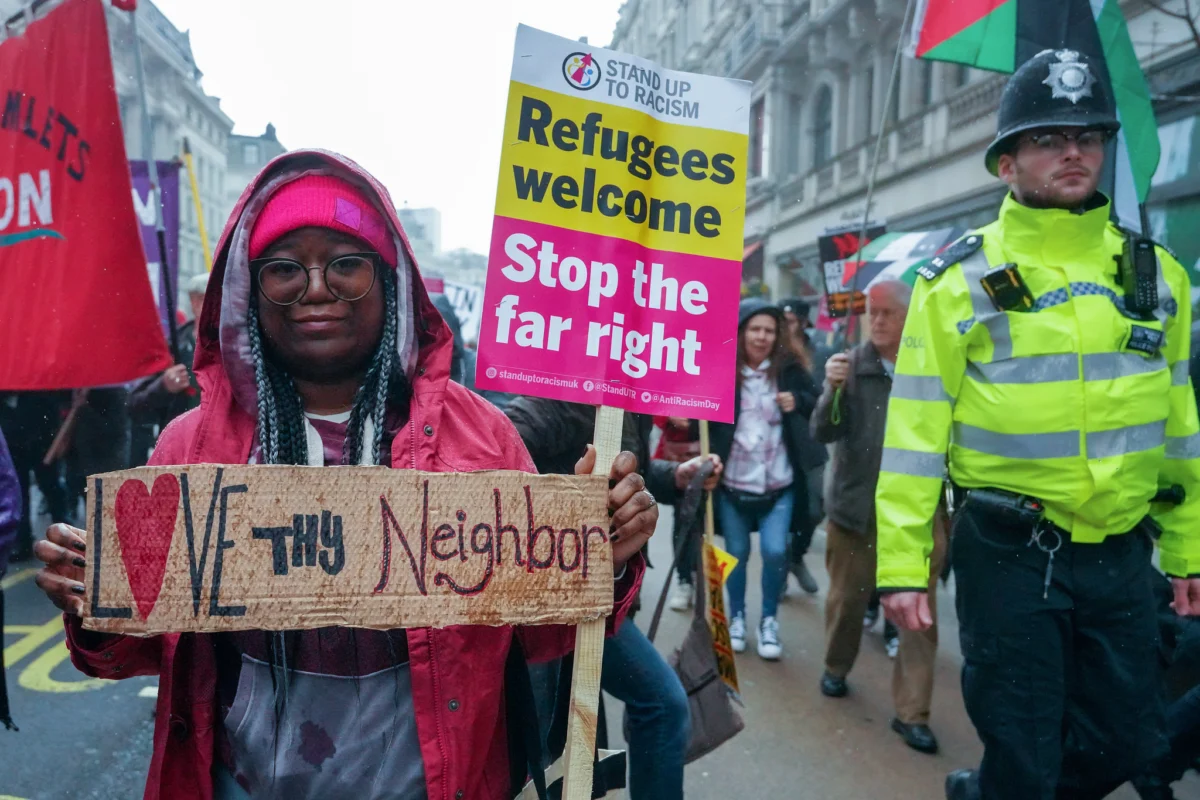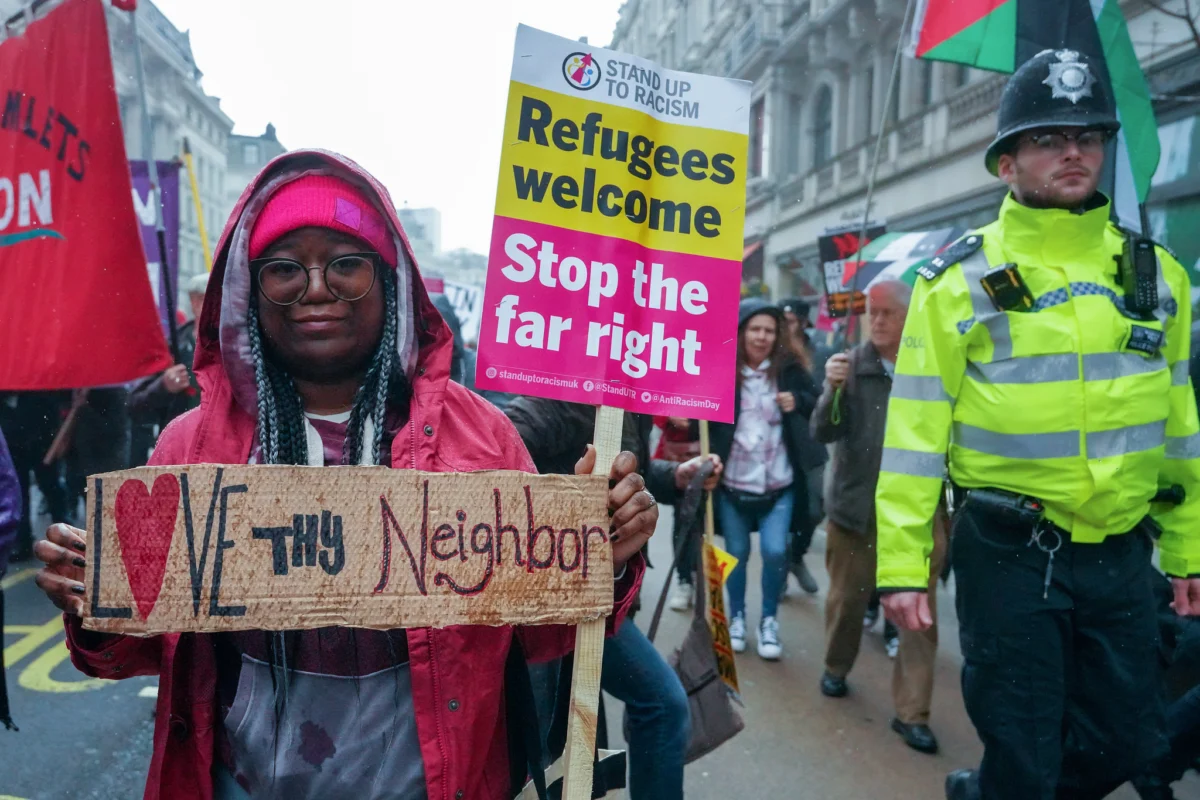
The legal architecture designed to protect citizens from discrimination and state overreach in the United Kingdom is facing an unprecedented period of scrutiny and potential retrenchment. For decades, the Human Rights Act 1998 and the Equality Act 2010 have served as the twin pillars of the British civil liberties framework, ensuring that fundamental rights are not merely abstract concepts but enforceable legal standards. However, as of March 2026, a combination of shifting political ideologies, concentrated media influence, and legislative stagnation has created a precarious environment for these protections. Observers and civil rights advocates warn that rights once considered "guaranteed" are increasingly vulnerable to the whims of parliamentary majorities and the influence of powerful interest groups.
The Legislative Pillars: A Historical Context
To understand the current risks, it is essential to examine the origins and functions of the UK’s primary rights-based legislation. The Human Rights Act 1998 (HRA) was a landmark piece of legislation that incorporated the rights contained in the European Convention on Human Rights (ECHR) into domestic law. Before its enactment, UK citizens seeking to challenge state violations of their rights often had to take lengthy and expensive cases to the European Court of Human Rights in Strasbourg. The HRA allowed these rights to be enforced in UK courts, guaranteeing protections such as the right to life, freedom from torture, the right to a fair trial, and freedom of expression.
The Equality Act 2010 followed over a decade later, consolidating more than 116 separate pieces of legislation into a single act. This streamlined the law, making it easier for individuals and employers to understand their rights and responsibilities. The Act protects individuals from unfair treatment based on nine "protected characteristics": age, disability, gender reassignment, marriage and civil partnership, pregnancy and maternity, race, religion or belief, sex, and sexual orientation. Beyond individual protections, the Act was intended to foster a more inclusive society by imposing a "Public Sector Equality Duty" on state bodies to consider how their policies affect marginalized groups.
A Chronology of Retrenchment: 2010–2026
The trajectory of these laws has been marked by a series of challenges and attempts at dilution over the past 16 years.
2010–2015: Following the formation of the Coalition Government, the "Red Tape Challenge" was launched, which sought to identify regulations that were perceived as burdensome to businesses. During this period, several provisions of the Equality Act were repealed or weakened, including the power of employment tribunals to make wider recommendations to employers to prevent future discrimination.
2015–2022: Successive Conservative administrations signaled a desire to "modernize" or replace the Human Rights Act. In 2022, then-Justice Secretary Dominic Raab introduced the Bill of Rights Bill, which aimed to replace the HRA. Critics argued the bill would have made it significantly harder for individuals to challenge state abuses and would have prioritized the government’s interpretation of rights over judicial oversight. Although the bill was eventually shelved following leadership changes, the appetite for legislative overhaul remained within the party’s influential right wing.
2023–2025: The rise of new political movements, most notably Reform UK, brought more radical proposals into the mainstream. Reform UK pledged to scrap the Equality Act entirely, characterizing it as a "woke" imposition that stifles free speech and meritocracy. Concurrently, the Labour Party, while generally supportive of the existing framework, began signaling a period of review. Leading Labour figures suggested that while the HRA would remain, the application of rulings from the European Court of Human Rights would be scrutinized to ensure they align with "British common law traditions."
2026: As of early 2026, the debate has shifted from whether the laws should be reformed to how they can be defended. The Equality Trust and other advocacy groups have noted that even without full repeal, "silent erosion" is occurring through underfunding of enforcement bodies and the failure to commence specific duties within the acts.
The Socio-Economic Duty: A Dormant Clause
One of the most significant yet overlooked aspects of the Equality Act 2010 is Section 1, known as the "Socio-economic Duty." This clause requires public authorities, when making strategic decisions, to have due regard to the need to reduce the inequalities of outcome which result from socio-economic disadvantage. Essentially, it was designed to force the government to consider the impact of its policies on poverty and class inequality.
While the governments of Scotland and Wales have successfully commenced this duty, it remains dormant in Westminster. Successive UK governments have declined to activate the clause for England, arguing that it would create an unnecessary bureaucratic burden. Advocacy groups like The Equality Trust argue that the failure to commence Section 1 is a deliberate political choice that allows for the perpetuation of systemic economic inequality. Data from the Office for National Statistics (ONS) suggests that income inequality in the UK remains among the highest in Europe, a trend that proponents of the socio-economic duty argue could be mitigated if public policy were legally required to address it.
Media Concentration and the Misinformation Campaign
The public’s perception of human rights and equality laws is heavily influenced by a media landscape characterized by extreme concentration of ownership. Research indicates that approximately 90% of the UK’s national newspaper circulation is controlled by just three billionaires or their family trusts. This concentration has facilitated a decades-long campaign against the Human Rights Act and the Equality Act.
Journalistic analysis of tabloid coverage over the last ten years reveals a recurring pattern: "clickbait" headlines that frame human rights as a "charter for criminals" or a tool for "special treatment." Common tropes include misleading stories about "illegal immigrants" using human rights to avoid deportation or "political correctness gone mad" in the workplace.
These narratives serve a "divide-and-rule" function, according to Vanessa Boon, Senior Policy & Advocacy Leader at The Equality Trust. By framing rights as something that "others" exploit at the expense of the majority, the media erodes the universal consensus necessary to protect these laws. In reality, the HRA and Equality Act provide the legal basis for everyday protections, such as a disabled person’s right to access public transport with an assistance dog, or a woman’s right to be protected from dismissal due to pregnancy.
Supporting Data: The Scale of Protection
The impact of these laws is reflected in the volume of cases they handle and the protections they afford:
- Employment Tribunals: In the 2023-2024 period, thousands of discrimination claims were filed in the UK. Disability discrimination remained one of the most common categories, highlighting the ongoing necessity of the Equality Act’s "reasonable adjustment" provisions.
- Legal Aid Reductions: Despite the continued need for these laws, access to justice has been curtailed. Since the Legal Aid, Sentencing and Punishment of Offenders Act 2012, the number of people receiving legal aid for discrimination cases has plummeted by over 60%, leaving many of the most vulnerable citizens unable to enforce their statutory rights.
- Public Opinion: Despite negative media framing, polling data consistently shows that when individual rights are explained—such as the right to a fair trial or protection from torture—over 70% of the British public supports their continued protection in law.
Broader Implications and Global Trends
The pressure on the UK’s rights framework does not exist in a vacuum. Analysts point to the United States as a cautionary example of how long-standing rights can be rolled back. The 2022 reversal of Roe v. Wade by the U.S. Supreme Court demonstrated that legal precedents and "settled" rights can be dismantled if the political and judicial landscape shifts sufficiently to the right.
In the UK, the potential decoupling from the European Convention on Human Rights remains a significant risk. While the UK was a founding signatory and a primary drafter of the ECHR after World War II, modern political rhetoric often frames the Strasbourg court as an interference with national sovereignty. Legal experts warn that withdrawing from the ECHR would not only weaken domestic protections but also damage the UK’s international standing and its ability to hold other nations accountable for human rights abuses.
Conclusion: The Path Forward
The defense of the Equality Act and the Human Rights Act has become a central focus for civil society in 2026. Organizations like The Equality Trust are shifting their strategies toward research-led policy and grassroots advocacy to counter misinformation. The goal is to move beyond a defensive posture and toward a proactive strengthening of the law, including the commencement of the socio-economic duty in England.
The current climate serves as a reminder that statutory rights are not self-sustaining. They require a combination of judicial independence, political will, and an informed public to remain effective. As wealthy interests continue to back legal and political campaigns to chip away at these protections, the future of the UK’s "fair play" reputation depends on whether its foundational laws can withstand the current tide of regression. The stakes are not merely legalistic; they involve the fundamental protections that ensure every citizen, regardless of their background or status, can live a life of dignity and security.