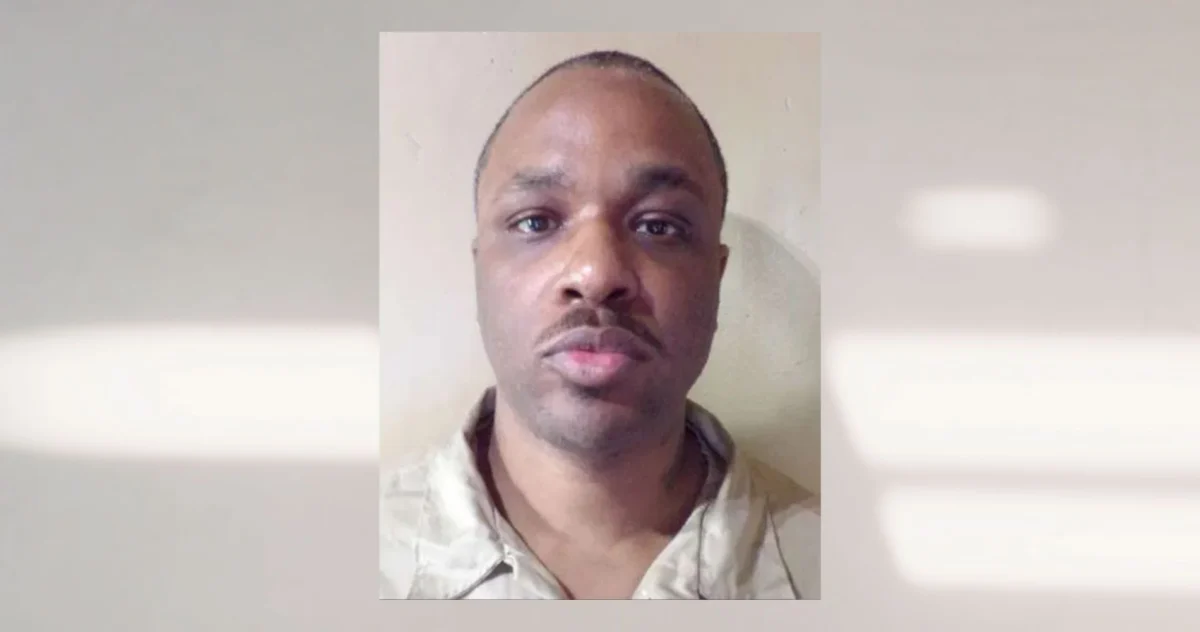
Montgomery, Alabama – Governor Kay Ivey of Alabama has commuted the death sentence of Charles "Sonny" Burton to life without parole, marking a significant development in a case that has drawn national attention to the perceived arbitrariness of capital punishment in the state. The decision, announced today, corrects a decades-old death sentence for Burton, who has been on Alabama’s death row since 1992 despite never having directly killed anyone. The commutation comes after the State itself agreed to a life-without-parole sentence for Derrick DeBruce, the individual who actually fired the fatal shot in the 1991 robbery that led to the victim’s death. This stark disparity, coupled with overwhelming appeals from jurors, legal advocates, and even the victim’s family, underscored the urgent need for executive intervention in a case widely described as an "extreme outlier."
The case of Charles Burton has long been a focal point for critics of Alabama’s death penalty system, highlighting inconsistencies in how capital sentences are applied. The principle that the death penalty should be reserved for the "worst of the worst" offenders—those most culpable in grievous crimes—was severely tested by Burton’s continued placement on death row. His situation was exacerbated by the fact that the actual triggerman had already received a lesser sentence, raising profound questions about fairness and justice.
The Crime and Initial Legal Proceedings: A Web of Complicity and Disparity
The tragic events that led to Charles Burton’s conviction unfolded on November 13, 1991, at an auto parts store in Talladega, Alabama. Burton was one of six men involved in the robbery. According to undisputed facts established during the legal proceedings, Burton was present at the scene but had exited the store before the fatal shot was fired. It was Derrick DeBruce who, during the course of the robbery, shot and killed customer Doug Battle.
All six individuals implicated in the robbery were initially charged with capital murder. However, the legal paths for each co-defendant diverged dramatically. The State of Alabama, through plea agreements, allowed four of the men involved to avoid the death penalty altogether. This common practice in capital cases often results in varying outcomes based on cooperation with prosecutors, strength of evidence, and prosecutorial discretion. While such agreements can be instrumental in securing convictions, they also inherently introduce an element of potential disparity among co-defendants, particularly when it comes to the ultimate penalty.
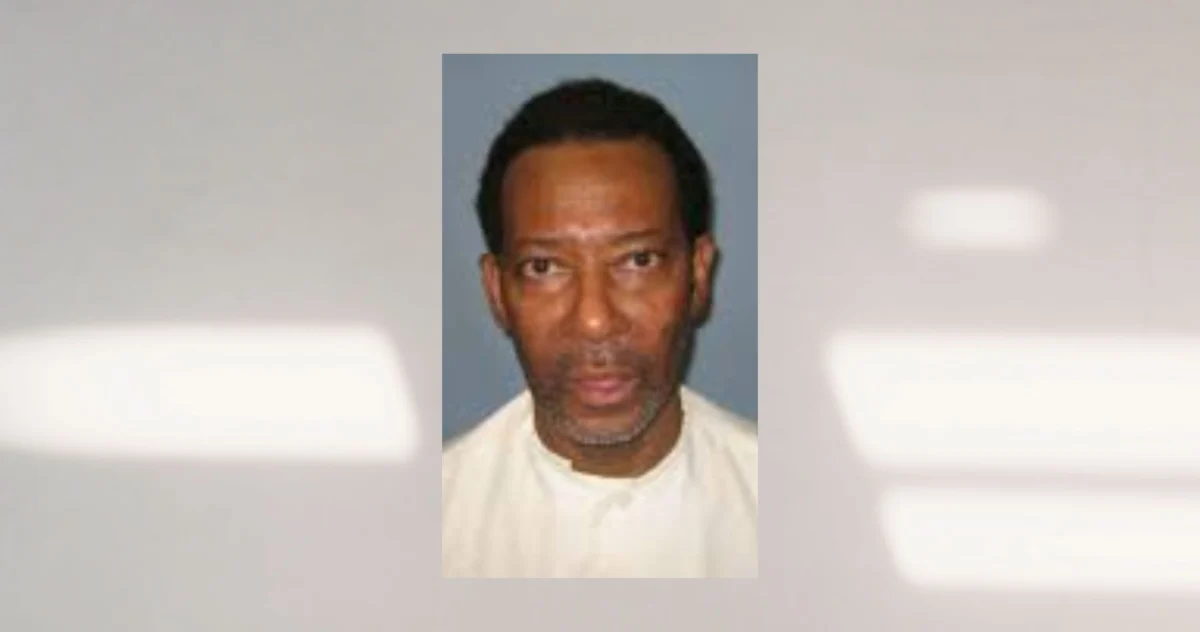
Derrick DeBruce, identified as the shooter, was also sentenced to death. His case, however, took a critical turn in 2014 when a federal court overturned his death sentence. The court found that DeBruce’s constitutional rights had been violated during his trial, necessitating a resentencing. Following this ruling, the State of Alabama agreed that DeBruce should be resentenced to life without parole, effectively removing him from death row. This development left Charles Burton as the sole remaining individual from the 1991 crime facing execution, despite his lesser role in the actual killing.
A Chronology of Mounting Concerns and Calls for Clemency
The timeline of Charles Burton’s case underscores the prolonged legal battles and the gradual shift in perception surrounding his sentence:
- November 13, 1991: The robbery of an auto parts store in Talladega, Alabama, resulting in the death of customer Doug Battle, shot by Derrick DeBruce. Charles Burton is among six individuals involved.
- 1992: Charles Burton is convicted of capital murder and sentenced to death. Derrick DeBruce, the shooter, also receives a death sentence.
- 2014: A federal court overturns Derrick DeBruce’s death sentence due to constitutional violations during his trial. Subsequently, the State of Alabama agrees to resentence DeBruce to life without parole.
- Post-2014: With DeBruce off death row and four other co-defendants having avoided capital punishment through plea deals, Charles Burton becomes the last man standing among the six, facing execution despite not being the triggerman. This disparity begins to draw significant scrutiny from legal experts and advocacy groups.
- Recent Years: Advocates, including the Equal Justice Initiative (EJI) and Burton’s legal team, intensify efforts to highlight the "extreme outlier" nature of his case, arguing that his continued presence on death row exemplifies the arbitrariness of Alabama’s capital punishment system.
- Late 2023/Early 2024: A formal clemency petition is submitted to Governor Kay Ivey, detailing the arguments for commuting Burton’s sentence. Crucially, several jurors from Burton’s original trial come forward to express their changed views.
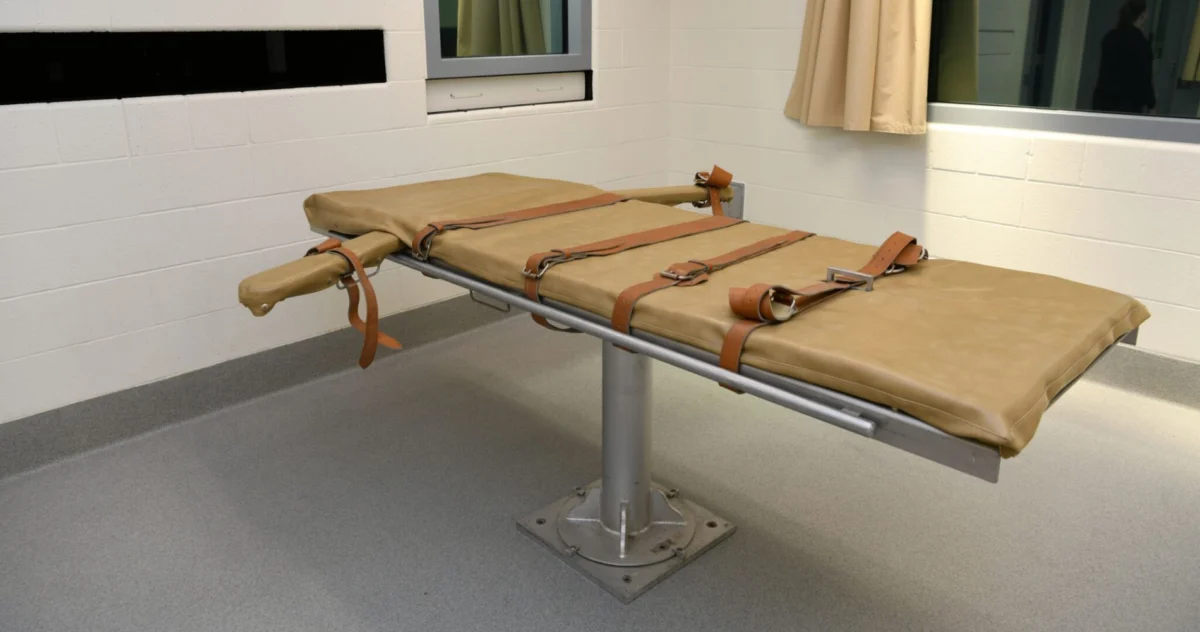
- January 2024: The Alabama Supreme Court authorizes Governor Ivey to set an execution date for Burton. She schedules his execution by nitrogen suffocation for March 12, 2024.
- February 2024: Governor Ivey announces the commutation of Charles Burton’s death sentence to life without parole.
Unprecedented Juror Appeals and Victim’s Family Plea
A particularly compelling aspect of Charles Burton’s clemency bid was the direct intervention of several jurors who had originally voted to sentence him to death in 1992. Priscilla Townsend, one of three jurors who explicitly urged Governor Ivey to grant clemency, voiced strong objections to the impending execution. "It’s absolutely not fair. You don’t execute someone who did not pull the trigger," Townsend told The Associated Press. While maintaining her belief in the death penalty for "the worst of the worst," she firmly stated that Mr. Burton did not fit that description. In a powerful op-ed, she further articulated her profound disappointment, writing, "I am deeply disappointed in how this case has slipped through the cracks, and am concerned about Alabama’s system of justice if it allows Mr. Burton’s execution."
Her sentiments were echoed by other jurors. The clemency petition revealed that six of the eight living jurors who participated in Burton’s original trial expressed no opposition to his sentence being commuted to life without parole. Juror James Cottongim conveyed to the governor that while the crime was undeniably terrible, it would be "very unjust" for Mr. Burton to be the one executed. He emphasized, "[S]ince Mr. Burton was not the man who pulled the trigger, it just seems wrong that he should be put to death when the shooter was resentenced to life. Our original sentence of death is just no longer appropriate given the circumstances." These statements from those directly responsible for his initial sentence provided a rare and powerful endorsement for clemency, indicating a collective reevaluation of the justice served in the case.
Adding another layer of profound ethical consideration was the plea from the victim’s own family. Tori Battle, who was just nine years old when her father, Doug Battle, was killed, urged Governor Ivey to grant clemency. In a moving statement to the governor, she wrote, "I do not see how this execution will contribute to my healing. My father, Doug Battle, was many things. He was strong, but he valued peace. He did not believe in revenge. And in that way, I am very much his daughter… I hope you will consider extending grace to Mr. Burton and granting him clemency." Her rejection of retribution in favor of healing and grace offered a compelling moral argument against the execution, further bolstering the case for clemency. Her statement, read aloud at a gathering of Burton’s loved ones and supporters in Montgomery, concluded with a heartfelt prayer: "I hope and pray she does the right thing and does not allow this execution to go forward."
An "Extreme Outlier" Case: Legal Arguments and Humanitarian Concerns
Charles Burton’s legal team, led by attorney Matt Schulz, consistently argued that his case was an "extreme outlier" within the realm of capital punishment. Schulz highlighted the stark facts: "Not only did he not kill anyone, but he didn’t order anyone to kill anyone. He didn’t hire anyone to kill anyone. He didn’t tell anyone to kill anyone. He literally did not even see anyone kill anyone." The clemency application underscored the illogical progression of justice where the shooter was resentenced to life, yet the non-shooter remained on death row. "It would be wrong to execute a man who did not even see the shooting take place, after the state agreed to resentence the shooter to life without parole, and this is simply not the kind of case most people think of when they envision the death penalty being carried out," Schulz told the Associated Press.
Beyond the legal and factual disparities, humanitarian concerns surrounding Burton’s advanced age and deteriorating health played a significant role. At 75 years old, Burton suffers from debilitating rheumatoid arthritis, rendering him largely immobile without considerable pain. His sister, Eddie Mae Ellison, informed the AP that he primarily uses a wheelchair and, due to frequent falls, has to wear a state-issued helmet. The prospect of executing an elderly, infirm man by nitrogen suffocation, a method introduced in Alabama in recent years and drawing considerable controversy, added another layer of ethical complexity to an already contentious case.
Governor Ivey’s Decision: Context and Broader Implications
Governor Kay Ivey’s decision to commute Charles Burton’s sentence is particularly noteworthy given her record on capital punishment. During her nine years as governor, she has presided over the executions of 25 individuals, a number that, according to the publication Tread, makes her the most prolific state executive in terms of executions since the death penalty was reinstated in the United States in 1976. This historical context suggests that her clemency decision for Burton was not made lightly and likely reflects the unique and compelling circumstances of the case.
While rare, this is not the first time Governor Ivey has granted clemency in a capital case. Last year, she commuted the death sentence of Robin "Rocky" Myers to life in prison without parole, citing "considerable questions about his guilt." This earlier action, while based on different grounds (questions of guilt versus disparate sentencing for a non-triggerman), indicates a willingness to exercise executive clemency when the integrity and fairness of the justice system are demonstrably compromised.
The move also aligns with a broader, albeit slow, trend among some Republican governors to grant clemency in high-profile death penalty cases where significant doubts or disparities exist. Oklahoma Governor Kevin Stitt, for instance, granted clemency to Julius Jones in 2021 just hours before his scheduled execution, after widespread public outcry and concerns about his guilt. These cases, taken together, suggest that while support for capital punishment remains strong in some conservative states, there is a growing recognition that the system is imperfect and that executive intervention can serve as a vital safeguard against irreversible errors or injustices.
The Arbitrariness of Capital Punishment in Alabama
The Burton case serves as a stark illustration of the long-standing critique regarding the arbitrary application of the death penalty, a concern frequently voiced by organizations like the Equal Justice Initiative. Arbitrariness in capital punishment refers to the inconsistent and unpredictable ways in which death sentences are imposed, often influenced by factors unrelated to the severity of the crime or the culpability of the offender. These factors can include:
- Co-defendant disparity: As seen in Burton’s case, individuals involved in the same crime can receive vastly different sentences, with lesser culpable individuals sometimes facing harsher penalties than those more directly responsible.
- Quality of legal representation: Access to competent legal counsel can significantly impact the outcome of a capital trial.
- Prosecutorial discretion: Prosecutors hold immense power in deciding whether to pursue a capital charge, offer plea bargains, or seek a death sentence, leading to inconsistencies across different jurisdictions.
- Racial and socioeconomic factors: Studies consistently show disproportionate application of the death penalty based on race of the victim and defendant, as well as the defendant’s socioeconomic status.
- Shifting public and judicial standards: What was considered an appropriate death sentence decades ago might be viewed differently today, especially for non-triggermen or those with diminished culpability.
The commutation of Charles Burton’s sentence, therefore, is not merely a reprieve for one individual but a moment that forces a critical examination of the broader justice system. It highlights the indispensable role of executive clemency as a last resort to correct injustices that have slipped through the cracks of judicial review. The case underscores the moral and legal imperative to ensure that the death penalty, if it is to be applied at all, truly adheres to its stated purpose of punishing only the "worst of the worst" offenders, with scrupulous fairness and consistency.
In the wake of Governor Ivey’s decision, advocates for criminal justice reform have lauded the move as a courageous and necessary step towards upholding justice. While the decision does not abolish the death penalty in Alabama, it undeniably sends a powerful message about the need for rigorous scrutiny and accountability in capital cases, particularly when questions of culpability and fairness are so pronounced. For Charles Burton, after more than three decades on death row, the commutation offers a resolution, albeit a late one, to a legal saga that has profoundly questioned the very foundations of capital justice in Alabama.