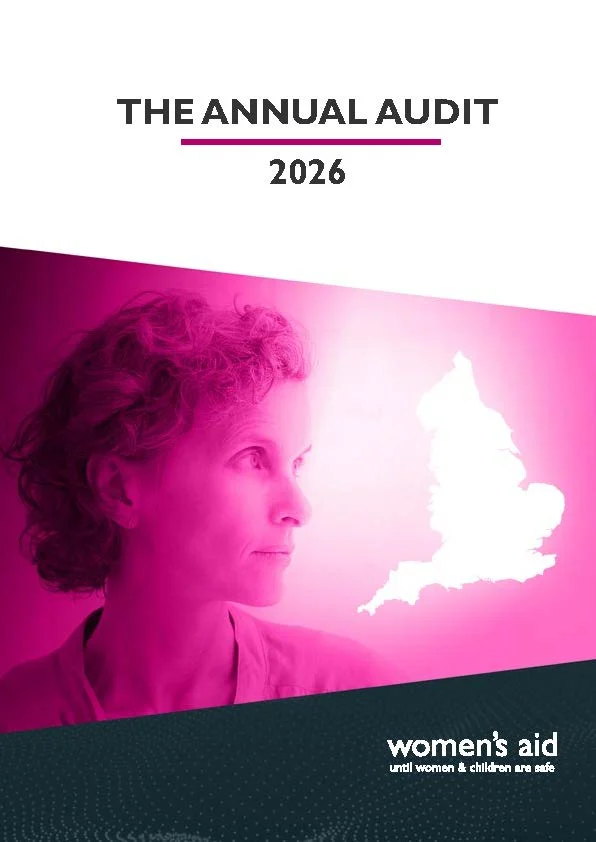
The Women’s Aid Annual Audit 2026, published in March of that year, delivers a comprehensive and critical examination of the domestic abuse support landscape across England, providing an unparalleled insight into the provision, usage, and operational intricacies of specialist services during the 2024-25 financial year. This landmark publication underscores the indispensable role of these services as a life-saving and foundational infrastructure, asserting that a robust and sustainable specialist sector is not merely beneficial, but absolutely essential for the national response to violence against women and girls (VAWG). The report meticulously charts the sector’s continuous evolution, adaptation, and growth, whilst simultaneously pinpointing persistent challenges and areas demanding urgent improvement.
Background and Significance of the Annual Audit
Women’s Aid, a leading national charity dedicated to ending domestic abuse against women and children, has been at the forefront of advocacy and support for over 50 years. Its Annual Audit series serves as the definitive barometer for the health and efficacy of the domestic abuse sector in England. These reports are crucial for policymakers, service providers, and the public alike, offering data-driven insights that inform strategy, funding decisions, and public understanding. The 2026 edition, drawing data from April 1, 2024, to March 31, 2025, builds upon decades of evidence, providing a vital snapshot of a sector constantly grappling with increasing demand, evolving forms of abuse, and fluctuating funding environments.
The significance of this audit extends beyond mere statistics; it humanises the profound impact of domestic abuse and highlights the tireless efforts of frontline workers. In an era marked by heightened awareness and legislative advancements, such as the Domestic Abuse Act 2021, understanding the practical implementation and effectiveness of support systems is paramount. The report’s findings are instrumental in holding government and local authorities accountable for their commitments to survivors, ensuring that policy translates into tangible, accessible, and high-quality support.
Chronology of Reporting and Data Collection
The Women’s Aid Annual Audit 2026 compiles data from the financial year spanning April 2024 to March 2025. This period allows for a comprehensive overview of a full operational cycle for domestic abuse services. The data collection process typically involves extensive surveys distributed to specialist domestic abuse service providers across England, including refuges, helplines, community-based support organisations, and outreach programs. This meticulous approach ensures a broad and representative sample, capturing the diverse experiences and challenges faced by both service users and providers.
Following the close of the financial year in March 2025, Women’s Aid analysts embark on a rigorous process of data collation, verification, and analysis. This analytical phase, which can extend over several months, involves identifying key trends, calculating impact metrics, and cross-referencing findings with broader societal data. The final report is then drafted, reviewed by experts, and prepared for publication, culminating in its release in March 2026. This timeline ensures that the audit’s findings are robust, well-considered, and reflect the most current realities of the sector, albeit with a necessary lag for comprehensive data processing. The continuity of these annual audits provides a critical longitudinal perspective, enabling the tracking of progress, identifying emerging issues, and assessing the long-term impacts of policy changes and funding decisions.
Detailed Findings: Provision, Usage, and Work of Services
The 2026 audit paints a detailed picture of a sector under immense pressure yet demonstrating remarkable resilience and innovation.
Provision: The report indicates that over 220 specialist domestic abuse organisations were active across England during the 2024-25 financial year. These organisations collectively provided an estimated 4,500 refuge bed spaces, a figure that, while stable, continues to fall short of the Council of Europe’s recommendation of one family place per 10,000 inhabitants. Community-based support services, including outreach, advocacy, and counselling, were offered by nearly 90% of surveyed organisations, demonstrating a strategic shift towards early intervention and preventing the escalation of abuse. Digital and remote support services, a trend accelerated by the pandemic, continued to be a significant component of provision, with 75% of services reporting offering online chat, video calls, or dedicated app support.
Usage: The demand for domestic abuse services reached unprecedented levels during 2024-25. The Women’s Aid Live Chat Helpline reported a 17% increase in contacts compared to the previous year, assisting over 60,000 individuals seeking advice, support, or refuge. Specialist refuge services supported approximately 15,000 women and 18,000 children, highlighting the devastating impact of domestic abuse on families. The report also noted a worrying trend in the complexity of cases, with 85% of services reporting an increase in instances of coercive control, economic abuse, and tech abuse. While the vast majority of service users were women and children, the audit also acknowledged the growing need for tailored support for male victims and individuals from LGBTQ+ communities, areas where provision often remains nascent.
Work and Impact: Despite the overwhelming demand, the audit showcased the profound life-saving impact of specialist services. An estimated 82% of women leaving refuges successfully moved into safe, independent accommodation, a testament to the comprehensive support provided, which often includes housing advocacy, legal assistance, and emotional recovery programs. Community-based services reported preventing homelessness for thousands of women and children, intervening before crises escalated. Furthermore, the report highlighted the critical role of services in enhancing survivors’ safety, well-being, and economic independence. Over 70% of service users reported feeling safer and more empowered after receiving support, while 45% found employment or engaged in education/training within six months of accessing services.
Challenges and Areas for Improvement
The audit does not shy away from exposing the vulnerabilities within the sector, identifying several critical areas that demand urgent attention.
Funding Instability: This remains the most significant challenge, with 78% of services citing insecure, short-term, or insufficient funding as their primary barrier to sustained operation and development. The reliance on competitive, project-based funding mechanisms often leads to precarious employment for staff and hinders long-term strategic planning. The report calls for a shift towards multi-year, needs-based statutory funding that reflects the true cost of delivering specialist, life-saving support.
Workforce Burnout and Recruitment: The intense nature of the work, coupled with inadequate pay and limited opportunities for professional development, contributes to high rates of staff burnout. Over 60% of services reported difficulties in recruiting and retaining skilled staff, impacting service quality and capacity.
Regional Disparities: The ‘postcode lottery’ of provision persists, with significant geographical variations in the availability and accessibility of specialist services. Rural areas, in particular, often lack comprehensive support networks, leaving victims isolated and vulnerable.
Access for Marginalised Groups: While progress has been made, the report highlights continued barriers for specific groups, including women with no recourse to public funds, disabled women, Black and minoritised women, and those with complex needs such as substance abuse or mental health issues. Tailored, culturally competent services remain underfunded and scarce.
Integration with Statutory Services: The audit calls for improved integration and collaboration between specialist domestic abuse services and statutory agencies (police, health, housing, social care). Gaps in communication, understanding, and joint working often lead to fragmented support for survivors.
Official Responses and Calls to Action
In response to the Women’s Aid Annual Audit 2026, key stakeholders are expected to issue statements reflecting on the findings and outlining commitments.
Farah Nisa, CEO of Women’s Aid, stated, "This year’s audit unequivocally demonstrates that specialist domestic abuse services are not a luxury, but a fundamental pillar of our society’s safety net. They are a life-saving infrastructure, preventing homelessness, protecting children, and empowering survivors to rebuild their lives free from violence. While we commend the dedication and innovation within the sector, the report also serves as a stark warning: chronic underfunding and systemic fragmentation are jeopardising these vital services. We urge the government to commit to a long-term, sustainable funding strategy, ensuring that every woman and child experiencing abuse can access the expert support they need, when they need it. The national response to violence against women and girls cannot succeed without this investment."
A spokesperson for the Home Office, responsible for domestic abuse policy, is anticipated to respond, "The government remains steadfast in its commitment to tackling domestic abuse and protecting victims. We welcome the insights provided by the Women’s Aid Annual Audit 2026, which are invaluable in shaping our ongoing strategies. We have invested significantly in victim support services and continue to work closely with charities like Women’s Aid to strengthen the sector. We are carefully reviewing the report’s recommendations, particularly regarding sustainable funding models and improving access for all victims, and will ensure our policies continue to evolve to meet the complex needs of survivors."
Local authorities and commissioners are also expected to acknowledge the findings, with many local service providers echoing the concerns raised. Maria Lopez, Manager of a refuge in the North West, commented, "Our experience on the ground mirrors these findings precisely. We see the incredible demand, the complexity of cases, and the sheer dedication of our staff, often working beyond capacity. But the constant battle for funding wears us down. This report is a crucial reminder that sustained, predictable funding is not just about keeping the lights on; it’s about saving lives and building futures."
Broader Impact and Implications
The Women’s Aid Annual Audit 2026 carries significant implications across policy, societal awareness, and economic considerations.
Policy Influence: The audit is poised to significantly influence future government policy, particularly in the lead-up to the next comprehensive spending review. Its detailed recommendations for sustainable funding models, improved data collection, and enhanced inter-agency collaboration will likely form the basis for calls for legislative amendments or new national strategies. It reinforces the need for a whole-system approach, moving beyond crisis intervention to encompass prevention, early support, and long-term recovery.
Societal Awareness and Empowerment: By quantifying the scale of demand and the impact of services, the report plays a crucial role in raising public awareness about the pervasive nature of domestic abuse and the critical role of specialist support. This increased understanding can help dismantle stigma, encourage more victims to seek help, and foster greater community support for services. It also empowers advocates and survivors to articulate their needs more effectively to decision-makers.
Economic Imperative: The report implicitly highlights the economic costs of inaction. Domestic abuse carries an enormous economic burden on society, including healthcare costs, criminal justice expenses, lost productivity, and welfare dependency. Investing in specialist domestic abuse services is not merely a moral imperative but a sound economic decision, as early intervention and effective support can significantly reduce these downstream costs, enabling survivors to contribute more fully to the economy and society.
Future Outlook: The 2026 audit serves as both a celebration of progress and a stark reminder of the ongoing struggle. It underscores that while the domestic abuse sector has demonstrated remarkable adaptability and growth, its continued vitality hinges on a fundamental shift towards sustained, equitable investment and a genuinely integrated national strategy. Without this, the vision of a society free from domestic abuse, and a robust support system for all who experience it, will remain perpetually out of reach. The coming years will be critical in determining whether the recommendations of this vital audit translate into concrete, transformative action, safeguarding the essential infrastructure that protects countless lives across England.