A significant settlement has been reached between ride-sharing giant Lyft and the Minnesota Department of Human Rights, addressing persistent allegations of drivers denying rides to passengers with service animals. The agreement, finalized this month, carries potential national implications for accessibility within the gig economy and aims to strengthen protections for individuals with disabilities. The case stemmed from a series of incidents involving Tori Andres, a visually impaired student who experienced repeated refusals of service from Lyft drivers after they learned she travels with her guide dog, Alfred.
Background and Chronology of the Case
The dispute began to escalate over a period of time, with Andres encountering multiple instances where her booked Lyft rides were canceled or drivers refused to proceed once they were informed about her service animal. These experiences, according to Andres and the Minnesota Department of Human Rights, created significant barriers to her independent mobility and participation in daily life as a college student and athlete.
While the precise timeline of each individual incident is not detailed in the public settlement document, the pattern of alleged discrimination led Andres to file a formal complaint with the Minnesota Department of Human Rights. This agency, tasked with enforcing civil rights laws in the state, launched an investigation into Lyft’s practices and the specific complaints lodged by Andres.
The investigation culminated in the settlement agreement, which was announced and finalized in May 2024. The terms of the agreement represent a commitment from Lyft to address the systemic issues that allowed such discriminatory practices to occur.
Key Provisions of the Settlement
The settlement mandates several concrete actions from Lyft to enhance accessibility and prevent future discrimination. These include:
- Improved In-App Messaging for Drivers: A crucial element of the agreement is the implementation of an immediate in-app notification for drivers who attempt to cancel a ride specifically because of a service animal. This message will clearly remind drivers that such cancellations constitute a violation of Lyft’s policy and are unlawful under the Americans with Disabilities Act (ADA) and relevant state laws.
- Enhanced Complaint Follow-Up: Lyft has committed to a more robust process for addressing reports of service animal-related ride denials. The company will now follow up on every such report received, ensuring that allegations are investigated and that appropriate action is taken.
- Driver Deactivation for Policy Violations: The settlement clarifies that drivers who repeatedly or intentionally violate Lyft’s service animal policy are subject to deactivation from the platform. This provides a clear consequence for discriminatory behavior and incentivizes drivers to adhere to the company’s guidelines and legal obligations.
- Financial Compensation: As part of the settlement, Lyft has agreed to pay $63,000 to Tori Andres. This compensation is intended to acknowledge the harm and inconvenience she experienced due to the denied rides.
- Three-Year Monitoring Period: The Minnesota Department of Human Rights will have the authority to monitor Lyft’s compliance with the settlement terms for a period of three years. This oversight mechanism is designed to ensure that the agreed-upon changes are effectively implemented and sustained over time.
Supporting Data and Legal Framework
The Americans with Disabilities Act (ADA) is a landmark civil rights law that prohibits discrimination based on disability. Title II of the ADA, which applies to state and local government services, and Title III, which applies to places of public accommodation, are particularly relevant. While Lyft operates as a private company, its role as a public transportation service falls under the purview of public accommodation laws. The ADA explicitly states that individuals with disabilities are entitled to bring their service animals into places of public accommodation.
Service animals, as defined by the ADA, are dogs that are individually trained to do work or perform tasks for the benefit of an individual with a disability. This can include tasks such as guiding people who are blind, alerting people who are deaf, pulling a wheelchair, or alerting and protecting a person who is having a seizure. Emotional support animals, comfort animals, and therapy animals are not considered service animals under the ADA.
The legal precedent for service animal access is well-established. Denying a ride to a person with a service animal is considered a form of discrimination and a violation of these federal and state laws. The Minnesota Department of Human Rights’ action aligns with these legal principles, aiming to ensure that ride-sharing services operate in compliance with civil rights legislation.
While specific data on the frequency of service animal discrimination within ride-sharing platforms is not readily available in the public domain, anecdotal evidence and complaints like Tori Andres’s suggest it is a recurring issue. The Minnesota Department of Human Rights indicated that it has received complaints from individuals with disabilities concerning multiple ride-share services, underscoring the broader nature of the problem.
Official Responses and Perspectives
Tori Andres expressed her profound relief and determination following the settlement. "This case has been deeply personal to me," she stated. "My guide dog Alfred is my freedom, he is the reason that I am able to live my life as a college student and athlete completely independently. I will never stop fighting for my rights and the many service dog teams out there who deserve to go about their lives without worrying about access issues." Her statement highlights the personal impact of such discriminatory experiences and the broader advocacy efforts for individuals with disabilities.
Lyft, in its official statement, emphasized that the settlement did not involve a finding of liability and that the company did not agree to any new policy changes, asserting that the commitments made are largely reflective of practices already in place. A spokesperson for Lyft stated, "Discrimination has no place in the Lyft community. Lyft has maintained a strict service animal policy for nearly a decade, and independent drivers who violate that policy face consequences of permanent deactivation. The commitments reflected in this agreement are practices Lyft has already had in place to help ensure that riders who rely on service animals are treated with the respect they deserve. We remain committed to building a platform that is accessible, inclusive and welcoming for every rider."
This perspective suggests that while the settlement formalizes and strengthens existing commitments, Lyft views the agreement as a validation of its current operational standards rather than a fundamental shift in policy. However, the inclusion of enhanced in-app messaging and a commitment to follow up on all reports signifies a more proactive approach to enforcement.
Broader Implications and Future Outlook
The settlement between Lyft and the Minnesota Department of Human Rights carries significant implications beyond the state’s borders. As ride-sharing services operate nationally, the precedent set in this case could influence how other states and federal agencies address similar issues.
- Increased Accountability for Ride-Sharing Platforms: This settlement signals a heightened level of scrutiny and accountability for ride-sharing companies regarding their compliance with disability rights laws. The enforcement mechanisms, including the three-year monitoring period, suggest a commitment to ensuring these companies actively uphold accessibility standards.
- Empowerment for Individuals with Disabilities: The resolution of Tori Andres’s case serves as a powerful example for other individuals who may have faced similar discrimination. It underscores the importance of reporting such incidents and seeking recourse through established legal and human rights channels.
- Potential for Industry-Wide Change: While the agreement is specific to Lyft, the Minnesota Department of Human Rights’ statement that multiple ride-share services have faced complaints suggests a broader systemic issue. This settlement could prompt other ride-sharing companies to review and strengthen their own policies and training protocols to avoid similar legal challenges.
- Focus on Driver Education and Enforcement: The emphasis on driver education and stricter enforcement, including deactivation for repeat offenders, highlights the critical role of individual drivers in ensuring accessibility. The challenge for platforms lies in effectively communicating and enforcing these policies across a large, independent contractor workforce.
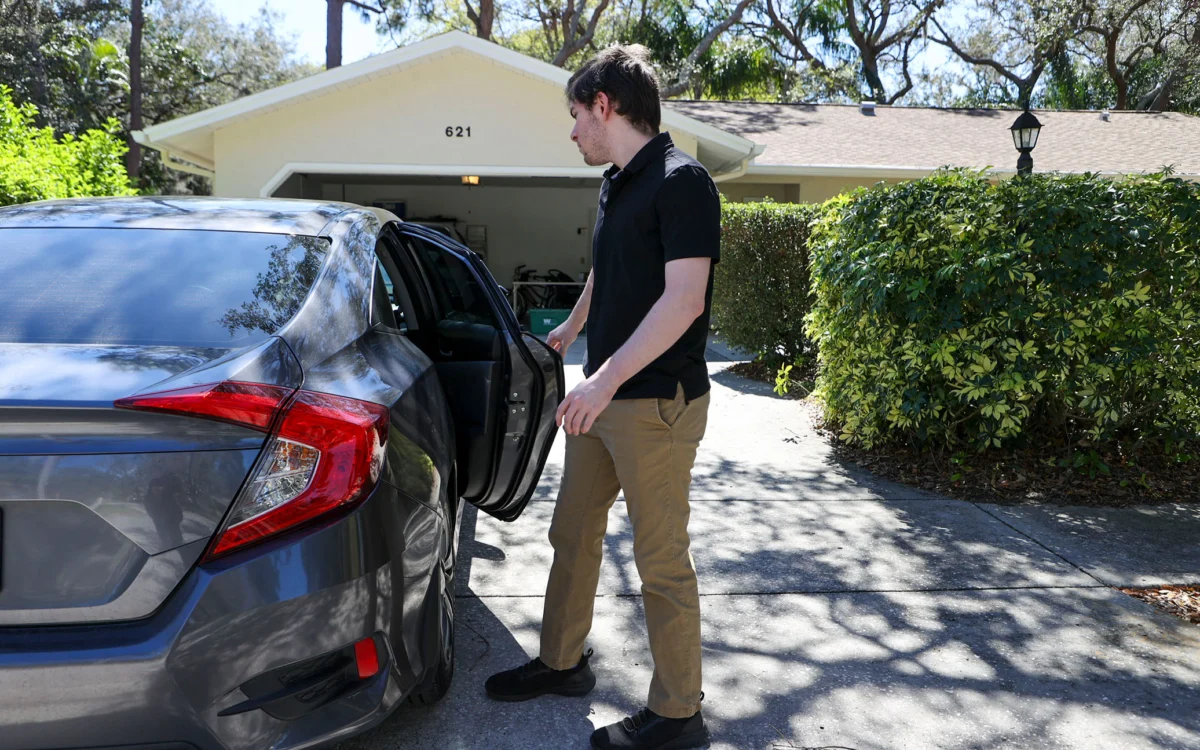
The case of Andrew Boisen, who has epilepsy, opening the back door to his Lyft ride while departing for a trip to the Tarpon Springs Sponge Docks in Tarpon Springs, Fla., as noted in the initial image caption, while not directly part of the legal settlement, serves as a visual reminder of the diverse needs and potential challenges faced by individuals with disabilities when utilizing ride-sharing services. Boisen’s situation, though different from Andres’s, underscores the ongoing need for ride-sharing platforms to be adaptable and accommodating to a wide spectrum of disabilities, ensuring safe and reliable transportation for all.
Ultimately, this settlement represents a step forward in ensuring that ride-sharing services are truly accessible and inclusive for everyone, including individuals who rely on service animals. The ongoing commitment to monitoring and enforcement will be crucial in determining the long-term impact of this agreement on the ride-sharing industry and the disability community.