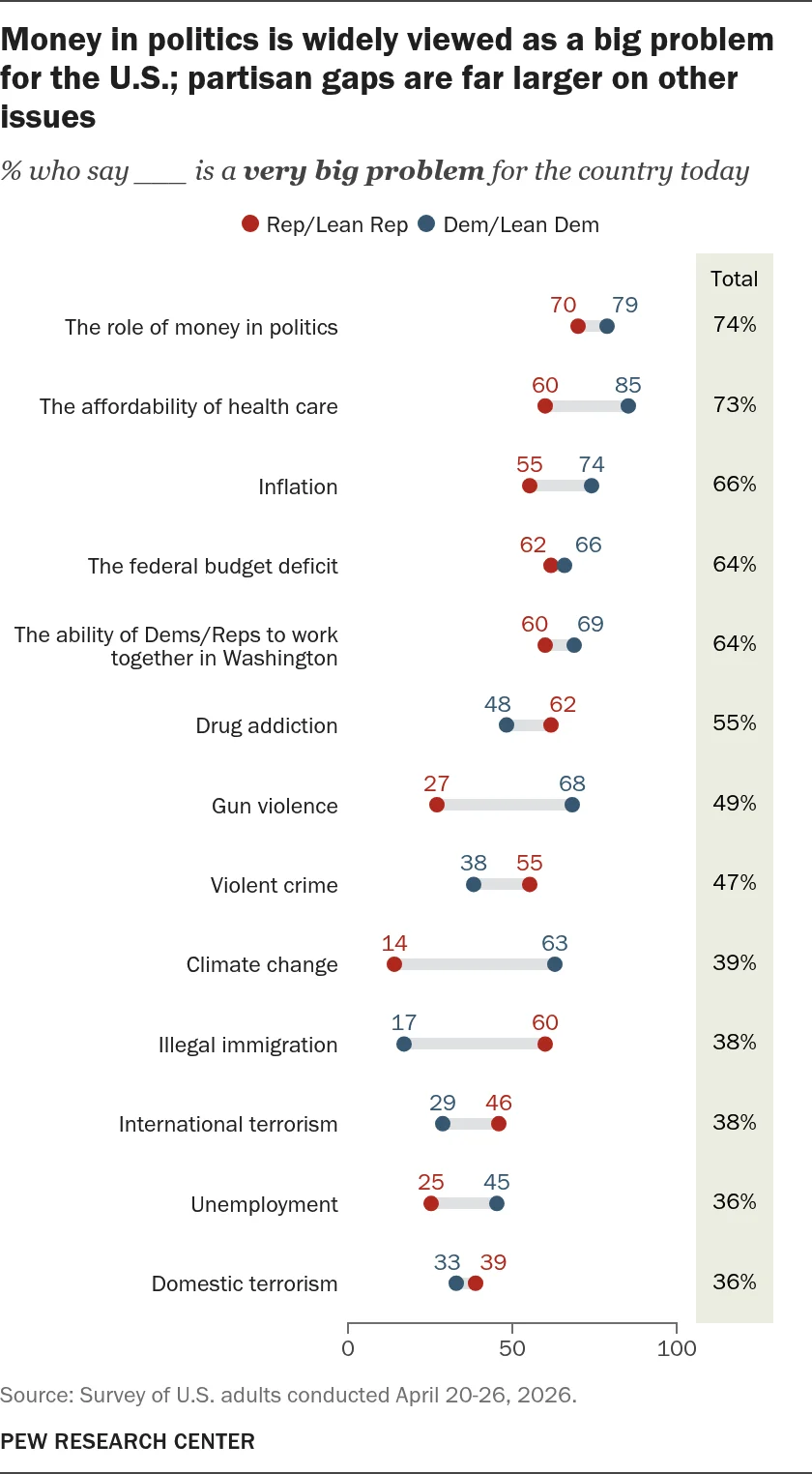
A comprehensive new analysis by the Pew Research Center reveals that economic concerns continue to be the dominant issues preoccupying the minds of American adults when they consider the most significant challenges facing the nation. The survey, conducted from April 20 to April 26, 2026, among 5,103 U.S. adults, indicates a notable rise in the percentage of Americans who view health care affordability, the federal budget deficit, and inflation as "very big problems." This trend suggests a growing sense of economic unease across the country.
The research, which builds on decades of Pew Research Center’s work in understanding public opinion on national issues, provides a detailed snapshot of the American public’s priorities. The findings highlight a complex landscape where economic pressures are increasingly shaping perceptions of national well-being, with partisan divides showing shifts in how these issues are perceived.

Economic Woes Take Center Stage
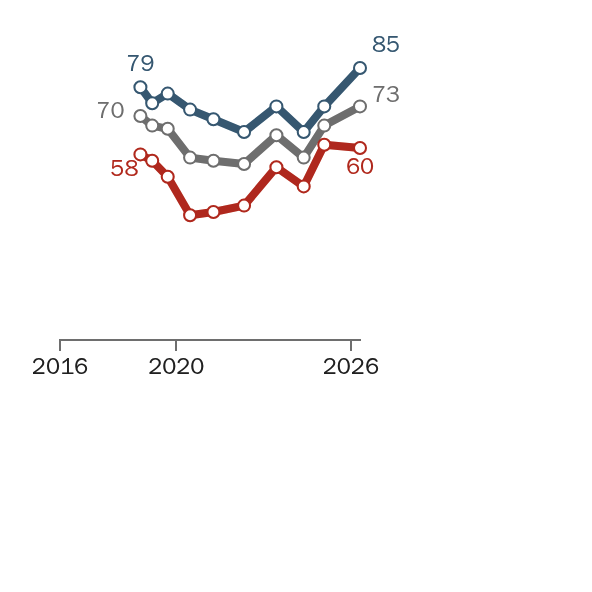
At the forefront of Americans’ concerns are issues directly impacting their financial stability and the nation’s economic health. The affordability of health care, a perennial concern, has seen a significant uptick in public worry. According to the survey, 73% of U.S. adults now consider health care affordability a "very big problem," an increase from 67% in February 2025. This six-point jump signifies a deepening concern over the rising costs associated with medical services, insurance premiums, and prescription drugs.
Inflation, another persistent economic challenge, remains a top worry for a substantial portion of the population. Currently, 66% of Americans perceive inflation as a "very big problem," a modest but notable increase from 63% in the previous year. This sustained high level of concern reflects the ongoing impact of price increases on everyday goods and services, affecting household budgets and purchasing power.
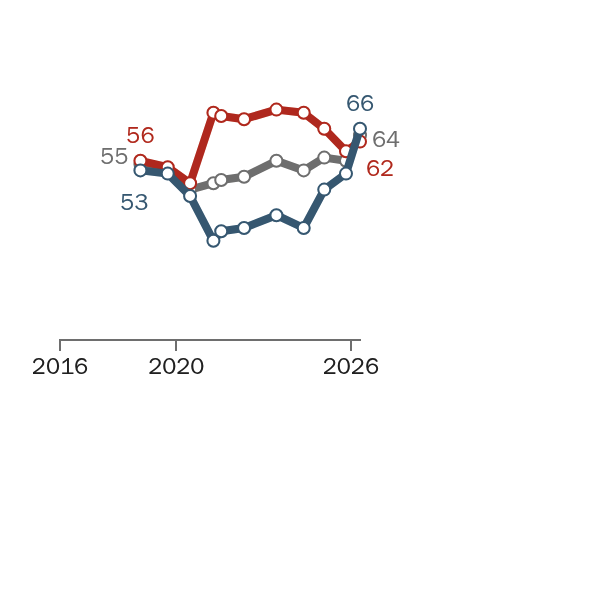
The federal budget deficit has also emerged as a more pressing concern. The survey found that 64% of adults now view the deficit as a "very big problem," an increase of seven percentage points from 57% in February 2025. This suggests a growing awareness and concern among the public regarding the nation’s fiscal trajectory and the long-term implications of accumulating debt.

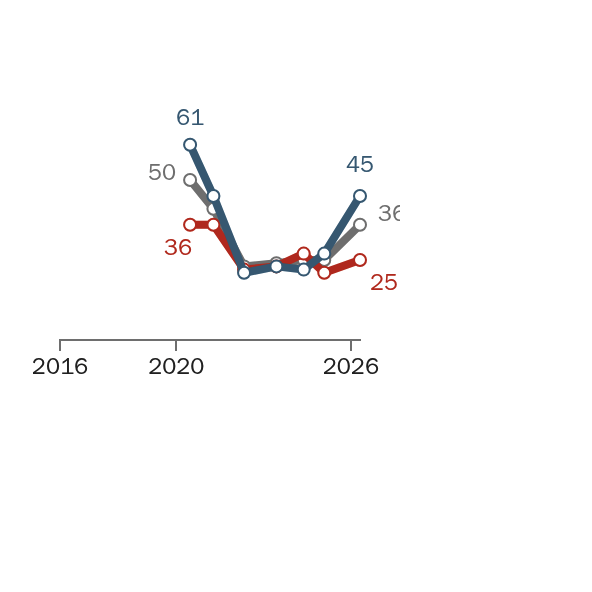
While unemployment is not seen as a pervasive crisis on the same scale as health care costs or inflation, it too has seen an increase in perceived severity. The proportion of Americans identifying unemployment as a "very big problem" has risen to 36%, an eleven-point surge from early 2025. This increase, though starting from a lower base, indicates a heightened sensitivity to job market conditions and economic security.
Shifting Partisan Dynamics on Key Issues
The Pew Research Center’s analysis also sheds light on evolving partisan perspectives regarding these national challenges. A significant finding is the widespread increase in concern among Democrats and Democratic-leaning independents across most economic issues. In contrast, Republicans’ views have remained relatively stable on several fronts, with a notable exception concerning inflation.
Health Care Affordability: A Bipartisan, Though Uneven, Concern
The issue of health care affordability is viewed as a major problem by a strong majority of Democrats, with 85% of Democrats and Democratic-leaning independents classifying it as a "very big problem." This represents a 12-point increase since February 2025, underscoring a growing urgency among this political group. Republicans, while also acknowledging the issue, show a less pronounced level of concern. Currently, 60% of Republicans and GOP leaners consider health care affordability a "very big problem," a figure that has remained largely consistent year-over-year. However, it is important to note that Republicans are more likely to view health care costs as a problem now than they were in the period between 2020 and 2024, suggesting a gradual, albeit slower, shift in their perspective.
The Federal Budget Deficit: A Starker Partisan Divide Re-emerges
Historically, during the Trump administration, Republicans were considerably more likely than Democrats to express alarm over the federal budget deficit. This trend has seen a significant reversal. In the most recent survey, Democrats and Democratic-leaning independents (66%) are now as likely as Republicans and GOP leaners (62%) to label the federal budget deficit as a "very big problem." This convergence in concern marks a notable shift from previous years, where the partisan gap was considerably wider, with Republicans consistently expressing higher levels of worry about the deficit. For instance, in May 2024, 71% of Republicans viewed the deficit as a major issue, compared to just 35% of Democrats. This recent data suggests a potential recalibration of priorities or a shared concern about fiscal sustainability cutting across party lines.
Inflation: A Shifting Battlefield
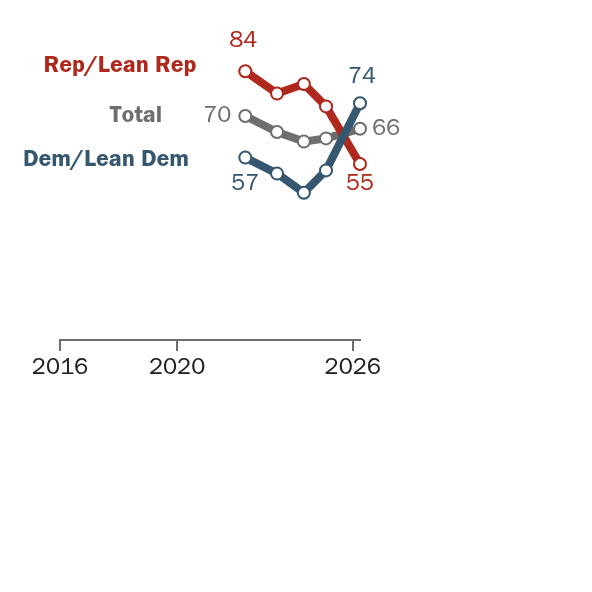
Inflation presents a dynamic picture in terms of partisan views. Currently, approximately three-quarters of Democrats (74%) perceive inflation as a "very big problem." This is a substantial increase from 53% in February 2025. Conversely, the proportion of Republicans who view inflation as a major concern has decreased significantly. In April 2026, 55% of Republicans identified inflation as a "very big problem," a notable drop from 73% in February 2025 and a stark contrast to 80% in May 2024. This reversal suggests that while inflation remains a concern for both parties, the intensity of that concern has diminished for Republicans, potentially influenced by political rhetoric, economic conditions, or a shifting focus on other issues.
Unemployment: A Growing Concern, Primarily Among Democrats
The perception of unemployment as a "very big problem" has seen an overall increase, largely driven by a significant shift in the views of Democrats. A year ago, the gap between parties was minimal, with 21% of Republicans and 27% of Democrats expressing concern. Today, while the Republican view has remained relatively stable at 25%, the percentage of Democrats identifying unemployment as a major issue has surged to 45%. This substantial increase among Democrats indicates a growing sensitivity to job security and employment opportunities within their demographic.
Other National Concerns: Areas of Consensus and Division
Beyond the core economic issues, the Pew Research Center’s survey also explored a range of other national problems, revealing both broad consensus and significant partisan divergence.
Money in Politics: A Widely Shared Grievance
The role of money in politics continues to be a significant concern for a vast majority of Americans, regardless of party affiliation. A substantial 74% of all adults surveyed believe it is a "very big problem." This sentiment is remarkably consistent across the political spectrum, with 70% of Republicans and 79% of Democrats sharing this view. This widespread agreement suggests a common frustration with the influence of money in the political process and a desire for greater transparency and equity.
Bipartisan Agreement on Political Gridlock
Another area of broad consensus is the perceived inability of Democrats and Republicans to work together in Washington. Nearly two-thirds of adults (64%) identify this partisan gridlock as a "very big problem." While Democrats express this concern slightly more frequently (69%) than Republicans (60%), the fact that a majority in both parties shares this view highlights a shared frustration with political polarization and its impact on governance.
Divergent Priorities: A Clear Partisan Divide
Significant partisan gaps emerge when examining other pressing national issues:
-
For Republicans: Illegal immigration remains a paramount concern, with 60% of Republicans and GOP leaners considering it a "very big problem," a stark contrast to only 17% of Democrats. Other issues that rank higher among Republicans include violent crime (55%), drug addiction (62%), and both international and domestic terrorism. While these issues are also concerns for Democrats, the intensity of concern is notably lower.
-
For Democrats: Gun violence (68%) and climate change (63%) are identified as "very big problems" by a significant majority of Democrats and Democratic-leaning independents. These issues, however, are ranked considerably lower by Republicans, with only 27% of Republicans viewing gun violence as a major concern and a mere 14% expressing similar concerns about climate change.
Illegal Immigration: A Declining Concern from a Recent Peak
The perception of illegal immigration as a "very big problem" has seen a decline since its peak in early 2025. In April 2026, 38% of all adults identified it as a major issue, down from 48% in February 2025 and a high of 51% in May 2024. While Republicans continue to express significantly higher levels of concern (60%) compared to Democrats (17%), the overall trend suggests a marginal decrease in the salience of this issue for the broader American public, though it remains a defining issue for a substantial segment of the Republican base.
Methodology and Context
The findings are based on a Pew Research Center survey conducted from April 20 to April 26, 2026, involving 5,103 U.S. adults. All participants were members of the Center’s American Trends Panel, a nationally representative survey panel that allows for rigorous analysis of public opinion. The margin of error for the total sample is plus or minus 1.5 percentage points. The research aims to provide the public, media, and policymakers with a deeper understanding of the nation’s most pressing concerns and how these perceptions are shaped by demographic and political factors. The detailed methodology, survey questions, and topline responses are available on the Pew Research Center’s website for further examination. This research underscores the persistent economic anxieties of Americans and the complex interplay of policy, perception, and partisan politics in shaping the national discourse.