The 2026 WNBA season commenced this past weekend, signaling a transformative era for women’s professional basketball characterized by league expansion, record-breaking attendance, and a significant shift in officiating standards. The debut of new franchises in Toronto and Portland highlighted a weekend where the league’s growth was on full display, though the festivities were partially overshadowed by a dramatic increase in foul calls that has sparked a league-wide debate regarding game flow and player safety. As the Western Conference rosters took the floor, the weekend provided the first data points for evaluating new coaching systems and the integration of high-profile rookies into established lineups.
Officiating Adjustments and Impact on Game Flow
A primary focal point of the opening weekend was the rigorous enforcement of new officiating guidelines. Following a 2025 season where players, coaches, and general managers expressed concerns over escalating physicality, the league appears to have implemented a "points of emphasis" directive aimed at curbing illegal contact. However, the initial results have led to concerns regarding the pace of play and the duration of broadcasts.
During the matchup between the Washington Mystics and the newly formed Tempo, officials assessed 54 personal fouls. This trend continued in the Dallas Wings versus Indiana Fever game, which saw 53 fouls called. The most extreme example occurred during the New York Liberty’s victory over the Mystics, where 58 fouls were recorded, extending the game duration to two hours and 41 minutes.
Breanna Stewart, the Liberty’s veteran forward, addressed the situation post-game, noting that the frequency of whistles disrupts the rhythm of the players and the experience for fans. The shift follows a contentious 2025 season where high-profile coaches, including Becky Hammon, Stephanie White, and Cheryl Reeve, were fined for public criticisms of officiating. While the league’s intent is to prioritize player safety, the opening weekend data suggests a significant adjustment period is underway for both athletes and officiating crews.
Dallas Wings: Backcourt Synergy and Sophomore Development
The Dallas Wings opened their campaign under new head coach Jose Fernandez with a performance that exceeded preseason expectations. The central narrative for Dallas remains the health and development of Paige Bueckers. Following a rookie season that saw her establish herself as a cornerstone of the franchise, Bueckers entered the 2026 season having added 15 pounds of muscle mass. This physical development translated immediately to the court, where she shot 80% from the field in the season opener against Indiana.
Questions regarding the compatibility of Bueckers and veteran guard Arike Ogunbowale were addressed early, as the duo appeared more synchronized than in the previous season. Ogunbowale, who joined the team late following an overseas stint in China, demonstrated a high level of buy-in to Fernandez’s three-guard system. The lineup was further bolstered by Aziaha James, whose defensive performance against Caitlin Clark and perfect shooting from three-point range made a compelling case for her inclusion in the Most Improved Player conversation.
However, the Wings face logistical challenges in the frontcourt. Last year’s co-Defensive Player of the Year, Alanna Smith, struggled with the new officiating standards, seeing limited minutes due to early foul trouble. The team will need to find a balance between Smith’s defensive aggression and the league’s tighter whistle to maintain their interior presence.
Golden State Valkyries: The Business of Basketball and Roster Depth
The Golden State Valkyries entered their second year in the league as the WNBA’s most valuable franchise, with a recent valuation reaching $1 billion. After a historic inaugural season that included a playoff berth, the Valkyries have established a formidable home-court advantage at the Chase Center, dubbed "Ballhalla."
On the court, head coach Natalie Nakase has maintained a high-octane offensive strategy. The team attempted 59 three-pointers across their first two games, converting at a 40% rate. Veronica Burton, the 2025 Most Improved Player, continued her upward trajectory with a 13-point, 12-assist double-double against Phoenix. Despite these successes, the Valkyries are facing immediate roster attrition. Key contributors Tiffany Hayes and Cecilia Zandalasini are sidelined with injuries, and first-ever draft pick Juste Jocyte suffered an ankle injury during European league play, delaying her WNBA debut.
The Valkyries’ frontcourt remains a point of concern following the departures of Monique Billings and Temi Fagbenle. With Ilana Rupert confirmed to miss the season, the defensive burden falls heavily on Kiah Stokes and Laeticia Amihere. Analysts suggest that for Golden State to remain a title contender, Nakase must further unlock the offensive versatility of Gabby Williams, who recently earned Euroleague Defensive Player of the Year honors.
Las Vegas Aces: Sustaining a Championship Core
The defending champion Las Vegas Aces opted for continuity in 2026, retaining their core trio of A’ja Wilson, Chelsea Gray, and Jackie Young. While some analysts suggested a roster refresh was necessary to lower the average age of the squad, the Aces have doubled down on their veteran leadership.
The most significant offseason addition was Chennedy Carter, a move that carried both high risk and high reward. Carter’s early returns are promising; she recorded 22 points on 9-of-13 shooting in her debut against the Sparks, providing the secondary scoring option the Aces lacked at times in 2025. Head coach Becky Hammon continues to rely heavily on Wilson’s historic production, though the team is searching for more consistent contributions from the wing, where Stephanie Talbot, Jewell Loyd, and Kierstan Bell are competing for minutes.
Los Angeles Sparks: The Transition to "Win-Now" Mode
The Los Angeles Sparks have pivoted from a traditional rebuild to an aggressive "win-now" strategy. After drafting Cameron Brink and Rickea Jackson in 2024, the Sparks front office made several high-stakes trades, including sending Jackson to Chicago in exchange for Ariel Atkins and re-signing franchise legend Nneka Ogwumike.
The season opener against the Aces revealed the growing pains of this new roster. While Kelsey Plum led the team with 27 points, the rest of the squad struggled with efficiency, shooting a collective 27% from the field. Defensive lapses were also evident, as the Sparks allowed the Aces to shoot 74% in the third quarter. Head coach Lynne Roberts publicly critiqued Cameron Brink’s performance, highlighting the pressure on the young post player to adapt quickly to the professional level. With Plum on a one-year contract, the Sparks face a narrow window to achieve championship-level synergy.
Minnesota Lynx: Tactical Resilience and Rookie Impact
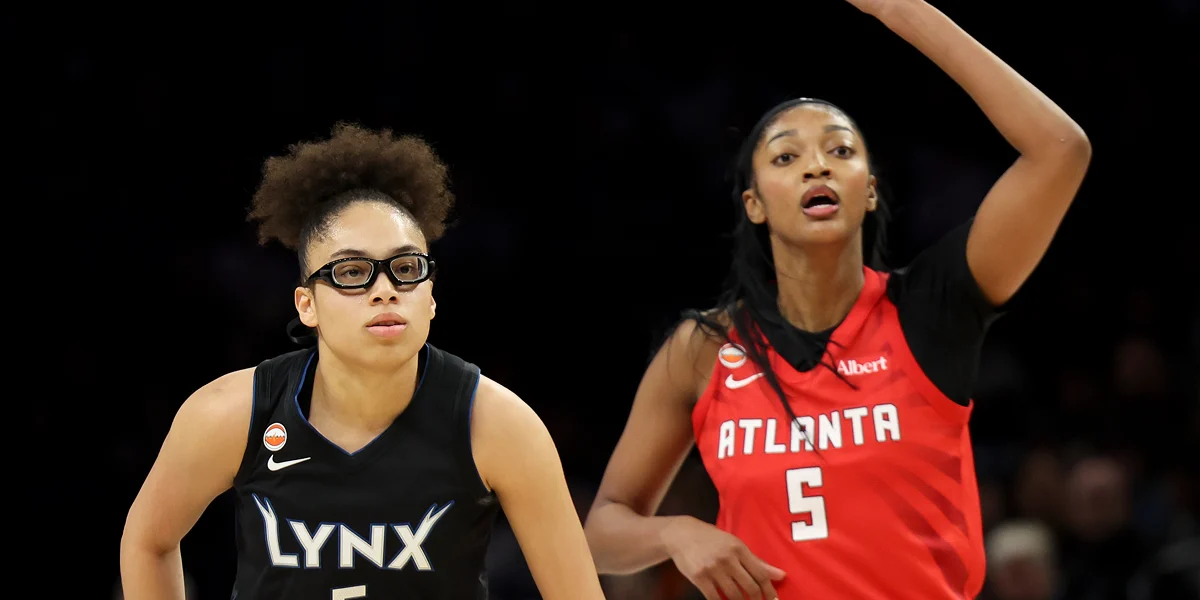
The Minnesota Lynx entered the season facing significant roster turnover and injuries to star players Napheesa Collier and Dorka Juhász. Despite these setbacks, head coach Cheryl Reeve has once again demonstrated her ability to maximize available talent.
The standout story for Minnesota is the debut of rookie point guard Olivia Miles. Drafted over several highly touted interior players, Miles recorded 21 points, eight assists, and two blocks in her first professional game. Her playmaking ability has drawn comparisons to Chelsea Gray and provides the Lynx with a dynamic offensive engine while Collier recovers from ankle surgery. However, the long-term outlook for the franchise remains tied to Collier’s contract status, as rumors of a potential mid-season trade or offseason departure persist.
Phoenix Mercury and the Return of Portland
The Phoenix Mercury continue to build their identity around Alyssa Thomas, whose multifaceted game remains the team’s primary driver. Despite a quiet free agency period, the Mercury found a spark in Serbian rookie Jovana Nogic, who shot 80% from beyond the arc in the opening weekend. The team’s success will depend on whether Kahleah Copper and DeWanna Bonner can provide consistent scoring to support Thomas’s high-usage role.
In Portland, the Fire celebrated the return of the WNBA after a 24-year absence. A capacity crowd of over 19,000 at the Moda Center underscored the market’s appetite for women’s basketball. Head coach Alex Sarama has introduced a "Constraint-Led Approach" (CLA) to the offense, a system that prioritizes principles and triggers over traditional structured plays. While the Fire’s roster, featuring Bridget Carleton and Emily Engstler, is still acclimating to this complex system, the franchise’s commercial success has already set a high bar for future expansion teams.
Seattle Storm: Navigating a Deep Rebuild
The Seattle Storm are currently in the most profound rebuilding phase in franchise history. Following the departure of 82% of their 2025 scoring production—including Nneka Ogwumike and Gabby Williams—the team has turned to a young core led by French sensation Dominique Malonga.
Malonga, considered a generational talent, faced a steep learning curve in the opening weekend, struggling with the league’s new officiating standards. However, the presence of Lexie Brown and Jordan Horston provides a veteran bridge as the team waits for the arrival of Spanish prospect Awa Fam. Head coach Sonia Raman faces the challenge of developing this young talent while managing the expectations of a fanbase accustomed to championship contention.
Broader Impact and Season Outlook
The 2026 opening weekend has established several critical themes for the remainder of the year. The economic health of the league is at an all-time high, evidenced by the $1 billion valuation of the Valkyries and the record attendance in Portland and Toronto. However, the league must address the concerns regarding officiating to ensure that the product on the court remains fluid and engaging for a growing television audience.
As the Western Conference teams settle into their rotations, the balance of power remains fluid. The Las Vegas Aces remain the team to beat, but the tactical innovations in Minnesota and Portland, combined with the star power in Dallas and Los Angeles, suggest a highly competitive race for playoff positioning. The 2026 season is not merely a race for a trophy, but a pivotal moment in the WNBA’s trajectory toward becoming a global sports powerhouse.