March 26, 2026
By HIAS Staff
The devastating civil war that erupted in Sudan in April 2023 has ignited the world’s largest and most urgent humanitarian crisis, with nearly one million Sudanese individuals seeking refuge in neighboring Chad. This influx has strained already limited resources and overwhelmed humanitarian services, exacerbating a dire situation for both new arrivals and the long-standing refugee populations within Chad’s eastern border camps. These displaced individuals are not only grappling with the trauma of conflict but also facing a critical decline in humanitarian aid, pushing them and their host communities to the precipice. HIAS, an organization with over two decades of presence in Chad, continues its vital work amidst these escalating challenges.
The Genesis of a Humanitarian Catastrophe
The current crisis in Sudan is rooted in a power struggle between the Sudanese Armed Forces (SAF) and the paramilitary Rapid Support Forces (RSF). The conflict, which began in Khartoum, quickly spread to other regions, particularly Darfur, igniting long-simmering ethnic tensions and triggering widespread violence. This brutal conflict has resulted in a catastrophic loss of life, widespread destruction of infrastructure, and the displacement of over 14 million people within Sudan itself. For those who managed to escape, the journey to safety has been fraught with peril, leading them to seek refuge in neighboring countries.
Chad, already a nation grappling with its own internal challenges and hosting a significant refugee population, has borne a disproportionate burden. The sheer scale of the Sudanese displacement has been unprecedented. In just over two years, the number of Sudanese refugees arriving in Chad has surpassed the total number of Sudanese refugees who arrived in the preceding two decades combined. This dramatic surge has placed an immense strain on an already fragile system.
Chad: A Nation Under Pressure
Chad is now a nation hosting over 1.8 million displaced people, holding the distinction of having the highest number of refugees per capita in Africa. The refugee population in Chad originates from various conflict-affected regions, including Sudan, the Central African Republic (CAR), Nigeria, and Cameroon. These groups arrived at different times, fleeing a spectrum of challenges such as violence, political instability, persecution, and the increasing impacts of climate change. However, the current wave of arrivals from Sudan represents a crisis of a magnitude not previously witnessed.
The limited resources of Chad, where over 40% of its own population already requires humanitarian assistance, make it exceptionally challenging to absorb such a massive influx of refugees. The country’s capacity to provide essential services like food, water, shelter, healthcare, and education is severely stretched, leaving both refugees and host communities in a precarious state.
The Devastating Impact of Aid Cuts
Compounding the humanitarian crisis is the drastic reduction in international humanitarian aid, particularly from key donor nations. In early 2025, significant cuts to U.S. humanitarian assistance worldwide, including substantial reductions for Chad, have had a crippling effect. Humanitarian funding for Chad plummeted from approximately $338 million in 2024 to a mere $112 million in 2025, a staggering decline of nearly 67 percent.
These funding cuts have translated directly into tangible hardships for refugees and vulnerable populations. Food assistance programs have been scaled back, leading to increased malnutrition rates, especially among children. Health services, already scarce, have been further diminished, leaving many without access to essential medical care. Protection programs designed to support survivors of sexual and gender-based violence have faced significant gaps, leaving the most vulnerable exposed and without recourse.
The consequences of these aid reductions are far-reaching. Refugees are losing their livelihoods and their access to critical mental health support, necessary for processing the trauma of war and displacement. The reduction in lifesaving aid is directly contributing to increased rates of malnutrition, inadequate shelter, and a rise in sexual and domestic violence against women and girls. Children, in particular, are bearing the brunt of these cuts, facing severe limitations in access to food, clean water, and educational opportunities. Many refugees have found themselves stranded at the border, lacking the financial means to travel to more secure shelters within the established camps.
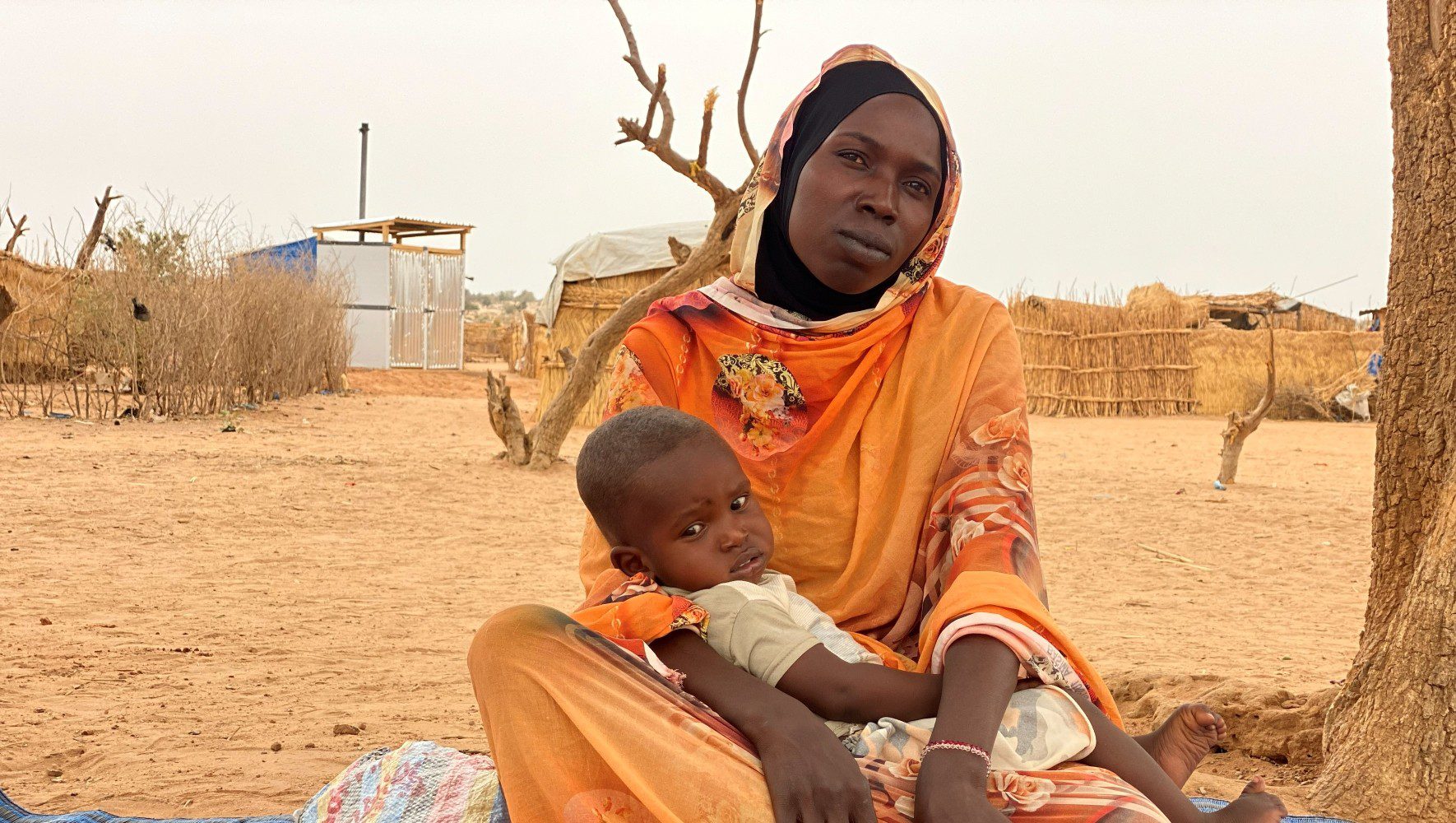
The Lived Realities of Displacement: Challenges Faced by Refugees
The daily lives of refugees and displaced individuals in Chad are marked by a constant struggle for survival. Access to adequate food and safe shelter remains a critical concern. Opportunities for sustainable livelihoods are extremely limited, forcing many into precarious situations. Women and girls are particularly vulnerable, facing the threat of violence not only during their arduous journeys but also within the refugee camps themselves.
Beyond basic needs, refugees and their host communities share limited access to essential services such as healthcare, clean water, and education. This scarcity leaves them highly susceptible to exploitation and renders them heavily reliant on humanitarian assistance, a lifeline that is now faltering.
Furthermore, Chad’s environment presents its own set of challenges. Recurring droughts and devastating floods take a heavy toll on communities, eroding livelihoods and exacerbating widespread food insecurity. In 2024, the Chadian government was compelled to declare a state of food emergency for the third consecutive year, highlighting the chronic vulnerability of the population. Despite these overwhelming pressures, Chad has, for over two decades, maintained an unwavering open-door policy for refugees, a testament to its commitment to humanitarian principles in the face of immense adversity.
HIAS’s Enduring Commitment to Refugee Protection
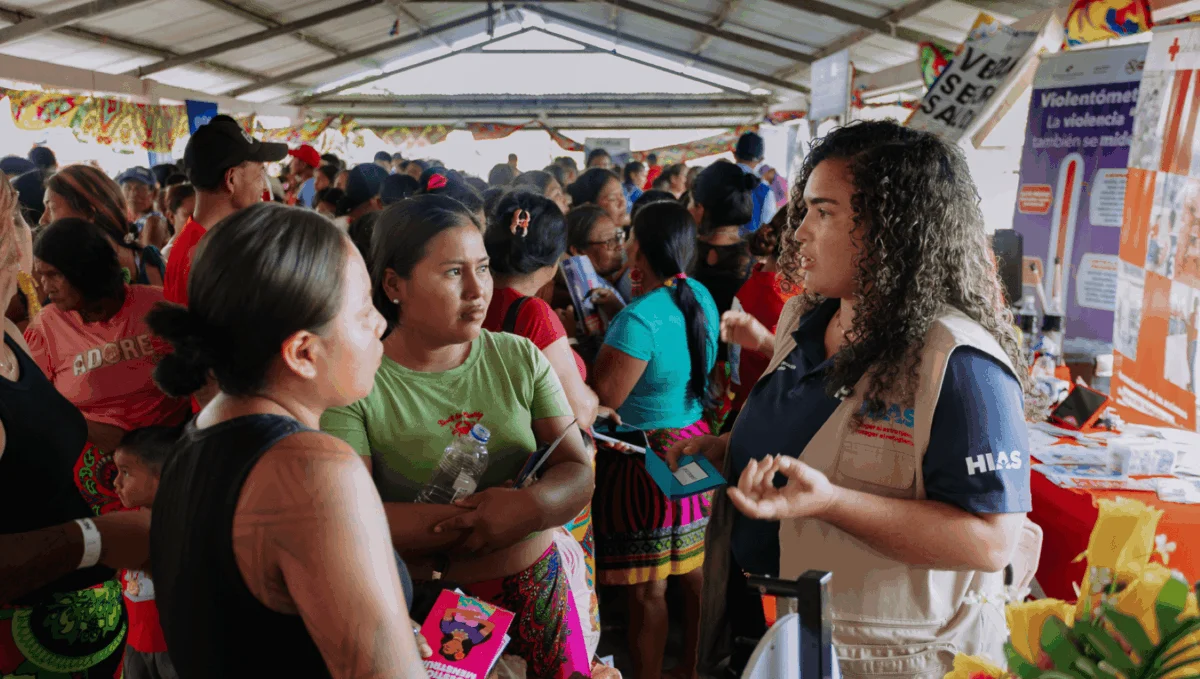
For over two decades, HIAS has been a steadfast presence in Chad, working tirelessly to support refugees, internally displaced persons, and host communities. The organization’s approach is multi-faceted, focusing on strengthening community-based protection networks and fostering peaceful coexistence between refugees and their host populations.
HIAS Chad collaborates closely with the Chadian government and other humanitarian organizations to ensure that refugees are welcomed and that their basic needs are met, particularly in emergency situations. The daily operations of HIAS staff are dedicated to providing life-saving assistance. This includes crucial mental health support to help individuals cope with the psychological toll of conflict and displacement. Economic assistance programs are implemented to empower refugees to rebuild their lives and gain financial independence. A significant focus is also placed on combating violence against women and girls, a pervasive issue in displacement settings.
HIAS also plays a vital role in the distribution of essential food and non-food items. Moreover, the organization implements economic development projects aimed at helping refugees establish sustainable sources of income, thereby reducing their dependence on external aid and fostering self-reliance.
Looking Ahead: The Imperative for Sustained Support
The humanitarian crisis in Chad, driven by the conflict in Sudan and exacerbated by dwindling international aid, represents a critical juncture. The resilience of the Chadian people and the unwavering dedication of organizations like HIAS are vital, but they cannot singly surmount the scale of this challenge. The implications of continued underfunding are dire, threatening to unravel years of progress and deepen the suffering of millions.
As the international community grapples with competing global priorities, the plight of Sudanese refugees in Chad serves as a stark reminder of the enduring need for sustained and robust humanitarian assistance. The future of hundreds of thousands of individuals hinges on the collective will to provide the resources necessary for survival, dignity, and the hope of a brighter future, free from the specter of war and deprivation. The commitment to humanitarian principles, especially in times of unprecedented crisis, remains a moral imperative.
This article is based on information available as of March 26, 2026. For the latest updates and to support ongoing humanitarian efforts, please refer to official reports from organizations like HIAS and the UNHCR.