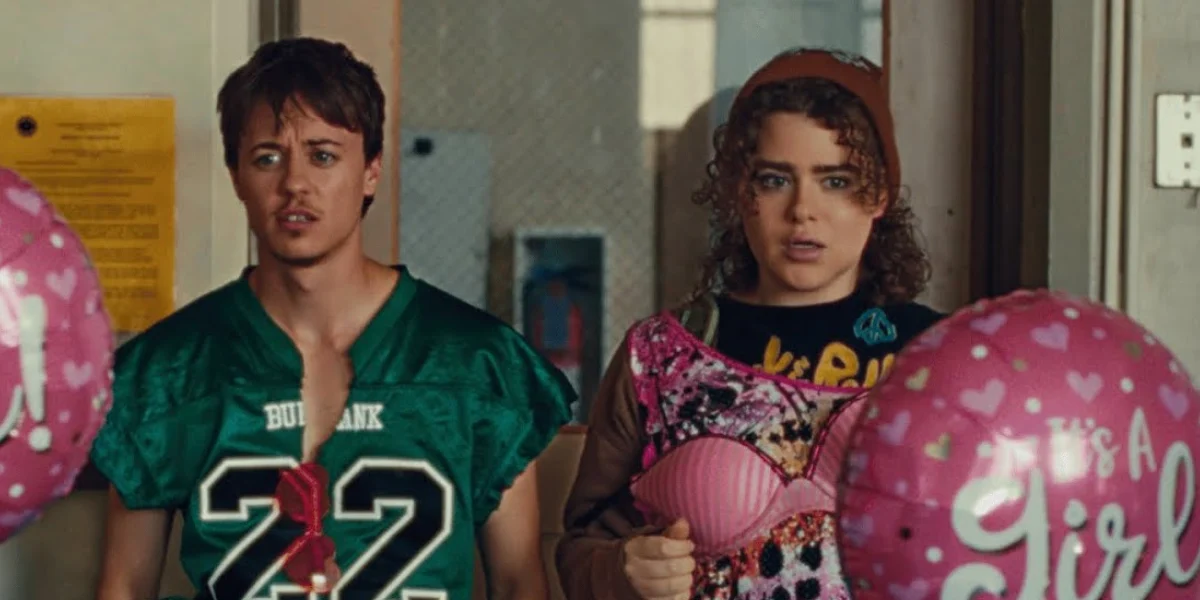
The upcoming release of the independent feature film She’s The He marks a significant milestone in the evolution of the gender-bending comedy subgenre. Directed by Siobhan McCarthy, the film is positioned as both a spiritual successor and a critical subversion of the 2006 cult classic She’s the Man. While previous iterations of the "disguise-based" comedy often relied on cisgender perspectives and tropes that utilized gender non-conformity for shock value or punchlines, McCarthy’s project distinguishes itself through a production model that prioritizes authentic queer and trans representation both in front of and behind the camera.
The narrative follows two characters, portrayed by trans actors Misha Osherovich and Nico Carney, who navigate a complex social scheme involving gender performance to gain the attention of their peers. Osherovich, known for their work in the horror-comedy Freaky, and Carney, a rising voice in the New York comedy scene, lead a cast that includes Malia Pyles. Pyles, who has previously garnered acclaim for her portrayal of Minnie "Mouse" Honrada in Pretty Little Liars: Original Sin, continues her trajectory of representing queer characters in mainstream media.
The Evolution of Gender-Bending Narratives in Cinema
The "gender-bending" trope has a long history in Western storytelling, rooted in Shakespearean comedies like Twelfth Night and As You Like It. In the cinematic era, this translated into commercial successes such as Some Like It Hot (1959), Tootsie (1982), and Mrs. Doubtfire (1993). However, contemporary film scholars and LGBTQ+ advocates have frequently noted that these films often treated gender transition as a temporary costume or a source of farce, frequently at the expense of the transgender community.
Director Siobhan McCarthy addressed this historical context in a recent statement regarding the film’s development. McCarthy noted that gender-bending narratives have traditionally been the province of cisgender creators who often relegated trans experiences to the periphery or used them as the basis for humor. By foregrounding "trans joy" and utilizing trans actors to play both cisgender and transgender roles, She’s The He seeks to reclaim the narrative. The production aims to demonstrate that trans identity is not merely a plot device but a foundational element of the story’s emotional and comedic resonance.
Industry analysts suggest that She’s The He is following a successful blueprint established by recent "Gen Z" queer comedies such as Booksmart, Blockers, and Bottoms. These films have moved away from the "tragic queer" trope, instead focusing on the messy, hilarious, and mundane aspects of teenage life through a lens that normalizes diverse sexualities and gender identities.
Television Landscapes: Shifting Dynamics in Long-Running Dramas
While the film industry prepares for new theatrical releases, the television landscape continues to undergo significant shifts in its representation of queer characters and veteran cast members. The season finale of the long-running medical drama Grey’s Anatomy has signaled a major turning point for the series. Following years of character development and controversial storylines, the character of Owen Hunt, portrayed by Kevin McKidd, appears to have exited the series. Hunt, a fixture since the show’s fifth season, has been a polarizing figure among the fanbase, and his departure marks one of the most significant cast changes in recent years.
Simultaneously, the series has intensified its focus on queer storylines, though not without the dramatic complications typical of the Shondaland brand. The season finale featured the dissolution of a prominent queer relationship, which evolved into a "love triangle" dynamic. This narrative choice reflects a broader trend in television writing where queer relationships are afforded the same level of dramatic complexity—including conflict and infidelity—historically reserved for their heteronormative counterparts.
In the realm of streaming, the critically acclaimed series Hacks continues to explore lesbian subculture with specificity. A recent episode centered on a "lesbian weekend getaway" in Montecito has been cited by critics as a masterclass in nuanced representation. By focusing on the specific social dynamics and generational differences within the community, the show maintains its reputation for high-level writing that resonates with both general audiences and LGBTQ+ viewers.
Media Milestones and Public Disclosures
The intersection of celebrity culture and identity continues to produce significant headlines. Cara Delevingne, the high-profile model and actress, recently clarified her identity in a public forum, identifying as a lesbian. Delevingne’s openness regarding her attractions and the complexities of navigating relationships in the public eye provides further visibility for the community.
In the world of fashion and high-society events, the 2026 Met Gala served as a backdrop for a historic first. Aariana Rose Philip, a prominent trans model, became the first wheelchair user to attend the prestigious event. Philip’s appearance is being hailed as a landmark moment for disability representation in the high-fashion industry, which has historically been criticized for its lack of accessibility and inclusion.
Furthermore, the American Music Awards (AMAs) have announced that Queen Latifah will serve as the host for the upcoming ceremony. Latifah, an icon in both the music and film industries, brings decades of experience to the role. Her selection is seen as a strategic move by the AMAs to bolster viewership through a host with broad, multi-generational appeal and significant cultural capital.
Historical Biopics and Cultural Preservation
The film industry’s interest in historical biopics remains strong, with Studiocanal and director Maïmouna Doucouré moving forward with a project centered on the life of Josephine Baker. FKA Twigs has been cast to portray the legendary performer, civil rights activist, and French Resistance agent.
However, the announcement has sparked discussion among historians and advocates regarding the portrayal of Baker’s personal life. Baker was known to be bisexual, maintaining documented relationships with both men and women throughout her life. There is a growing call from cultural critics for the film to accurately represent Baker’s sexuality, rather than sanitizing her history for a more "traditional" cinematic narrative. This dialogue highlights the increasing pressure on filmmakers to adhere to historical accuracy regarding the LGBTQ+ identities of historical figures.
Strategic Scheduling and Digital Platforms
The logistical side of the entertainment industry has seen its share of adjustments. Shay Mitchell’s highly anticipated Baywatch reboot has encountered a scheduling shift. Originally slated for an earlier release, the series has been moved to a mid-season premiere, with current projections suggesting it will not reach audiences until early 2027. Such delays are often the result of post-production requirements or strategic placement within a network’s broadcast calendar to maximize advertising revenue.
In the digital and animation space, Aubrey Plaza’s series Kevin has concluded its initial run. The show, noted for its irreverent humor and diverse voice cast—including Whoopi Goldberg—has been recognized for its casual integration of queer themes. From pansexual characters to specific cultural nods like "lesbian cat adoption ceremonies," the series represents the growing trend of animated content catering to adult audiences with sophisticated, inclusive humor.
Additionally, veteran actress Miriam Margolyes has made headlines for her success on the digital platform Cameo. The actress, who has long been open about her identity as a lesbian, has reportedly seen significant financial returns from the platform. This reflects a broader trend where established actors utilize direct-to-consumer digital platforms to maintain their brand and engage with fans outside of traditional media channels.
Broader Socio-Economic Implications of Inclusive Media
The sheer volume of queer-centric news in the entertainment sector points toward a permanent shift in market dynamics. The success of actors like Miley Cyrus, who is set to receive a star on the Hollywood Walk of Fame, and the continued demand for diverse narratives in reality television—such as Aspyn Ovard’s involvement in the Mormon Wives spinoff—suggest that inclusivity is no longer a niche market.
Data from media monitoring organizations indicates that audiences, particularly Gen Z and Millennials, are more likely to engage with content that reflects a diverse range of identities. For studios, this translates to a clear economic incentive to greenlight projects like She’s The He. By moving away from caricatures and toward authentic, joy-focused storytelling, the industry is not only fulfilling a social responsibility but also tapping into a loyal and growing demographic.
As She’s The He prepares for its June theatrical debut, it stands as a testament to the progress made in queer cinema. The film’s focus on trans actors playing cisgender roles and vice versa suggests a future where the boundaries of casting are expanded, and the richness of the human experience is reflected more accurately on the silver screen. The concurrent developments across television, music, and fashion further reinforce the idea that the entertainment industry is entering an era defined by visibility and the reclamation of narratives by the communities who live them.