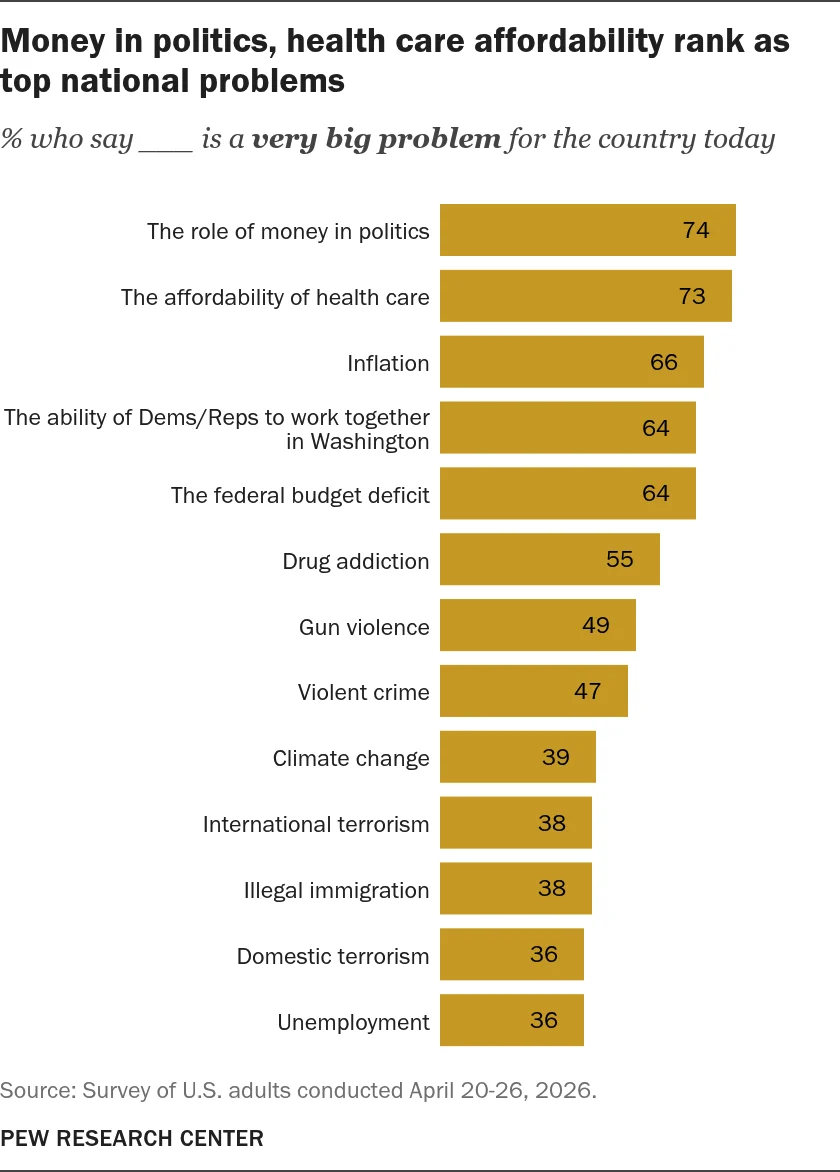
A comprehensive new survey from the Pew Research Center reveals that the affordability of healthcare, the federal budget deficit, and inflation are currently perceived by Americans as the most pressing challenges facing the nation. The findings, based on a survey conducted from April 20-26, 2026, indicate a significant and persistent concern among the populace regarding these economic and societal issues.
Key Findings and Public Sentiment
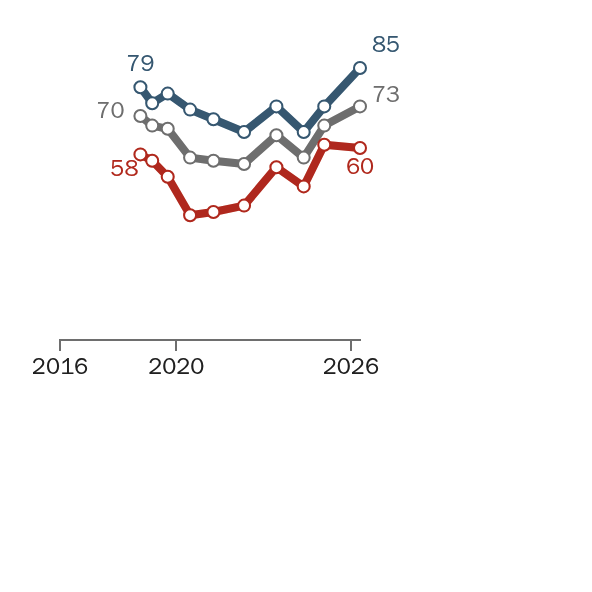
The survey data highlights that a substantial majority of U.S. adults view the affordability of healthcare as a "very big problem." In April 2026, 73% of respondents held this view, a figure that has fluctuated over recent years but remains a dominant concern. This sentiment is shared across the political spectrum, though with differing intensity. While 85% of Democrats and Democratic-leaning individuals identified healthcare affordability as a major issue, a still significant 60% of Republicans and Republican-leaning individuals expressed similar concerns. This indicates a bipartisan acknowledgment of the strain that healthcare costs place on American households.

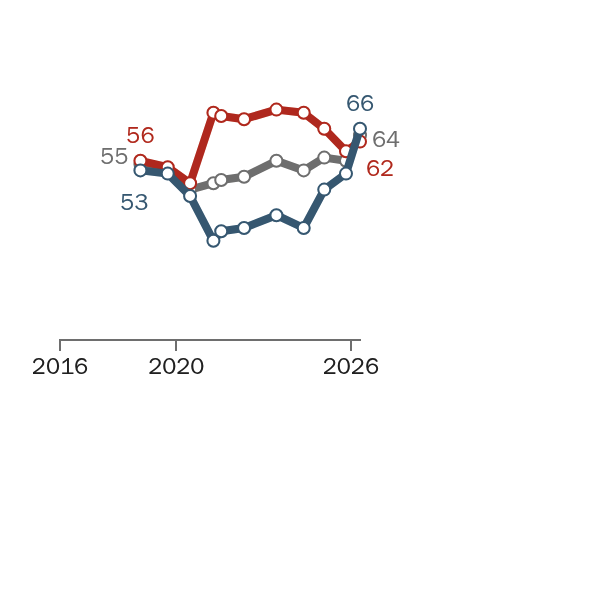
Following closely behind healthcare affordability, the federal budget deficit is also a major concern, with 64% of all adults labeling it a "very big problem." This issue has seen a notable increase in public perception since earlier years. For instance, in April 2021, only 49% of Americans considered the deficit a major problem. The recent surge in concern is particularly pronounced among Republicans, with 62% viewing it as a significant issue in April 2026, up from 56% in October 2018. Democrats also express concern, with 66% identifying it as a major problem, though this figure represents a slight decrease from its peak in February 2025.
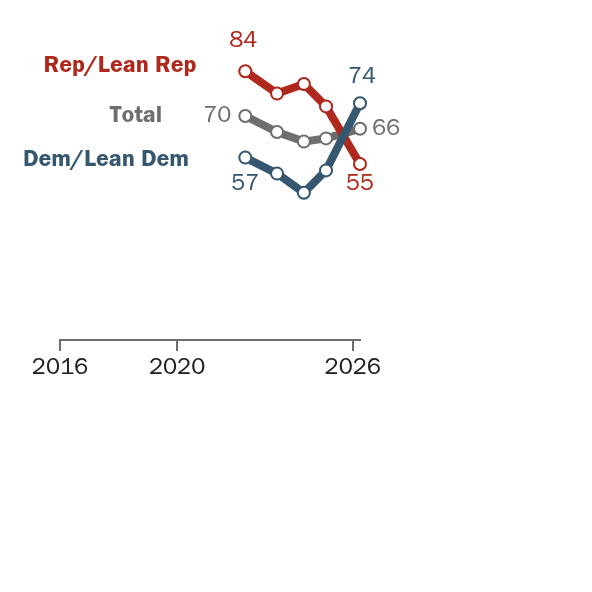
Inflation, another key economic indicator, is also at the forefront of public anxiety. In April 2026, 66% of Americans identified inflation as a "very big problem." This concern has seen a dramatic rise since earlier years, particularly following periods of economic volatility. In May 2022, a staggering 70% of Americans expressed concern about inflation, indicating that while the peak of immediate worry may have slightly subsided, it remains a significant national challenge. Notably, Republicans show higher levels of concern regarding inflation, with 55% identifying it as a major problem in April 2026, compared to 74% of Democrats. This partisan divergence suggests different perceptions of the causes and impacts of inflationary pressures.
A Shifting Landscape of National Concerns
The Pew Research Center’s data provides a historical perspective on how Americans prioritize national problems. The survey reveals a dynamic shift in public opinion over time, influenced by evolving economic conditions and societal events.
Timeline of Key Concerns:
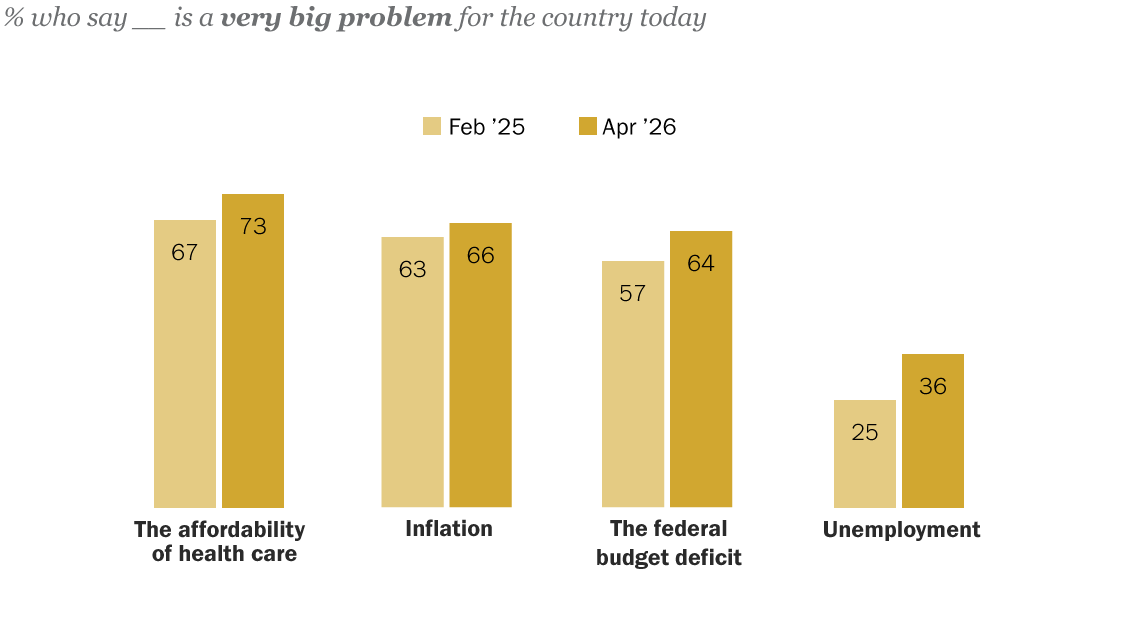
- The Affordability of Healthcare: Consistently ranked as a top concern for years, the percentage of Americans viewing healthcare costs as a "very big problem" has ranged from a low of 55% in May 2021 and May 2022 to a high of 73% in April 2026. Peaks in concern often correlate with periods of rising healthcare premiums, out-of-pocket expenses, and debates over healthcare policy.
- The Federal Budget Deficit: This issue has seen a significant upward trend in public perception. From 47% in June 2020, concern rose steadily, reaching 64% by April 2026. This increase likely reflects growing awareness of national debt levels and their potential long-term economic implications.
- Inflation: While always a background concern, inflation surged into the top tier of national problems in the early to mid-2020s. After hovering in the high 50s and low 60s for much of the late 2010s, it spiked to 70% in May 2022 and remains a significant issue at 66% in April 2026. This mirrors periods of rapid price increases across various sectors.
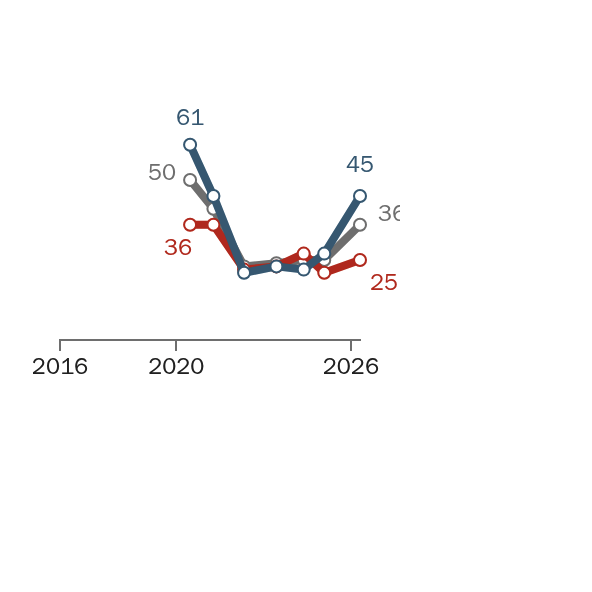
- Unemployment: Historically a major concern, unemployment has seen a notable decline in public perception as a "very big problem" in recent years. After peaking at 50% in June 2020 during the COVID-19 pandemic, it has fallen to 36% in April 2026, suggesting a relatively stable labor market.
- The Ability of Democrats and Republicans to Work Together: This issue consistently ranks high, indicating a persistent frustration with political polarization. In April 2026, 64% of Americans considered the lack of bipartisan cooperation a "very big problem," a sentiment that has remained relatively stable around the 60-65% mark for several years.
- Role of Money in Politics: This issue has emerged as a significant concern, with 74% of Americans identifying it as a "very big problem" in the latest survey. This suggests a growing unease with the influence of financial interests in the political process.
- Drug Addiction: A persistent challenge, drug addiction remains a considerable concern, with 55% of Americans viewing it as a "very big problem" in April 2026. While fluctuating, it has remained a significant issue, particularly in certain regions and demographics.
- Gun Violence: Public concern over gun violence has seen a notable increase, particularly following high-profile incidents. In April 2026, 49% of Americans identified it as a "very big problem," with a peak of 60% in June 2023. There is a stark partisan divide on this issue, with Democrats expressing significantly higher levels of concern than Republicans.
- Violent Crime: Similar to gun violence, concern about violent crime has also seen fluctuations. In April 2026, 47% of Americans viewed it as a major problem, down from a high of 61% in July 2021. This trend may reflect evolving crime rates and public perception of safety.
- Climate Change: While consistently a concern for a significant portion of the population, particularly Democrats, climate change has not reached the same level of widespread "very big problem" status as economic issues. In April 2026, 39% of Americans identified it as a major concern, with strong partisan divides, where 63% of Democrats see it as a significant problem compared to only 14% of Republicans.
- International and Domestic Terrorism: These issues have generally ranked lower in recent surveys compared to economic concerns. In April 2026, 38% of Americans considered international terrorism a "very big problem," and 36% felt the same about domestic terrorism. These figures represent a decrease from earlier years, possibly reflecting a perceived reduction in immediate threats or a shift in public priorities.
Partisan Divides and Overlapping Concerns
While certain issues like healthcare affordability and the role of money in politics elicit broad concern, partisan divides remain evident on other critical national problems. For instance, illegal immigration is viewed as a "very big problem" by a much higher percentage of Republicans (60% in April 2026) than Democrats (17%). Conversely, gun violence and climate change are significantly more likely to be identified as major problems by Democrats than by Republicans.
The survey also highlights areas where concerns, though differing in intensity, overlap across the political spectrum. Both Republicans and Democrats acknowledge the challenges posed by the federal budget deficit and inflation. This suggests potential common ground for policy discussions, even amidst broader political disagreements. The persistent concern about the ability of Democrats and Republicans to work together underscores a national sentiment of frustration with political gridlock, regardless of individual party affiliation.
Implications for Policy and Governance
The findings from the Pew Research Center have significant implications for policymakers and elected officials. The persistent public concern over healthcare costs indicates that this issue will likely remain a central theme in political discourse and policy debates. Any legislative efforts aimed at addressing healthcare affordability, whether through cost controls, insurance reforms, or prescription drug price negotiations, will likely resonate with a broad segment of the electorate.
The heightened concern regarding the federal budget deficit suggests a growing public appetite for fiscal responsibility. Policymakers may face increased pressure to address national debt levels, potentially leading to debates about government spending, taxation, and long-term fiscal sustainability. The bipartisan acknowledgment of this issue could open avenues for collaborative solutions, though significant disagreements on the best path forward are anticipated.
Inflation continues to be a significant economic worry, impacting household budgets across the nation. The differing partisan perceptions of inflation’s drivers and solutions will likely shape the policy responses implemented by the current administration and debated by the opposition. Efforts to stabilize prices and manage economic growth will remain a critical focus for economic policymakers.
The data also underscores the public’s deep-seated concerns about the influence of money in politics and the ongoing political polarization. These issues speak to a broader desire for a more functional and representative democracy. Addressing these concerns could involve campaign finance reforms, efforts to foster greater bipartisan cooperation, and initiatives aimed at rebuilding trust in political institutions.
The Evolving National Agenda
As the nation navigates a complex landscape of economic, social, and political challenges, public opinion surveys like this one from the Pew Research Center serve as crucial barometers of national sentiment. The consistent prominence of healthcare costs, the rising concern over the deficit and inflation, and the enduring frustration with political dysfunction all point to a public deeply engaged with the issues that directly affect their lives and the future of the country. The ability of political leaders to effectively address these widespread concerns will be a defining factor in shaping the nation’s trajectory in the coming years.